The Perfect Galinhada with Pequi: An Easy Recipe

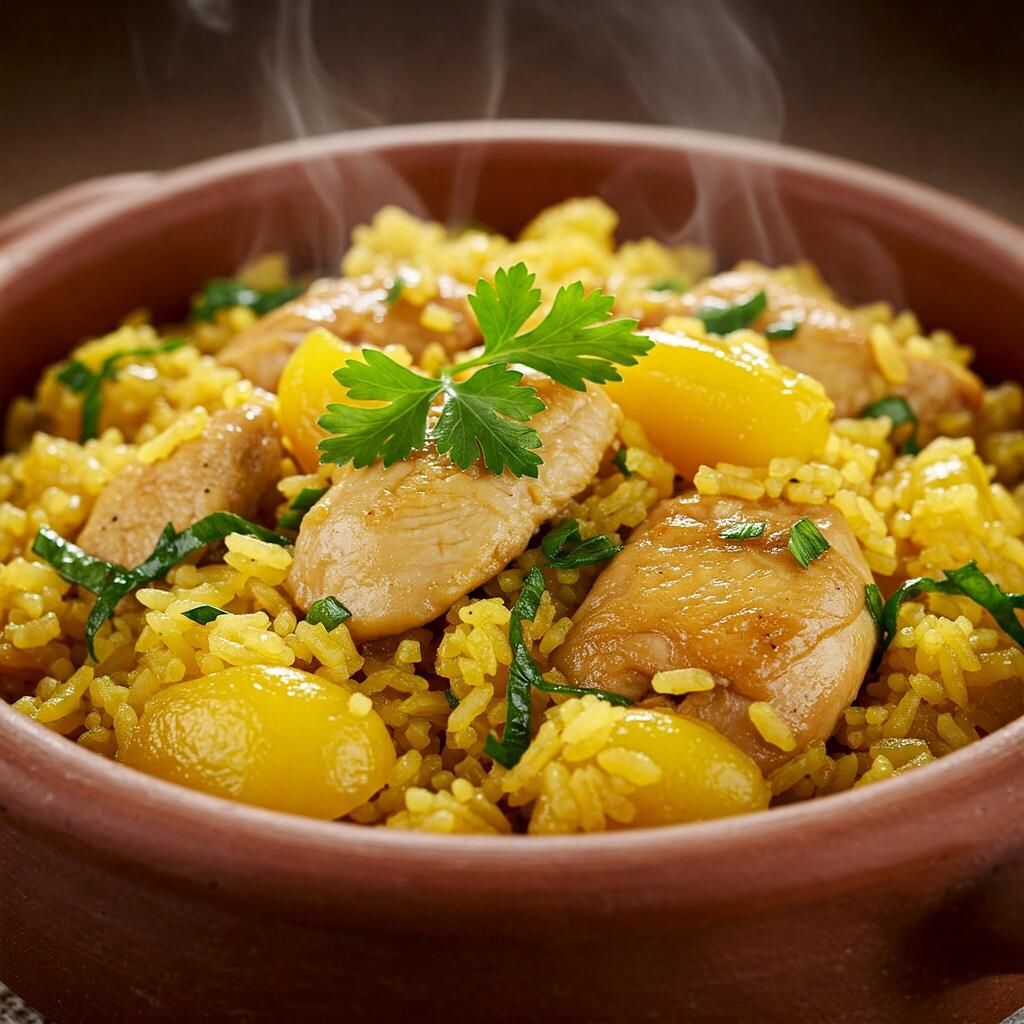
The Galinhada with Pequi is one of the most iconic dishes of the Brazilian Cerrado region. It is a one-pot meal that combines the rustic simplicity of farm-raised chicken with the complex, aromatic profile of the pequi fruit. This dish serves as a cultural bridge between the states of Goiás and Minas Gerais, representing centuries of tradition.
The History: Gold, Explorers, and Survival
The origins of Galinhada are deeply intertwined with the colonization of the Brazilian interior during the 18th century, a period known as the Ciclo do Ouro (Gold Cycle). As the Portuguese and early Brazilians, known as Bandeirantes, ventured inland from the coast into the rugged terrain of Minas Gerais and Goiás, they required meals that were high in energy and easy to prepare.
Chicken was a practical protein source because the birds could be easily transported or raised in small settlements. Rice was a staple introduced by the Portuguese. However, the defining ingredient, Pequi, was native to the land. The explorers learned from indigenous peoples that this yellow fruit, abundant in the savannah (Cerrado), was edible and rich in calories. The combination of these three elements—chicken, rice, and pequi—cooked in a single iron pot over a wood fire, became the standard meal for troopers (tropeiros) and miners.
Understanding the Pequi: "The Gold of the Cerrado"
The Caryocar brasiliense, commonly known as Pequi, is a fruit with a greenish skin and a bright yellow pulp. It has a very strong, distinctive aroma that is often described as sweet, floral, and slightly cheesy. It is rich in Vitamin A, antioxidants, and anti-inflammatory properties.
CRITICAL SAFETY WARNING
DO NOT BITE THE SEED. This is the most important rule when eating Galinhada with Pequi. The yellow pulp surrounds a hard endocarp that is covered in thousands of tiny, hair-like spines (thorns). If you bite into the seed, these thorns can embed themselves in your tongue, gums, and palate, causing significant pain and requiring medical removal.
How to eat it safely: You must gently scrape the yellow pulp with your teeth (a process called "roer") until you reach the hard shell, then discard the seed immediately.
Regional Variations: Goiás vs. Minas Gerais
While the core concept remains the same, regional differences define the dish:
- Goiás Style (Galinhada Goiana): This version is heavily spiced with turmeric (açafrão-da-terra), giving the rice a vibrant neon-yellow color. It almost always includes Pequi and often features Guariroba, a native bitter palm heart. It is traditionally served with a spicy vinaigrette.
- Minas Style (Galinhada Mineira): In Minas Gerais, the dish may be less yellow, sometimes relying on the natural color of the free-range chicken fat and annatto (urucum) rather than turmeric. It is frequently served with Ora-pro-nóbis (a protein-rich leaf) and Angu (a soft polenta), and pequi is sometimes optional depending on the specific sub-region.
The Authentic Recipe
This recipe follows the traditional Goiano method, ensuring a rich color and deep flavor.
Ingredients
- Meat: 1 whole chicken (approx. 1.5 kg), cut into small pieces at the joints. Skin-on and bone-in are essential for flavor.
- Rice: 400g (approx. 2 cups) of long-grain white rice.
- Pequi: 100g of pequi pulp or 8-10 whole fruits (fresh or preserved in brine).
- Base & Color: 1 tbsp Turmeric powder (essential), 3 tbsp oil, 1 large onion (diced), 6 cloves of garlic (minced).
- Vegetables: 1 red bell pepper (chopped), 1 can of green corn (optional).
- Seasoning: Salt, black pepper, and fresh parsley/scallions (cheiro-verde).
Step-by-Step Preparation
1. Marinate the Chicken:
Wash the chicken pieces. In a large bowl, mix the chicken with half of the minced garlic, salt, and black pepper. Let it rest for at least 30 minutes to absorb the seasoning.
2. Sear for Flavor (The Maillard Reaction):
In a large, heavy pot (iron pots are traditional), heat the oil over medium-high heat. Add the chicken pieces in batches. Fry them until they are deeply golden brown. Do not rush this step; the fond (brown bits) at the bottom of the pot is the secret to a tasty Galinhada. Remove the chicken and set aside.
3. The Aromatic Base:
In the same pot (do not wash it), add the onions and the remaining garlic. Sauté until the onion is soft. Add the turmeric powder and stir well—the oil will turn bright yellow. Add the Pequi (fruit or pulp) and sauté for another minute to release its oil.
4. Combine and Toast:
Return the chicken to the pot. Add the chopped bell pepper, corn, and the uncooked rice. Stir everything together constantly for about 2-3 minutes. This process, called refogar, seals the rice grains so they remain fluffy after cooking.
5. Simmer:
Add boiling water carefully until the water level is about 2 cm (1 inch) above the ingredients. Taste the broth and adjust the salt if necessary. Lower the heat to the minimum setting and cover the pot.
6. Finishing:
Cook for approximately 20 to 25 minutes, or until the rice is tender and the water has been absorbed. If the rice is still hard but the water is gone, add a small splash of hot water and cover again for a few minutes. Turn off the heat and stir in the fresh parsley and scallions.
Nutritional Note
Galinhada is a calorically dense meal, perfect for physical work. The addition of Pequi and Turmeric provides a significant amount of carotenoids, which are precursors to Vitamin A and act as powerful antioxidants, helping to protect cells from damage.