
Calabria: Authentic Recipes and Traditional Dishes

The typical recipes of Calabria are so many and varied that choosing just a few is really difficult, so for the most part you will find recipes from Reggio Calabria here. Calabria is a hospitable, wild and beautiful land with an uncontaminated sea and mountains with breathtaking views, and with a thousand-year-old culinary tradition. It is a savoury and tasty cuisine linked to the products of the land and especially those of the sea.
There are not only recipes originating from Calabria but recipes that have significant aspects for this region. Remember to cook with care, attention, and safety. We recommend to Read our full Safety & Liability Disclaimer.
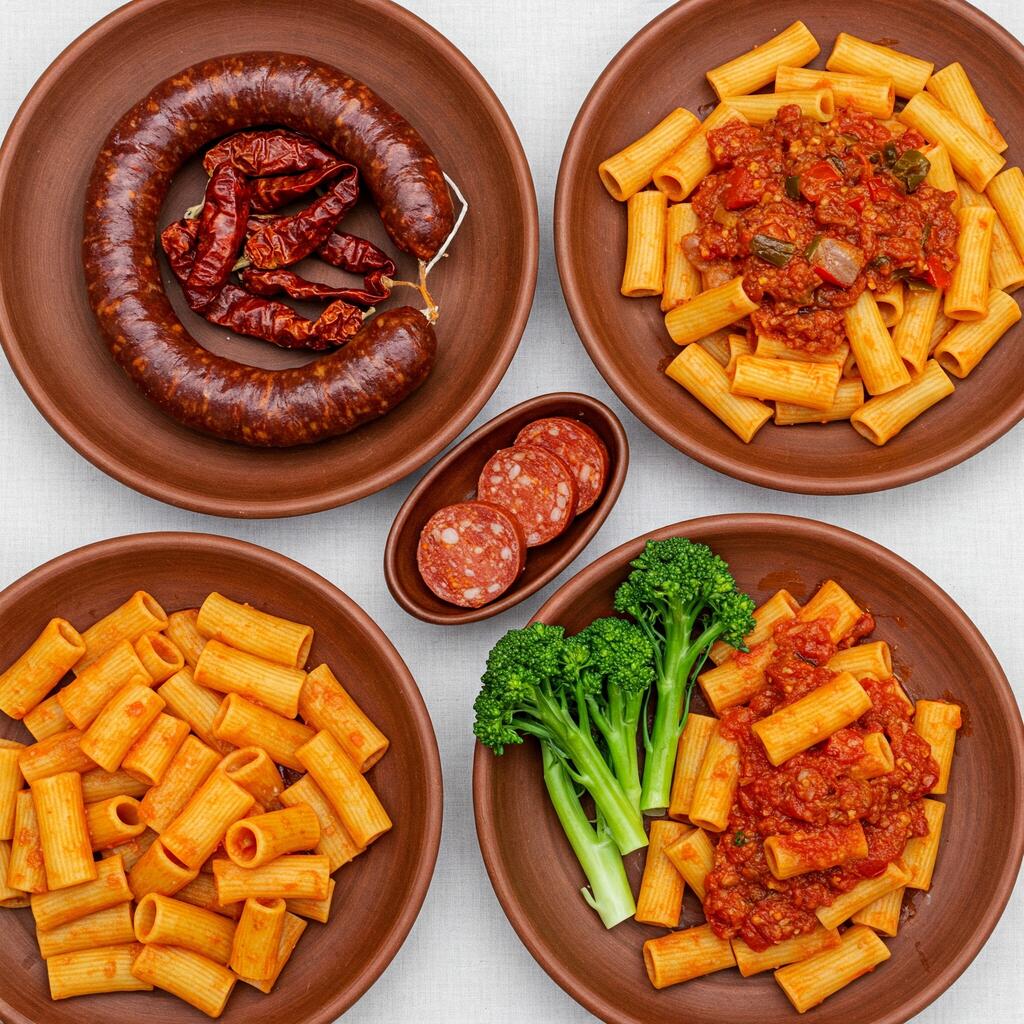
Calabria produces cured meats that have a long tradition, the most famous of which is nduja, a soft salami made from the fatty parts of the pig and chilli pepper. In addition to cured meats, there are also cheeses.
Calabria boasts one of the oldest cheese-making traditions in our country. The various pecorino cheeses such as pecorino crotonese or pecorino del Pollino, caciocavallo or burrito del Pollino, to name but a few, are exported and enjoyed not only in Italy.
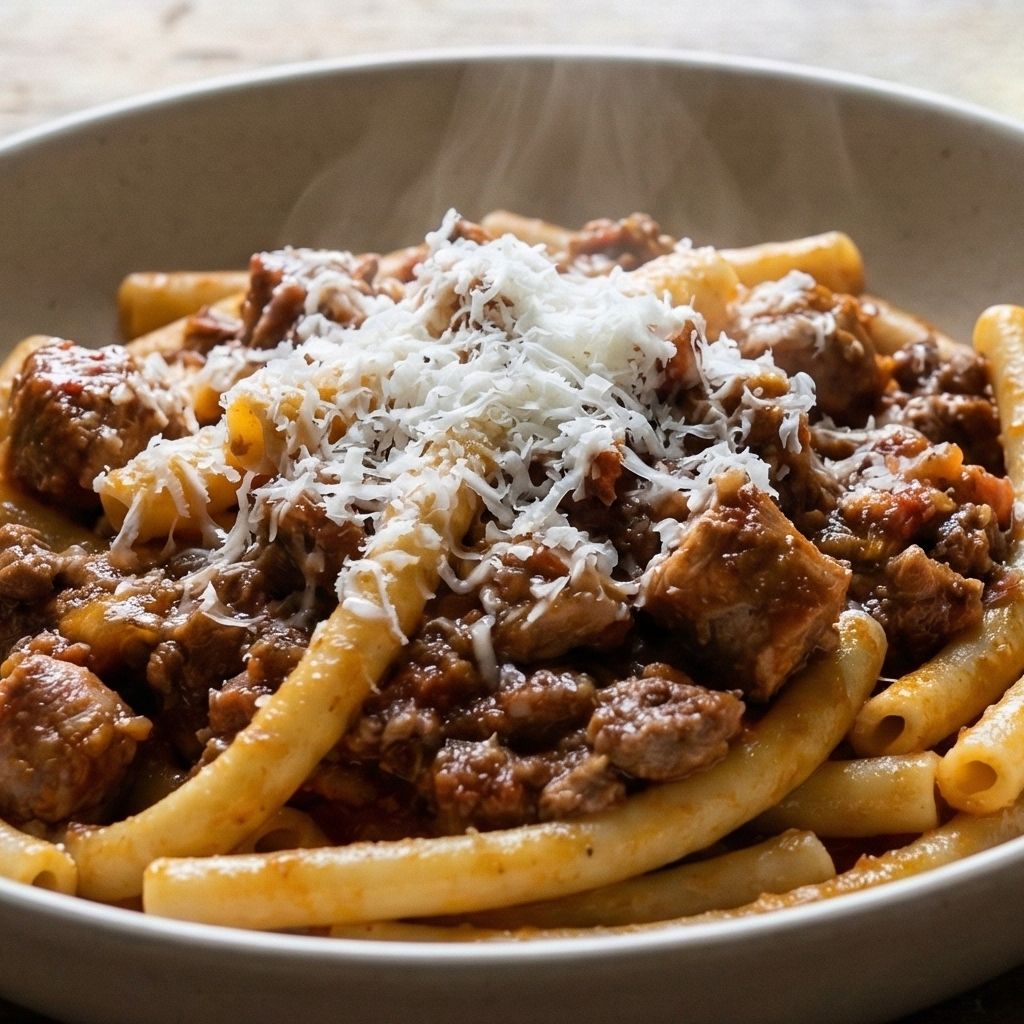
Handmade Calabrian Macaroni (Maccaruni col Ferretto)
This fresh pasta format is the symbol of Calabrian Sunday lunches. The hollow center, traditionally made using a knitting needle or a brass wire (ferretto), is designed to capture the heavy, slow-cooked meat sauce.
Ingredients for the Macaroni
- 300g Type 0 Flour (All-purpose)
- 300g Semolina Flour (Rimacinata) - Crucial for texture
- 1 tsp Salt
- 1 tsp Olive Oil
- 1 cup (approx.) Hot Water (50°C / 120°F)
Chef's Secret: Why Hot Water?
Since this dough has no eggs, using hot water helps gelatinize the starch in the semolina immediately. This makes the dough more elastic and pliable, preventing it from breaking when you wrap it around the knitting needle.
Preparation of the Pasta
- The Dough: Mix the two flours in a bowl or on a wooden board. Add salt and olive oil. Slowly pour in the hot water while kneading.
Tip: The dough must be firm and smooth, not sticky. If it sticks to your hands, add a sprinkle of semolina. - The Rest: Form a ball, wrap it in plastic, and let it rest in the fridge for at least 1 hour. This relaxes the gluten and makes shaping easier.
- The Cylinder: Cut the dough into small pieces. Roll each piece into a thin rope (about the thickness of a finger). Cut this rope into small segments, about 3-4 cm (1.5 inches) long.
- The Shaping (The Ferretto Technique): Place a knitting needle (or wooden skewer) on top of a dough segment. Press gently with your palm and roll the needle back and forth on the table until the dough extends and wraps around the metal.
Warning: Do not press too hard, or the dough will stick to the needle. Dust the tool with flour often. - Drying: Slide the pasta off the needle quickly. Place the finished macaroni on a floured tablecloth and let them dry for 30 minutes before cooking. This helps them hold their shape.
Ingredients for the Authentic Meat Sauce
- 1.2 kg High-quality tomato purée (Passata)
- 300g Minced Pork
- 300g Minced Beef
- 2 Fresh Pork Sausages (with fennel seeds, typical of Reggio Calabria)
- ½ cup Dry Red Wine (e.g., Cirò Rosso) - To deglaze
- 1 Small Onion, finely chopped
- 1 Bay Leaf
- Olive oil, Salt, and Black Pepper
- To serve: Grated Salted Ricotta (Ricotta Salata) or Pecorino Crotonese.
Cooking the Ragù (The "Pippiare" Method)
A true Calabrian meat sauce cannot be rushed. It requires a slow cooking process known locally as "pippiare".
- In a heavy-bottomed pot, heat the olive oil and sauté the onion until soft and gold.
- Add the minced pork, beef, and the crumbled sausages (remove the casing). Brown the meat on high heat until caramelized.
- Deglazing: Pour in the red wine and let the alcohol evaporate completely. This step is essential to cut the fat and add acidity.
- Add the tomato purée, the bay leaf, salt, and pepper.
- Lower the heat to the absolute minimum. Cover with a lid slightly ajar. Let the sauce simmer gently for at least 3 to 4 hours.
- The sauce is ready when the oil separates from the tomato and floats to the surface.
Final Assembly
Boil the macaroni in abundant salted water. Fresh pasta cooks quickly (approx. 5-8 minutes depending on thickness). Drain and toss immediately with the hot meat sauce. Finish with a generous amount of grated Salted Ricotta.
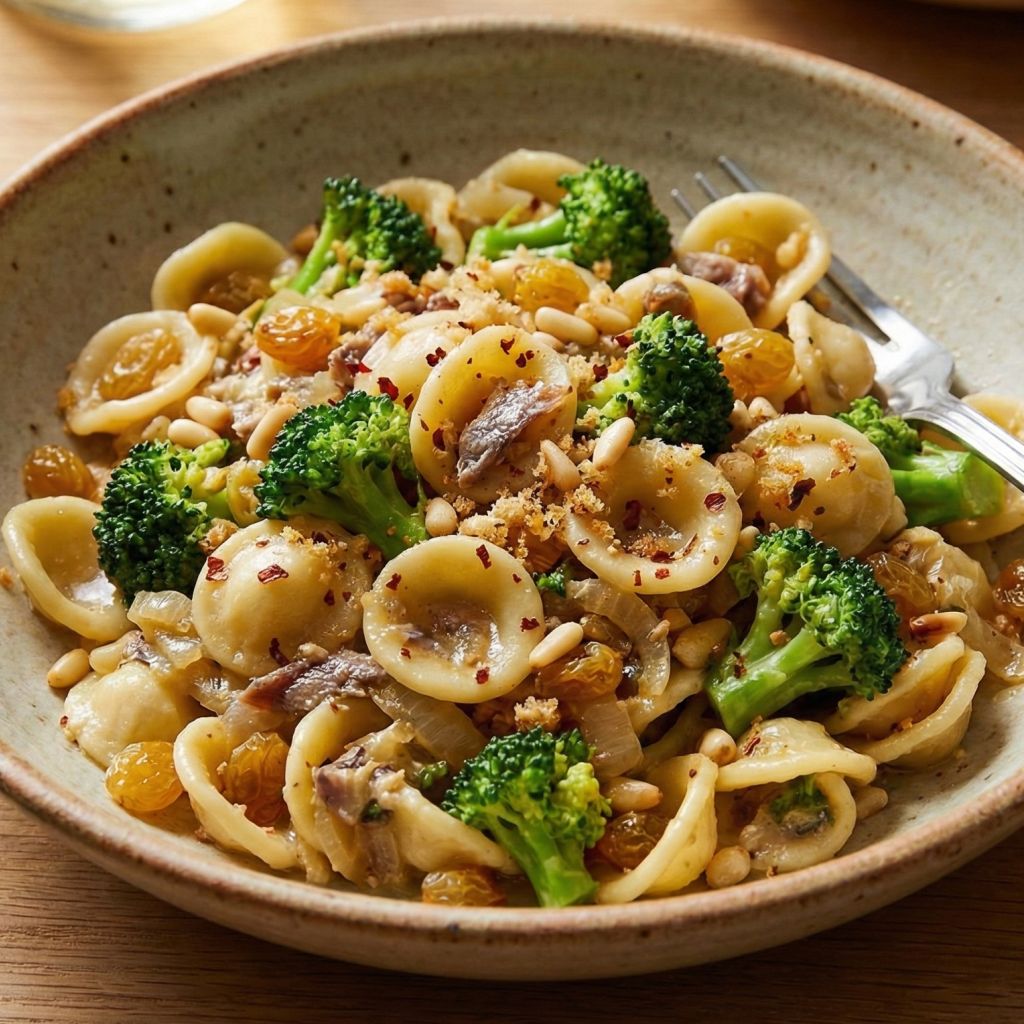
Calabrian-style Pasta and Broccoli (Pasta e Broccoli Arriminati)
This is a cornerstone of the "Cucina Povera" (peasant cuisine) of Reggio Calabria. Unlike modern recipes where vegetables are kept crunchy, the traditional Calabrian method cooks the broccoli until it becomes a rich, savory cream that coats the pasta perfectly. The sweetness of the Broccolo Calabrese contrasts beautifully with the salty kick of anchovies and the heat of the chili.
Ingredients (Hearty Family Serving)
- 700g Short Pasta (Mezze Maniche Rigate or Rigatoni work best to trap the sauce)
- 600g Calabrian Broccoli (The "Ramoso" variety is ideal), cleaned and florets separated
- 100g Provola Cheese (preferably Provola Silana), cubed
- 5 Salted Anchovy Fillets (The "Umami" secret)
- 100g Seasoned Pecorino Cheese (Grated)
- 2 Cloves of Garlic
- 1 Fresh Red Chili Pepper (adjust to taste)
- 1 Bunch of fresh parsley
- Extra Virgin Olive Oil, Salt
Chef's Secret: The "Green Gold" Water
Never, ever throw away the water used to boil the broccoli! It is rich in vitamins, flavor, and vegetable starch. Cooking the pasta directly in this green water infuses the pasta with flavor from the inside out and helps bind the sauce later.
Preparation Steps
- The Boiling: Clean the broccoli. Bring a large pot of salted water to a boil. Add the broccoli florets and cook for about 15-20 minutes. Note: We want the broccoli very tender, almost falling apart. Remove the broccoli with a slotted spoon and set aside, but keep the boiling water in the pot.
- The Base (Soffritto): In a large pan, heat 4-5 tablespoons of olive oil. Add the finely chopped garlic and the anchovy fillets. Cook gently, mashing the anchovies with a wooden spoon until they "melt" and disappear into the oil. This creates a savory base layer.
- The Spice and Veg: Add the chopped chili pepper to the oil. After a minute, add the boiled broccoli. Sauté on medium heat, pressing the broccoli slightly so it absorbs the anchovy oil. Adjust salt (be careful, anchovies are salty!). Let it cook for a few minutes to concentrate the flavors.
- The Pasta: Bring the green broccoli water back to a rolling boil. Drop in the pasta. Cook until al dente (usually 2 minutes less than the package instructions).
- The "Mantecatura" (The Magic Step): Drain the pasta, reserving a cup of the cooking water. Toss the pasta directly into the pan with the broccoli. Add the cubed Provola cheese, the chopped parsley, and a splash of the hot cooking water. Stir vigorously over high heat for 1 minute until the cheese melts and creates a creamy emulsion with the broccoli.
- Serving: Turn off the heat. Sprinkle generously with the grated seasoned Pecorino cheese. Serve immediately.
Pro Tips: Texture and Pairing
1. The "Crunchy Twist" (Muddica Atturrata)
The soft texture of broccoli and melted cheese craves a crunchy element. In Calabria, we often add "Muddica" (toasted breadcrumbs), also known as "poor man's parmesan."
How to do it: Take stale breadcrumbs, toast them in a small pan with a drop of oil and chili powder until dark gold and crispy. Sprinkle on top of the pasta just before serving.
2. The Perfect Wine Pairing
Broccoli can be tricky to pair with wine due to its strong flavor profile. A Cirò Rosato is the best choice. A Rosé from Calabria has enough acidity to cleanse the palate from the anchovies and cheese, but enough fruitiness to complement the sweetness of the broccoli without clashing.
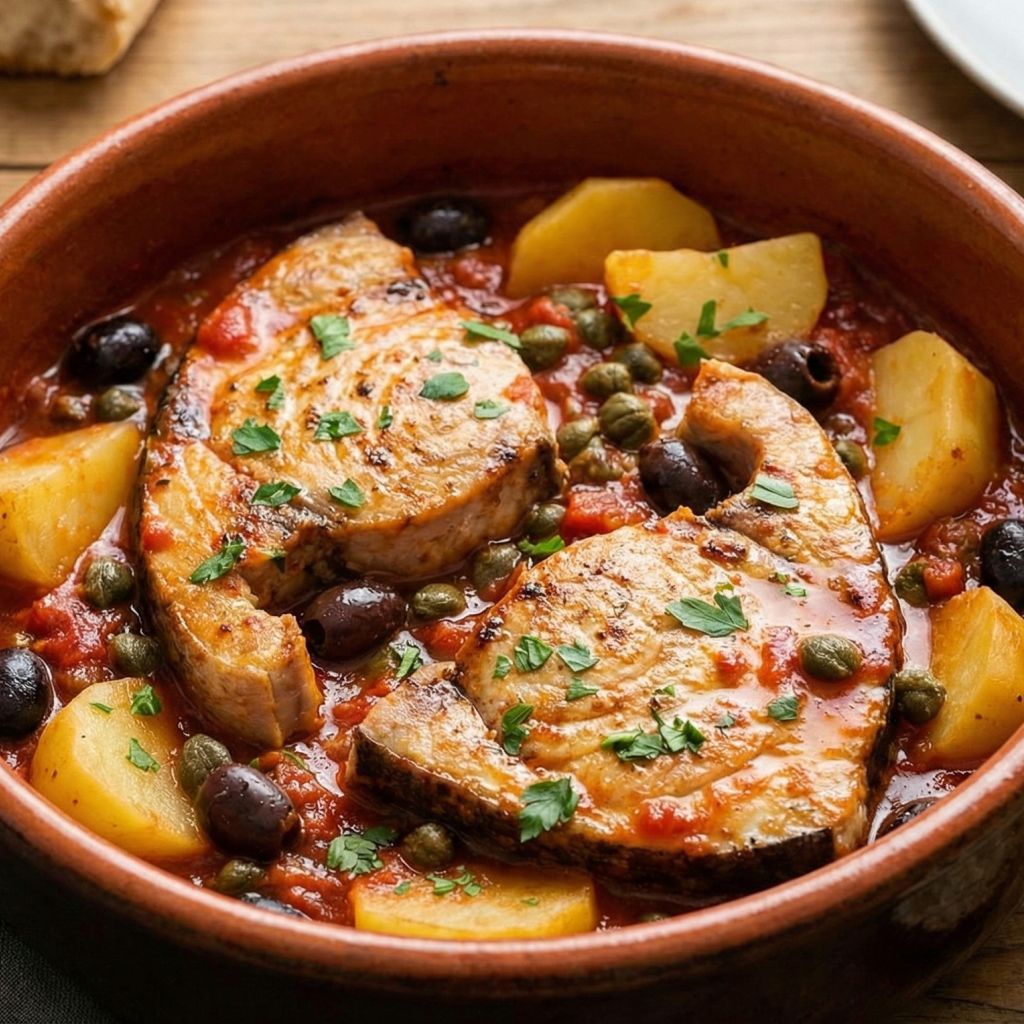
Swordfish "Alla Ghiotta" (Calabrian Style with Potatoes)
In the coastal towns of Calabria, particularly near the Strait of Messina, swordfish is king. This traditional recipe, known locally as "Pesce Spada alla Ghiotta," is a complete one-pot meal where the fish braises gently in a savory tomato sauce enriched with the salinity of capers and olives. The addition of potatoes makes it a hearty main course.
Ingredients
- 1 kg Fresh Swordfish Steaks (about 1.5 cm thick) - Fresh is best, frozen tends to release too much water.
- 3 Medium Potatoes (Yellow-fleshed waxy potatoes hold their shape best)
- 300g Peeled Plum Tomatoes (San Marzano type), chopped by hand
- 50g Black Olives (Gaeta or Kalamata), pitted
- 10g Salted Capers (Rinsed thoroughly to remove excess salt)
- ½ Red Tropea Onion, thinly sliced
- 1 Clove of Garlic, crushed
- 1 Fresh Red Chili Pepper (optional, for heat)
- Fresh Parsley, chopped
- Extra Virgin Olive Oil, Salt
Chef's Secret: Preventing Dry Fish
Swordfish is a lean fish that dries out instantly if overcooked. The secret to keeping it moist is to prepare the sauce first. The fish should only cook in the sauce for the last few minutes. If you cook it along with the tomatoes from the start, it will become tough like leather.
Preparation Steps
- Pre-cooking the Potatoes: Wash the potatoes and boil them whole with their skins on in salted water for about 20-25 minutes.
Test: They should be tender when pierced with a fork but not falling apart. Drain, let them cool slightly, then peel and cut them into chunks or thick slices. - The "Ghiotta" Base: In a large skillet (large enough to fit the fish in a single layer), heat 4 tablespoons of olive oil. Sauté the onion, whole garlic clove, and chili pepper until the onion is golden and sweet (do not burn the garlic).
- Building the Sauce: Remove the garlic clove. Add the chopped tomatoes, the rinsed capers, and the olives. Cook on medium heat for 10 minutes until the sauce thickens and the oil separates slightly.
Note: Taste before adding salt! The capers and olives release salt into the sauce. - The Fish: Gently place the swordfish steaks into the bubbling sauce. Cook for 3 minutes on one side. Flip the steaks carefully using a spatula.
- Marriage of Flavors: Immediately after flipping the fish, add the pre-cooked potato chunks to the pan, arranging them around the fish so they get coated in the sauce. Cover the pan with a lid and cook for another 3-4 minutes.
- Serving: Remove from heat immediately. Sprinkle with a generous amount of fresh chopped parsley. Serve hot, ensuring every plate gets fish, potatoes, and plenty of sauce.
Pro Tips for a Perfect Meal
1. The "Scarpetta" is Mandatory
The sauce created by the swordfish juices and tomatoes is incredibly flavorful. Serve this dish with slices of crusty sourdough bread (Pane Casereccio) to mop up the sauce. In Italy, this ritual is called "fare la scarpetta."
2. Wine Pairing
Pairing wine with tomatoes and fish can be tricky. A Greco di Bianco (a structured local white wine) works beautifully. Alternatively, a light, chilled red wine like a young Gaglioppo creates a fantastic contrast with the rich tomato sauce.
Reggina-style Baked Anchovies (Tortiera di Alici)
This dish is a masterpiece of "Cucina Povera" (poor cuisine). By using inexpensive blue fish and stale bread, the families of Reggio Calabria created a meal that is rich in Omega-3, incredibly tasty, and elegant enough for a Sunday lunch. In local dialect, this layering technique is often referred to as a "Tortiera."
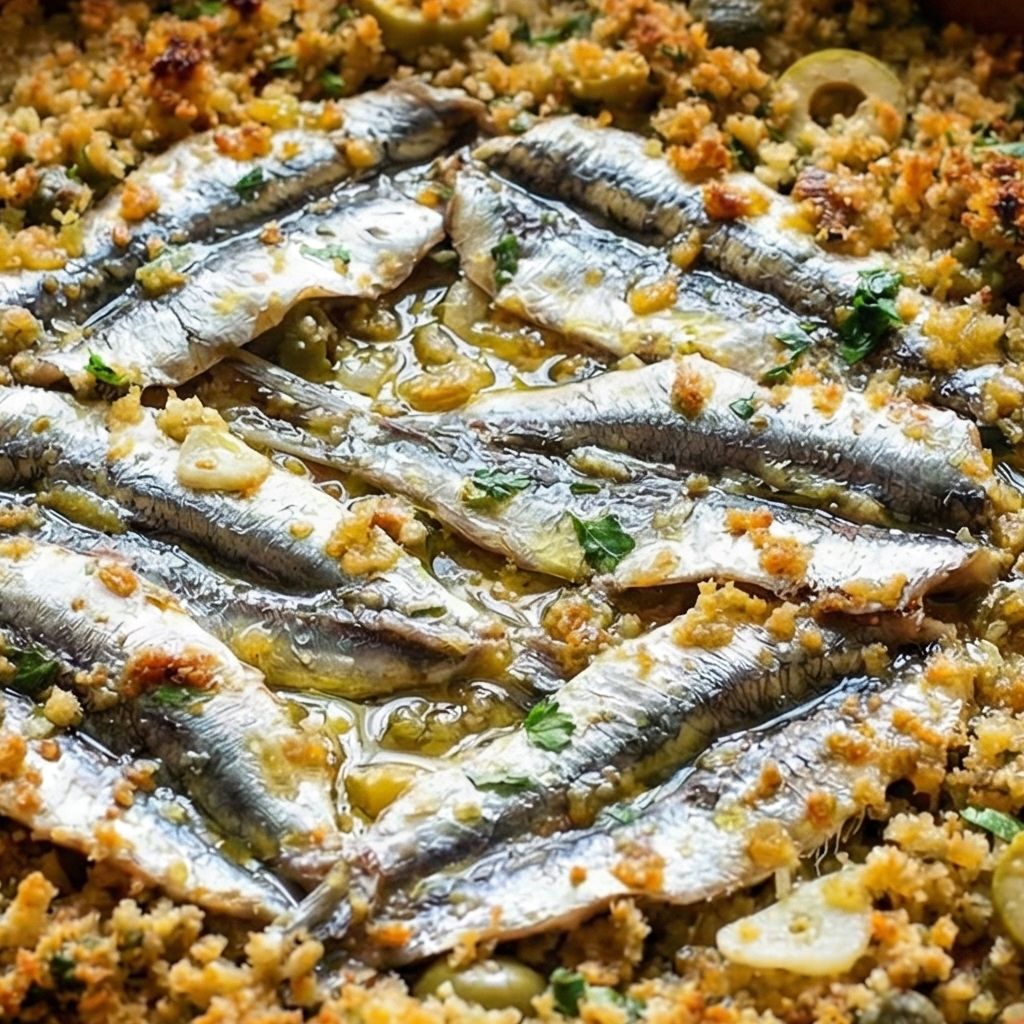
Ingredients
- 1 kg Fresh Anchovies (Must be fresh blue fish, stiff and shiny, not jarred!)
- 80g Stale Bread crumb (The soft part, coarsely grated) - Avoid fine industrial breadcrumbs
- 80g Green Olives, pitted and sliced into rounds
- 25g Capers (preferably salted, rinsed thoroughly)
- 1 Clove of Garlic
- 1 Large bunch of fresh Parsley
- Extra Virgin Olive Oil, Salt, and Black Pepper
Chef's Secret: The "Muddica" (Breadcrumb) Texture
The success of this dish depends on the bread. Do not use the fine, dust-like breadcrumbs sold in boxes. You need "Muddica": take 2-day-old bread, remove the hard crust, and grate the soft inside coarsely with your hands or a large grater. This creates a crispy, airy topping rather than a heavy paste.
Preparation Steps
- Cleaning the Fish: If your fishmonger hasn't done it, remove the head and entrails of the anchovies. Open them like a book (butterfly) and gently remove the central bone. Rinse quickly and pat them dry with paper towels.
- The Aromatic Mix: Finely chop the garlic, capers, and parsley. In a bowl, mix these aromatics with the coarse breadcrumbs and the sliced green olives. This is your stuffing.
- The Vessel: Take a baking dish. Note: Tradition dictates using an earthenware (terracotta) dish because it distributes heat gently, preventing the delicate fish from drying out. Grease the bottom with 2 tablespoons of olive oil.
- The Layering: Place a layer of anchovies flat on the bottom, skin side down, next to each other (no gaps!). Season lightly with salt and pepper. Sprinkle a generous amount of the breadcrumb mixture over the fish. Drizzle with olive oil.
- Repeat: Continue alternating layers of anchovies and the breadcrumb mixture until all ingredients are used. The top layer should be breadcrumbs.
- Baking: Drizzle the top generously with olive oil to ensure browning. Bake in a preheated oven at 180°C (350°F) for about 30 minutes, until the top is golden brown and crispy.
Pro Tips for the Best Experience
1. The "Resting Rule"
Never eat this dish immediately out of the oven! The flavors of the garlic, capers, and fish need time to meld. Let it rest for at least 30 minutes. It is traditionally served warm or even at room temperature, making it a perfect summer dish.
2. Wine Pairing
The saltiness of the capers and the oiliness of the anchovies need a white wine with good acidity and minerality. A Cirò Bianco or a crisp Greco are the perfect companions to cleanse the palate.
And now to the typical desserts.
Calabrian Easter Cudduraci (Traditional Shortcrust Cookies)
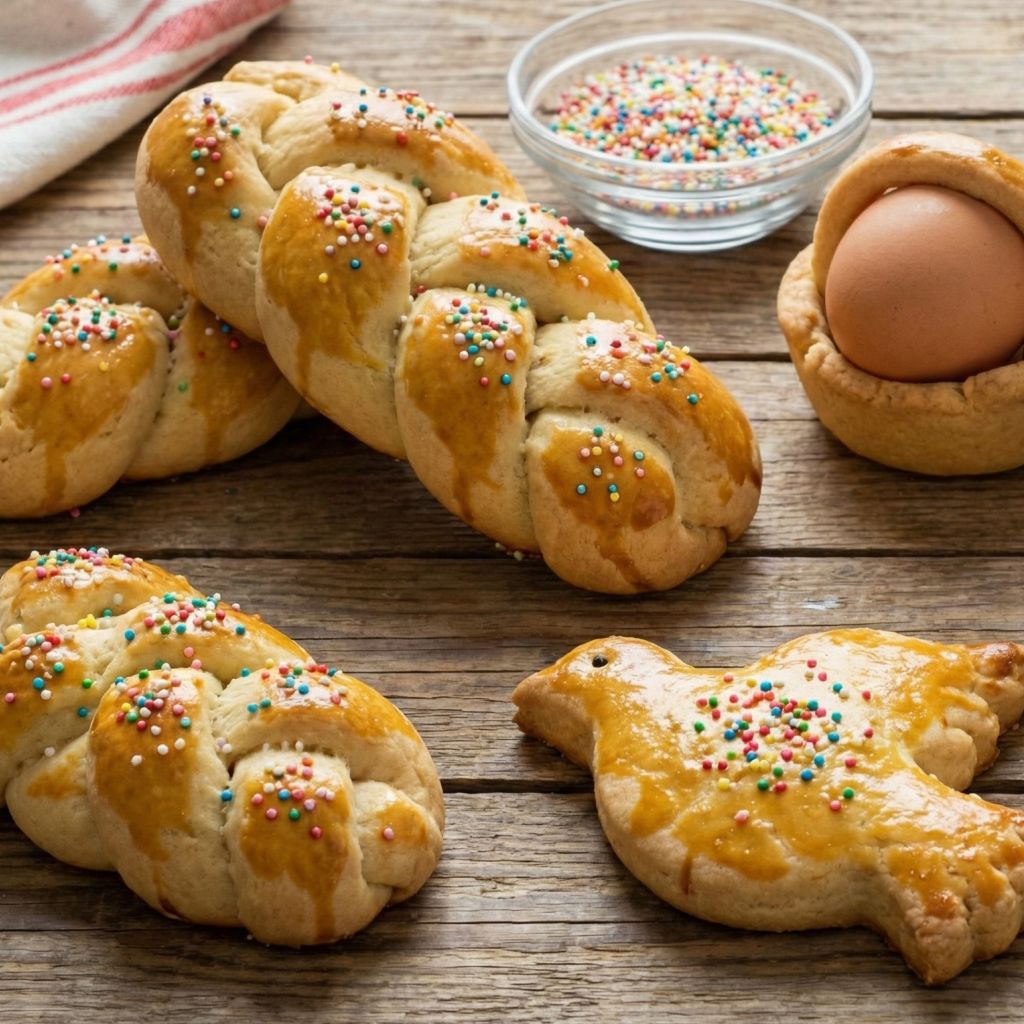
In Reggio Calabria, it isn't Easter without Cudduraci. These are not just cookies; they are a declaration of love and abundance. Traditionally prepared during Holy Week to mark the end of the Lenten fast, they are shaped into symbols: a heart for a fiancé, a dove for peace, or a basket for prosperity.
Ingredients
- 400g Flour (Type 00 or All-Purpose)
- 150g Sugar
- 100g Butter (Softened at room temperature)
- 3 Whole Eggs (Large)
- 50g Aniseed Liqueur (like Sambuca, Anisetta, or Mistrà) - This gives the signature scent
- 1 sachet (16g) Baking Powder
- 1 Organic Lemon (Zest only)
- Milk (for brushing)
- Colored Sprinkles (known locally as "Diavulicchi")
Cultural Insight: The Hard-Boiled Egg Tradition
While the basic cookie is delicious on its own, the most ancient version of the Cudduraci involves placing a raw or hard-boiled egg (still in its shell) into the center of the dough shape, trapping it with two strips of pastry forming a cross. The egg represents life and rebirth.
Preparation Steps
- The Dough Base: Sift the flour and baking powder into a large bowl or onto a wooden board (fontana). Create a well in the center.
- Mixing: Add the eggs, sugar, softened butter (cut into chunks), anise liqueur, and grated lemon zest into the center.
- Kneading: Start mixing the center ingredients with a fork, gradually incorporating the flour from the sides. Once crumbly, use your hands to knead.
Chef's Tip: Work quickly! You want a smooth, compact ball, but if you overwork it, the butter will melt too much and the dough will become tough. - Resting: Wrap the dough ball in plastic wrap. Refrigerate for at least 30 minutes. This allows the gluten to relax and the butter to firm up, making shaping much easier.
- Shaping (The Fun Part): Roll out the dough or create "snakes" to form shapes. Classic shapes include:
- The Braid: Simple and elegant.
- The Dove (Colomba): For peace.
- The Basket (Paniere): Often holding an egg.
- Decoration: Brush the surface of the cookies with milk (or a beaten egg for extra shine). Cover generously with colored sprinkles.
- Baking: Bake in a preheated oven at 180°C (350°F) for 15 to 20 minutes.
Check: They are ready when they turn a light golden color. Do not let them get too brown, or they will lose their softness.
Pro Tip: Storage
Cudduraci are famous for their shelf life. Once completely cooled, store them in a tin box or an airtight container. They remain fragrant and soft for weeks, making them the perfect gift for neighbors and relatives during the holidays.
Calabrian Honey Pignolata (Cicirata)
While often confused with the Sicilian version (which is glazed with lemon and chocolate fondant), the traditional Calabrian Pignolata is strictly honey-based. It is a festive dessert, typical of Christmas and Carnival. Its name comes from "Pigna" (Pinecone), referring to the shape the fried balls form when piled up on the serving platter.

Ingredients
- 350g Wheat Flour
- 4 Whole Eggs
- 30g Butter (softened)
- 30g Sugar
- 200g High-quality Honey (Wildflower or Orange Blossom)
- 1 Organic Lemon (Zest only)
- Pinch of Salt
- For Frying: 500ml Seed Oil (Peanut or Sunflower)
- Garnish: Colored sprinkles (Diavulicchi)
Chef's Secret: The "Glaze" Technique
The biggest mistake people make is pouring cold honey over the fried balls. It makes them sticky and messy. The secret is to warm the honey in a large pot until it liquefies completely, then toss the fried dough inside. As the honey cools, it acts as a delicious glue, keeping the structure together.
Preparation Steps
- The Dough: In a large bowl, break the eggs and whisk them lightly with a pinch of salt, sugar, and the grated lemon zest. Add the softened butter flakes. Gradually add the flour while mixing with a wooden spoon.
- Kneading: Once the flour is absorbed, transfer the dough to a work surface. Knead with your hands until you get a smooth, firm, and compact ball.
Resting: Wrap in cling film and refrigerate for at least 1 hour. This prevents the dough from shrinking when you cut it. - Shaping: Cut the dough into slices. Roll each slice into thin "snakes" (about 1 cm thick). Cut these snakes into small nuggets (like small gnocchi/chickpeas).
Tip: Roll the nuggets between your palms to make them round. - Frying: Heat the oil in a deep pan. Fry the balls in batches. They are ready when they float and turn a deep golden brown (about 3-4 minutes). Drain on absorbent paper to remove excess oil.
- The Honey Bath: In a large pot (big enough to hold all the fried balls), pour the honey and heat it on low flame until it becomes very liquid and starts to foam slightly.
- Assembly: Pour the fried balls into the pot with the hot honey. Stir gently but thoroughly so every single piece is coated.
- Plating: Pour the mixture onto a serving plate. Wet your hands with a little water (to prevent sticking) and shape the pile into a mound or a ring. Sprinkle immediately with the colored sugars while the honey is still sticky.
Serving Suggestion
Let the Pignolata cool completely before serving. The honey needs to set. This dessert pairs wonderfully with a glass of sweet dessert wine, such as a Passito di Pantelleria or a local Greco di Bianco.
Stuffed Eggplants (Melangiani Chini)
No Calabrian summer is complete without a tray of "Melangiani Chini." These aren't your typical stuffed vegetables; they are a labor of love. Small, tender eggplants are hollowed out, and their pulp is transformed into a rich savory filling with breadcrumbs and cheese. They are traditionally eaten warm or even cold the next day, making them the ultimate beach picnic food.
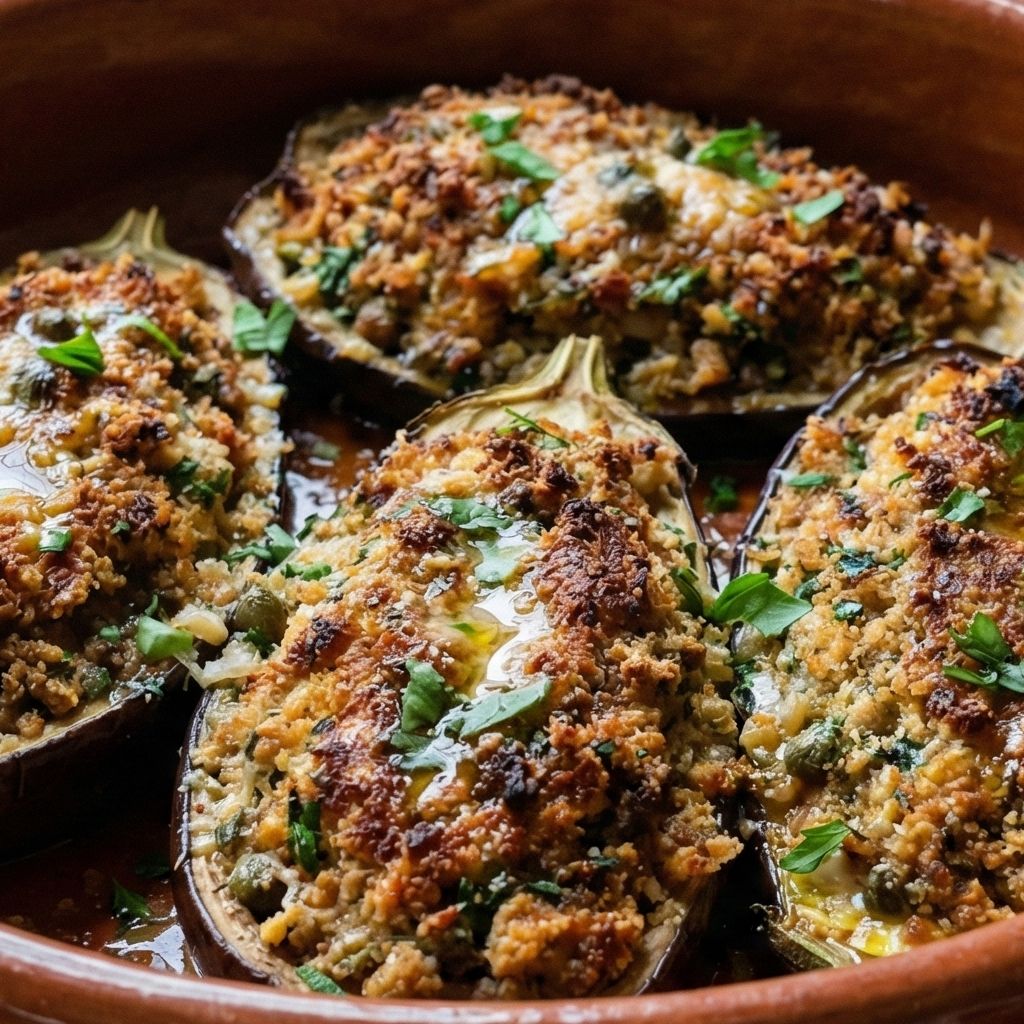
Ingredients
- 6 Small/Medium Eggplants (The violet, oblong variety is best)
- 150g Stale Bread crumb (Internal soft part)
- 2 Eggs
- 100g Pecorino Calabrese or Crotone Cheese (Grated) - Must be sharp!
- 1 Clove of Garlic
- 1 Bunch of Parsley
- 2 tbsp Capers (rinsed)
- Extra Virgin Olive Oil (for frying and baking)
- Salt and Pepper
- Optional: A few pieces of tomato fillet on top for color.
Chef's Secret: The "Double Cook" Technique
Amateurs often put the raw pulp directly into the stuffing mix, resulting in a watery filling. The Calabrian "Nonna" rule is strictly to fry or sauté the scooped-out pulp first. This concentrates the flavor and ensures the filling remains firm and tasty, not mushy.
Preparation Steps
- The Shells: Wash the eggplants and cut them in half lengthwise. Blanch them in boiling salted water for about 5-8 minutes until slightly softened but still firm. Drain and let them cool upside down.
- The Pulp: Carefully scoop out the center pulp with a spoon, leaving a "boat" shell of about 1 cm thickness. Chop the extracted pulp finely.
- The "Secret" Step: Heat a little oil in a pan and sauté the chopped pulp with a crushed garlic clove for 5 minutes until golden. Remove the garlic and let the pulp cool.
- The Stuffing: In a bowl, mix the sautéed pulp, the stale breadcrumbs (softened with a little water or milk if too dry, then squeezed), the beaten eggs, the grated Pecorino, chopped parsley, and capers. Mix until you have a compact dough-like consistency. Season with pepper (the cheese is already salty, so be careful with salt).
- Filling: Fill the eggplant shells generously with the mixture. The filling can mound up slightly. Top each one with a drizzle of olive oil or a small piece of tomato.
- Baking: Place them in an oiled baking dish. Bake at 180°C (350°F) for about 30-40 minutes until the top forms a dark, delicious crust.
Serving Suggestion
While delicious straight from the oven, Melangiani Chini are arguably better after resting for a few hours. Serve them as an appetizer or a vegetarian main course alongside a fresh tomato salad.
Pipi e Patate (Fried Peppers and Potatoes)
If there is one dish that creates instant nostalgia for any Calabrian living abroad, it is "Pipi e Patate." More than just a side dish, it is a cult classic. Traditionally eaten by farmers as a hearty lunch stuffed into a loaf of crusty bread, this dish relies on the magical alchemy between the starch of the Sila potatoes and the sweetness of the peppers frying together in olive oil.
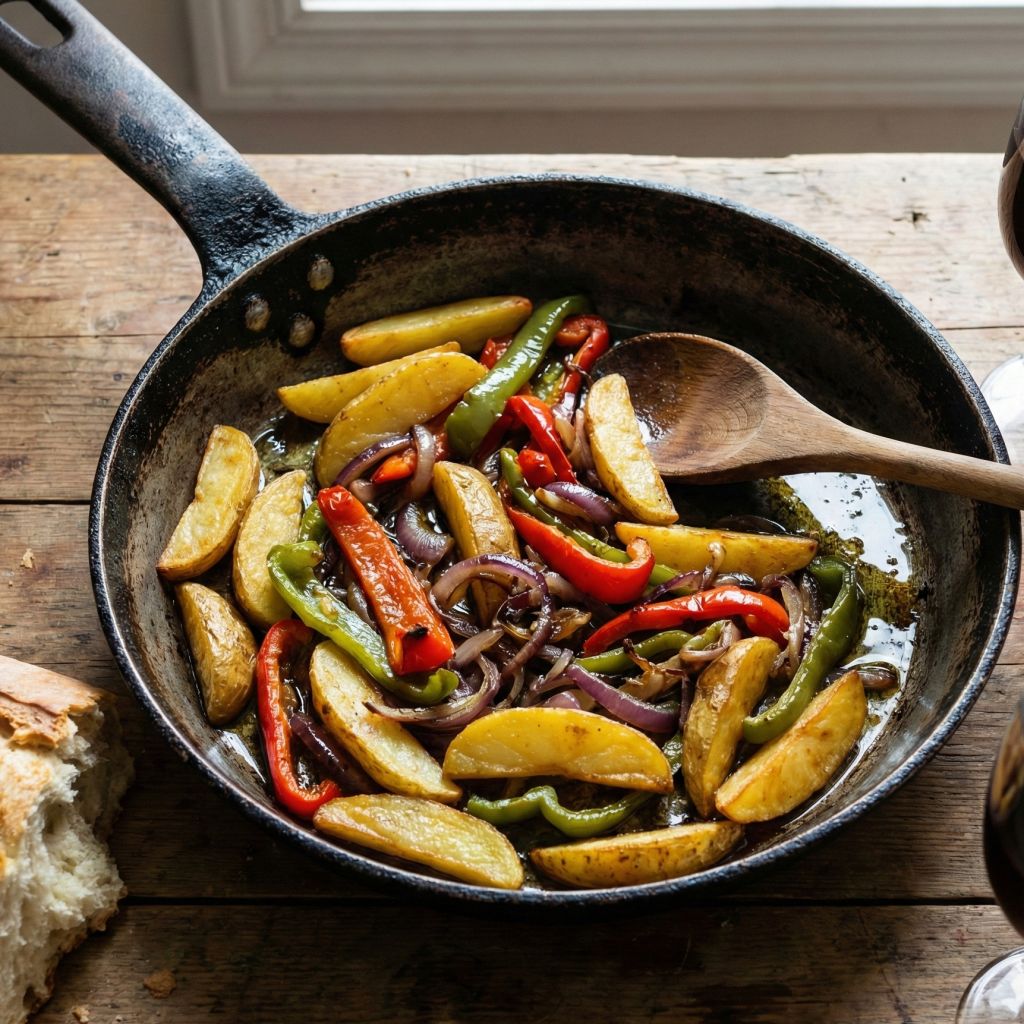
Ingredients
- 4 Large Potatoes (Yellow flesh, suitable for frying)
- 4 Bell Peppers (Mixed colors: Red for sweetness, Green for a bitter note)
- 1 Red Onion (Tropea variety is best)
- Extra Virgin Olive Oil (You need a generous amount, don't be shy!)
- Salt to taste
Chef's Secret: The "No-Stir" Rule
The biggest mistake beginners make is stirring the pan constantly like a risotto. This turns the potatoes into a mushy mash. The secret is to let them form a crust. Stir only occasionally and gently, using a flipping motion rather than a mixing one.
Preparation Steps
- The Cut: Peel the potatoes and cut them into wedges (not too thin like French fries, not too thick like roast potatoes). Wash the peppers, remove the seeds, and cut them into strips of similar size to the potatoes. Slice the onion thickly.
- The Pan: Use a large, wide frying pan (iron or non-stick). Pour enough olive oil to cover the bottom generously. Heat the oil.
- The Order: Add the potatoes first. Fry them on medium-high heat for about 10 minutes until they start to get a golden crust.
- The Union: Add the peppers and the onion to the pan with the potatoes. This is the moment to add salt. The salt helps release moisture, allowing the vegetables to cook through.
- The Slow Fry: Lower the heat to medium. Cook for another 20-25 minutes.
Technique: Resist the urge to stir constantly. Let the bottom layer caramelize, then flip gently. - Finish: The dish is ready when the potatoes are crispy on the outside but soft inside, and the peppers have slightly "withered" and blistered skin. Drain excess oil if necessary (though locals usually dip bread in it!).
Pro Tip: The "Marenna" Experience
While excellent hot, Pipi e Patate achieves its peak flavor when eaten at room temperature or even cold the next day. For the authentic Calabrian experience, serve it inside a hollowed-out piece of hard-crust bread (Semolina bread) for the ultimate sandwich.
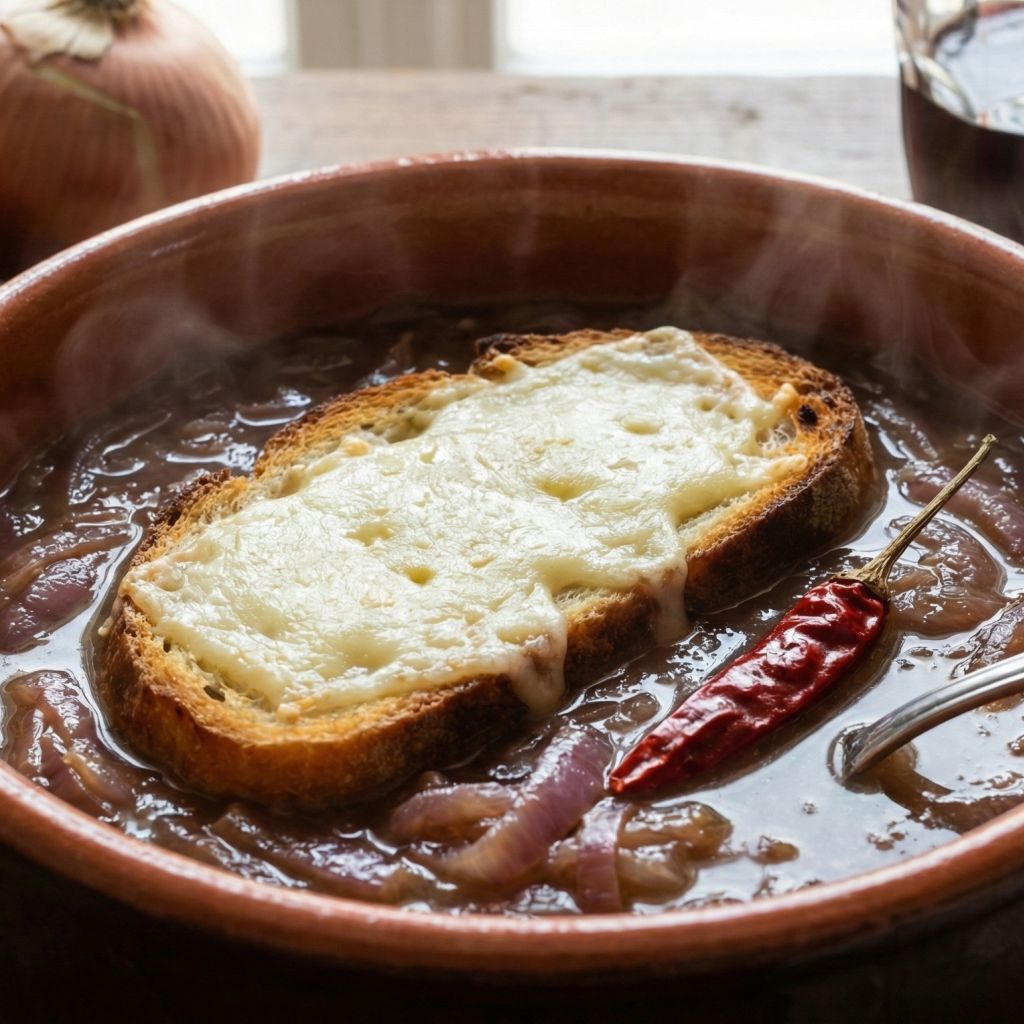
Licurdia (Tropea Red Onion Soup)
In the original introduction, we promised you the flavor of the famous "Cipolla Rossa di Tropea" (Red Onion of Tropea), and here it is. Licurdia is a rustic, warming soup that predates the famous French onion soup. It is sweet, spicy, and incredibly creamy, thickened not by flour, but by the slow disintegration of the onions and stale bread.
Ingredients
- 1 kg Red Onions of Tropea (They must be the sweet red variety)
- 4 Slices of Stale Bread (preferably sourdough/crusty bread)
- 1 Fresh Red Chili Pepper (The "Diavolicchio")
- 100g Caciocavallo Silano Cheese (Grated or cubed)
- 1 tbsp Lard (Traditional) or Extra Virgin Olive Oil
- 1 liter Water or Vegetable Broth
- Salt to taste
Chef's Secret: Water vs. Stock
Unlike other soups, purists make Licurdia with water, not chicken or beef stock. Why? Because the Red Tropea Onion is so sweet and aromatic that using a heavy stock would mask its delicate flavor profile. The onion must be the absolute star.
Preparation Steps
- The Cut: Peel the onions and slice them thinly. Do not chop them; slice them into "half-moons."
- The "Stufatura": In a terracotta pot or heavy pan, heat the lard (or oil) with the whole chili pepper. Add the onions and a pinch of salt. Cover and cook on very low heat for at least 20-30 minutes.
Crucial: The onions should not fry or burn; they must sweat and become translucent and soft, almost like a marmalade. - The Broth: Once the onions are soft, remove the chili pepper (if you don't want it too spicy). Add the water. Bring to a boil, then reduce heat and simmer for another 15 minutes.
- The Bread: While the soup simmers, toast the slices of stale bread lightly. Place one slice at the bottom of each serving bowl.
- The Finish: Place the cubed Caciocavallo cheese on top of the bread in the bowls. Ladle the boiling hot onion soup directly over the cheese and bread.
- Resting: Wait 2 minutes before serving. The heat of the soup will melt the cheese and soften the bread, creating a creamy, dense consistency.
Pro Tip: The "Calabrian Breakfast"
Believe it or not, in the past, farmers would eat a version of Licurdia for breakfast to gain energy for a day in the fields. Today, it is the perfect light dinner for a cold winter evening.
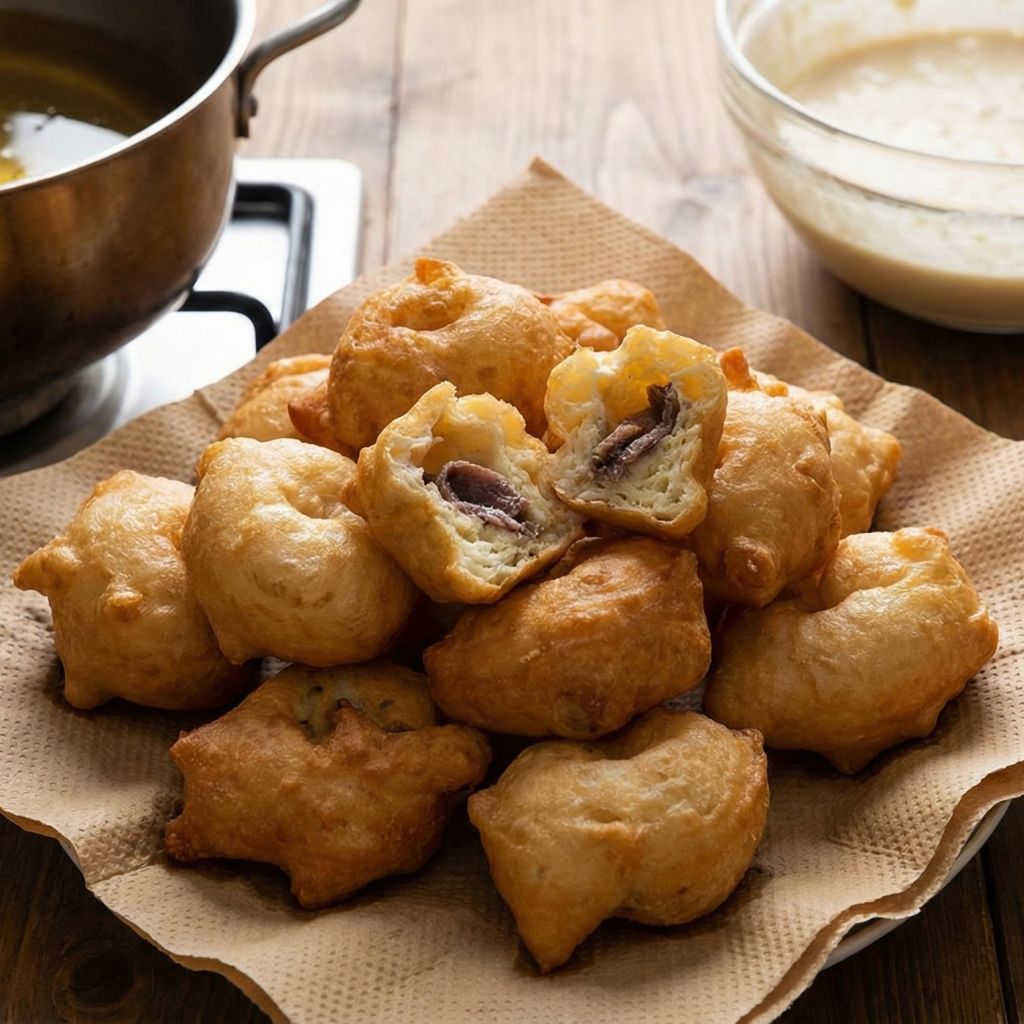
Crispelle Calabresi (Savory Fried Dough with Anchovies)
In Calabria, a celebration isn't a celebration without Crispelle (also known as Zeppole in some areas). These are fluffy, golden clouds of fried dough, traditionally prepared on Christmas Eve or New Year's Eve. While they can be rolled in sugar for a sweet treat, the true authentic version is savory, hiding a salty anchovy fillet inside.
Ingredients
- 500g All-Purpose Flour (Type 00)
- 400ml Warm Water (Approximate - hydration is key)
- 12g Fresh Brewer's Yeast (or 4g dry yeast)
- 1 tsp Salt
- 1 tsp Sugar (to activate yeast)
- 1 jar Salted Anchovy Fillets in oil
- 1 liter Peanut or Sunflower Oil for deep frying
Chef's Secret: The "Wet Hand" Technique
The dough for Crispelle is very different from bread or pizza dough. It is extremely hydrated and sticky (almost a batter). Do not add more flour! To handle it, you must keep a bowl of water next to the stove. Dip your fingers in the water before grabbing the dough to prevent it from sticking to your skin.
Preparation Steps
- The Yeast: Dissolve the yeast and sugar in half of the warm water. Let it sit for 5 minutes until frothy.
- The Batter: Put the flour in a large bowl. Pour in the yeast mixture and start mixing with your hand or a spoon. Gradually add the salt and the rest of the water.
- The Slap Method: You must incorporate air. Beat the dough vigorously with your hand, slapping it against the side of the bowl for about 5-10 minutes. The texture should be sticky, elastic, and soft.
- The Rise: Cover the bowl with plastic wrap and a blanket. Let it rise in a warm place for 2 to 3 hours until it triples in volume and is covered in bubbles.
- Frying: Heat the oil in a deep pot to 170°C (340°F).
The Move: Wet your hands. Grab a small piece of dough (walnut size), press an anchovy fillet into the center, fold the dough over to close it, and drop it immediately into the hot oil. - Golden Perfection: Fry until puffy and golden brown, turning them occasionally. Drain on paper towels and serve piping hot.
Variation: The "Sweet Version"
If you prefer a dessert, simply omit the anchovy. Fry the plain dough balls, and as soon as you take them out of the oil, roll them in granulated sugar mixed with a little cinnamon.
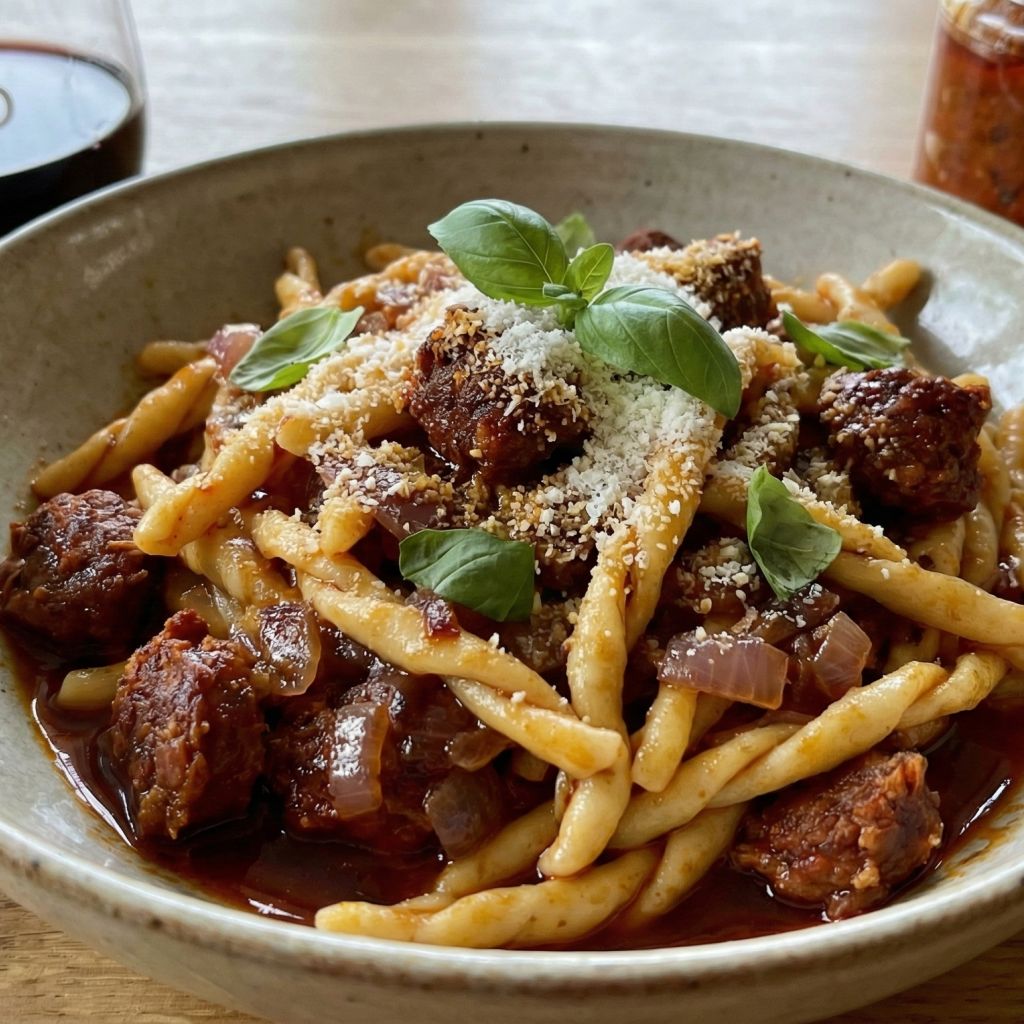
Fileja alla 'Nduja (Spicy Calabrian Pasta)
We promised you 'Nduja, and here it is. While 'Nduja is famous worldwide as a spread on bruschetta, its true calling is in a pasta sauce. This dish combines Fileja (a traditional screw-shaped fresh pasta from the Vibo Valentia area) with the fiery, melting pork spread of Spilinga. It is the definition of "Umami" with a spicy kick.
Ingredients
- 500g Fileja Pasta (Fresh or dried) - Alternatively, use Fusilli or Macaroni
- 100g 'Nduja di Spilinga (Remove the casing)
- 400g Tomato Passata (Puree)
- 1 Red Onion (Small, chopped)
- 50g Pecorino del Monte Poro (Grated)
- Extra Virgin Olive Oil
- Fresh Basil
Chef's Secret: Melting, not Burning
'Nduja is high in fat and chili. If you fry it directly in hot oil for too long, the chili burns and becomes bitter. The trick is to sweat the onion first, then add the 'Nduja and immediately add a ladle of hot pasta water or the tomato sauce. This allows the 'Nduja to "melt" into a cream without burning.
Preparation Steps
- The Base: In a skillet, heat a generous splash of olive oil. Add the chopped red onion and sauté gently until soft and translucent (do not brown it too much).
- The 'Nduja: Add the 'Nduja (pulled into small chunks) to the pan. Use a wooden spoon to break it down. As soon as it starts to sizzle and release its red oil, pour in the tomato passata.
- The Simmer: Stir well. The sauce will turn a vibrant, dark orange-red color. Lower the heat and let it simmer for 10-15 minutes until slightly thickened. Tear in some fresh basil leaves.
- The Pasta: Boil the Fileja in salted water. Fresh Fileja cooks fast (3-5 minutes).
- The Finish: Drain the pasta, reserving a cup of starchy cooking water. Toss the pasta directly into the skillet with the spicy sauce. If it's too dry, add a splash of the pasta water. Stir on high heat for 1 minute to coat every spiral.
- Serving: Serve immediately with a generous dusting of grated Pecorino cheese to balance the heat.
Wine Pairing
This dish is fiery. You need a bold red wine with soft tannins to handle the spice. A Cirò Rosso Superiore or a Gaglioppo is robust enough to stand up to the 'Nduja without increasing the burning sensation.
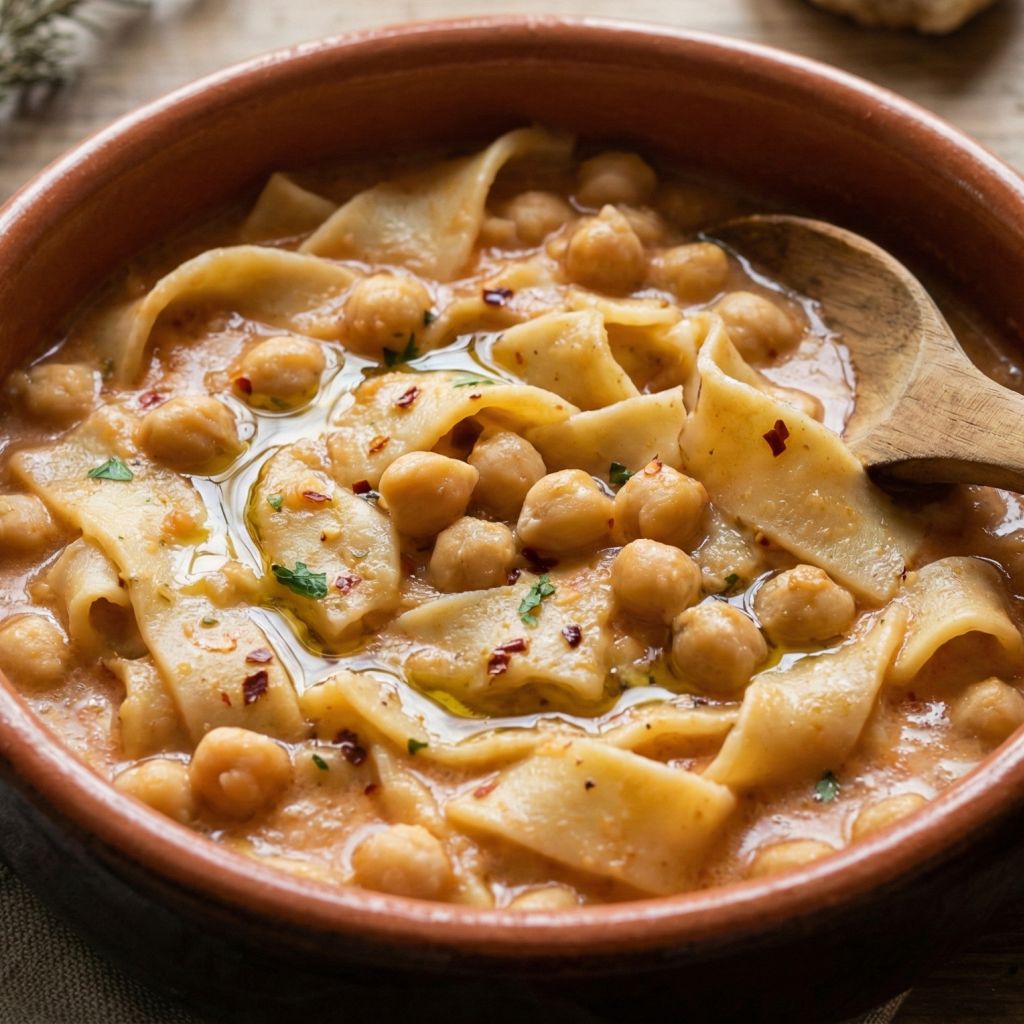
Lagane e Ceci (Spicy Chickpea Pasta)
Moving north to the mountains of Cosenza and the Sila plateau, we find a dish with ancient Roman roots. Lagane are wide, rustic ribbons of eggless pasta (similar to tagliatelle but shorter and thicker) paired with slow-cooked chickpeas. It is the ultimate comfort food: creamy, spicy, and historically known as the "food of the philosophers" because it was praised by the Roman poet Horace.
Ingredients
- 300g Dried Chickpeas (Soaked overnight)
- 300g Durum Wheat Semolina Flour
- 150ml Water (for the dough)
- 2 Cloves of Garlic
- 1 Sprig of Rosemary
- 2 Dried Red Chili Peppers (Peperoncino)
- Extra Virgin Olive Oil
- Salt and a pinch of Baking Soda (for soaking chickpeas)
Chef's Secret: The "Creamy" Broth
The mistake many make is cooking the pasta separately and tossing it with drained chickpeas. No! The Lagane must cook directly inside the chickpea soup (or at least finish cooking there). The flour released by the fresh pasta binds with the chickpea broth, creating a naturally dense, velvety cream without adding any cream or butter.
Preparation Steps
- The Chickpeas: Rinse the soaked chickpeas and boil them in a large pot of water with the rosemary and a crushed clove of garlic. Cook until tender (about 1.5 - 2 hours). Do not drain! Keep them in their cooking liquid.
- The Pasta (Lagane): Mix the semolina flour and water with a pinch of salt to form a firm dough. Knead for 10 minutes until smooth. Roll it out with a rolling pin to about 2mm thickness.
The Cut: Cut into wide strips (about 2-3 cm wide) and short lengths (4-5 cm). They should look like uneven, rustic ribbons. - The "Soffritto": In a small pan, fry the second garlic clove and the crushed chili peppers in generous olive oil.
- The Marriage: Remove the rosemary from the chickpea pot. Bring the chickpea soup to a rolling boil. Drop the fresh Lagane pasta directly into the pot.
- Cooking: Cook for about 3-5 minutes. The pasta will absorb some liquid and release starch.
- Finishing Touch: Just before turning off the heat, pour in the hot spicy oil (soffritto). Stir vigorously. Let it rest for 5 minutes before serving to allow the sauce to thicken further.
Historical Fact
This dish is traditionally prepared on St. Joseph's Day (March 19th) in the Cosenza area, but it is loved year-round as a hearty, healthy meal that represents the resilience of Calabrian mountain cuisine.
Morzello (U Morzeddhu alla Catanzarese)
We have to stop in the regional capital, Catanzaro. Here, the undisputed king of the table is "U Morzeddhu." It is a fiery, slow-cooked stew made from veal tripe and offal. Legend says it was invented by a poor widow who cleaned the slaughterhouse courtyard and used the discarded meat cuts to create a masterpiece. It is traditionally eaten not with a fork, but scooped up with a specific local bread called "Pitta."
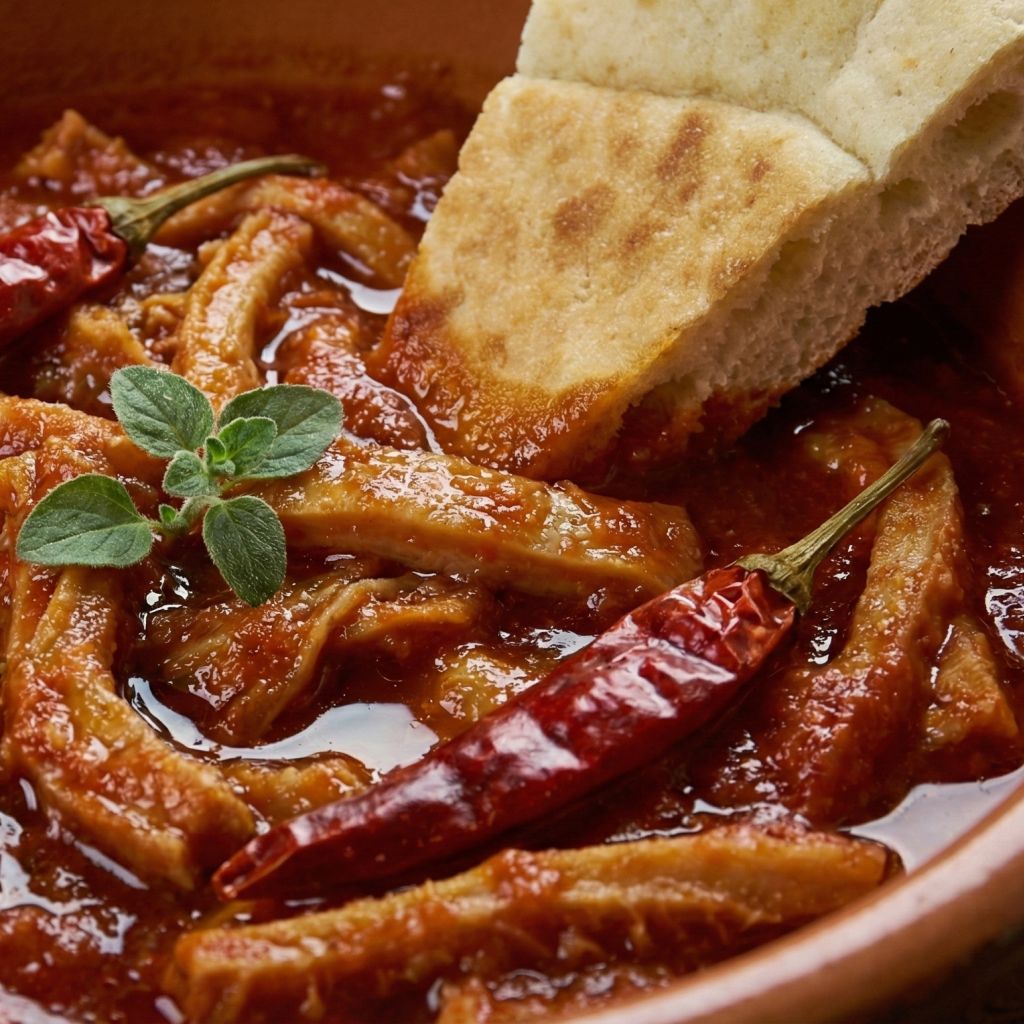
Ingredients
- 1 kg Veal Tripe (Cleaned and mixed cuts: honeycomb, rumen, etc.)
- 200g Veal Lights/Lungs (Optional, but traditional)
- 500g Tomato Concentrate (Paste) - Morzello uses paste, not puree!
- 2 liters Water
- 3-4 Hot Red Chili Peppers (Diavolicchi)
- 1 Bunch of Origanum (Oregano) - Ideally wild Calabrian oregano
- 2 Bay Leaves
- 1 Wheel of "Pitta" bread (or a crusty sourdough loaf)
- Olive Oil, Salt
Chef's Secret: The "Illustrious" Sauce
The true Morzello sauce is dense and dark. Unlike other ragus, it uses tomato concentrate diluted with water, not fresh tomatoes. This creates a distinct, earthy flavor that clings to the tripe. The tripe must be cut into small strips (hence the name "Morzello," from "morzha" meaning small bites).
Preparation Steps
- The Cleaning (Crucial): Even if bought cleaned, wash the tripe thoroughly with warm water, salt, and lemon juice. Boil it in salted water with a bay leaf for about 30-45 minutes to tenderize it. Drain and let cool.
- The Cut: Cut the boiled tripe into strips about 1 cm wide and 4-5 cm long.
- The Base: In a large pot (preferably terracotta or tinned copper), heat the oil and fry the whole chili peppers. Add the tripe strips and sauté for a few minutes to seal them.
- The Sauce: Dissolve the tomato concentrate in the warm water and pour it over the tripe. It should cover the meat completely. Add the bay leaves and the bunch of oregano (tied together so you can remove the stems later).
- The Long Stew: Cover and cook on the lowest possible flame for at least 2 to 3 hours. The sauce must reduce significantly until the oil surfaces and separates from the tomato.
- The Resting: Remove the oregano bunch. Let the stew settle for 30 minutes before serving.
How to eat it like a Local
In Catanzaro, this is technically a sandwich. Take a wedge of "Pitta" bread, slice it open horizontally like a pocket, and fill it with the Morzello. The bread must be drenched in the spicy sauce. The local saying is that if the sauce doesn't drip down your chin and stain your shirt, it's not a real Morzello.
Rigatoni alla Silana (Calabrian Mountain Pasta)
While the coast offers seafood, the heart of Calabria—the Sila National Park—offers the scents of ancient pine forests. This dish captures the essence of the mountains: the earthiness of Porcini mushrooms, the richness of fresh pork sausage, and the stretch of melted Caciocavallo cheese. It is a robust, comforting meal perfect for cold days.
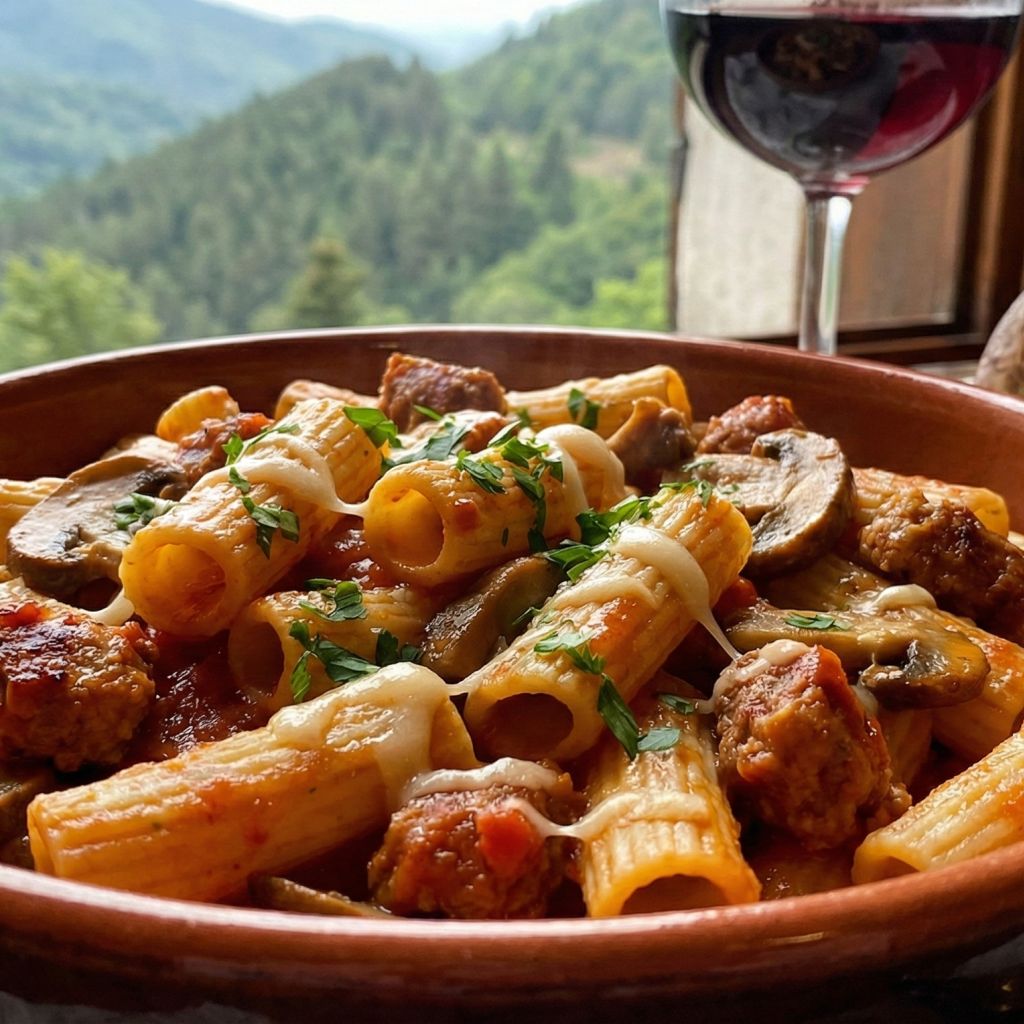
Ingredients
- 500g Rigatoni (Short pasta holds the chunky sauce best)
- 300g Fresh Porcini Mushrooms (or 40g Dried Porcini soaked in warm water)
- 300g Fresh Calabrian Sausage (with fennel seeds, casing removed)
- 400g Peeled Tomatoes (San Marzano)
- 150g Caciocavallo Silano DOP (Cubed or grated)
- 1 Onion (White or golden)
- 1 Clove of Garlic
- 1/2 cup White Wine
- Extra Virgin Olive Oil, Chili Pepper, Parsley
Chef's Secret: The "Liquid Gold"
If you use dried porcini, never discard the soaking water! Filter it through a fine cloth or paper towel to remove any grit, and add this dark, aromatic liquid to the tomato sauce. It injects a massive boost of umami flavor that fresh mushrooms alone cannot provide.
Preparation Steps
- The Mushrooms: Clean fresh porcini with a damp cloth (do not wash them!) and slice them. If using dried, soak them for 30 minutes and squeeze dry.
- The Base: In a large skillet, heat the olive oil with the crushed garlic and chopped onion. Sauté until the onion is soft.
- The Sausage: Crumble the fresh sausage into the pan (discard the skin). Fry on high heat until browned and crispy. Deglaze with the white wine and let the alcohol evaporate.
- The Sauce: Add the mushrooms and cook for 5 minutes. Then, add the crushed peeled tomatoes (and the filtered mushroom water if using dried). Add the chili pepper. Lower the heat and simmer for 20 minutes until thick.
- The Pasta: Boil the Rigatoni in salted water until al dente.
- The "Mantecatura": Drain the pasta and toss it directly into the sauce. Turn off the heat.
- The Cheese Finish: Add the cubed Caciocavallo Silano and fresh parsley. Stir vigorously for 30 seconds. The heat of the pasta will melt the cheese, creating a stringy, creamy delight. Serve immediately.
Wine Pairing
This mountain dish requires a mountain wine. A Savuto DOC or a Magliocco (red wines cultivated in the steep inland valleys) have the earthy notes and tannins to cleanse the palate from the sausage fat.
Stoccafisso alla Mammolese (Aspromonte Stockfish Stew)
In the rugged Aspromonte mountains, specifically in the medieval village of Mammola, there exists a culinary paradox: the most famous dish is made of fish, not meat. For centuries, stockfish (dried cod imported from Norway) was carried up here on mules. The pure, mineral-rich mountain water of Mammola is used to soak the fish ("spugnatura"), giving it a unique white, fluffy texture that cannot be replicated elsewhere.
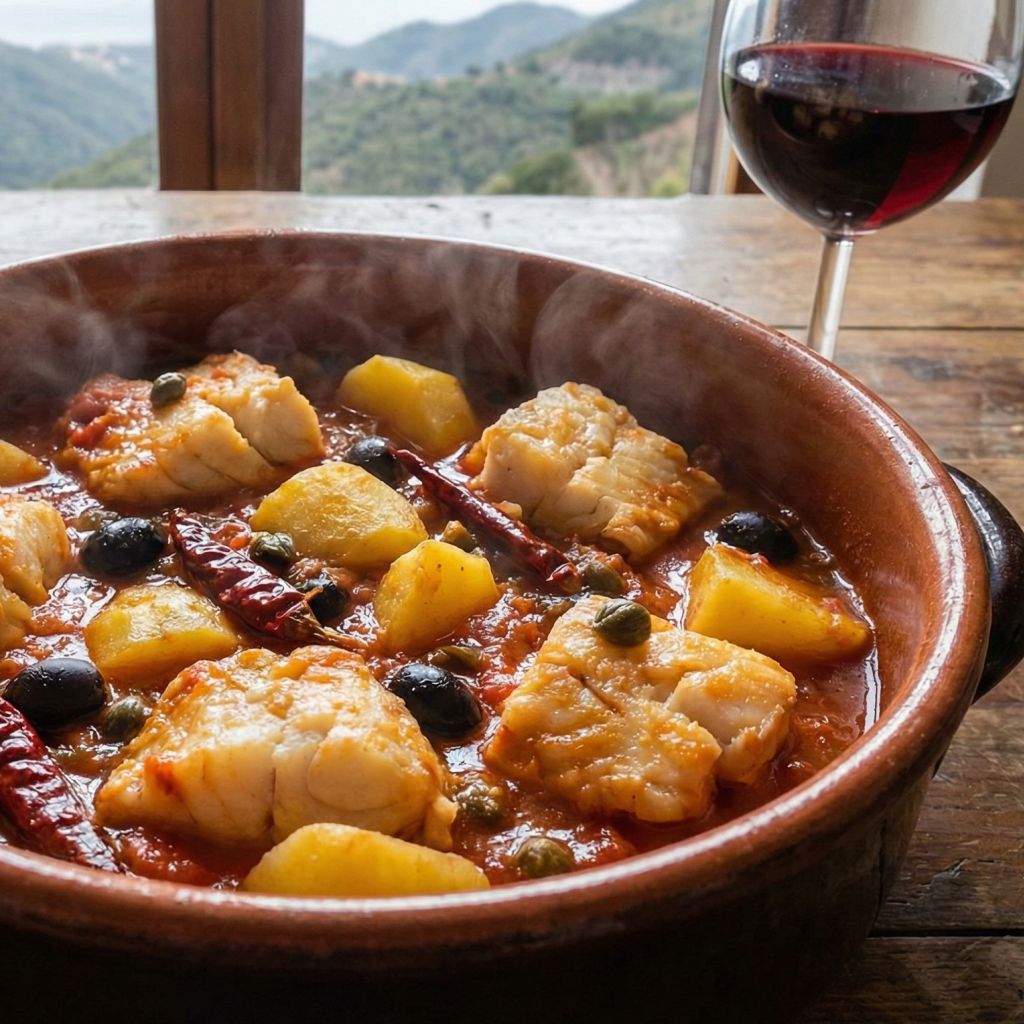
Ingredients
- 1 kg "Stocco di Mammola" (High-quality Stockfish, already soaked and cleaned)
- 1 kg Potatoes (Yellow flesh, peeled and cut into large chunks)
- 1 kg Peeled Tomatoes (or Tomato Puree)
- 1 Red Onion (Sliced)
- 100g Olives (Black baked olives or Green crushed olives)
- 2 tbsp Capers (Desalted)
- 2 Dried Red Chilies
- Extra Virgin Olive Oil
Chef's Secret: The "Marriage" in the Pot
The magic of this dish happens because the fish and the potatoes cook together in the tomato sauce. The potato starch thickens the sauce, while the potatoes themselves act as sponges, absorbing the intense flavor of the stockfish. If you boil the potatoes separately, you ruin the dish.
Preparation Steps
- The Fish: Ensure the stockfish is perfectly soaked (it should be spongy and white). Remove any remaining bones and cut it into large pieces (about 5-6 cm). Do not cut it too small or it will dissolve.
- The Soffritto: In a large terracotta pot (the "tianu"), heat a generous amount of olive oil. Sauté the sliced onion and the dried chilies until the onion is golden.
- The Base: Add the peeled tomatoes (crushed by hand) and cook for 5 minutes to start the sauce.
- The Layers: Add the potato chunks and the olives/capers. Stir to coat them in tomato. Add a little hot water if the sauce is too thick. Cook for 10 minutes.
- The Fish Enters: Gently place the pieces of stockfish into the sauce, nesting them between the potatoes.
- The Stewing: Cover and cook on low heat for about 20-25 minutes.
Crucial Rule: Do not stir with a spoon! This would break the delicate fish. Instead, shake the pot gently by the handles ("ruotare il tegame") to move the ingredients. - Resting: Turn off the heat when the potatoes are tender. Let the stew rest for at least 15 minutes before serving to allow the flavors to settle.
Historical Fact
The "Stocco di Mammola" is so celebrated that it has its own festival (Sagra) every August, attracting thousands of visitors who drive up the mountain roads just to taste this spicy, hearty stew.
Pitta 'Mpigliata (The Calabrian Rose Cake)
While Cudduraci are for Easter, the Queen of Christmas in the province of Cosenza is the Pitta 'Mpigliata (literally "folded" or "tangled" pitta). It is a stunning, architectural dessert made of thin strips of pastry filled with nuts and honey, rolled into rosettes, and baked together to look like a flower. It represents abundance and is historically prepared for weddings and festive holidays.
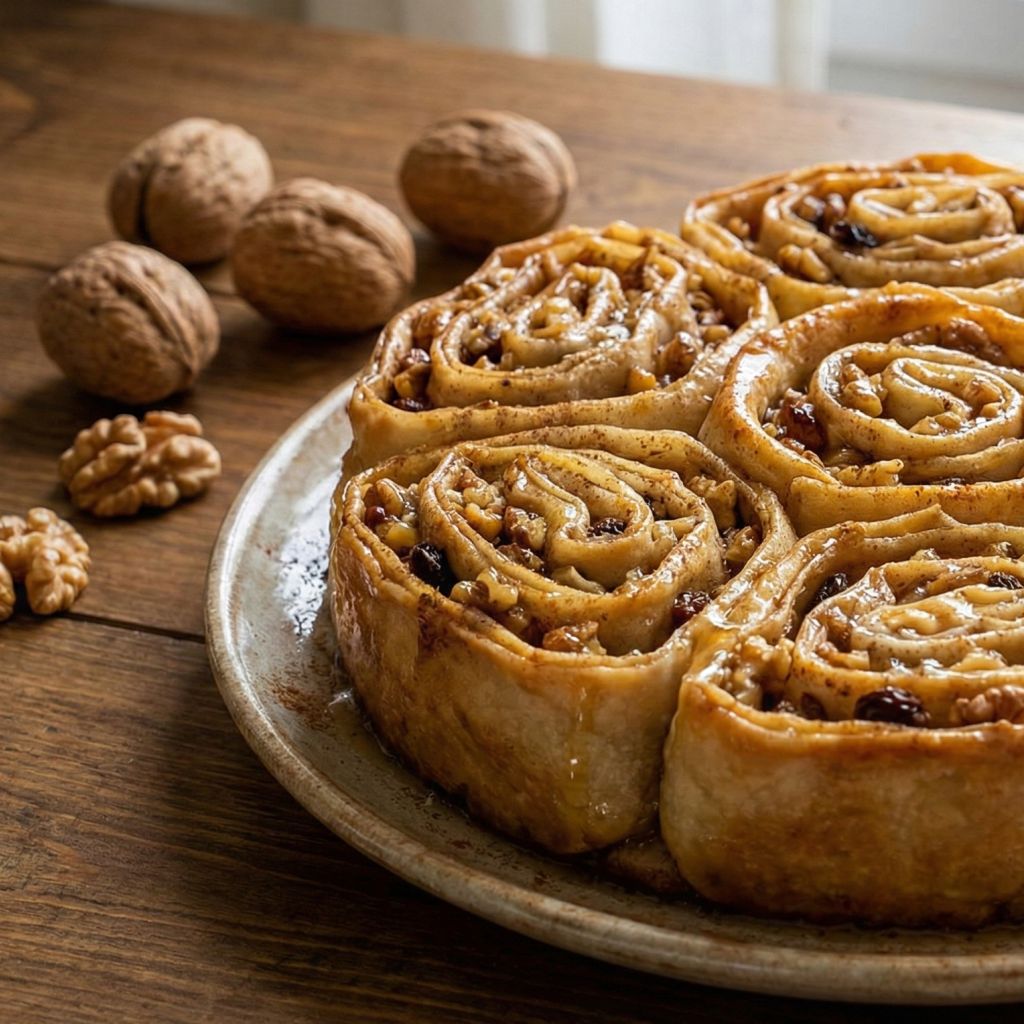
Ingredients
- 500g 00 Flour
- 100ml Extra Virgin Olive Oil (Hot)
- 100ml Sweet Wine (Vermouth, Moscato, or Port)
- 50ml Orange Juice
- 2 tbsp Sugar
- Pinch of Cinnamon and Cloves (Ground)
- The Filling: 200g Walnuts (chopped), 150g Raisins (soaked), 100g Honey, Orange Zest.
Chef's Secret: The "Hot Oil" Pastry
Unlike French pastry that uses cold butter, this ancient Calabrian dough uses hot olive oil and sweet wine. This technique, combined with a very thin rolling of the dough, creates a unique texture that is crunchy, flaky, and aromatic, capable of holding the heavy honey-nut filling without becoming soggy.
Preparation Steps
- The Dough: Heat the olive oil with the orange peel (then remove peel). In a bowl, mix flour, sugar, and spices. Pour in the hot oil and the sweet wine. Knead until smooth and elastic. Let it rest for 1 hour.
- The Sheets: Roll out the dough into long, very thin rectangular strips (about 3-4 cm wide).
- The Filling: In a bowl, mix the chopped walnuts, raisins, spices, and a spoonful of honey.
- The Assembly: Distribute the filling along the center of each dough strip. Fold the strip in half lengthwise to enclose the filling slightly (or leave it open faced). Roll the strip up onto itself to form a "rose" or spiral.
- The Cake: Prepare a round baking tin. Roll a larger flat disc of dough to line the bottom. Place all the "roses" on top of this base, squeezing them tight against each other in a circle.
- Baking: Bake at 170°C (340°F) for about 45-50 minutes until golden brown.
- The Glaze: While still hot from the oven, pour warm honey over the entire cake so it seeps into the crevices of the roses. Let it cool completely before slicing.
Cultural Note
In the mountain village of San Giovanni in Fiore, the preparation of Pitta 'Mpigliata is a competitive sport among families, with recipes for the spice mix (often adding a touch of anise or Strega liqueur) guarded jealously for generations.
'A Pasta Chijna (The "Stuffed" Calabrian Baked Pasta)
If you think you know Baked Ziti, think again. This is the Calabrian heavyweight champion of Sunday lunches, known in dialect as 'A Pasta Chijna (The Filled Pasta). It is called "filled" because between the layers of pasta and tomato sauce, you will find a treasure trove of ingredients: tiny fried meatballs, hard-boiled eggs, salami, and melted cheese. It is a meal that leaves no one hungry.
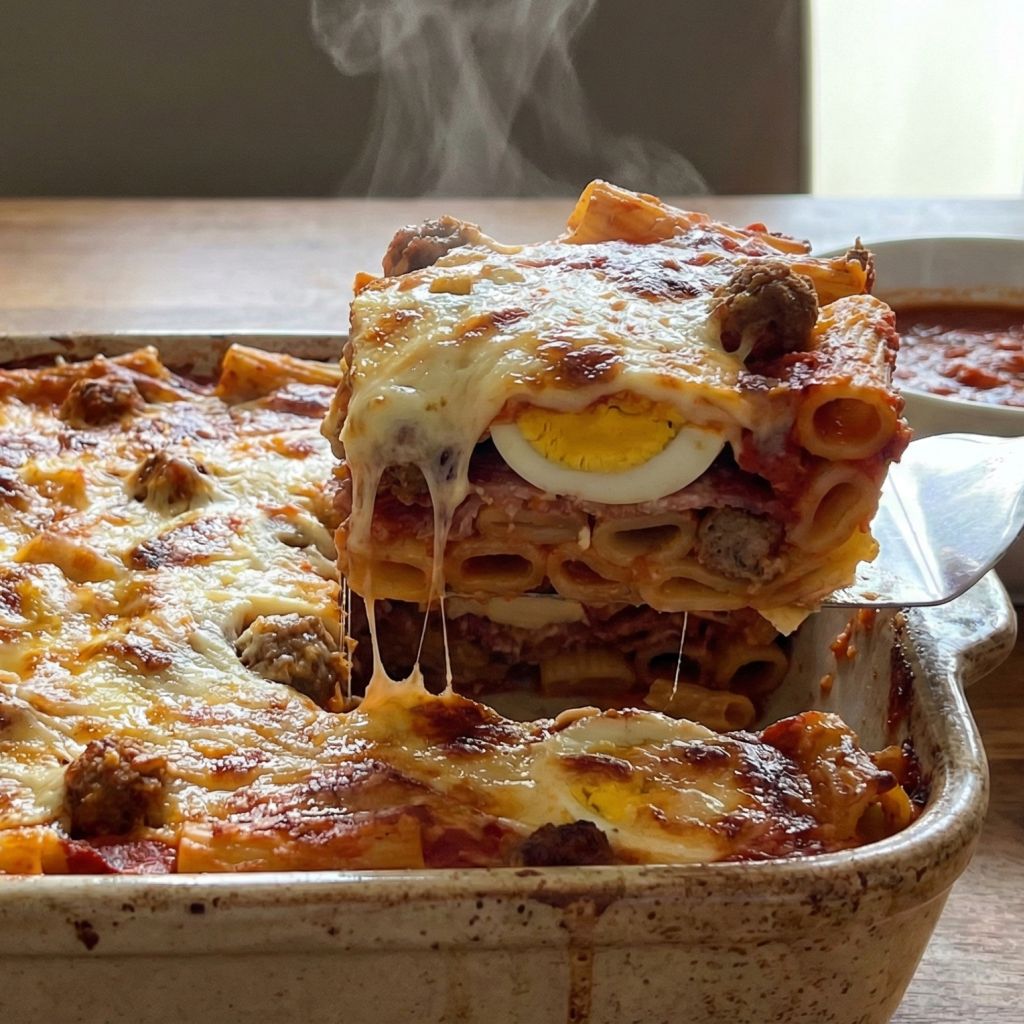
Ingredients
- 500g Rigatoni, Ziti, or Penne (Short pasta)
- 700ml Rich Tomato Meat Sauce (Ragù)
- 200g Soppressata Calabrese or Spicy Sausage (Sliced)
- 4 Hard-boiled Eggs (Sliced)
- 250g Provola Silana or Caciocavallo (Cubed)
- 100g Pecorino (Grated)
- For the Tiny Meatballs (Polpettine): 200g Ground Beef/Pork, 1 Egg, Breadcrumbs, Parsley, Parmesan.
Chef's Secret: The "Hazelnut" Meatballs
The defining feature of this dish is the presence of hundreds of tiny meatballs, no bigger than a hazelnut. Do not boil them in the sauce! You must fry them separately in oil until golden and crispy. Only then do you mix them into the pasta layers. This texture contrast is what makes the dish legendary.
Preparation Steps
- The Polpettine: Mix the ground meat with egg, breadcrumbs, and cheese. Roll into tiny balls (hazelnut size). Fry them in hot oil until brown. Set aside.
- The Pasta: Boil the pasta in salted water but drain it very al dente (at least 3-4 minutes before the package cooking time). It will finish cooking in the oven.
- The Mixing: In a large bowl, toss the drained pasta with a few ladles of tomato sauce so it doesn't stick.
- The Assembly: Grease a large baking dish (lasagna pan).
Layer 1: Spread a layer of pasta.
The Filling: Distribute the fried meatballs, the slices of hard-boiled eggs, the Soppressata slices, and the cubes of Provola cheese. Sprinkle with grated Pecorino and more tomato sauce.
Layer 2: Cover with the remaining pasta and topping ingredients. - The Crust: Finish with a final layer of sauce and a heavy dusting of Pecorino cheese.
- Baking: Bake at 200°C (400°F) for about 30 minutes.
The Grill: Use the broiler function for the last 5 minutes to create a burnt, crunchy crust on top. - Resting: Let it stand for 10 minutes before cutting. This "sets" the layers so the slice comes out perfect.
Pro Tip
This dish tastes even better the next day. Leftover slices are often fried in a pan until crispy for a decadent breakfast or lunch.
Polpette di Melanzane (Calabrian Eggplant Meatballs)
Known affectionately as "the meat of the poor," these meatballs are a staple of Calabrian cuisine. Unlike the stuffed eggplants we mentioned earlier, these are deep-fried spheres of pure flavor where the meat is entirely replaced by eggplant pulp, stale bread, and intense Pecorino cheese. They are crispy on the outside and incredibly creamy on the inside.
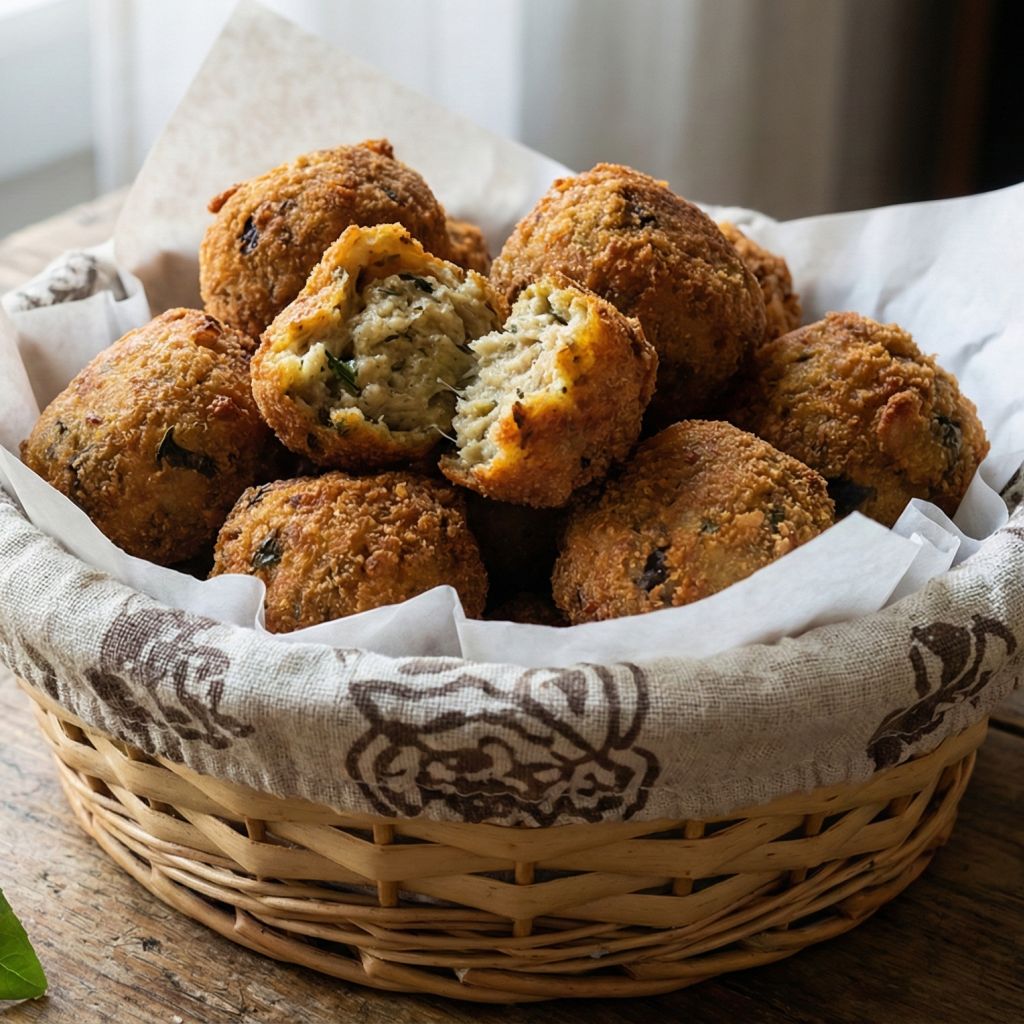
Ingredients
- 1 kg Eggplants (The long, dark variety has less seeds)
- 200g Stale Bread (Soft crumb only)
- 2 Eggs
- 100g Pecorino Crotonese (Grated and aged) - This gives the salty kick
- 1 Clove of Garlic (Minced)
- 1 Bunch of Parsley
- Breadcrumbs (for coating, optional but recommended)
- Peanut Oil for deep frying
- Salt and Black Pepper
Chef's Secret: The "Extreme Squeeze"
The number one reason this recipe fails for beginners is water. Eggplants are like sponges. After boiling the pulp, you must place it in a colander with a weight on top for at least an hour, or squeeze it violently with your hands/cheesecloth until it is completely dry. If the pulp is wet, the meatballs will explode or dissolve in the hot oil.
Preparation Steps
- The Boiling: Peel the eggplants completely (no skin allowed). Cut them into cubes. Boil them in salted water for about 15 minutes until soft.
- The Squeezing (Crucial): Drain the eggplants. Once cool enough to handle, squeeze them firmly to remove all excess water. You should be left with a compact pulp.
- The Dough: In a bowl, mix the dry eggplant pulp, the stale bread (soaked in water and also squeezed dry), eggs, grated Pecorino, minced garlic, parsley, salt, and pepper. Knead with your hands.
Texture Check: If the mixture is too sticky, add a tablespoon of dry breadcrumbs or flour. - The Shaping: Wet your hands slightly. Form oval or round balls (about the size of a walnut).
- The Frying: Heat the oil to 170°C (340°F). Fry the meatballs in batches. Do not overcrowd the pan.
- The Finish: They are ready when they turn a deep, dark golden brown. Drain on paper towels.
How to Serve
In Calabria, these are rarely served piping hot. They are best enjoyed warm or at room temperature, allowing the flavor of the Pecorino and garlic to settle. They are the perfect finger food.
Struncatura (The "Outlaw" Pasta)
If you visit the Gioia Tauro plain, you will find a dark, rough, whole-wheat pasta with a fascinating history. Originally, Struncatura was considered "illegal" food, made from the floor sweepings of wheat mills (bran and mixed flour) and sold under the counter to the poor. Today, purified and celebrated, it is a gourmet delicacy known for its nutty flavor and incredible ability to hold sauce.
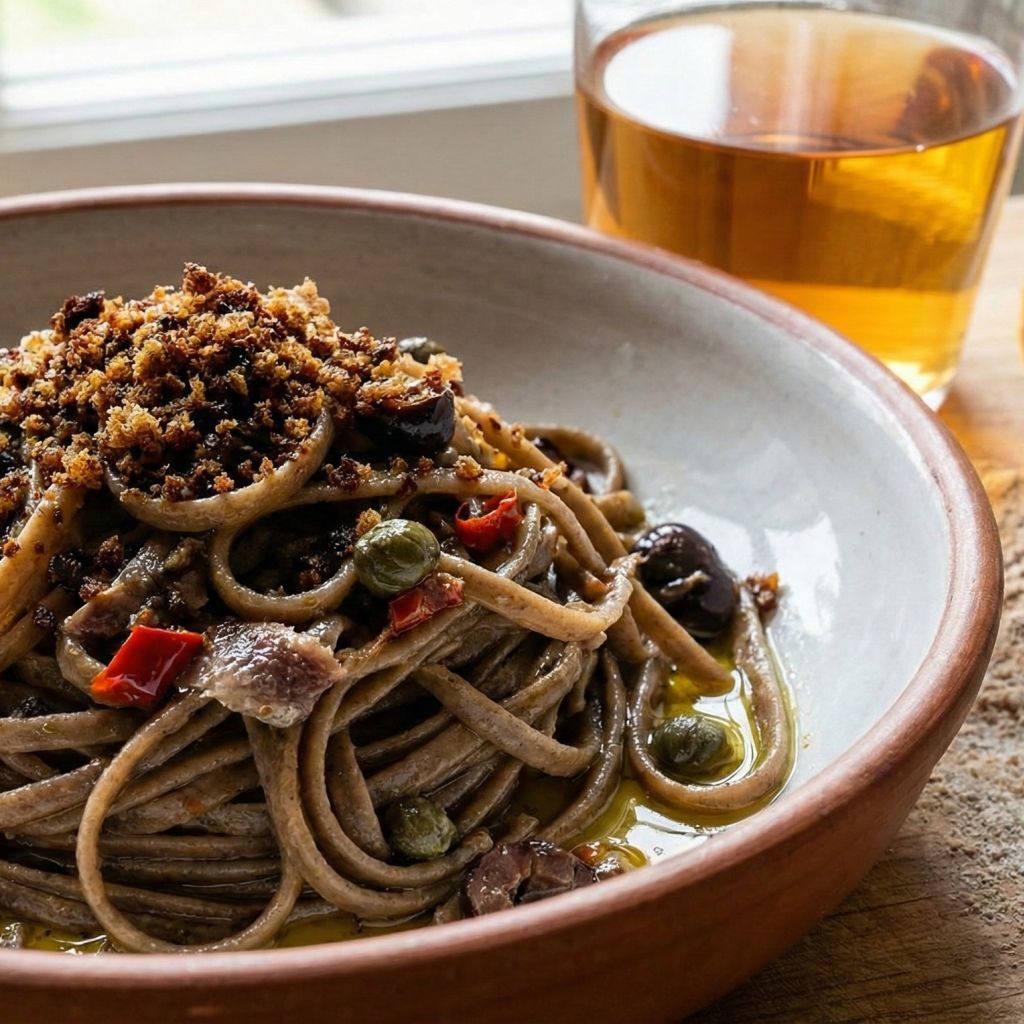
Ingredients
- 400g Struncatura Pasta (Substitute with high-quality Whole Wheat Linguine or Bavette)
- 6 Salted Anchovy Fillets
- 100g Stale Breadcrumbs (Soft part only)
- 50g Black Olives (Baked or Gaeta style)
- 2 Cloves of Garlic
- 1 Fresh Chili Pepper (Abundant!)
- 1 tbsp Capers (Desalted)
- Extra Virgin Olive Oil
Chef's Secret: The "Amollicata" (Toasted Crumb)
The soul of this dish is the breadcrumb topping, which mimics the texture of grated cheese (which was historically too expensive for this dish). You must toast the breadcrumbs in a separate small pan with a drop of oil until they turn a dark, brick-red color and become crunchy. In dialect, this is called "Muddica Atturrata."
Preparation Steps
- The Crunch: First, prepare the "Muddica." In a small skillet, heat a teaspoon of oil and toast the breadcrumbs over medium heat, stirring constantly to prevent burning. When crispy and dark gold, set aside.
- The Base: In a large pan, pour a generous amount of olive oil. Add the crushed garlic cloves and the sliced chili pepper. Sauté gently.
- The Flavor Bomb: Add the anchovy fillets to the oil and mash them with a wooden spoon until they dissolve. Then, add the pitted olives and capers. Let it sizzle for 2 minutes.
- The Pasta: Boil the Struncatura (or whole wheat linguine) in salted water. It usually takes longer than white pasta to cook.
- The Finish: Drain the pasta al dente, reserving half a cup of cooking water. Toss the pasta directly into the anchovy oil. Add the water to create an emulsion. Stir on high heat for 1 minute.
- Serving: Turn off the heat. Sprinkle half of the toasted breadcrumbs into the pan and mix. Serve immediately, topping each plate with the remaining crunchy crumbs.
Wine Pairing
The nutty taste of the whole wheat and the saltiness of the anchovies need a wine with personality. A white Mantonico (an ancient Greek grape variety grown in Calabria) has the amber color and oxidized notes that match perfectly with this rustic dish.
Melanzane Sott'olio (Calabrian Pickled Eggplant Strips)
We stated in the introduction that Calabrian cuisine is the "art of preservation." This is the ultimate proof. These jars of eggplant strips (known as "a filetti") are the gold standard of Calabrian hospitality. Crunchy, spicy, and infused with mint and garlic, they are served as an appetizer with bread and cured meats, lasting in the pantry all winter long.
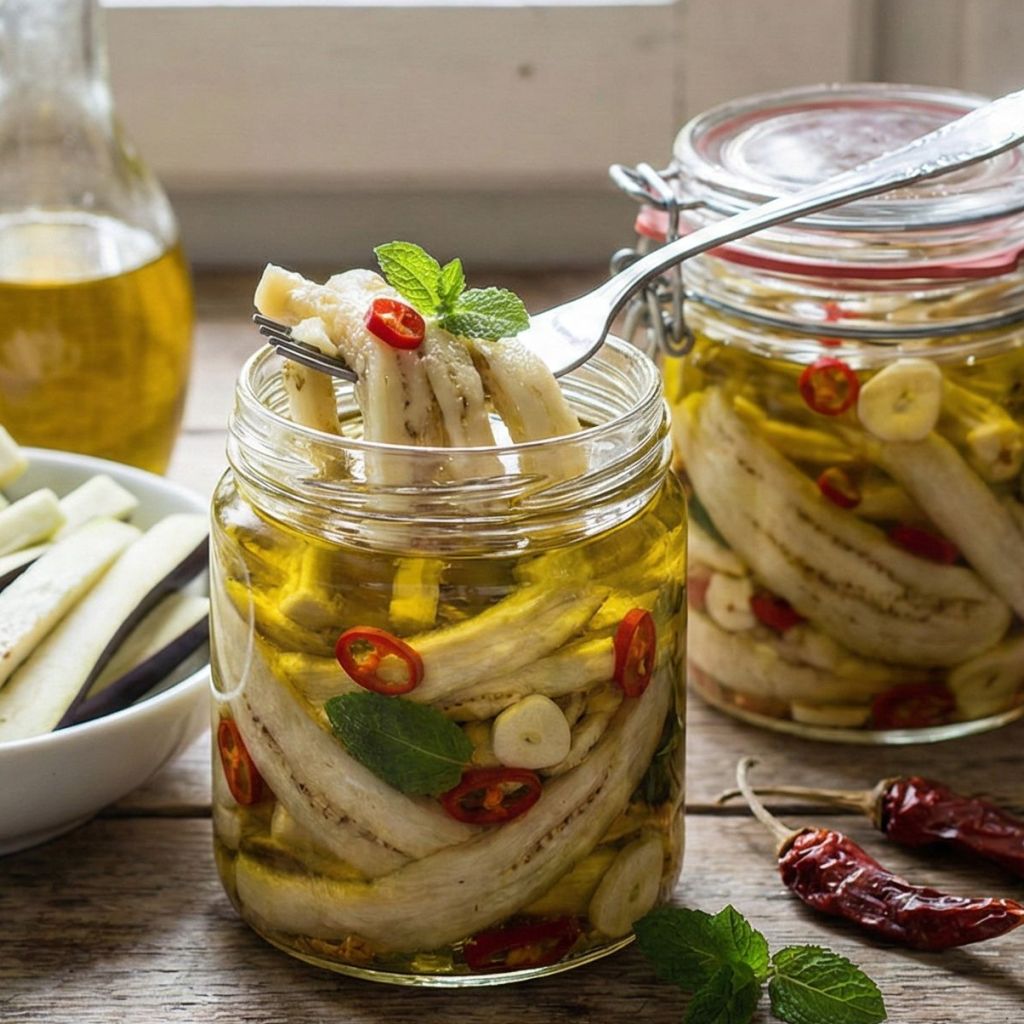
Ingredients
- 2 kg Eggplants (Firm, with few seeds - the violet or striped variety is excellent)
- 1 liter White Wine Vinegar (at least 6% acidity)
- 1 liter Water
- Salt (Coarse salt for curing)
- Garlic (Sliced)
- Fresh Mint (Crucial for the authentic scent)
- Red Chili Peppers (Fresh or dried, sliced)
- Sunflower or Extra Virgin Olive Oil (For filling the jars)
Chef's Secret: The "Bone Dry" Rule
The enemy of preserves is water (which causes mold) and low acidity (which risks botulism). The Calabrian method involves a double squeeze. First, salt draws out the vegetable water. Second, vinegar "cooks" the raw vegetable chemically. Finally, you must squeeze them until your hands hurt. The eggplant must be almost dry before it touches the oil.
Preparation Steps (A 2-Day Process)
- The Cut: Peel the eggplants. Slice them into discs, and then cut the discs into matchsticks (fillets) about 0.5 cm thick.
- The Curing (Day 1): Place the strips in a colander, layering them generously with coarse salt. Place a plate and a very heavy weight on top. Leave for 12-24 hours. This draws out the bitter vegetation water.
- The Vinegar Bath (Day 2): Squeeze the eggplants to remove the brine. In a large pot, boil the water and vinegar (50/50 mix). Blanch the eggplant strips for just 2-3 minutes. They must remain crunchy! Drain immediately.
- The Second Squeeze: Place the blanched strips in a clean cloth or a potato ricer and squeeze them again violently. They must lose the vinegar water. Spread them on a clean cloth to air dry for 2 hours.
- The Dressing: In a large bowl, toss the dry strips with the sliced garlic, chili peppers, fresh mint leaves, and a drizzle of oil to coat them.
- The Jarring: Pack the mixture tightly into sterilized jars. Press down firmly to eliminate air pockets (air is the enemy!). Cover completely with oil.
- The Wait: Wait 24 hours before sealing. Check if the oil level has dropped and top up if necessary. Let them rest in a dark place for at least 1 month before eating.
Safety Tip
Always ensure the eggplants are completely submerged in oil. If a piece sticks out, it can develop mold. The acidity of the vinegar is what keeps this preserve safe, so do not reduce the vinegar amount!
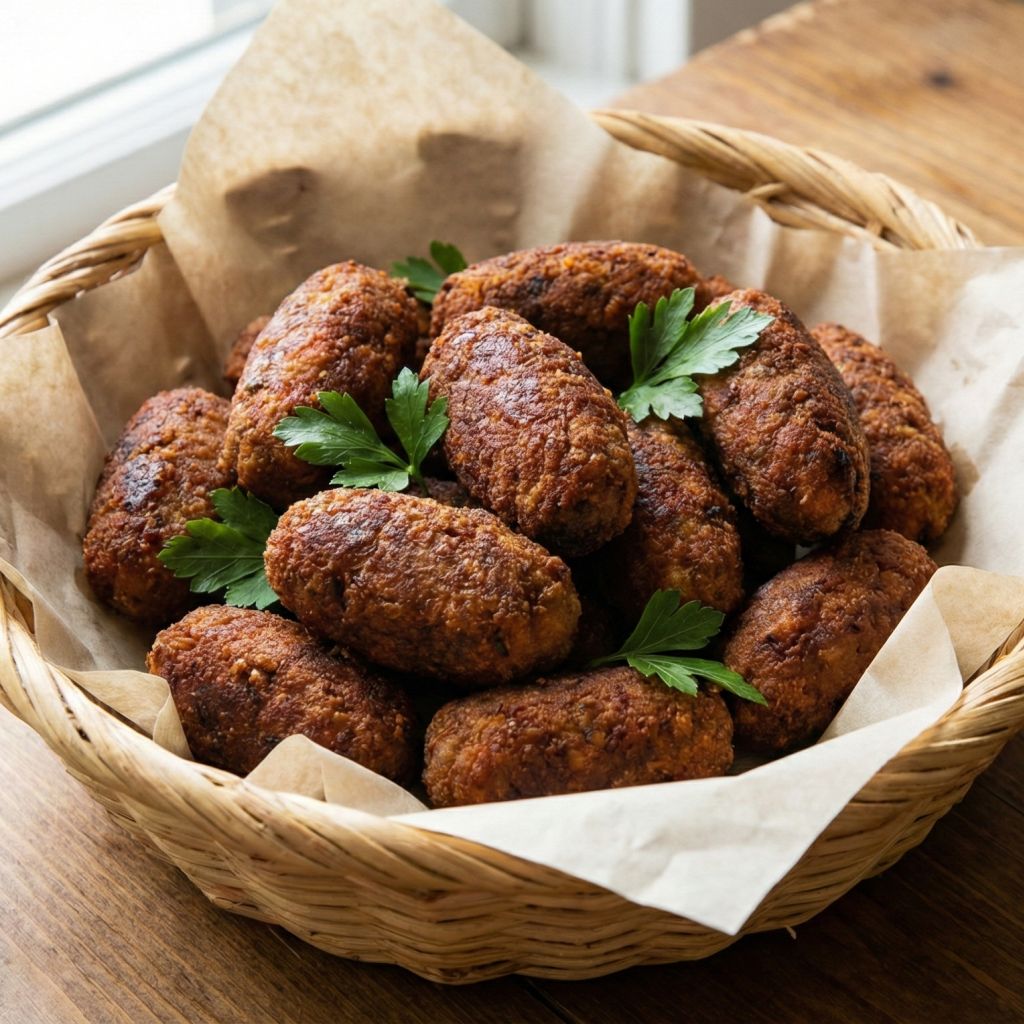
Vrasciole (The Legendary Calabrian Meatballs)
If you ask a Calabrian grandmother what defines a Sunday feast, she will say "Vrasciole." Unlike standard Italian meatballs which are round and often hard, Vrasciole are elongated, oval-shaped fritters. They are famous for their texture: a crunchy, deep-fried crust protecting a core so soft it almost melts in your mouth. They are typically served as an appetizer, hot from the frying pan.
Ingredients
- 500g Ground Beef (or a mix of Beef and Pork)
- 300g Stale Bread (Soft crumb only, crust removed)
- 3 Eggs
- 150g Pecorino Crotonese (Grated) - Don't use Parmesan; you need the sheep cheese kick!
- 1 Clove of Garlic (Minced very finely)
- 1 Bunch of Parsley (Chopped)
- Milk or Water (to soak the bread)
- Peanut Oil for frying
- Salt and Black Pepper
Chef's Secret: The "Sticky" Dough
The biggest mistake is making the dough too dry (like a burger). The mixture for Vrasciole must be wet and sticky. The bread should not be squeezed too dry; it must retain some moisture. If the dough doesn't stick to your hands slightly, the result will be tough. The softness comes from the bread-to-meat ratio, which is almost 1:1.
Preparation Steps
- The Bread: Tear the stale bread crumb into pieces and soak it in milk (or water) for 10 minutes. Squeeze it gently—it should remain moist, not bone dry.
- The Mix: In a large bowl, combine the meat, the wet bread, eggs, Pecorino cheese, garlic, parsley, salt, and pepper.
- The Kneading: Work the dough vigorously with your hands for at least 5 minutes. The ingredients must amalgamate completely into a uniform, slightly sticky paste. Let it rest for 15 minutes.
- The Shape: Wet your hands. Take a portion of dough and roll it into an oval shape, slightly flattened, resembling a small potato croquette (about 6-7 cm long).
- The Frying: Heat deep oil to 170°C. Drop the Vrasciole in.
Technique: Do not touch them for the first minute, or they might break. Once a crust forms, turn them gently. - The Finish: Fry until dark golden brown (darker than usual meatballs). Drain on paper towels.
How to Eat
While they can be cooked in tomato sauce, the true Vrasciola is eaten fried, served warm (not boiling), often stolen directly from the kitchen counter before the meal officially begins.
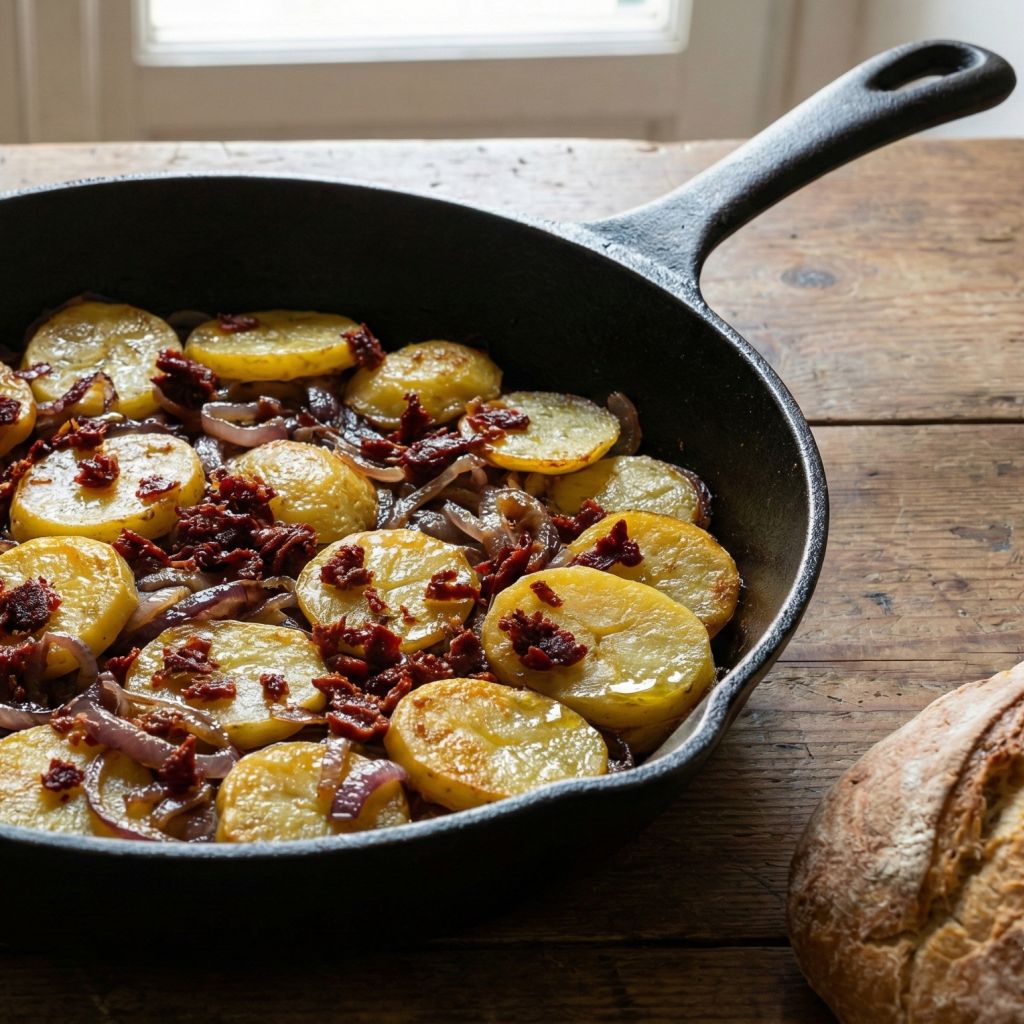
Patate 'Mpacchiuse (Cosenza's "Stuck" Potatoes)
While the rest of the world strives for crispy, separated french fries, the city of Cosenza takes pride in doing the exact opposite. 'Mpacchiuse means "stuck together" in the local dialect. This dish consists of sliced potatoes fried slowly with onions until they fuse together into a delicious, soft, caramelized cake. It is the signature side dish of the Sila mountain area.
Ingredients
- 1 kg Potatoes (Ideally "Patata della Sila IGP" or a yellow-fleshed variety)
- 300g Red Onions (Tropea style)
- Extra Virgin Olive Oil (Abundant, for frying)
- Salt to taste
- Optional: Dried crunchy peppers (Peperoni Cruschi) or strips of bacon.
Chef's Secret: Do NOT Wash the Starch!
To make perfect french fries, you wash the potatoes to remove starch. To make perfect Patate 'Mpacchiuse, you strictly avoid water. You need the starch because it acts as the "glue" that sticks the slices together. Peel them, slice them, and throw them directly into the hot oil.
Preparation Steps
- The Cut: Peel the potatoes and slice them into rounds (chips shape) about 3-4 mm thick. They shouldn't be too thin (like crisps) nor too thick. Slice the onions thickly.
- The Pan: Use a wide non-stick pan. Pour a generous amount of olive oil (the bottom should be well covered). Heat the oil.
- The Cooking: Add the potatoes to the pan. Season with salt immediately. Cook on medium heat for about 15 minutes.
The Rule: Do not stir them constantly! Let them stick. Only flip them occasionally to prevent burning. - The Onion Layer: When the potatoes are halfway cooked and starting to soften, add the sliced onions on top. Do not mix yet. Cover with a lid for 5 minutes to let the onions steam with the potato heat.
- The Finish: Remove the lid, mix the onions gently into the potatoes, and finish frying until the potatoes are golden and the onions are caramelized. The result should be clusters of potatoes stuck together with onion.
- Serving: Drain excess oil (if any) and serve hot. They are typically eaten as a side to pork sausages or simply with bread.
The "Calabrese" Touch
For the ultimate experience, fry some Peperoni Cruschi (dried Senise peppers) in the hot oil for 3 seconds before cooking the potatoes. Remove them, cook the potatoes in that infused oil, and crumble the crunchy peppers on top at the end.
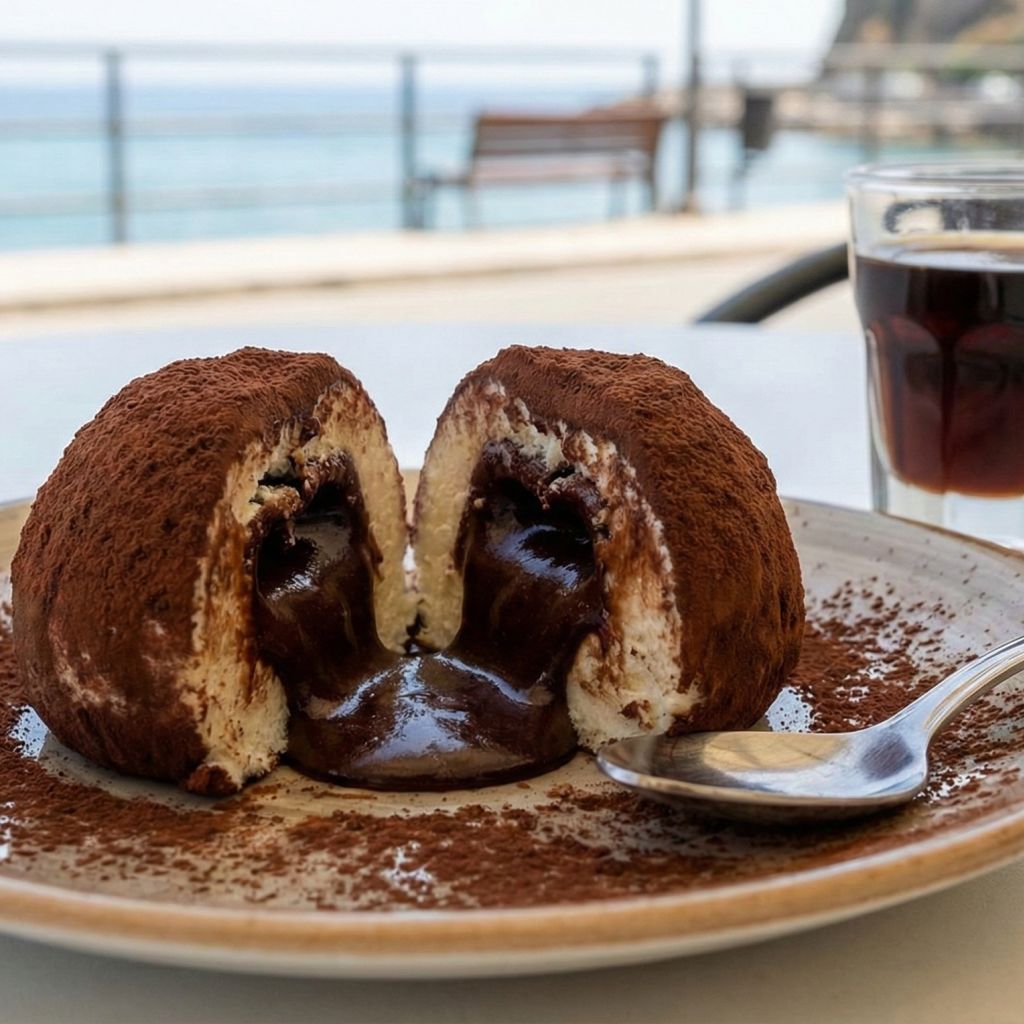
Tartufo di Pizzo (The Legendary Calabrian Gelato Truffle)
We finish our journey in the coastal town of Pizzo Calabro, the "City of Gelato." Here, in 1952, the Tartufo was invented almost by accident for a noble wedding. It is a sphere of hazelnut and chocolate gelato, hiding a molten heart of dark chocolate, all dusted in bitter cocoa powder. It is the first gelato in Europe to gain PGI (Protected Geographical Indication) status.
Ingredients (Makes 4 Tartufos)
- 500g High-quality Hazelnut Gelato
- 200g High-quality Dark Chocolate Gelato
- Unsweetened Cocoa Powder (for coating)
- Sugar (to mix with cocoa)
- For the Molten Heart: 100g Dark Chocolate (70%), 50ml Fresh Cream, 1 tsp Rum or Coffee Liqueur (optional, helps keep it liquid).
Chef's Secret: The "Hand-Molding" Technique
Authentic Tartufo is not made with molds or scoops. It is shaped strictly by hand. The warmth of the palm slightly melts the outer layer of the gelato, allowing the cocoa powder to stick perfectly. You must be incredibly fast to prevent it from melting completely.
Preparation Steps
- The Heart (Ganache): Melt the dark chocolate with the fresh cream (and liqueur) in a bain-marie. Stir until glossy and smooth. Let it cool down until it thickens but is still pourable.
- The Setup: Prepare a bowl with the cocoa powder mixed with a little sugar. Prepare 4 sheets of parchment paper.
- The Shell: Take a scoop of Hazelnut gelato and flatten it in the palm of your hand (wear latex gloves if you prefer) to form a "cup." Add a smaller spoonful of Chocolate gelato in the center and make a small indentation.
- The Filling: Pour a teaspoon of the cooled chocolate ganache into the indentation.
- The Closing: Fold the Hazelnut gelato over to enclose the filling completely. Roll it quickly between your hands to form a perfect sphere.
- The Coating: Immediately roll the sphere in the cocoa powder mixture until fully covered.
- The Freezing: Wrap the truffle in parchment paper and place it in the coldest part of your freezer for at least 2 hours before serving.
Serving Suggestion
Serve the Tartufo cut in half to reveal the oozing chocolate center. It is traditionally accompanied by a glass of cold Amaro del Capo.
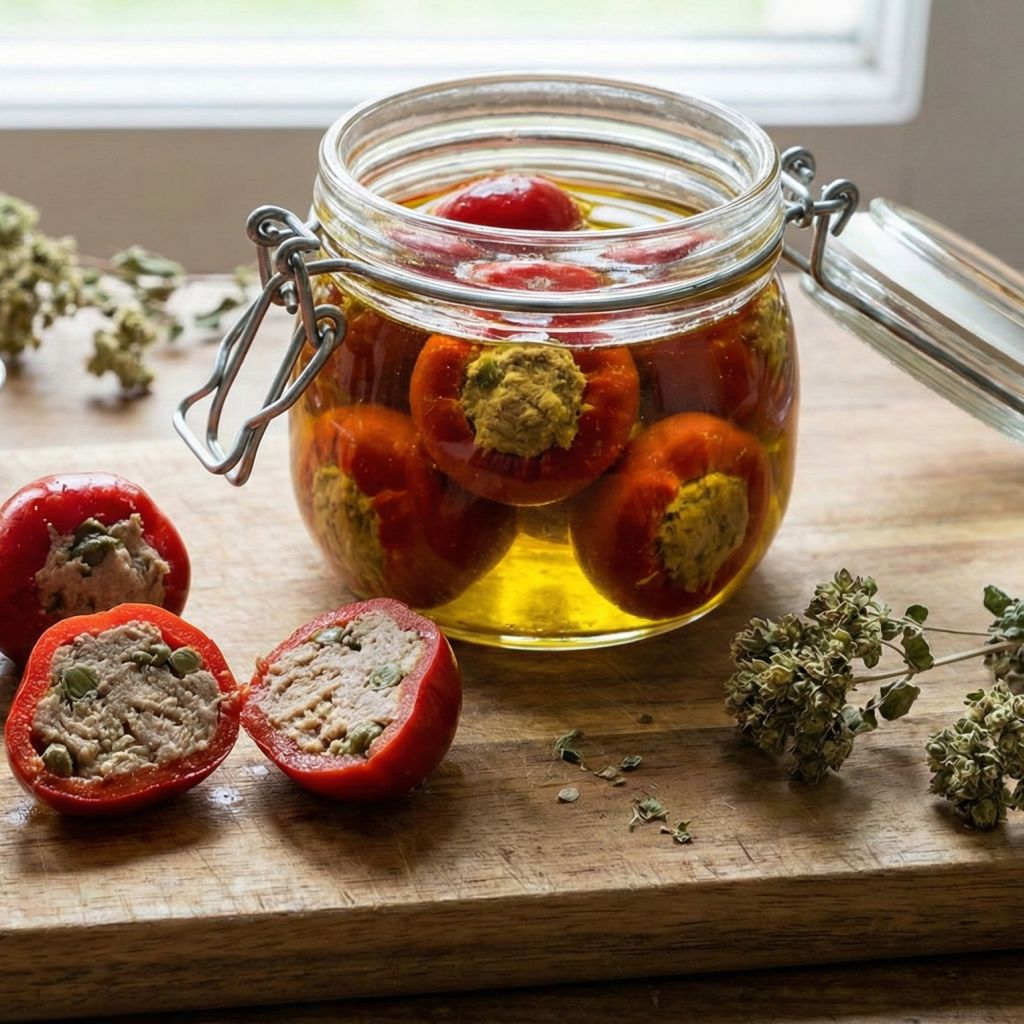
Peperoncini Ripieni (Stuffed Hot Cherry Peppers)
Walk into any Calabrian home or souvenir shop, and you will see jars glowing with red spheres. These are Peperoncini Ripieni. Small, round, moderately spicy peppers are hollowed out and stuffed with a savory mix of tuna, anchovies, and capers. They are the ultimate "flavor bomb"—a single bite delivers heat, saltiness, acidity, and richness all at once.
Ingredients
- 1 kg Round Hot Peppers (Cherry or "Bacio di Satana" variety)
- 300g Canned Tuna (High quality, drained weight)
- 6 Salted Anchovy Fillets
- 2 tbsp Capers (Desalted)
- 500ml White Wine Vinegar
- 500ml Water
- Olive Oil (for filling)
- Optional: A clove of garlic or oregano in the filling.
Chef's Secret: The "Upside Down" Rest
This step is non-negotiable. After boiling the peppers in vinegar to preserve them, you must place them upside down on a clean cloth for at least 12 hours (preferably overnight). If even a drop of boiling water remains inside the hollow pepper, it will spoil the tuna and create mold inside the jar. They must be completely dry before stuffing.
Preparation Steps
- The Cleaning (Wear Gloves!): Wash the peppers. Using a small knife or a potato peeler, cut around the stem and remove it along with the seeds inside. Scrape the inside gently to remove all seeds. Warning: Wear latex gloves, or your hands will burn for hours!
- The Cooking: Boil the water and vinegar with a pinch of salt. Plunge the hollow peppers in and cook for 3-4 minutes. They should remain firm.
- The Drying: Drain them and place them opening-down on a tea towel. Let them dry overnight.
- The Mousse: In a food processor (or using a mortar for a coarser texture), blend the drained tuna, anchovies, and capers until you have a thick, compact paste.
- The Stuffing: Using a teaspoon or a piping bag (sac-à-poche), fill each pepper tightly with the tuna mix.
- The Jarring: Place the peppers in sterilized jars, opening side up. Fill with olive oil, tapping the jar gently to release air bubbles. Ensure they are fully submerged. Wait 2 weeks before eating.
Serving Suggestion
These are served as a premium appetizer (antipasto). One or two peppers per person are enough to wake up the palate before a big meal.
Polpette di Ricotta al Sugo (Ricotta Dumplings in Tomato Sauce)
Completing the "trilogy" of Calabrian meatballs (after the meat Vrasciole and the Eggplant meatballs), we find this delicate masterpiece of the shepherd tradition. These are soft dumplings made of fresh sheep's milk ricotta, simmered gently in a rich tomato sauce. They are tender, pillowy, and completely vegetarian.
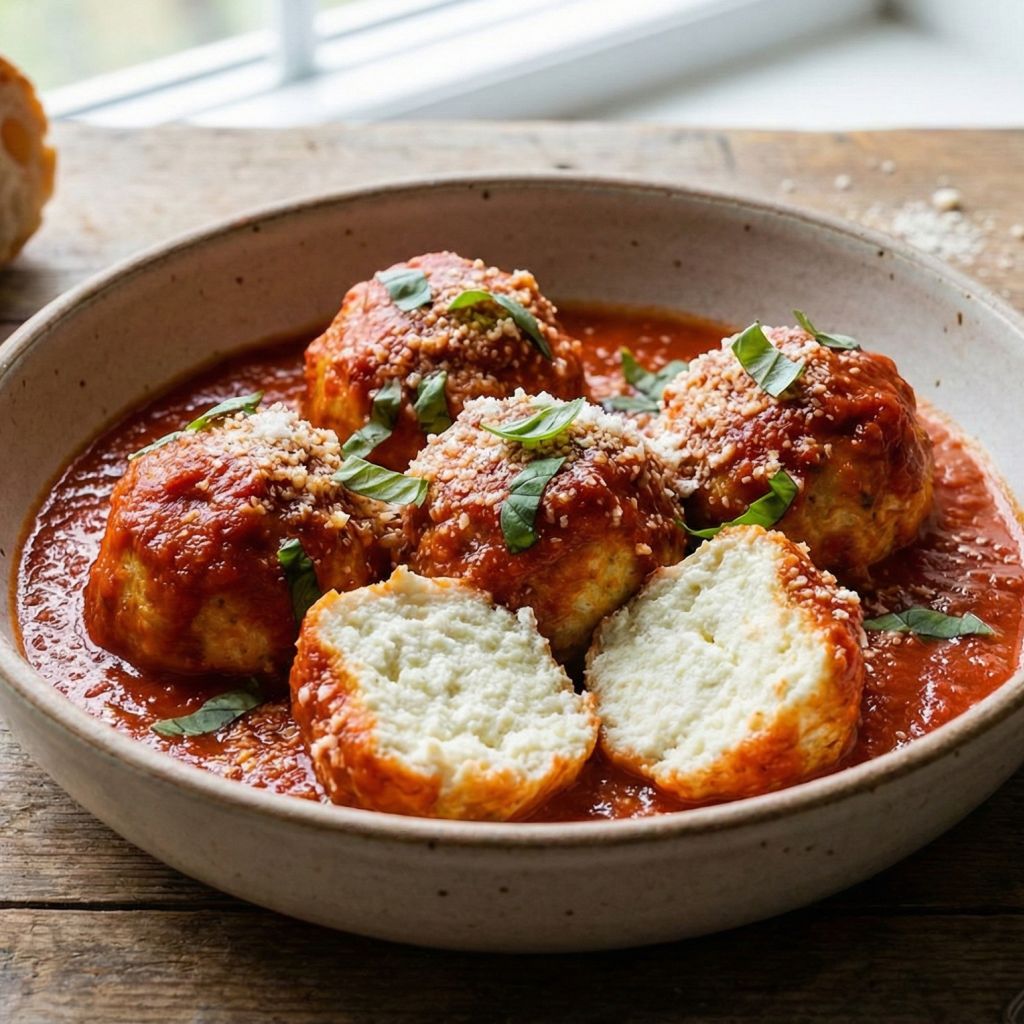
Ingredients
- 500g Fresh Sheep's Ricotta (Cow's ricotta is too mild and watery)
- 150g Stale Bread crumb (White part only)
- 2 Eggs
- 100g Pecorino Crotonese (Grated)
- 1 Bunch of Parsley
- 700ml Tomato Passata (Puree)
- 1 Onion (Small)
- Olive Oil, Salt, and Black Pepper
Chef's Secret: The "Overnight Drain"
The biggest enemy of this dish is humidity. If the ricotta is too wet, the balls will dissolve into the sauce. You must place the ricotta in a sieve over a bowl and leave it in the fridge overnight (or at least 4 hours) to lose its whey. The drier the ricotta, the fluffier the meatball.
Preparation Steps
- The Sauce: Start by making a simple tomato sauce. Sauté the chopped onion in olive oil, add the tomato passata, season with salt and basil, and let it simmer on low heat for 15 minutes. It should be quite liquid (it will thicken later).
- The Dough: In a bowl, crumble the drained ricotta. Add the stale bread (processed into fine crumbs, not soaked!), the beaten eggs, the grated Pecorino, chopped parsley, and plenty of black pepper.
- The Test: Mix well. If the dough feels too wet to hold its shape, add a spoonful of dry breadcrumbs. If too dry, a splash of milk. It should be soft but shapeable.
- The Shaping: With wet hands, gently roll the mixture into round balls about the size of a golf ball.
- The Cooking: Carefully drop the raw ricotta balls one by one directly into the bubbling tomato sauce.
Crucial: Do not stir with a spoon! You will break them. Instead, gently shake the pot by the handles to cover them with sauce. - Simmering: Cover and cook on low heat for 15-20 minutes. The eggs will set, and the dumplings will swell slightly.
- Serving: Serve 3-4 balls per person with plenty of sauce and fresh bread.
Pro Tip
This is arguably the best way to use leftover ricotta. In some villages, they make them tiny and use them to dress pasta for a super-rich Sunday first course.
Susumelle (Calabrian Soft Spiced Cookies)
If you visit a Calabrian family during Christmas, you will be offered a tray of dark, chocolate-covered ovals. These are Susumelle. Unlike biscotti which are hard and crunchy, Susumelle are surprisingly soft and chewy, thanks to the honey in the dough. They are richly spiced with cinnamon and cloves, filling the house with the scent of the holidays.
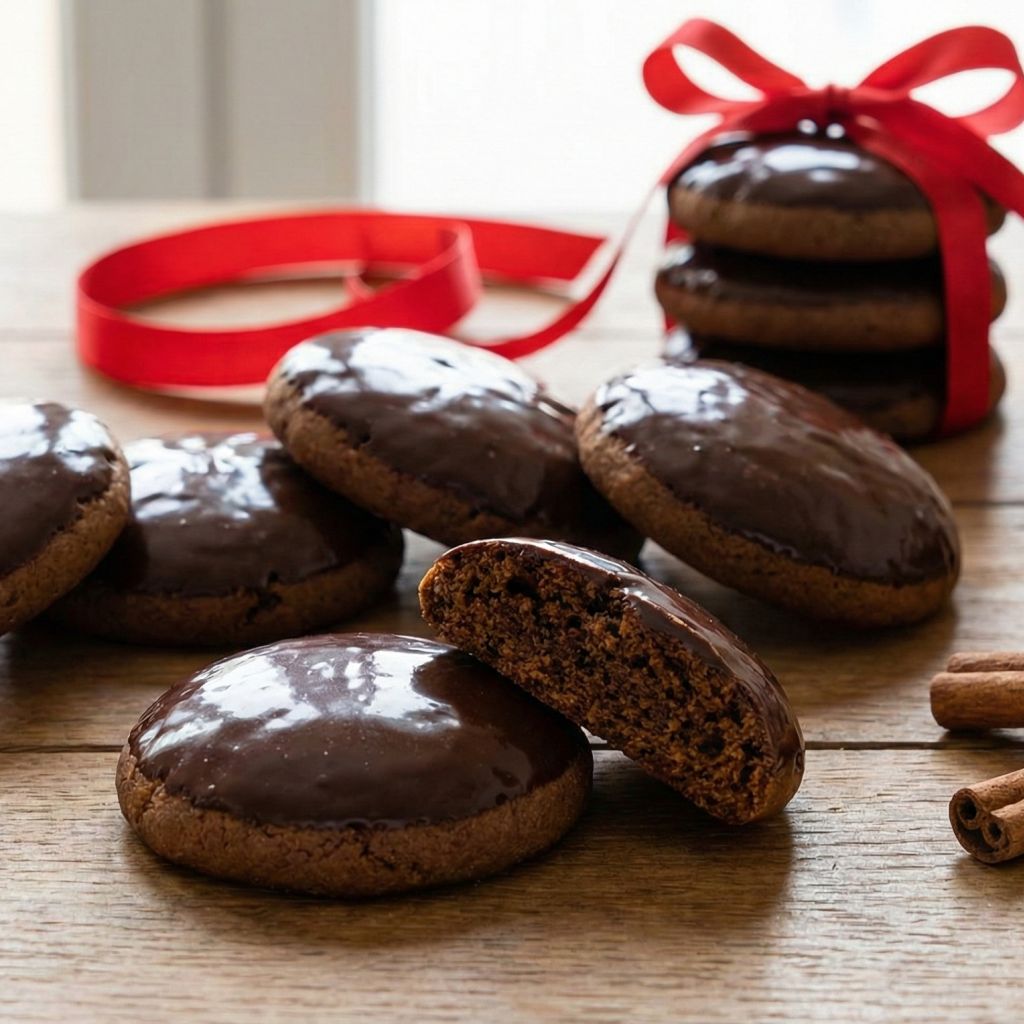
Ingredients
- 500g 00 Flour
- 200g Honey (Millefiori or Chestnut for a stronger taste)
- 200g Sugar
- 2 tbsp Unsweetened Cocoa Powder
- 150ml Water (or Milk)
- 1 tsp Cinnamon
- 1/2 tsp Ground Cloves
- 1 sachet Baking Ammonia (Ammoniaca per dolci) - Traditional raising agent for longer shelf life, or use Baking Powder
- For the Glaze: 200g Dark Chocolate (70%)
Chef's Secret: The "Soft Exit"
The most common mistake is overbaking them. Susumelle must be taken out of the oven while they are still soft to the touch. They might look undercooked, but do not worry: they will harden and reach the perfect chewy consistency as they cool down. If you bake them until hard, they will become inedible bricks.
Preparation Steps
- The Syrup: In a small saucepan, gently warm the water (or milk) with the honey and sugar until dissolved. Do not boil. Let it cool slightly.
- The Dough: In a large bowl, mix the flour, cocoa, spices, and baking ammonia. Pour in the warm honey liquid. Knead until you have a smooth, homogeneous dough. It will be slightly sticky.
- The Shaping: Dust your hands with flour. Take pieces of dough and form oval shapes (about 10cm long and 1cm thick). Flatten them slightly.
- Baking: Place them on a baking tray lined with parchment paper, spaced apart (they will spread). Bake at 180°C (350°F) for 10-12 minutes maximum.
- The Cooling: Remove from the oven. They will be soft. Let them cool completely on a wire rack.
- The Glazing: Melt the dark chocolate in a bain-marie. Dip the top of each cooled cookie into the chocolate (or brush it on). Let the chocolate set before serving.
Pro Tip
These cookies improve with age. Store them in a tin box with an apple slice or a piece of orange peel to keep them moist. They can last for weeks, making them the ideal homemade Christmas gift.
Involtini di Pesce Spada (Swordfish Rolls alla Scillese)
In the picturesque fishing village of Scilla, catching swordfish is an ancient art. While the "Ghiotta" stew is famous, the locals also prepare swordfish as delicate rolls. Thin slices of fresh fish are wrapped around a savory, aromatic breadcrumb filling and gently grilled or baked. It is a dish that captures the essence of the Mediterranean in a single bite.
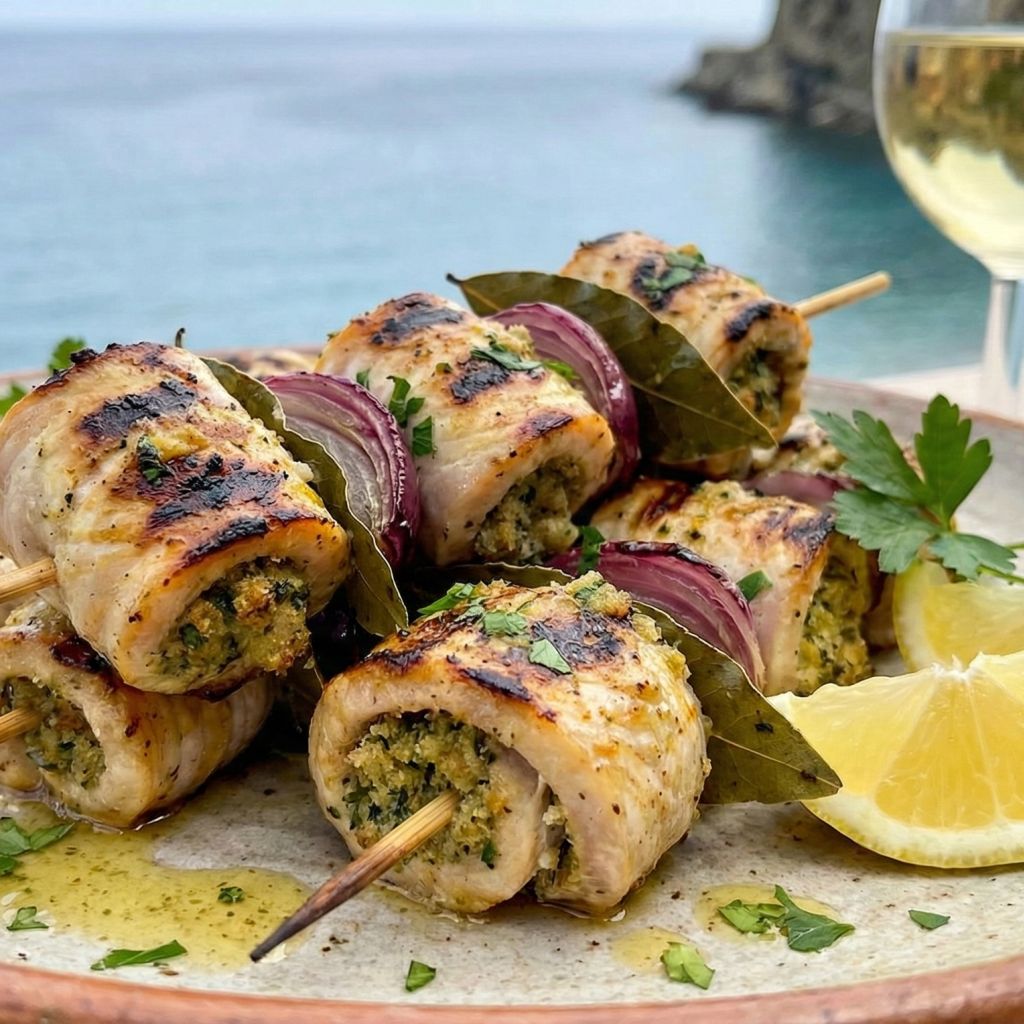
Ingredients
- 12 Thin Slices of Fresh Swordfish (Ask your fishmonger for "Carpaccio" cut or slices for rolls)
- 150g Fresh Breadcrumbs (Soft crumb, processed)
- 50g Pecorino or Parmesan Cheese (Grated)
- 1 Clove of Garlic (Minced)
- 2 tbsp Capers (Desalted and chopped)
- 50g Green or Black Olives (Chopped)
- Fresh Parsley and Mint (Mint is the secret touch!)
- Extra Virgin Olive Oil
- Lemon Juice
- Optional: A tablespoon of tomato puree in the filling for color.
Chef's Secret: The "Moist" Crumb
The most common mistake is using dry, sandy breadcrumbs. The filling must be moist and paste-like to keep the fish tender from the inside. To achieve this, mix the breadcrumbs with plenty of olive oil and a splash of lemon juice (or water) until the mixture feels like damp sand that holds its shape when squeezed.
Preparation Steps
- The Filling: In a bowl, mix the breadcrumbs, grated cheese, minced garlic, chopped capers, olives, parsley, and mint. Add enough olive oil to make it moist and sticky. Season with pepper (be careful with salt, as capers/cheese are salty).
- The Fish: Lay the swordfish slices flat on a board. If they are too thick, gently pound them with a meat mallet between two sheets of plastic wrap to thin them out without tearing.
- The Stuffing: Place a walnut-sized ball of filling in the center of each slice.
- The Rolling: Fold the side edges of the fish in towards the center (to seal the filling), then roll the slice up tightly like a cigar.
- The Skewering: Piercing them with toothpicks or wooden skewers helps them hold their shape. You can place 3-4 rolls on a single long skewer, separating them with a bay leaf or a slice of onion.
- Cooking:
Oven: Arrange on a baking sheet, drizzle with oil and breadcrumbs. Bake at 180°C (350°F) for 10-12 minutes.
Grill/Pan: Cook on a hot grill or non-stick pan for 2-3 minutes per side until marked and opaque. Do not overcook! - Serving: Serve hot with a squeeze of fresh lemon and a drizzle of "Salmoriglio" (a dressing of oil, lemon, garlic, and oregano).
Presentation Tip
For a spectacular presentation, alternate the fish rolls on the skewer with cubes of bread and pieces of red onion. The onion caramelizes while cooking, adding sweetness to the savory fish.
Bocconotti Calabresi (Stuffed Shortcrust Tartlets)
If you walk past a bakery in Cosenza or Amantea, you will see trays of small, scallop-shaped pastries dusted with icing sugar. These are Bocconotti (meaning "small mouthfuls"). They are elegant single-portion tarts made of a crumbly, melt-in-your-mouth pastry shell hiding a dense heart of chocolate and toasted almonds or traditional grape jam.
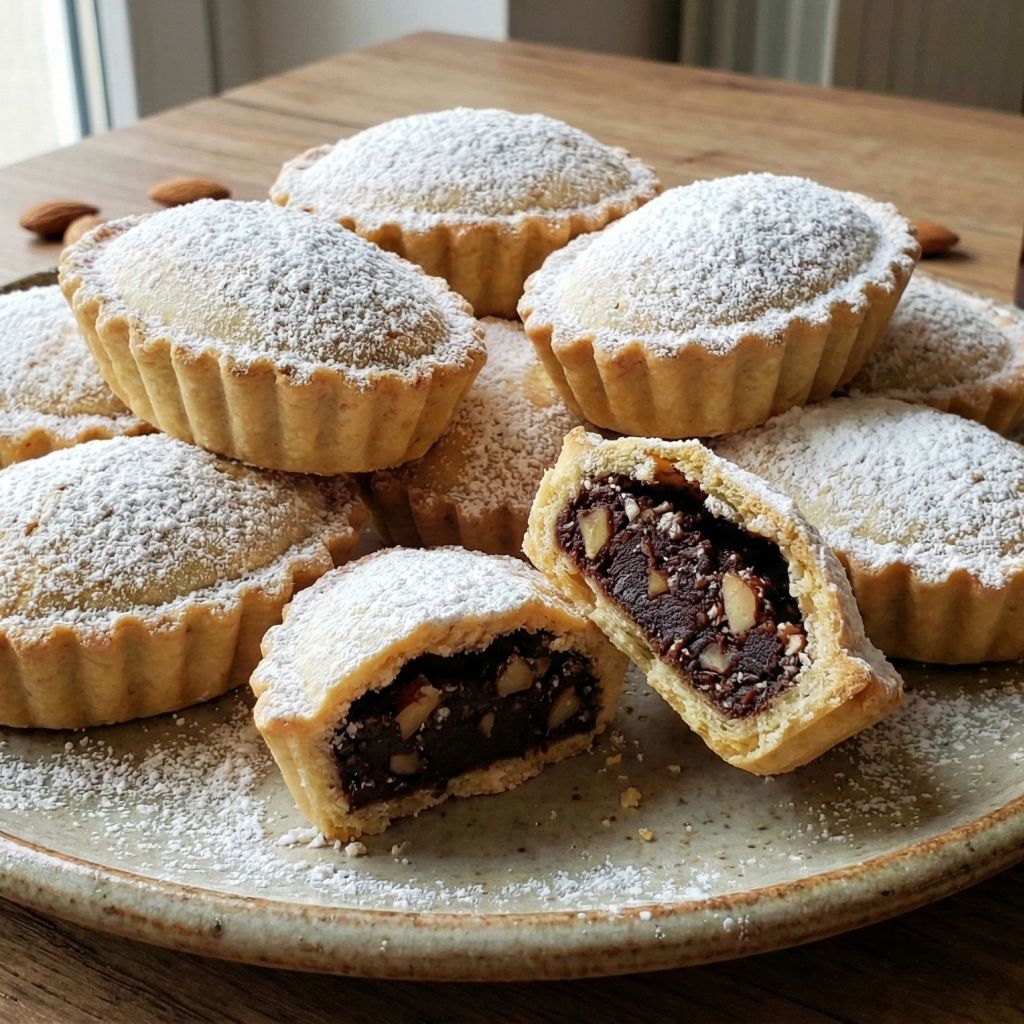
Ingredients (Makes 10-12)
- 300g 00 Flour
- 100g Sugar
- 100g Lard (Traditional) or Butter (Cold, cubed)
- 1 Whole Egg + 1 Yolk
- 1/2 tsp Baking Powder
- Lemon Zest
- Filling: 200g Dark Chocolate (melted) mixed with 100g Toasted Almonds (chopped) and a pinch of Cinnamon. Alternatively: Black Cherry Jam or Grape Jam.
- Icing Sugar for dusting
Chef's Secret: Lard vs. Butter
Modern recipes often use butter, but if you want the authentic "Grandma's taste," you must use Lard (Strutto). Lard gives the shortcrust pastry a crystalline, sandy texture that shatters instantly upon biting, whereas butter makes it slightly more elastic. Don't be afraid to try the old way!
Preparation Steps
- The Pastry (Frolla): In a processor or by hand, mix flour, sugar, baking powder, and cold lard (or butter) until it resembles breadcrumbs. Add the egg, yolk, and lemon zest. Knead quickly just until it comes together.
Resting: Wrap in plastic and chill for 30 minutes. - The Molds: Grease small oval or round tartlet molds (muffin tins work in a pinch, but the fluted oval ones are traditional).
- The Shell: Roll out 2/3 of the dough to 3-4mm thickness. Cut circles and press them into the molds, trimming the excess.
- The Heart: Fill each tartlet generously with the chocolate-almond mixture (or jam). Do not overfill to the rim.
- The Lid: Roll out the remaining dough. Cut smaller circles to act as "lids." Place them over the filling and press the edges gently to seal them with the bottom shell.
- Baking: Bake at 180°C (350°F) for 20 minutes until golden brown on top.
- Serving: Let them cool completely before removing from the molds (they are fragile when hot). Dust heavily with powdered sugar.
The Local Debate
There is a fierce rivalry regarding the filling. In the town of Mormanno, the only acceptable filling is pure grape jam (Mostarda). In Amantea, it must be chocolate and almonds. We suggest trying both to decide the winner!
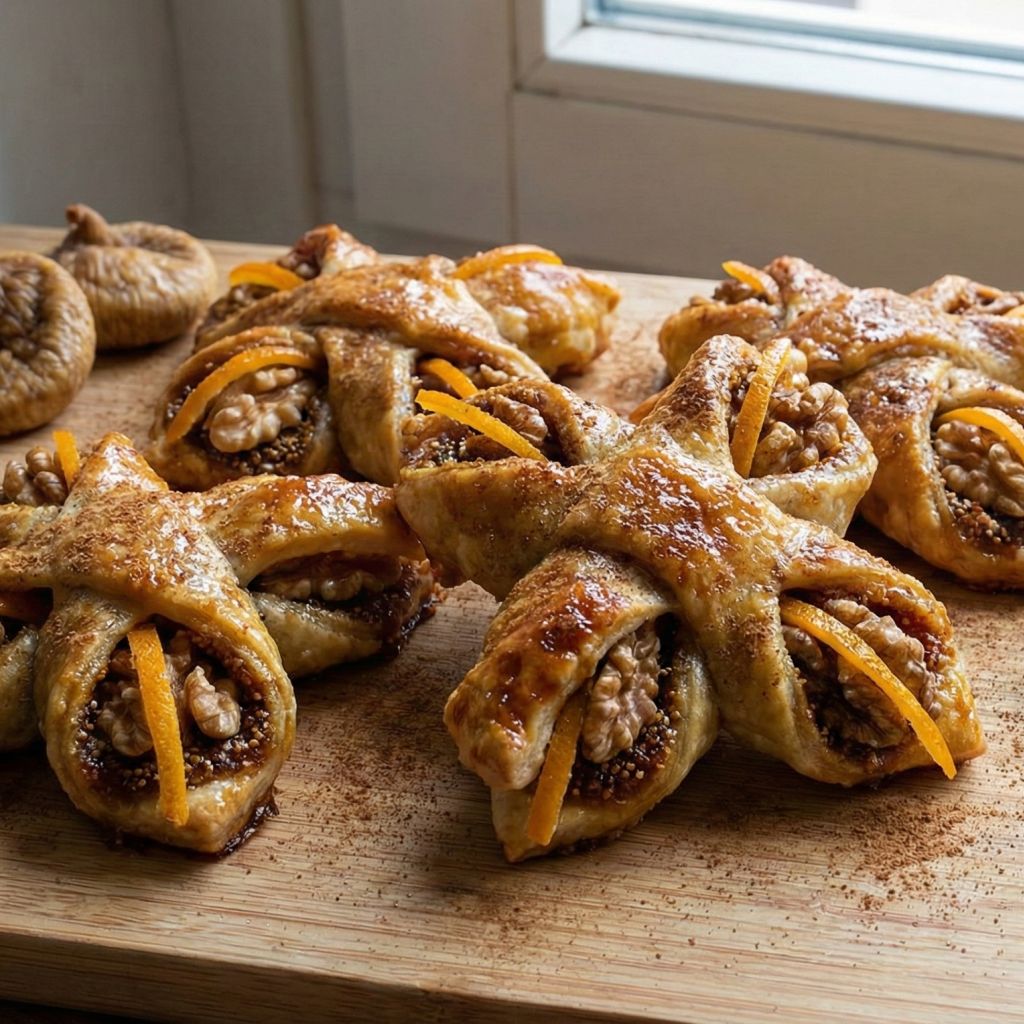
Crocette di Fichi (Calabrian Stuffed Dried Figs)
In the Cosenza area, the fig harvest is a serious ritual. The best variety, the "Dottato," is dried in the sun and then transformed into edible art. The Crocette (Little Crosses) are created by stuffing and overlapping four dried figs to form a cross shape. Baked until golden and sticky, they are the ultimate taste of the Mediterranean sun preserved for winter.
Ingredients
- 500g Dried Figs (Ideally "Fichi di Cosenza DOP" or Dottato variety)
- 150g Walnuts or Almonds (Shelled halves)
- Lemon or Orange Zest (Cut into small strips)
- Sugar and Cinnamon (for dusting)
- Anise Liqueur or Sweet Wine (optional, for washing)
Chef's Secret: The "Sandwich" Press
The trick to a perfect Crocetta is pressure. After stuffing and crossing the figs, you must press them flat firmly with your hands so the layers stick together. This eliminates air pockets and ensures the flavors of the citrus peel and nuts infuse into the fig pulp during baking.
Preparation Steps
- The Prep: Select the best dried figs. They should be soft and pliable. Cut them partially in half (leaving the stem attached) to open them like a book.
- The Stuffing: Place a walnut kernel (or almond) and a small strip of lemon zest on the open face of a fig.
- The Crossing: Take another open fig and place it perpendicular to the first one (forming a cross). Add stuffing to this one too.
- The Closing: Place two more open figs on top of the base ones to cover the filling, mirroring the cross shape. Press everything down tightly to seal the "packet."
- Baking: Place the crosses on a baking tray lined with parchment paper. Bake at 180°C (350°F) for about 10-15 minutes. They should turn golden-brown (amber color).
- Finishing: While hot, brush them lightly with anise liqueur (optional) and dust with sugar and cinnamon. Let them cool completely.
Storage
Once cooled, Crocette can be stored in glass jars or tins for months. In the past, they were packed tightly into woven reed baskets, layered with bay leaves to keep insects away and add aroma.
Cullurielli Cosentini (Potato Doughnuts)
If you are in Cosenza on December 8th (The Feast of the Immaculate Conception), the air smells of one thing: fried dough. These are Cullurielli (or Cuddruriaddri in dialect). They are savory doughnuts made with a potato-based dough, giving them a cloud-like softness that is superior to any standard bread dough. They are traditionally eaten piping hot on the street or at home with family.

Ingredients
- 1 kg 00 Flour (All-Purpose)
- 400g Potatoes (Boiled and mashed) - Use old, starchy potatoes
- 400ml Water (approximate)
- 15g Fresh Brewer's Yeast
- 2 tsp Salt
- 1 tsp Sugar (to activate yeast)
- Peanut Oil for deep frying
Chef's Secret: The Potato Ratio & Temperature
The secret to a Culluriello that isn't greasy lies in the potatoes. First, let the mashed potatoes cool down until warm (not hot!) before mixing with flour. If hot, the dough becomes gummy. Second, don't use new potatoes; they have too much water. You need dry, starchy potatoes to get that fluffy interior.
Preparation Steps
- The Potatoes: Boil the potatoes with skin on. Peel them while hot and mash them with a potato ricer. Spread the mash on a tray to cool down until lukewarm.
- The Yeast: Dissolve yeast and sugar in a little warm water.
- The Dough: In a large bowl, mix the flour with the cooled mashed potatoes. Add the yeast water. Start kneading, gradually adding salt and the rest of the water.
- The Texture: Knead vigorously for 10 minutes. The dough should be soft, slightly sticky but elastic. If it sticks too much, flour your hands, not the dough.
- The Rise: Cover with a blanket (tradition says "put them to bed"). Let rise for 3 hours in a warm place until doubled in size.
- The Shaping: Flour your work surface. Take a piece of dough (about 80g), form a ball, and poke a hole in the center with your thumb. Stretch it gently to form a ring (doughnut).
- The Frying: Dip the rings immediately into deep, hot oil (170°C). Fry until puffed and golden brown, turning once.
- Serving: Drain on paper. Eat immediately!
Savory or Sweet?
Purists eat them plain or stuffed with a slice of Soppressata salami or an anchovy. However, kids love them rolled in granulated sugar while still hot. Try both!
Torta al Bergamotto (Reggio's "Green Gold" Cake)
We cannot talk about Reggio Calabria without mentioning the Bergamot. This rare citrus fruit grows exclusively along the 100km stretch of the Ionian coast of Reggio. While usually used in perfumes (it's the base of Earl Grey tea!), locally it is used to create desserts with an incredibly floral, sophisticated aroma. This soft cake is the perfect dairy-free breakfast, celebrating the unique scent of the "Green Gold."
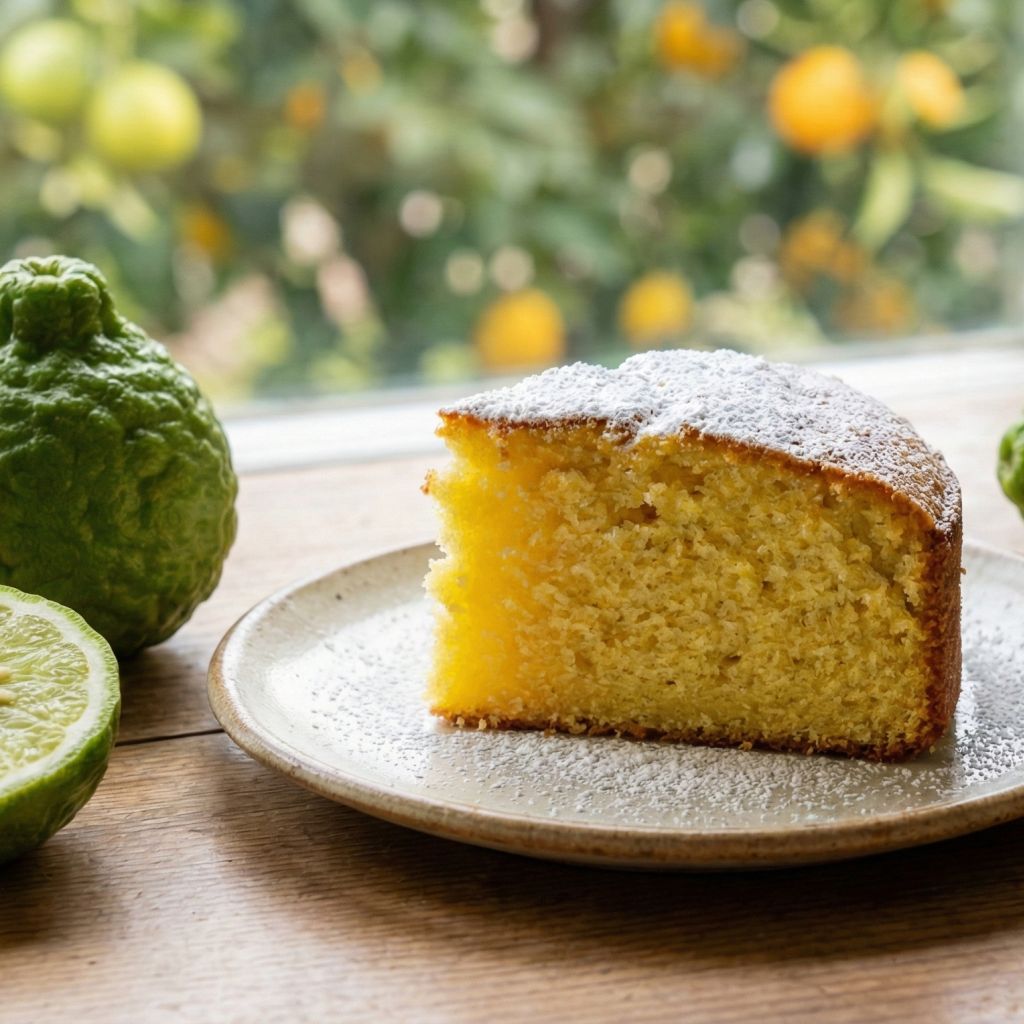
Ingredients
- 300g 00 Flour (Cake Flour)
- 200g Sugar
- 3 Eggs (Large)
- 100ml Seed Oil (Sunflower or Corn) - Makes it lighter than butter
- 100ml Fresh Bergamot Juice (about 2 fruits)
- 1 Organic Bergamot (Zest only)
- 1 sachet Baking Powder (16g)
- Pinch of Salt
- Substitute: If you can't find Bergamot, use 1 Lemon mixed with 1/2 Lime to mimic the flavor.
Chef's Secret: The "Sugar Rub" Technique
The flavor of the Bergamot is in the essential oils of the skin, not just the juice. To capture it all, grate the zest directly into the bowl of sugar before adding eggs. Then, use your fingertips to rub the zest into the sugar grains for 2 minutes. The sugar will turn moist and yellow, absorbing every molecule of aroma that would otherwise evaporate.
Preparation Steps
- The Aroma Base: Rub the Bergamot zest into the sugar as described above until fragrant.
- The Whip: Add the eggs and a pinch of salt to the infused sugar. Whip with an electric mixer for at least 5 minutes until the mixture is pale, fluffy, and tripled in volume (the "ribbon stage").
- The Liquids: Lower the mixer speed. Pour in the oil in a thin stream, followed by the freshly squeezed Bergamot juice.
- The Dry: Sift the flour and baking powder together. Incorporate them gently into the wet mixture using a spatula or whisk, mixing just until the flour disappears. Do not overmix or the cake will be tough.
- Baking: Grease and flour a round cake tin (24cm). Pour the batter in. Bake in a preheated oven at 180°C (350°F) for 35-40 minutes.
- The Test: Insert a toothpick in the center; if it comes out clean, it's ready.
- Serving: Let it cool completely. Dust generously with icing sugar. The flavor improves the next day!
Health Benefit
Bergamot juice is scientifically studied for its ability to help lower cholesterol. This cake is a delicious way to enjoy some of those heart-healthy properties!
Sciuriddi (Calabrian Zucchini Flower Fritters)
In summer, when the zucchini plants bloom, Calabrians harvest the bright yellow flowers to make Sciuriddi. These are not stuffed flowers (like the Roman style); they are chopped or left whole, dipped in a rich batter, and deep-fried until they become golden, crunchy clouds. They are the quintessential appetizer for a seaside lunch.
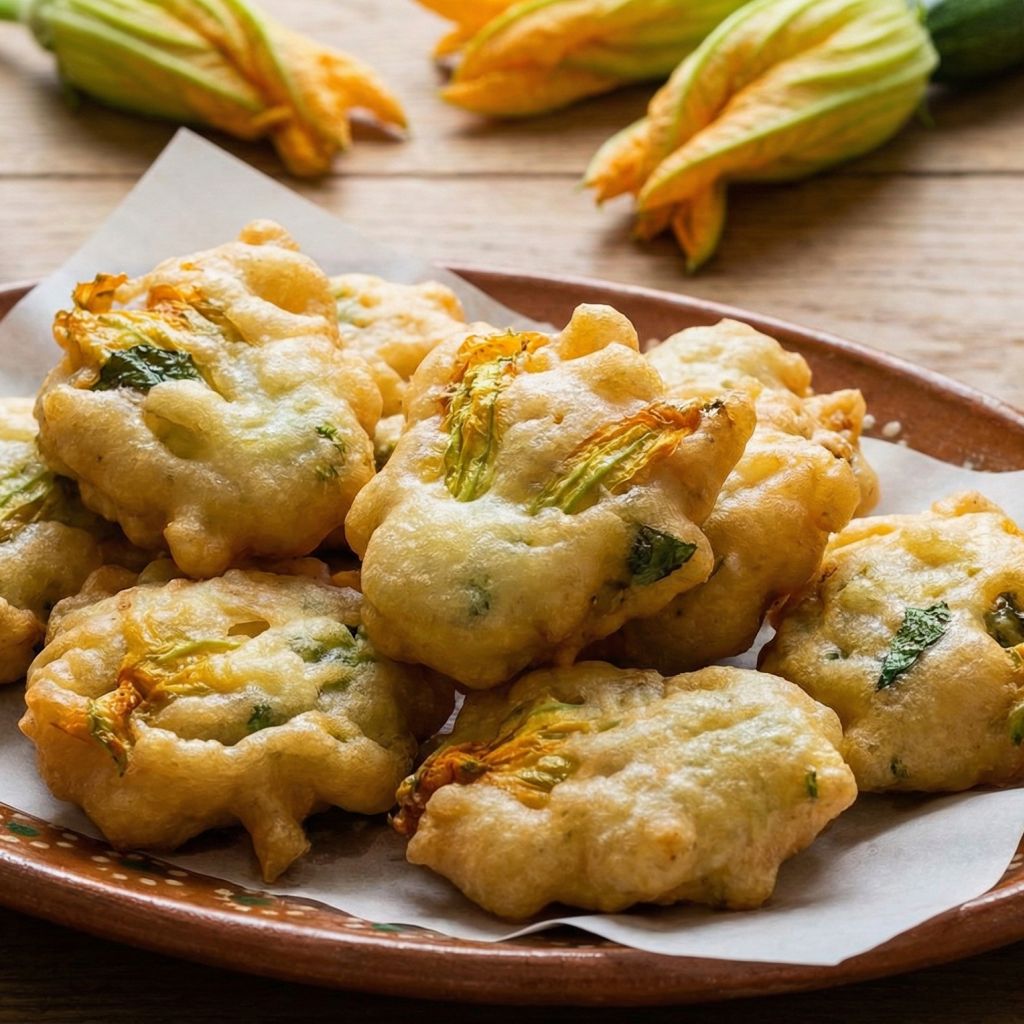
Ingredients
- 20 Fresh Zucchini Flowers (Male or Female, cleaned and pistil removed)
- 250g 00 Flour
- 200ml Sparkling Water or Beer (Ice cold!)
- 1 Egg (Optional, for a richer batter)
- 2 tbsp Parmesan or Pecorino Cheese (Grated)
- Fresh Mint or Parsley
- Salt and Black Pepper
- Peanut Oil for frying
- Optional: Small pieces of anchovy fillets inside the batter.
Chef's Secret: The Thermal Shock
The crispiness of a fritter depends on temperature contrast. Do not make the batter with room-temperature water. Use ice-cold sparkling water (or beer) straight from the fridge. When the icy batter hits the hot oil (170°C), it seals instantly, preventing the oil from soaking in and creating a super-crunchy shell.
Preparation Steps
- The Cleaning: Gently wash the flowers and pat them dry carefully (they are fragile). Remove the internal pistil and the green stem base. Slice them into strips (or leave whole if small).
- The Batter: In a bowl, place the flour. Whisk in the egg (if using) and gradually pour in the ice-cold sparkling water/beer. Whisk until smooth and thick like heavy cream.
- The Flavoring: Add the grated cheese, chopped mint, salt, and pepper to the batter.
- The Mixing: Fold the zucchini flowers gently into the batter until fully coated.
- The Frying: Heat the oil. Use a spoon to drop blobs of the mixture into the oil.
Tip: Don't fry too many at once, or the oil temperature will drop and they will become greasy. - The Finish: Fry for 3-4 minutes until puffed and dark gold. Drain on paper towels.
- Serving: Sprinkle with a pinch of salt and serve piping hot.
Variation
Some families create a leavened batter (adding a pinch of yeast and letting it rise for an hour) for a softer, bread-like fritter. The beer version described here is faster and crispier.
Pollo alla Calabrese (Spicy Chicken with Peppers and Olives)
While the coast relies on swordfish, the inland hills of Calabria rely on farm animals. This rustic chicken dish is a celebration of the countryside. It is a robust one-pot meal where chicken pieces are braised with sweet bell peppers, briny Calabrian black olives, and tangy capers. It is colorful, messy to eat (fingers are allowed!), and incredibly satisfying.
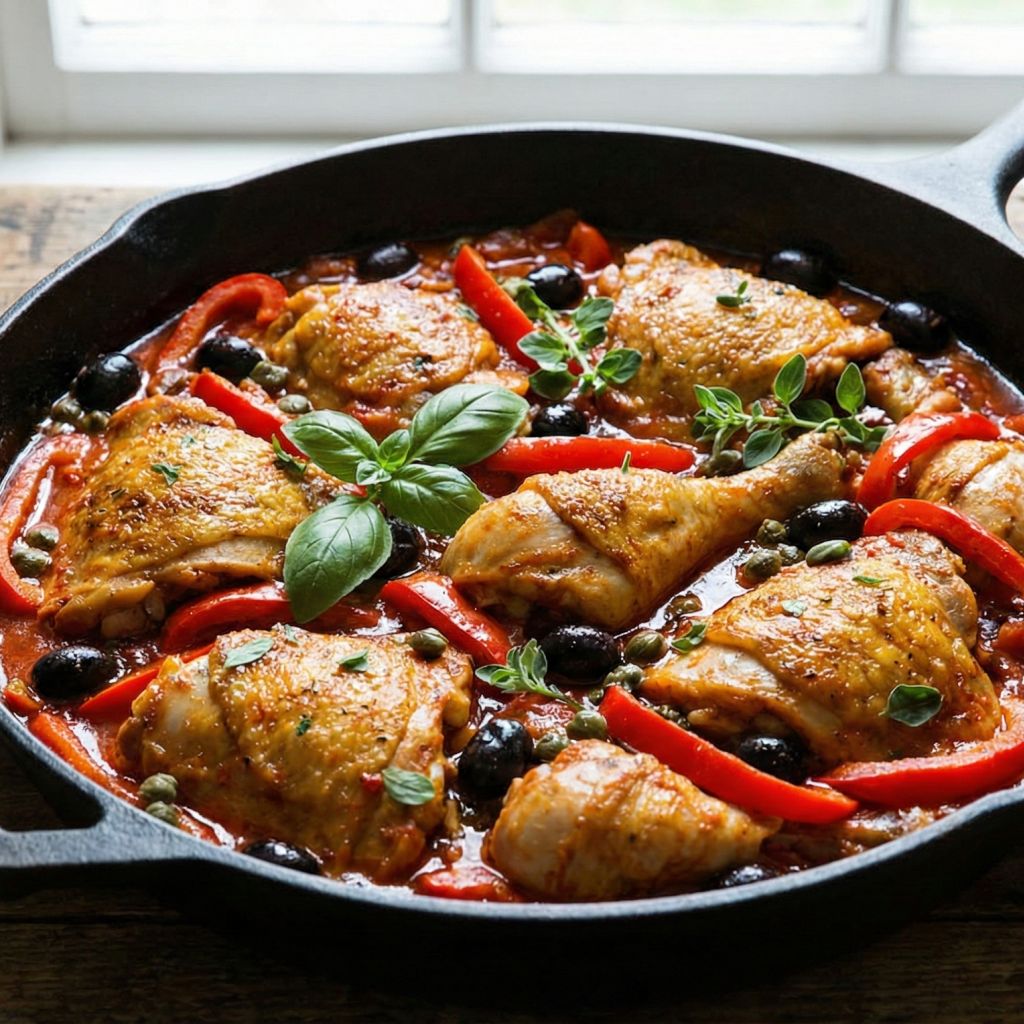
Ingredients
- 1 kg Chicken (Cut into pieces, skin on/bone in) - Breast dries out; use thighs and drumsticks!
- 2 Red Bell Peppers (Sliced into strips)
- 1 Red Onion (Sliced)
- 100g Black Baked Olives (Olive nere infornate) or Kalamata
- 2 tbsp Capers (Rinsed)
- 400g Canned Tomatoes (Polpa) or Fresh ripe tomatoes
- 1/2 cup White Wine
- 2 tbsp Red Wine Vinegar (The secret touch)
- 1 Fresh Chili Pepper
- Oregano and Olive Oil
Chef's Secret: The "Vinegar Finish"
What distinguishes the Calabrian version from a standard Hunter's Chicken (Cacciatora) is the acidity. We don't just use wine; we often finish the dish with a splash of red wine vinegar. This acidity cuts through the fat of the chicken skin and amplifies the sweetness of the peppers, creating a unique sweet-and-sour depth.
Preparation Steps
- The Sear: In a large, deep skillet (casserole), heat the olive oil. Season the chicken pieces with salt and pepper. Fry them on high heat until the skin is golden brown and crispy. Remove the chicken and set aside.
- The Veggies: In the same pan (don't clean it, keep the flavor!), add the sliced onions and peppers. Sauté for 10 minutes until softened.
- The Return: Put the chicken back into the pan with the vegetables. Add the chili pepper, olives, and capers.
- The Deglaze: Turn up the heat and pour in the white wine. Let it evaporate completely.
- The Stewing: Add the tomatoes and a sprinkle of dried oregano. Cover and simulate on low heat for about 35-40 minutes. The chicken should be falling off the bone.
- The Kick: 5 minutes before the end, uncover the pan. If the sauce is too runny, let it reduce. Finally, splash the vinegar over the chicken and cook for the final minutes to let the strong acid smell evaporate, leaving only the flavor.
Serving Suggestion
This dish demands bread. The sauce (intingolo) created by the chicken juices, peppers, and tomatoes is arguably the best part of the meal. Serve with slices of crusty sourdough to mop up the plate.
Spaghetti con la Sardella (Pasta with the "Caviar of the South")
If 'Nduja is the king of Calabrian meat, Sardella (also known as Rosamarina) is the queen of the sea. Originating from the Ionian coast (Crotone and Cariati), this is a fiery, bright red paste made of tiny fish, chili pepper, and wild fennel. It is intensely savory, salty, and spicy. While often eaten simply spread on bread with butter, it creates one of the fastest and most flavorful pasta dishes you will ever eat.
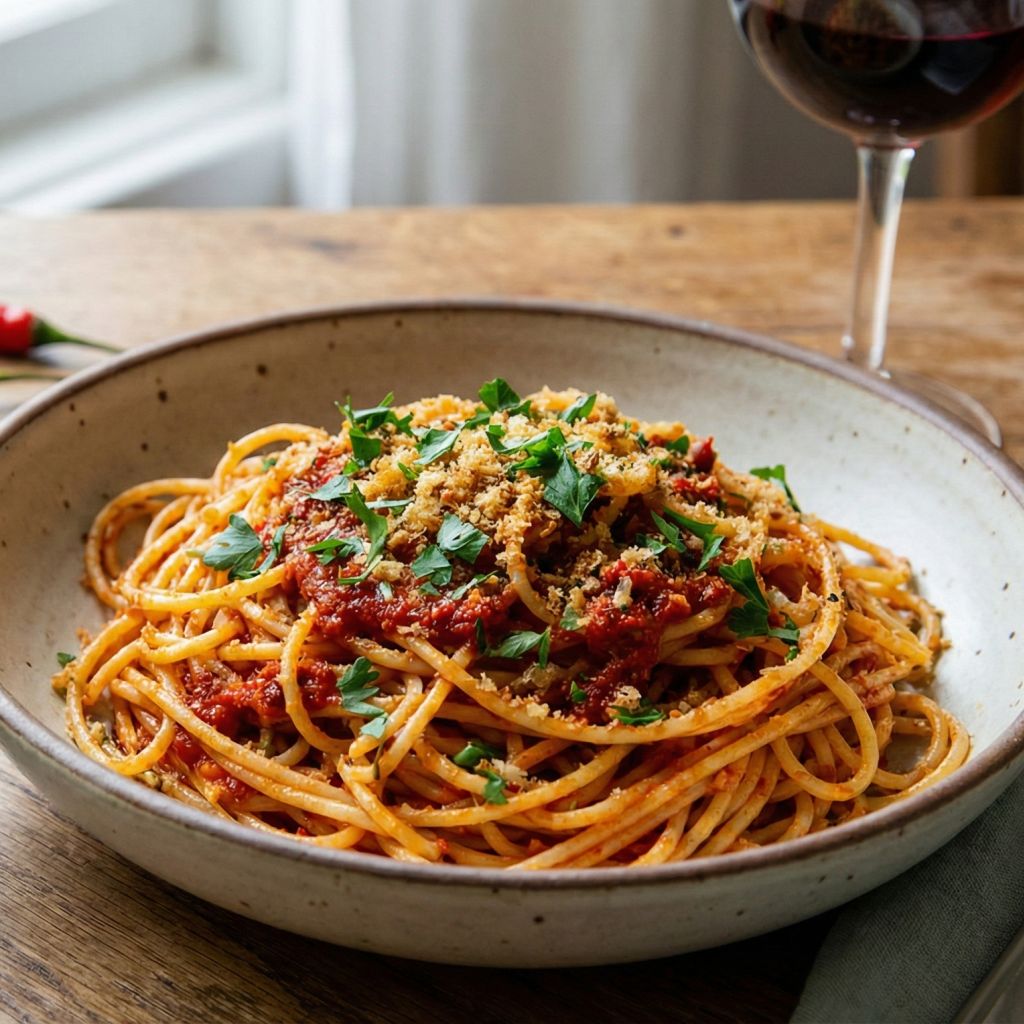
Ingredients
- 400g Spaghetti (Thick variety, n.5 or n.7)
- 2 generous tbsp Sardella/Rosamarina (Spicy Fish Paste)
- 1 Clove of Garlic (Whole, peeled)
- Extra Virgin Olive Oil (Abundant)
- Fresh Parsley (Chopped)
- Optional: Toasted breadcrumbs ("Muddica") on top.
- Note: Do NOT add salt to the pasta water or the sauce. The Sardella is extremely salty by nature.
Chef's Secret: Melt, Don't Cook
Sardella is a cured product. If you fry it in boiling oil, it becomes bitter and loses its delicate fennel aroma. The secret is to heat the oil with the garlic, turn off the heat, and then dissolve the Sardella in the warm oil. It must melt into a cream gently, not fry.
Preparation Steps
- The Pasta: Boil the spaghetti in unsalted (or very lightly salted) water.
- The Base: While the pasta cooks, heat 4-5 tablespoons of olive oil in a skillet with the garlic clove. Once the garlic is golden, remove it and switch off the flame.
- The Melting: Add the spoons of Sardella to the warm oil. Add one ladle of starchy pasta cooking water. Stir rapidly with a wooden spoon or whisk until the paste dissolves into a creamy, bright orange-red sauce.
- The Finish: Drain the spaghetti al dente. Transfer them immediately into the skillet with the Sardella cream. Turn the heat to low for 30 seconds, tossing continuously to coat every strand.
- Serving: Serve immediately with fresh chopped parsley. Avoid grated cheese (it clashes with the strong fish taste); use toasted breadcrumbs if you want crunch.
A Cultural Note
True locals distinguish between "Sardella" (made with sardines) and "Rosamarina" (made with icefish). Regardless of the type, it is considered a delicacy reserved for guests who appreciate strong, authentic flavors.
Tonno con Cipollata (Fresh Tuna with Sweet & Sour Onions)
Along the coast of Vibo Valentia and Pizzo, the tradition of tuna fishing dates back to Roman times. This dish is a celebration of the catch. Thick steaks of fresh tuna are paired with a mountain of sweet Tropea red onions, cooked down into a jammy, sweet-and-sour relish ("Cipollata") that cuts perfectly through the rich, oily texture of the fish.
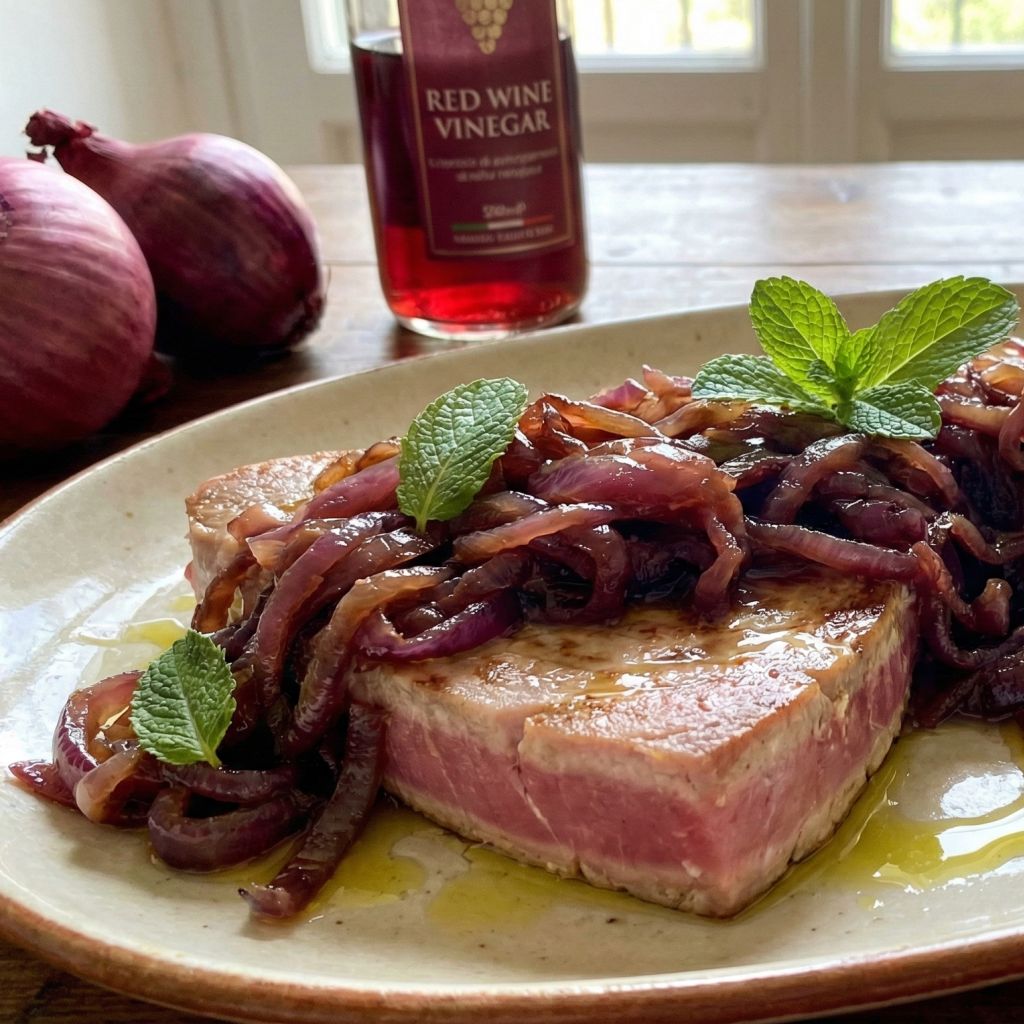
Ingredients
- 4 Fresh Tuna Steaks (about 2cm thick)
- 1 kg Red Onions of Tropea (They shrink a lot!)
- 50ml Red Wine Vinegar
- 1 tbsp Sugar
- Extra Virgin Olive Oil
- Fresh Mint (Optional)
- Salt and Flour (for dusting)
Chef's Secret: The "Resting" Period
This dish belongs to the category of "scapece" or marinated foods. While delicious hot, it is infinitely better if you let it rest. Cooking the tuna and onions, assembling them, and letting them sit at room temperature for 2 hours allows the vinegar to penetrate the fish fibers, making them tender and flavorful.
Preparation Steps
- The Onions (Cipollata): Peel and slice the onions thinly. Place them in a large pan with olive oil and a pinch of salt. Cover and cook on very low heat for 20 minutes. They must steam in their own juices, not fry.
- The Agrodolce: When the onions are very soft and translucent, turn up the heat. Add the sugar and pour in the vinegar. Stir gently until the vinegar evaporates and the onions look glossy and jammy. Remove from heat and set aside.
- The Tuna: Lightly flour the tuna steaks (shake off excess). Heat a clean skillet with olive oil.
- The Sear: Fry the tuna steaks for 2-3 minutes per side.
Warning: Do not overcook! The center should remain slightly pink, or the tuna will become dry and tough like canned meat. - The Marriage: Place the tuna steaks on a serving platter. Cover them completely with the warm sweet-and-sour onions.
- Serving: Garnish with fresh mint leaves. Serve warm or at room temperature.
Variation
If you cannot find fresh Tuna, this onion relish (Cipollata) is traditionally served also on fried Swordfish or even simply on toasted bruschetta.
Pitta Chijna (Calabrian Stuffed Focaccia)
We mentioned "Pitta" bread as the perfect companion for Morzello, but this bakery specialty deserves its own spotlight. Pitta is a ring-shaped, flattened bread with a crunchy crust and soft crumb. The "Chijna" (Stuffed) version is baked with a rich filling already inside. It is the ultimate picnic food, typically stuffed with tuna, tomatoes, olives, and pickled peppers.
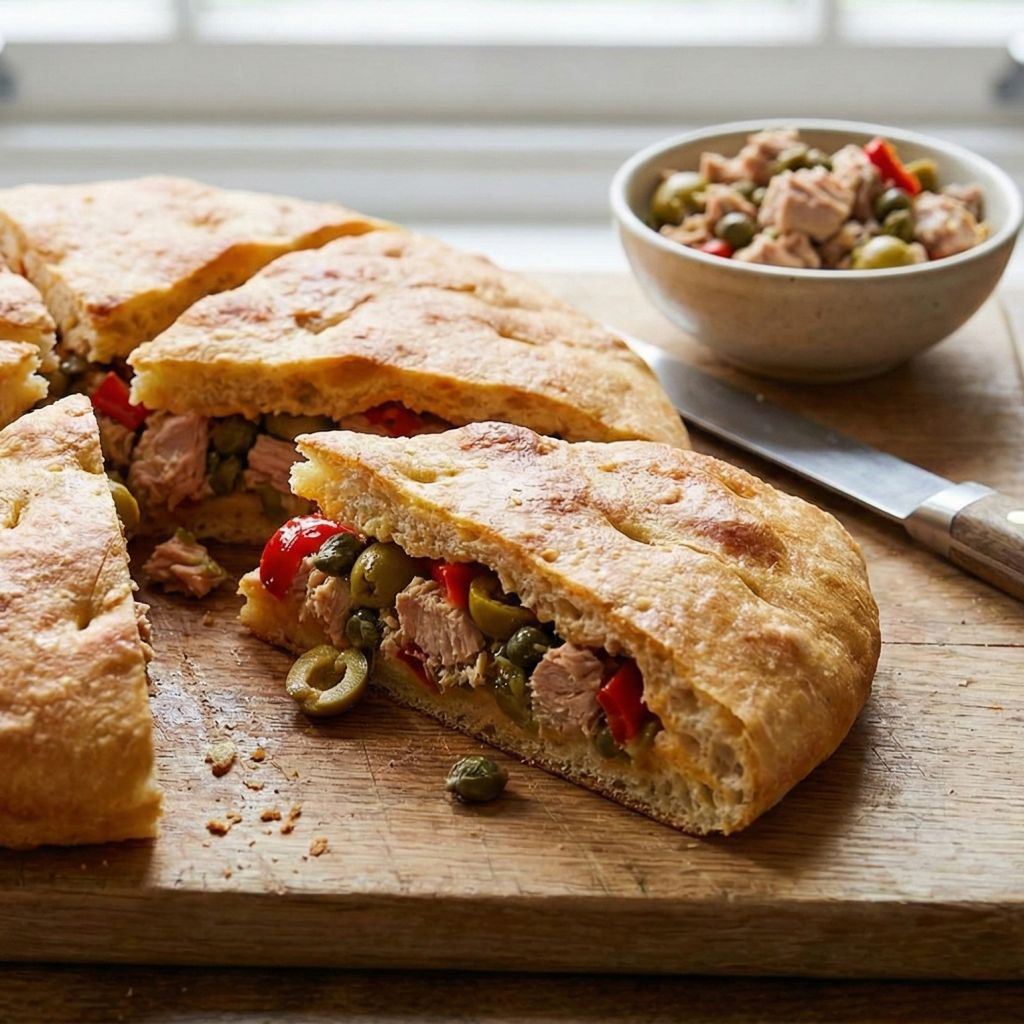
Ingredients
- 500g 00 Flour (or a mix with Semolina)
- 300ml Water (Warm)
- 12g Fresh Yeast
- 1 tsp Sugar
- 10g Salt
- 3 tbsp Olive Oil
- The Filling: 200g Canned Tuna (drained), 100g Green Olives (sliced), 100g Dried Tomatoes or Pickled Peppers, Capers.
Chef's Secret: The "Oven-Door" Trick
Pitta needs to dry out slightly to be crunchy, not chewy like Neapolitan pizza. Bake it at high temperature (220°C) first to puff it up. Then, lower the temperature to 180°C and crack the oven door open slightly (use a wooden spoon to keep it ajar) for the last 10 minutes. This releases humidity and guarantees that famous "biscuit-like" crust.
Preparation Steps
- The Dough: Dissolve yeast and sugar in warm water. Mix flour and salt in a bowl. Add the water and oil. Knead vigorously for 10 minutes until smooth.
- First Rise: Cover and let rise in a warm place for 2 hours (until doubled).
- The Division: Divide the dough into two parts (one slightly larger for the bottom).
- The Layering: Oil a round baking pan. Stretch the larger dough piece by hand (don't use a rolling pin!) to cover the bottom and sides.
- The Filling: Spread the tuna, olives, and peppers evenly over the base.
- The Closing: Stretch the second piece of dough and place it on top. Seal the edges tightly by pinching them.
- Second Rise: This is crucial. Let the stuffed Pitta rise in the pan for another 30-40 minutes.
- Baking: Brush the top with plenty of olive oil and poke holes with a fork to let steam escape. Bake at 220°C (430°F) for 20 minutes, then lower to 180°C for another 10-15 minutes until deep golden.
Serving Suggestion
Pitta Chijna is rarely eaten hot. It must cool down completely to allow the flavors of the filling to infuse the crumb. It is arguably the best "lunchbox" meal in Calabria.
Petrali (Reggio's Stuffed Christmas Crescents)
In Reggio Calabria, Christmas hasn't started until the Petrali appear. These half-moon pastries are the pinnacle of local baking. While the shell is a delicate shortcrust, the soul of the Petrali is the filling: a dark, complex paste made of dried figs, nuts, coffee, cacao, and citrus zest that is prepared days in advance. They are a labor of love.
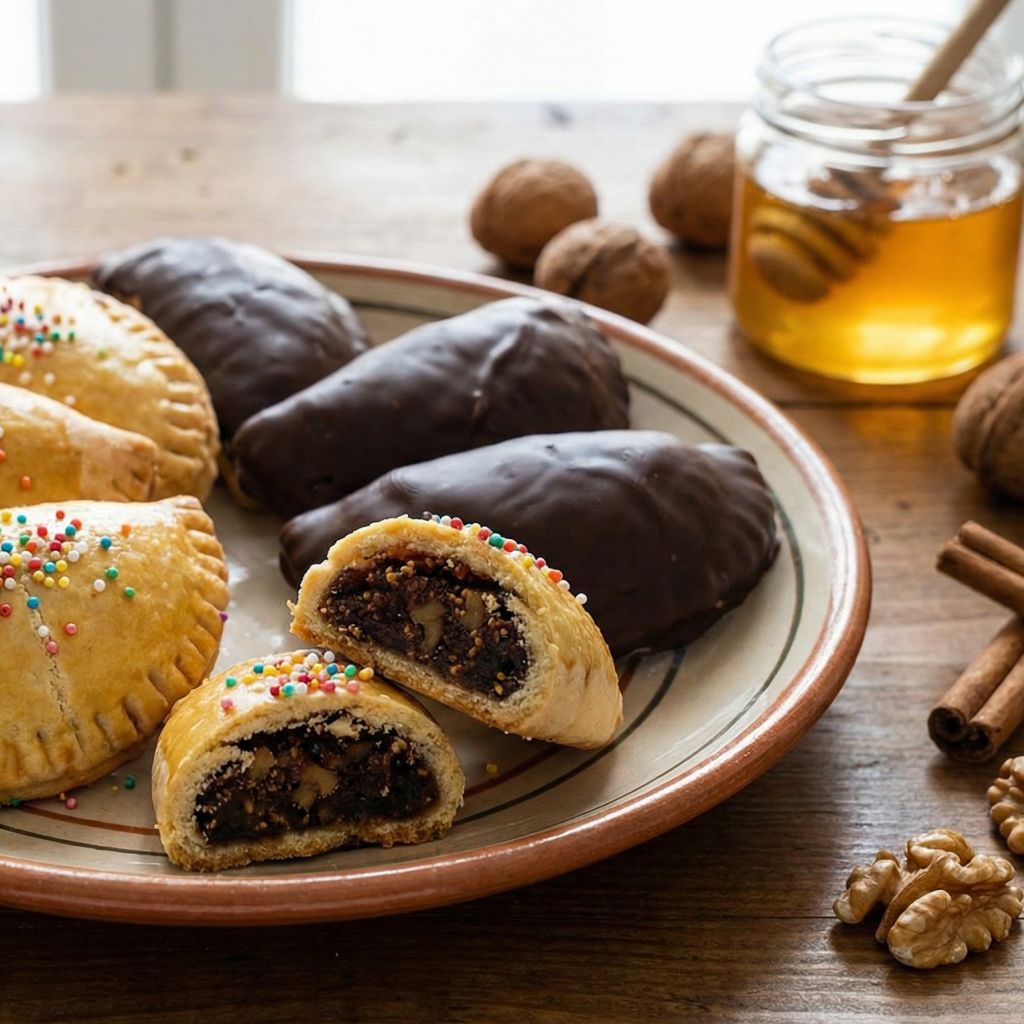
Ingredients
- For the Pastry: 500g Flour, 150g Sugar, 150g Butter (or Lard), 3 Eggs, Lemon Zest, 1/2 sachet Baking Powder.
- The Filling: 250g Dried Figs (steeped in coffee), 100g Walnuts, 100g Almonds, 50g Raisins, Orange & Mandarin Zest, 1 shot of Espresso, 1 shot of Anise Liqueur, 2 tbsp Cocoa Powder, Honey.
- Decoration: Egg wash and Colored Sprinkles (Diavulicchi) or Dark Chocolate Glaze.
Chef's Secret: The "Resting" Filling
You cannot rush a Petrale. The filling must be minced and mixed at least 3 days before baking. This allows the dried figs to absorb the coffee and liqueur, and the spices to blend with the nuts. If you use the filling immediately, the taste will be disjointed and flat.
Preparation Steps
- The Filling (Days Ahead): Mince the figs, walnuts, almonds, and raisins finely. Mix them in a bowl with the cold espresso, liqueur, cocoa, honey, and citrus zest. Cover and let it marinate in a cool place for 3 days, stirring occasionally.
- The Dough: Prepare the shortcrust pastry by mixing flour, sugar, and butter until crumbly, then adding eggs and zest. Knead briefly, wrap, and chill for 30 minutes.
- The Rolling: Roll out the dough thinly (3mm). Cut out circles using a glass or cutter (about 8-10cm diameter).
- The Shaping: Place a spoonful of the dark filling in the center. Fold the circle in half to create a crescent (half-moon). Seal the edges by pressing with a fork or pinching them.
- Baking: Brush with beaten egg and top with sprinkles. Bake at 180°C (350°F) for 15-20 minutes until golden.
- Variation: Some families prefer to bake them plain and then dip the top in melted dark chocolate once cooled.
A Gift of Tradition
Because of their richness and long shelf life, Petrali were historically used as a wedding gift or a precious present for important guests during the holidays.
Giurgiulena (Calabrian Sesame Brittle)
This sweet is a crunchy testament to the Arabic influence on Calabrian cuisine. Its name comes from the Arabic word "Juljulan" (Sesame). It is a torrone-like brittle made almost entirely of sesame seeds bound together by honey and caramelized sugar. It is incredibly aromatic, packed with energy, and naturally gluten-free.
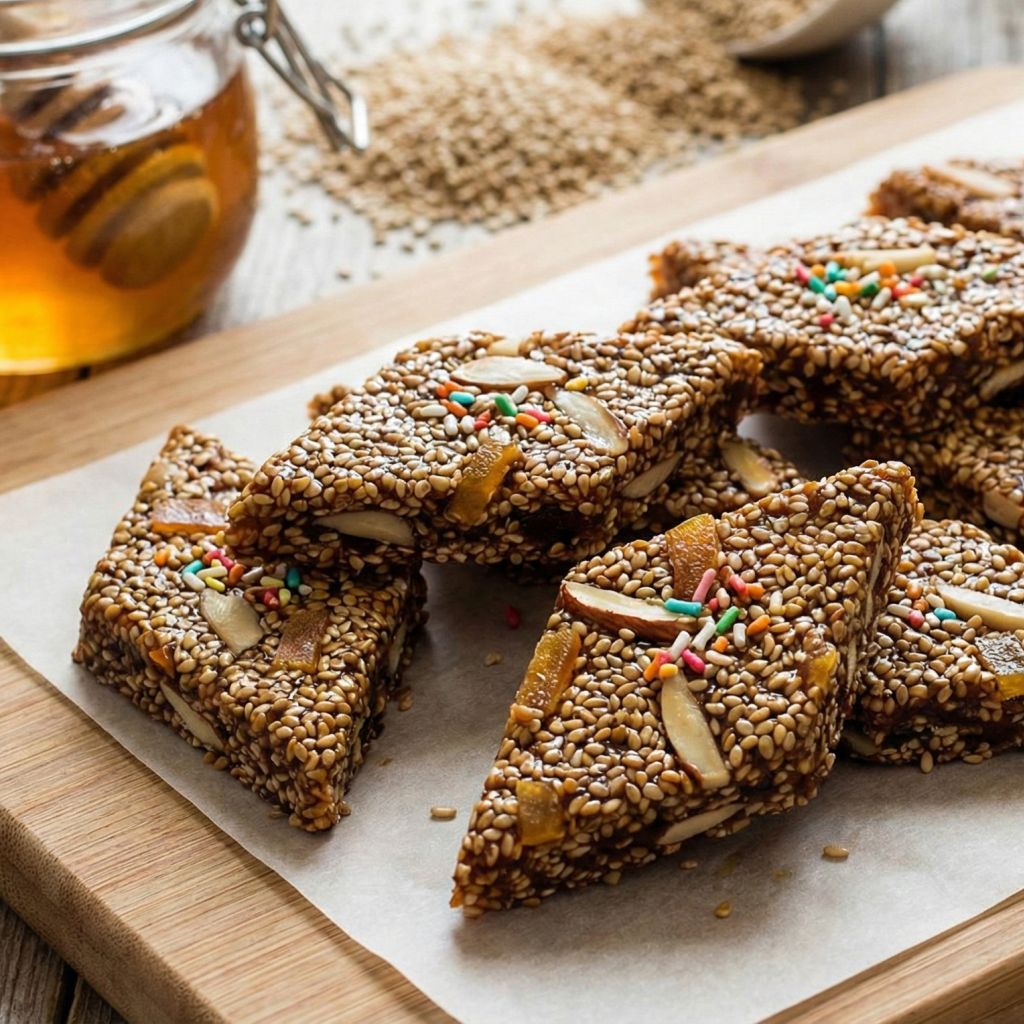
Ingredients
- 500g Sesame Seeds
- 300g Honey (Millefiori)
- 150g Sugar
- 100g Almonds (Toasted and chopped)
- Orange and Lemon Zest (Cut into thin strips, not grated)
- 1 tsp Cinnamon
- Optional: Colored sprinkles for decoration.
Chef's Secret: The "Hot Cut"
Giurgiulena solidifies into a rock-hard slab once cooled. The secret is timing. You must pour the hot mixture onto a marble slab or wet parchment paper, flatten it quickly with a lemon half (to prevent sticking), and cut it into diamond shapes while it is still warm. If you wait until it cools, you will need a hammer!
Preparation Steps
- The Melting: In a large, heavy-bottomed pot, pour the honey and sugar. Cook on low heat, stirring constantly, until the sugar has dissolved and the honey starts to foam and caramelize slightly (amber color).
- The Mixing: Pour in the sesame seeds, the chopped almonds, and the citrus zest strips.
- The Cooking: Continue to cook on low heat, stirring continuously with a wooden spoon. The sesame seeds must toast inside the hot honey. Cook for about 15-20 minutes until the mixture turns a dark golden brown and smells nutty. Add cinnamon at the end.
- The Pouring: Prepare a surface (marble or parchment paper) lightly oiled. Pour the hot lava-like mixture onto it.
- The Leveling: Use a half lemon (flesh side down) or a wet spatula to press the mixture down to a thickness of about 1 cm.
- The Cutting: Wait 5 minutes for it to set slightly but still be pliable. Use a sharp, oiled knife to cut lozenges or squares.
- Cooling: Let the pieces cool completely before separating them. Store in a tin box or wrapped in foil.
A Bite of History
Because it is made of seeds and honey, this sweet has an incredibly long shelf life. Ancient travelers and shepherds used to carry pieces of Giurgiulena in their pockets as a high-energy snack during long journeys.
Marmellata di Peperoncino (Sweet & Spicy Chili Jam)
In Calabria, chili pepper isn't just a spice; it's a way of life. This jam transforms the fiery "Diavolicchio" into a glossy, ruby-red spread that is simultaneously sweet, spicy, and tangy. It is rarely eaten on toast; instead, it is the sophisticated companion to a board of aged cheeses like Pecorino or Caciocavallo, creating an addictive contrast.
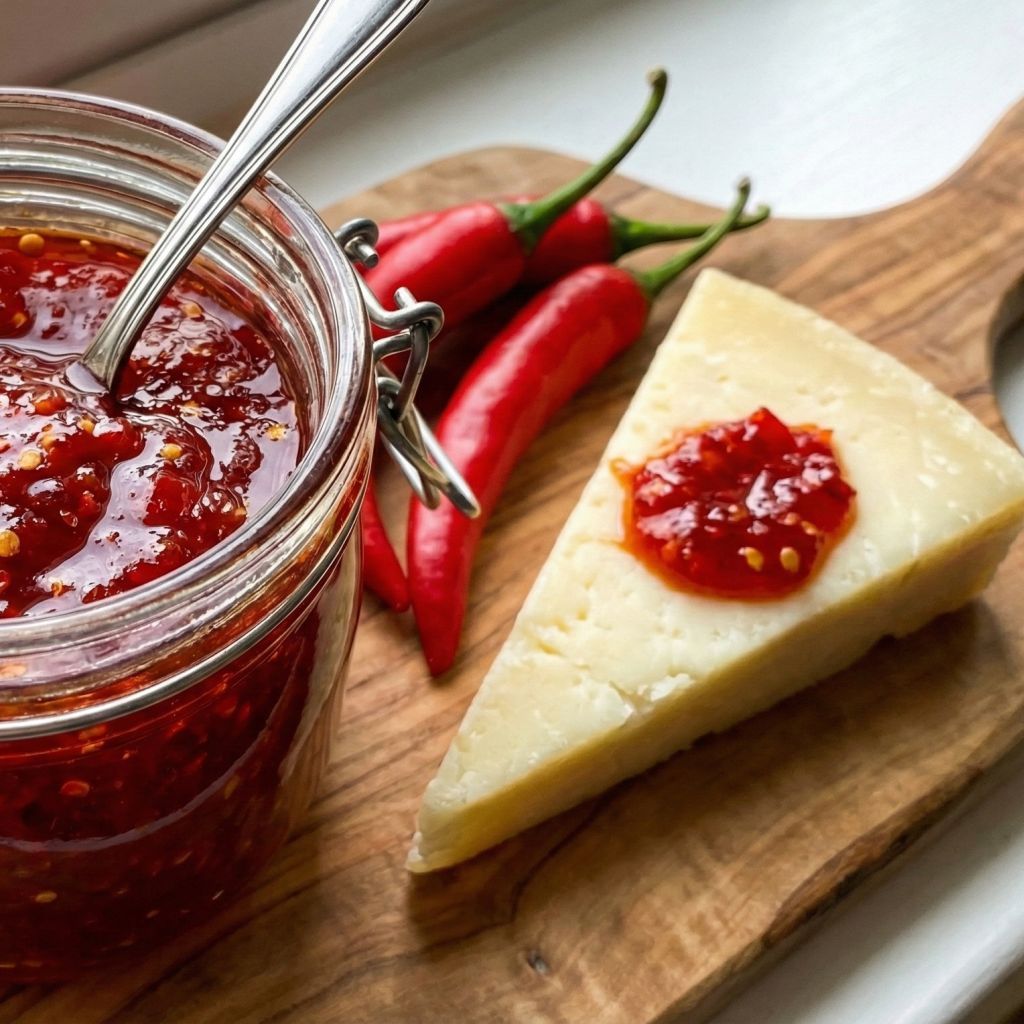
Ingredients
- 200g Fresh Hot Red Chilies (Calabrian variety)
- 800g Sweet Red Bell Peppers (To balance the heat and add body)
- 500g Sugar
- 1 Red Apple (Granny Smith or similar) - The natural thickener
- 50ml Red Wine Vinegar (optional, for acidity)
- Pinch of Salt
Chef's Secret: The Apple Trick
Chilies and peppers have very little natural pectin, so the jam often turns out too liquid. Instead of using chemical gelling agents, Calabrians add a grated apple (with peel) to the pot. The natural pectin in the apple thickens the jam perfectly without altering the spicy flavor.
Preparation Steps
- Safety First: Wear latex gloves! Handling this amount of chili can cause severe burning to your skin and eyes.
- The Cleaning: Wash and dry the peppers and chilies. Remove the stems.
Heat Control: If you want a milder jam, remove all the seeds from the hot chilies. For a fiery jam, leave half of the seeds in. - The Cut: Dice the sweet peppers and hot chilies very finely (or pulse them briefly in a food processor, but don't puree them yet).
- The Pot: Place the peppers, chilies, sugar, and the peeled/grated apple in a heavy-bottomed pot. Add a pinch of salt.
- The Maceration: Let it sit for 1 hour so the sugar draws out the juices.
- The Cooking: Cook on low heat for about 40-50 minutes, stirring often. The mixture should thicken and become glossy.
- The Blending (Optional): For a smooth jam, use an immersion blender. For a rustic version, leave it chunky.
- The Test: Place a drop on a cold plate. If it doesn't run, it's ready. Pour into sterilized jars while hot.
Serving Suggestion
Serve a dollop of this jam on top of a slice of aged Pecorino Crotonese or grilled Ricotta. The heat hits you first, followed immediately by the sweetness that calms the palate.
Olive Ammaccate (Crushed Calabrian Green Olives)
While jarred olives are common, fresh "Crushed" olives are a delicacy you can only make during the harvest season. The name comes from the method: fresh green olives are smashed one by one with a stone (not cut with a knife!). This cracks the pit and tears the flesh, allowing the water to penetrate and remove the bitterness, resulting in a crunchy, meaty appetizer.
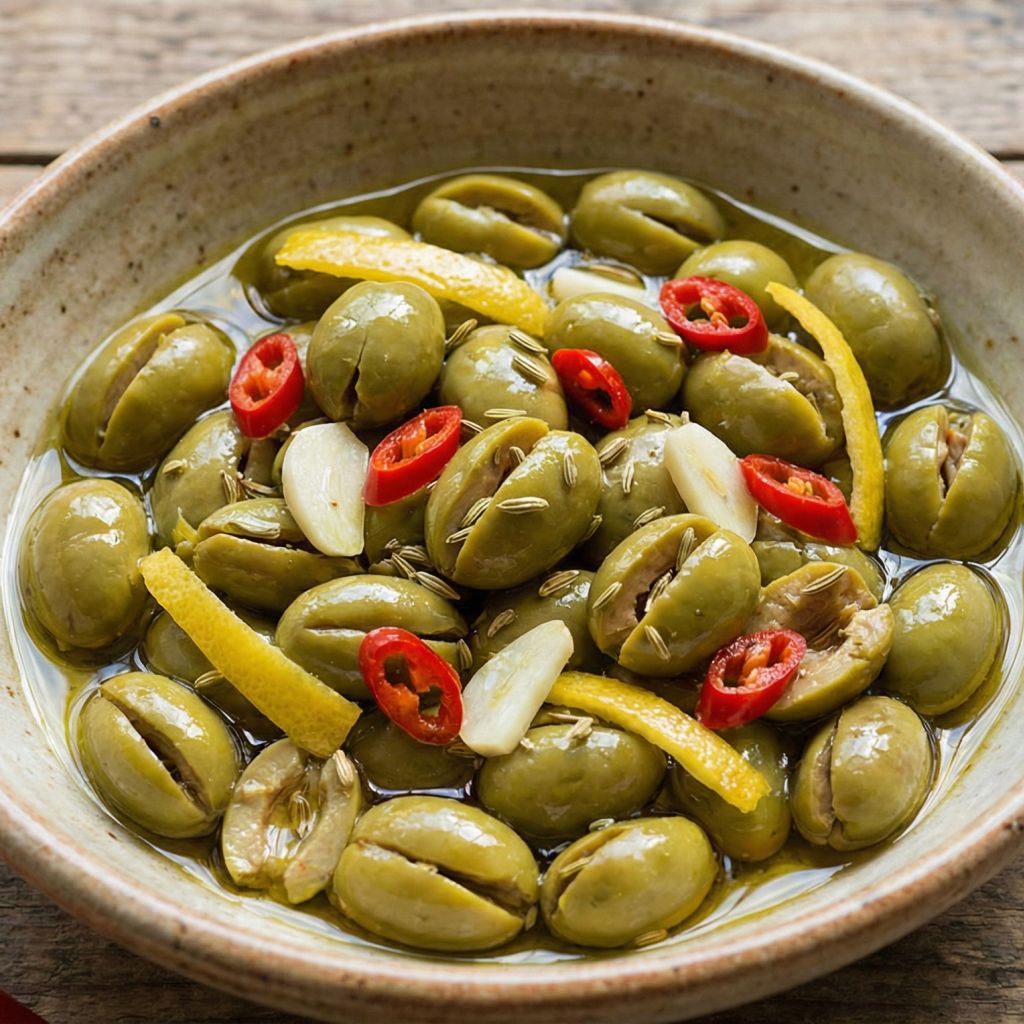
Ingredients
- 1 kg Fresh Green Olives (Large variety like Carolea, firm and unbruised)
- Water (Plenty for soaking)
- 2 Cloves of Garlic (Sliced)
- 2 Fresh Chili Peppers (Sliced)
- 1 tbsp Fennel Seeds (Wild fennel is best)
- Lemon Peel (Cut into strips)
- Salt
- Extra Virgin Olive Oil
Chef's Secret: The "River Stone" Technique
Purists say you must use a smooth river stone to smash the olives. Using a metal meat mallet often bruises the fruit too much. The goal is to crack the pit without pulverizing the olive. Also, wear old clothes: the olive juice sprays everywhere and stains fabric permanently!
Preparation Steps
- The Smash: Wash the olives. Place them one by one on a wooden board and hit them firmly with a clean stone until they crack open. Do not remove the pit (it keeps the structure). Remove any damaged olives.
- The De-bittering (The Long Wait): Place the crushed olives in a large bucket and cover with cold water.
Crucial: You must change the water every single day for about 5-7 days. Taste one on day 5; if it's still bitter, keep soaking. - The Squeeze: Once sweet, drain them and press them firmly with a clean cloth to remove excess water.
- The Dressing: In a large bowl, toss the olives with salt (about 40g per kg), garlic slices, chili peppers, fennel seeds, lemon peel, and enough olive oil to coat them glisteningly.
- Serving: You can eat them immediately, but they taste best after marinating for 24 hours. They keep in the fridge for weeks if covered in oil.
How to Eat
These olives are the centerpiece of the "Calabrian Antipasto," served alongside Pecorino cheese, Soppressata, and crusty bread. Warning: they are addictive.
Insalata di Arance e Cipolla (Calabrian Citrus Salad)
In Calabria, salad isn't just lettuce. In winter, when the citrus groves are heavy with fruit, locals prepare this refreshing, vibrant salad. It is typically served as an appetizer or a side dish to roast pork, as the acidity of the oranges cuts through the fat perfectly. The sweetness of the Tropea onion meets the tartness of the orange and the heat of the chili for a fireworks display on the palate.
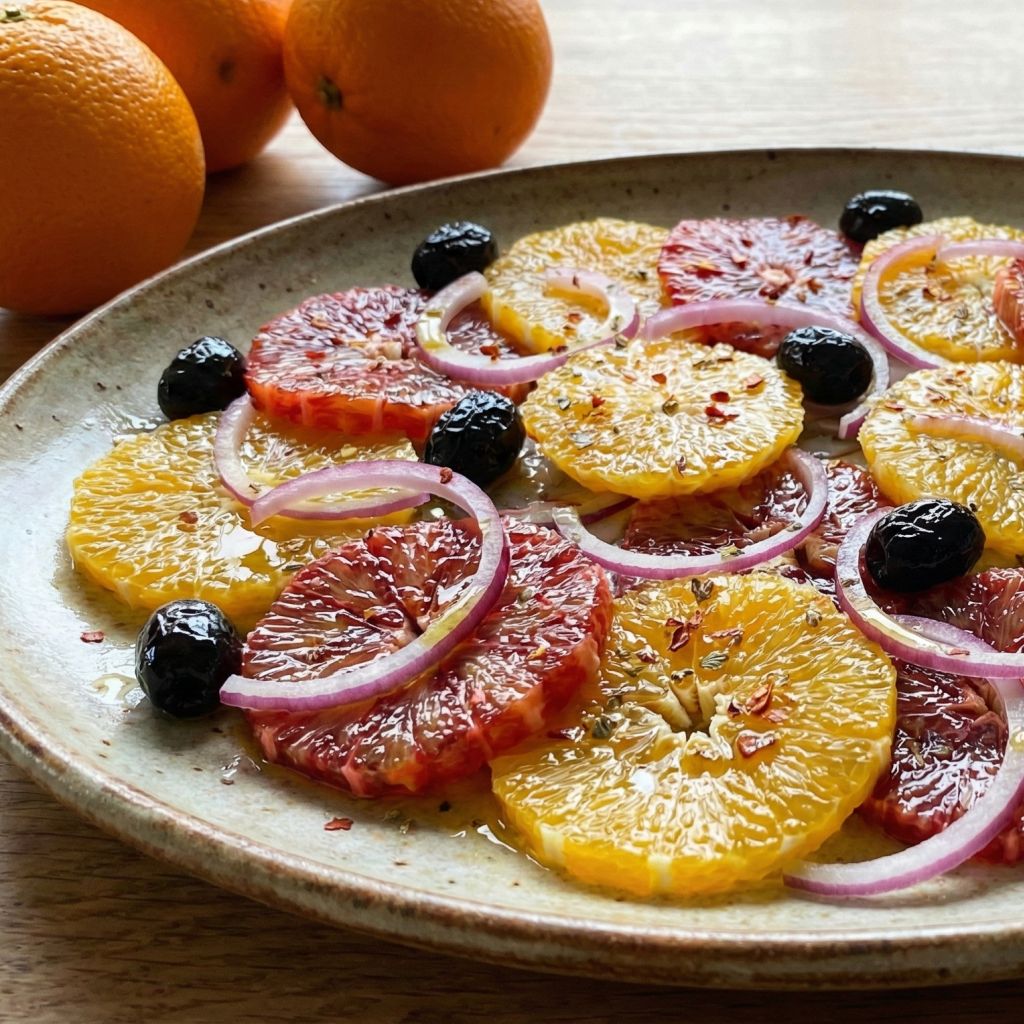
Ingredients
- 2 Large Navel or Blood Oranges
- 1 Red Onion of Tropea (Medium)
- 50g Black Baked Olives (Olive nere infornate)
- Extra Virgin Olive Oil (Generous amount)
- Pinch of Dried Oregano
- Pinch of Red Chili Flakes (Peperoncino)
- Salt
- Optional: Finely sliced fennel bulb for extra crunch.
Chef's Secret: The Ice Water Bath
Even sweet Tropea onions can have a sharp bite when raw. The secret is to slice the onion into paper-thin rings and immediately soak them in a bowl of ice-cold water for 10-15 minutes before serving. This makes them incredibly crisp and removes the sulfurous aftertaste, leaving only the sweetness.
Preparation Steps
- The Onion: Peel and slice the onion into very thin rings. Soak them in ice water (as per the secret above).
- The Oranges: Peel the oranges using a knife, removing not just the skin but also the bitter white pith (albedo), exposing the flesh. Slice them horizontally into rounds (wheels) about 0.5 cm thick.
- The Assembly: Arrange the orange wheels on a serving platter.
- The Topping: Drain and pat dry the onion rings. Scatter them over the oranges. Add the black olives.
- The Dressing: In a small cup, whisk the olive oil, salt, chili flakes, and oregano. Drizzle this dressing generously over the salad.
- Resting: Let the salad sit for 5-10 minutes before serving so the orange juices mix with the oil to create a natural vinaigrette.
Variation: The "Cedro" Salad
On the "Riviera dei Cedri" (North Calabria), this salad is often made with thin slices of Cedro (Citron), eaten skin and all, instead of oranges. It offers a more floral, aromatic experience.
Zucchine alla Scapece (Mint & Vinegar Marinated Zucchini)
Known in some areas as "Zucchine alla Poverella," this is the ultimate summer side dish. It is incredibly simple but requires patience. Sliced zucchini are fried and then marinated in a dressing of fresh mint, garlic, and vinegar. The result is a refreshing, tangy dish that cuts through rich flavors and tastes even better the next day.
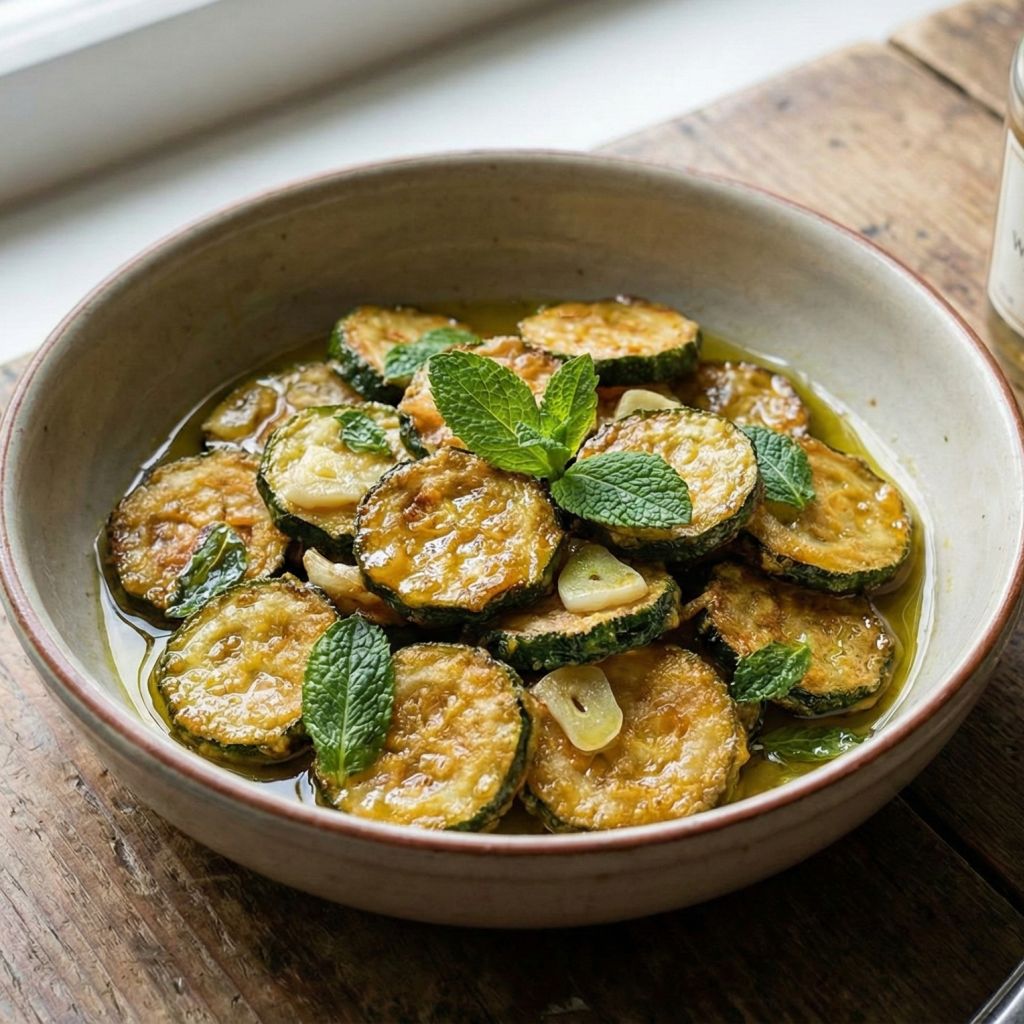
Ingredients
- 1 kg Zucchini (Small, light green variety has fewer seeds)
- Fresh Mint (A generous bunch)
- 2 Cloves of Garlic (Sliced)
- 50ml White Wine Vinegar (or Apple Cider Vinegar for a milder taste)
- Extra Virgin Olive Oil (for dressing)
- Peanut Oil (for frying)
- Salt
Chef's Secret: The "Sun Tan"
The mistake everyone makes is frying fresh, watery zucchini. The Calabrian secret is to slice them into rounds and lay them out on a clean tablecloth in the sun (or a dry spot) for 2 hours. This dehydration concentrates the sugar and flavor, and prevents the zucchini from absorbing too much oil during frying. They become nutty and sweet rather than soggy.
Preparation Steps
- The Cut: Wash and trim the zucchini. Slice them into rounds about 3-4mm thick. Lay them out to dry as per the secret above.
- The Fry: Heat the peanut oil. Fry the zucchini rounds in batches until they are golden brown and slightly blistered. Drain on paper towels.
- The Dressing: While the zucchini are still warm, transfer them to a bowl. Season with salt, the sliced garlic, and torn mint leaves.
- The Splash: Drizzle with the vinegar and a little fresh olive oil. Toss gently to coat.
- The Marination: Cover the bowl and let it rest for at least 2 hours (or overnight in the fridge). The zucchini will act like sponges, soaking up the minty vinegar aroma.
- Serving: Serve at room temperature as a side dish for grilled meat or simply on bruschetta.
Why "Scapece"?
The term comes from the Spanish "Escabeche," referring to the vinegar preservation method brought to Southern Italy during the Spanish domination. It is a delicious piece of edible history.
Pipi Chini (Calabrian Stuffed Peppers)
In Calabria, stuffing vegetables is an art form. Unlike the heavy meat-stuffed peppers found elsewhere, Pipi Chini rely on a savory, aromatic filling of breadcrumbs and cheese. Traditionally made with locally grown round peppers or short horn peppers, they are roasted until the skin blisters and the inside becomes a soft, cheesy delight.
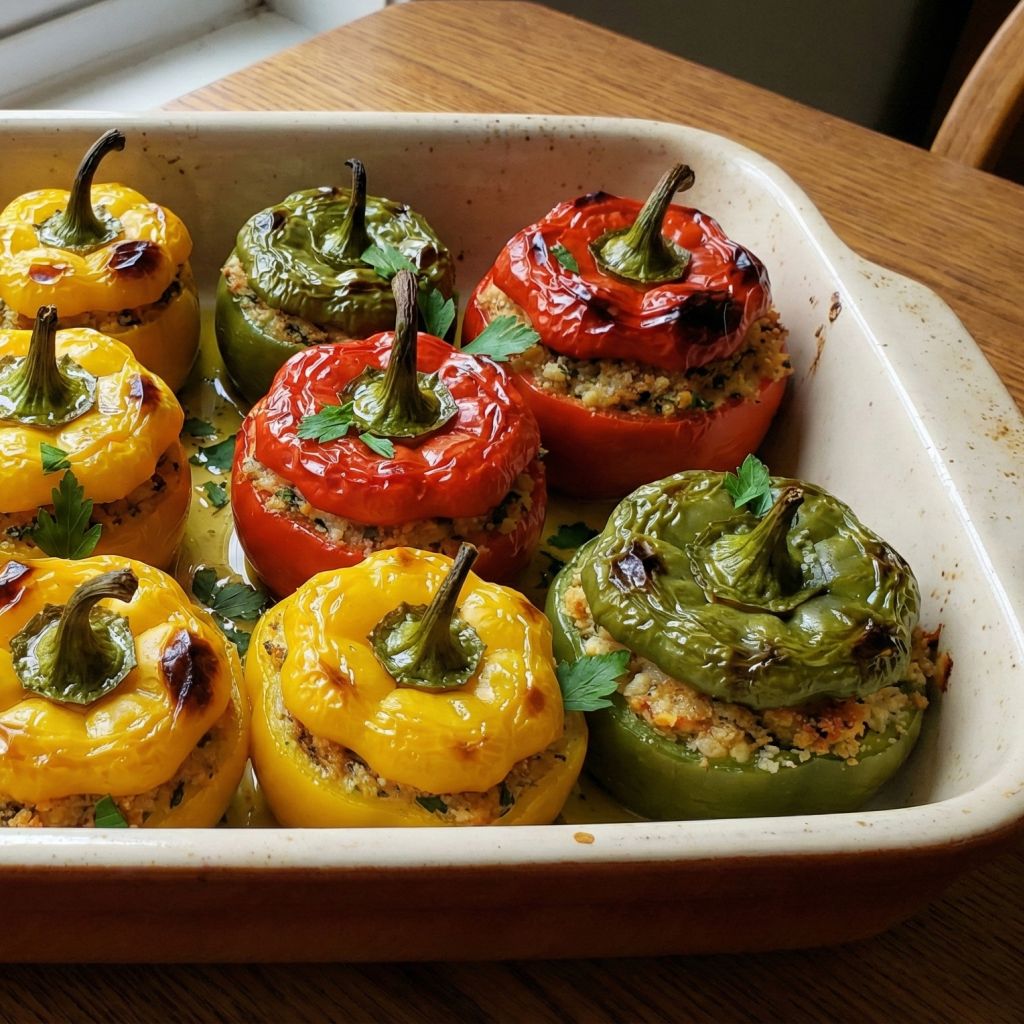
Ingredients
- 8 Medium/Small Peppers (Round or short variety)
- 300g Stale Bread (Crumb only, soaked and squeezed)
- 100g Pecorino or Caciocavallo (Grated)
- 2 tbsp Capers (Desalted)
- 4 Anchovy Fillets (Chopped)
- 1 Egg (To bind)
- Parsley and Garlic (Minced)
- Olive Oil
- Optional: Chopped black olives or diced Provola cheese for a melting center.
Chef's Secret: The "Handle" Technique
Do not throw away the top of the pepper! When you cut the "lid" to remove the seeds, keep the stem attached. After stuffing the pepper, place the lid back on. This not only makes them look beautiful but creates a steam chamber inside that keeps the bread filling moist while the skin roasts.
Preparation Steps
- The Peppers: Wash the peppers. Cut a circle around the stem to create a lid. Gently pull it out along with the seed cluster. Clean the inside of the pepper, tapping it upside down to remove stray seeds.
- The Filling: In a bowl, mix the squeezed stale bread, grated cheese, egg, chopped anchovies, capers, garlic, and parsley. Add a drizzle of olive oil.
Texture: The mixture should be moist and moldable, like a meatball. - Stuffing: Fill each pepper generously using a spoon or your fingers. Do not pack it too tight, or it might burst during cooking. Place the "lid" back on.
- The Tray: Arrange the peppers snugly in an oiled baking dish so they stay upright (or slightly tilted).
- Cooking: Drizzle with olive oil and a pinch of salt. Bake at 180°C (350°F) for 35-40 minutes.
- The Finish: For a charred skin, switch to the grill/broiler mode for the last 5 minutes.
- Serving: Let them cool for 15 minutes before serving to allow the filling to set.
Fried Variation
For a more decadent version, instead of baking, you can fry the stuffed peppers in a pan with plenty of oil, turning them frequently until the skin is wrinkled and golden.
Parmigiana alla Calabrese (The "Loaded" Eggplant Lasagna)
Forget the light versions of Parmigiana you might know. The Calabrian Parmigiana di Melanzane is a decadent, heavy, multi-layered masterpiece intended as a main course, not a side dish. What sets it apart from the Neapolitan or Sicilian styles is the filling: between the fried eggplant slices, you will find hard-boiled eggs and local cured meats, making it a rich, savory cake.
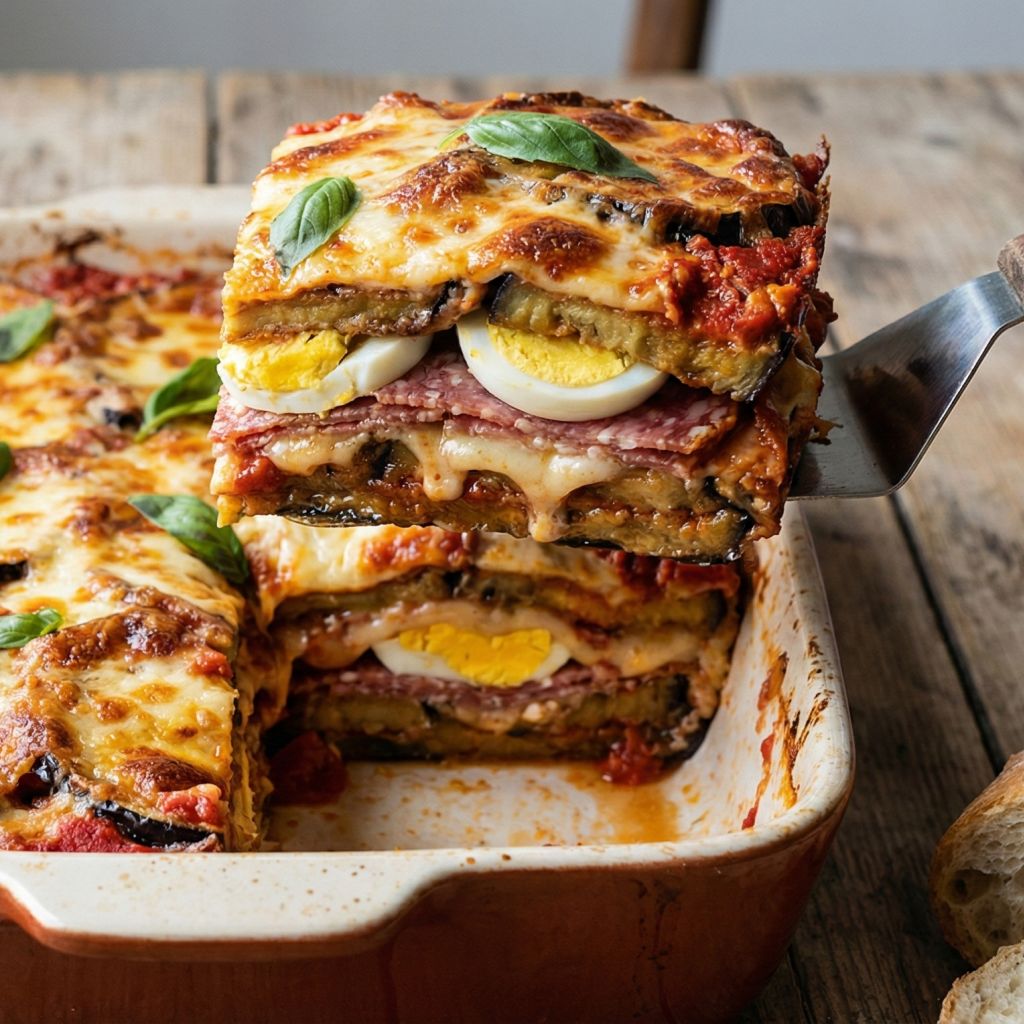
Ingredients
- 1.5 kg Eggplants (Dark, oblong variety)
- 700ml Tomato Puree (Passata, cooked with onion and basil)
- 300g Provola Silana or Mozzarella (Cubed and drained)
- 4 Hard-Boiled Eggs (Sliced)
- 150g Soppressata (Sweet) or Cooked Ham/Mortadella (Sliced)
- 100g Pecorino or Parmesan (Grated)
- Fresh Basil
- Peanut Oil (for frying)
- Coarse Salt (for purging)
Chef's Secret: The "Naked" Fry
In Calabria, we do not bread the eggplant slices before frying. The secret to a Parmigiana that isn't greasy is the Purging (Spurgatura). Slice the eggplants, layer them in a colander with coarse salt, and press them with a weight for 1 hour. This removes the bitter water. Then, rinse, dry thoroughly, and fry them "naked" in hot oil. They will absorb half the oil compared to raw ones.
Preparation Steps
- The Prep: Slice the eggplants lengthwise (about 4-5mm thick). Purge them with salt as described above. Dry them well with paper towels.
- The Fry: Heat deep oil to 170°C. Fry the slices until golden brown. Drain on absorbent paper to remove excess oil.
- The Sauce: Prepare a simple, thick tomato sauce with olive oil, onion, and basil. It must not be too watery.
- The Assembly: Spread a spoonful of sauce on the bottom of a baking dish.
Layer 1: Place a layer of fried eggplant slices (overlapping slightly).
The Filling: Add some sauce, cubes of Provola, slices of hard-boiled eggs, pieces of Soppressata (or ham), and a dusting of grated Pecorino. Add fresh basil leaves. - Repeat: Continue layering until ingredients are finished (usually 3 or 4 layers).
- The Top: Finish with a layer of eggplant covered only with tomato sauce and a generous amount of grated cheese to form a crust.
- Baking: Bake at 200°C (400°F) for 30 minutes.
- The Law of Parmigiana: Never eat it hot! Let it rest for at least 1 hour (or even better, eat it the next day). This allows the layers to set and the flavors to merge.
Serving Suggestion
It is perfect eaten warm or at room temperature. It is the classic dish to bring to a picnic or a day at the beach, as it holds its shape perfectly when cut into squares.
Piparelle (Spicy Honey & Almond Biscuits)
In the area of the Strait of Messina, sweetness always comes with a kick. Piparelle are traditional dry biscuits that look like dark Cantucci, but the flavor profile is completely different. Made with generous amounts of honey and whole almonds, their defining ingredient is black pepper ("Pipi" in dialect). This ancient spice blend warms the throat, making them the perfect winter treat.
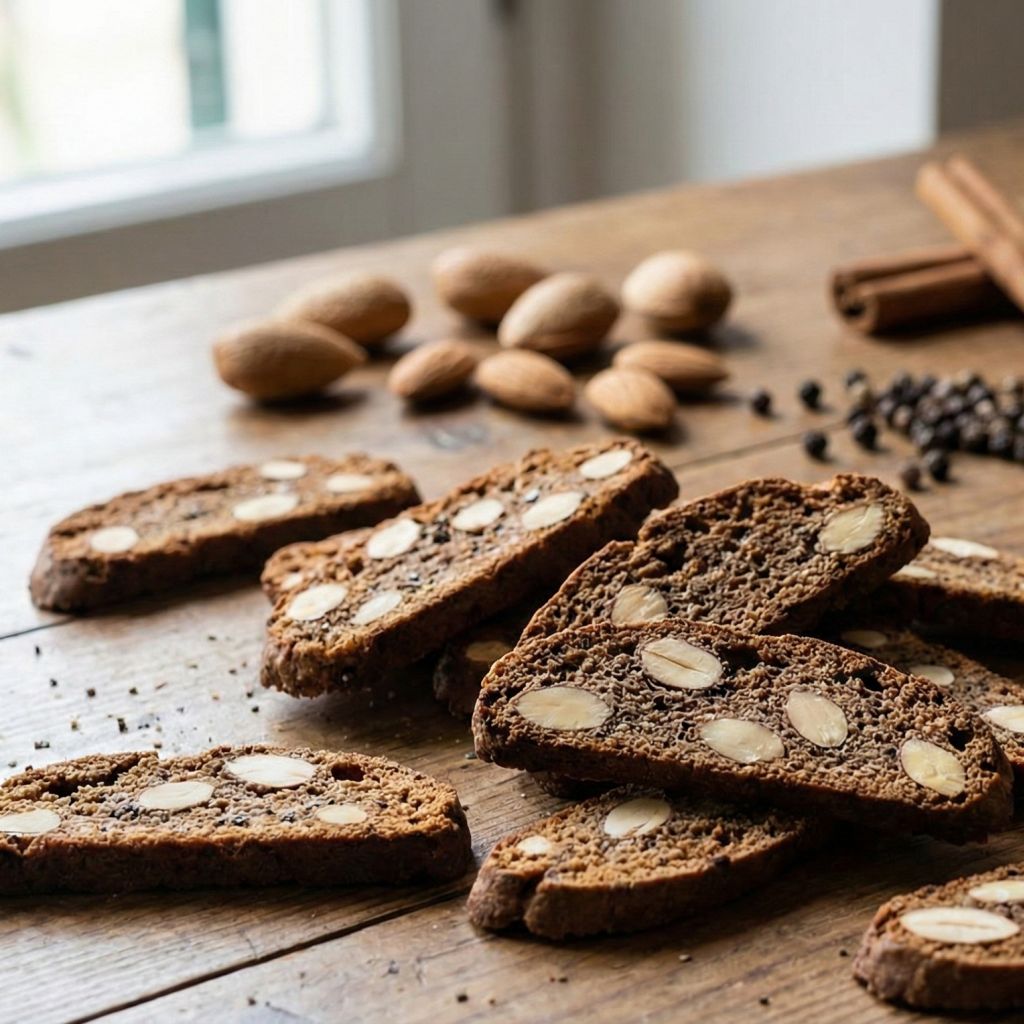
Ingredients
- 500g Flour (00)
- 150g Sugar
- 150g Honey (Chestnut or dark honey is best)
- 150g Whole Almonds (Unpeeled and untoasted)
- 100g Lard (or Butter)
- 1 tsp Black Pepper (Freshly ground)
- 1 tsp Cinnamon
- 1/2 tsp Ground Cloves
- 1/2 tsp Baking Soda (Bicarbonate)
- Orange Zest
Chef's Secret: The "Razor" Cut
The texture of a Piparella must be glass-like and crunchy, not floury. To achieve this, you must perform the second baking correctly. After baking the loaf, take it out and slice it while it is still piping hot. But unlike Cantucci, you must cut the slices as thin as possible (4-5mm). If they are too thick, they will be hard on the teeth rather than crispy.
Preparation Steps
- The Dough: In a bowl, mix flour, sugar, spices (pepper, cinnamon, cloves), soda, and zest. Add the lard and rub it in. Add the honey and knead. Finally, incorporate the whole almonds. The dough will be heavy and sticky.
- The Loaves: Divide the dough into 3-4 portions. Roll them into logs (about 3cm wide). Place them on a baking tray lined with parchment paper, well spaced out.
- First Bake: Bake at 180°C (350°F) for about 20-25 minutes. They should be firm and golden brown.
- The Slicing: Remove from the oven. Working quickly (use a cloth to hold the hot logs), slice them diagonally into wafer-thin biscuits using a sharp serrated knife.
- The Toasting (Bis-cotto): Lay the thin slices flat on the baking tray. Put them back in the oven at a lower temperature (150°C) for another 10-15 minutes until they dry out and become dark and crunchy.
- Serving: Let them cool completely. They are traditionally served with a glass of sweet Greco di Bianco or Zibibbo wine for dipping.
Did you know?
The use of pepper in sweets dates back to the Renaissance, when spices were a symbol of wealth. In Calabria, this tradition remained alive in recipes like Piparelle and Pitta 'Mpigliata.
Capretto al Forno con Patate (Roasted Kid Goat with Potatoes)
In the mountains of Calabria (Aspromonte, Sila, and Pollino), the goat is the king of the flock. While lamb is common, Capretto (Kid Goat) is prized for its leaner, more tender meat with a delicate flavor. Baked slowly with potatoes that absorb all the roasting juices and seasoned with wild herbs, this is the obligatory main course for Easter Sunday and important family gatherings.
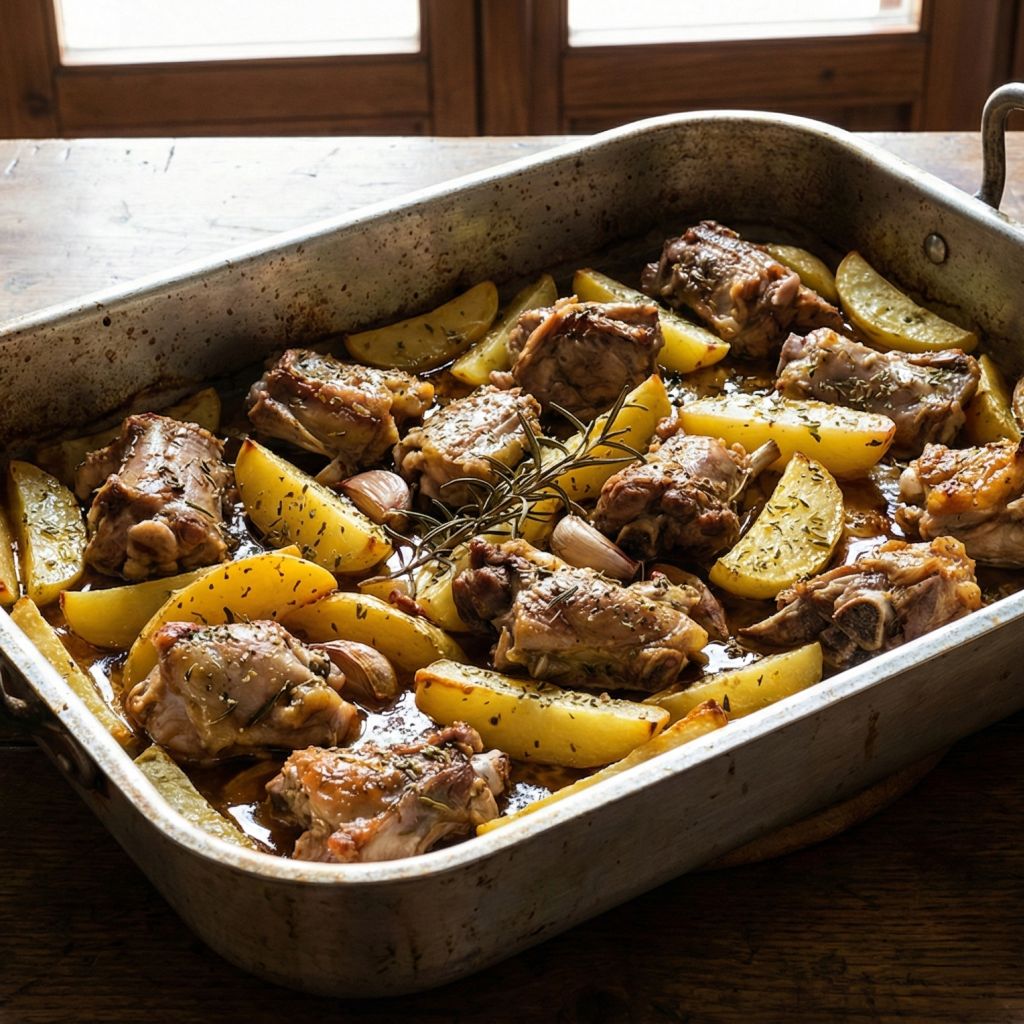
Ingredients
- 1.5 kg Kid Goat (Cut into chunks, bone-in) - Alternatively, use Lamb
- 1 kg Potatoes (Yellow flesh, cut into wedges)
- 2 Sprigs of Fresh Rosemary
- 1 Bunch of Wild Oregano (Origanum Vulgare)
- 4 Cloves of Garlic (Crushed, skin on)
- 1 glass Dry White Wine
- Vinegar or Lemon (for washing)
- Extra Virgin Olive Oil
- Salt and Black Pepper
Chef's Secret: The "Vinegar Wash"
Goat meat can sometimes have a strong, gamey smell. The Calabrian trick is to wash the meat chunks in a bowl with water and white vinegar (or lemon juice) for 10 minutes before cooking. Rinse and pat dry. This neutralizes the wild odor and tenderizes the fibers, ensuring the final roast is sweet and fragrant.
Preparation Steps
- The Prep: Wash the meat as per the secret above. Dry thoroughly.
- The Pan: Use a large, high-sided roasting pan (the "ruoto"). Place the meat chunks and the potato wedges inside.
- The Seasoning: Massage the meat and potatoes with a generous amount of olive oil. Add the garlic cloves, rosemary sprigs, and a heavy dusting of dried wild oregano. Season well with salt and pepper. Mix everything with your hands to coat evenly.
- The Wine: Pour the white wine over the mixture (pour it on the side of the pan, not directly over the meat to avoid washing away the oil).
- The Roast: Bake in a preheated oven at 190°C (375°F) for about 60-75 minutes.
- The Crisp: Every 20 minutes, turn the meat and potatoes so they brown evenly. If it gets too dry, add a splash of hot water. The dish is ready when the meat pulls away from the bone and the potatoes have a crispy, golden crust.
Wine Pairing
This dish needs a red wine with character and tannins to cleanse the palate from the rich roasted fats. A Cirò Rosso Classico Superiore or a robust Magliocco are the perfect local matches.
Fagioli alla Pignata (Slow-Cooked Beans in Terracotta)
Before pressure cookers existed, Calabrian farmers used the Pignata. This distinctive two-handled terracotta pot with a narrow neck was placed near the fireplace embers to cook overnight. The shape creates internal convection currents that stir the beans naturally, resulting in a creamy texture that no modern pot can replicate. Enriched with pork rind (cotiche), this stew is a meal in itself.
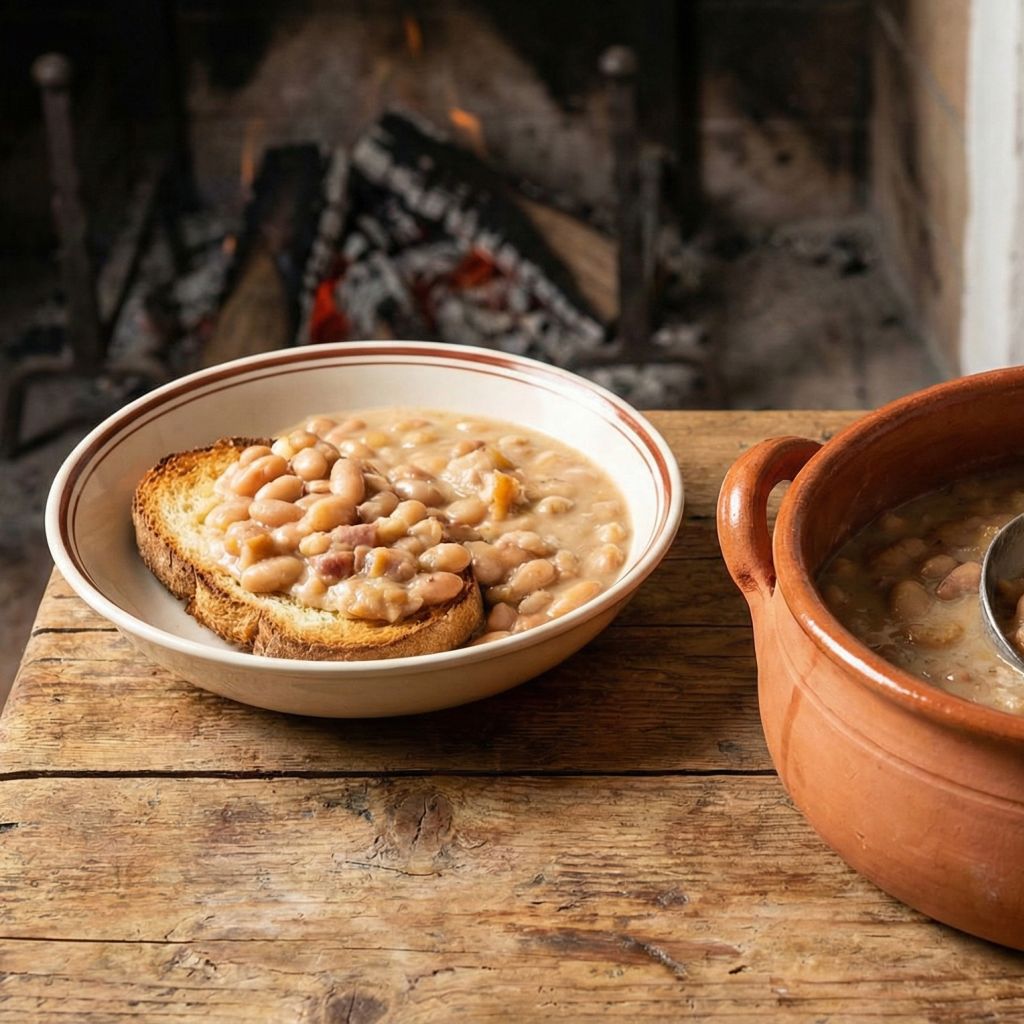
Ingredients
- 500g Dried Cannellini or Borlotti Beans (Soaked overnight for 12 hours)
- 200g Pork Rind (Cotiche) - Cleaned, boiled separately for 10 minutes to degrease, and cut into strips
- 1 Onion (Red)
- 2 Cloves of Garlic
- 1 Celery Stalk
- 1 Fresh or Dried Chili Pepper
- 2 Bay Leaves
- Tomato Puree (2 tablespoons)
- Extra Virgin Olive Oil
- Toasted Bread Slices (for serving)
Chef's Secret: The "Thermal Shock" Rule
Beans are temperamental. If you add cold water during cooking, the skin hardens and splits. You must keep a kettle of boiling water next to the pot. Only add boiling water if the beans get too dry. Also, never salt the water at the beginning! Salt hardens the skin. Only add salt in the last 15 minutes of cooking.
Preparation Steps
- The Soaking: Drain and rinse the soaked beans. Place them in the terracotta pot (or a heavy cast-iron pot).
- The Cold Start: Cover the beans with cold water (about 3 fingers above the beans). Add the whole garlic cloves, the celery stalk, the onion (halved), and bay leaves. Do not add salt yet!
- The Simmer: Bring to a gentle boil. Skim off any foam that rises to the top.
- The Pork: Add the strips of pre-boiled pork rind and the tomato puree to the pot. Cover with the lid, leaving it slightly ajar.
- The Long Wait: Cook on minimum heat for 2 to 3 hours. The beans must barely bubble ("pippiare"). Shake the pot occasionally by the handles; do not stir too often with a spoon to avoid breaking them.
- The Finish: When the beans are tender and creamy, remove the large vegetable pieces (celery, onion). Add salt and the chili pepper now. Drizzle generously with raw olive oil. Cook for another 10 minutes to amalgamate.
- Serving: Place a slice of toasted bread (rubbed with garlic) in the bottom of a bowl. Ladle the thick bean and pork stew over it.
Pro Tip
If you have a fireplace, cooking this next to the embers changes the flavor completely, adding a subtle smokiness. If cooking on gas, use a heat diffuser (spargifiamma) under the terracotta pot to prevent it from cracking.
Pasta e Patate ara Tijeddra (Cosenza's Raw Baked Pasta)
If you tell an Italian that you bake pasta without boiling it first, they might call you crazy. Unless they are from Cosenza. This dish is a magic trick: layers of raw pasta, raw potatoes, cheese, and tomato sauce are stacked in a pan and baked. The starch from the pasta and potatoes stays in the dish, creating a creamy binding that is impossible to achieve with boiling.
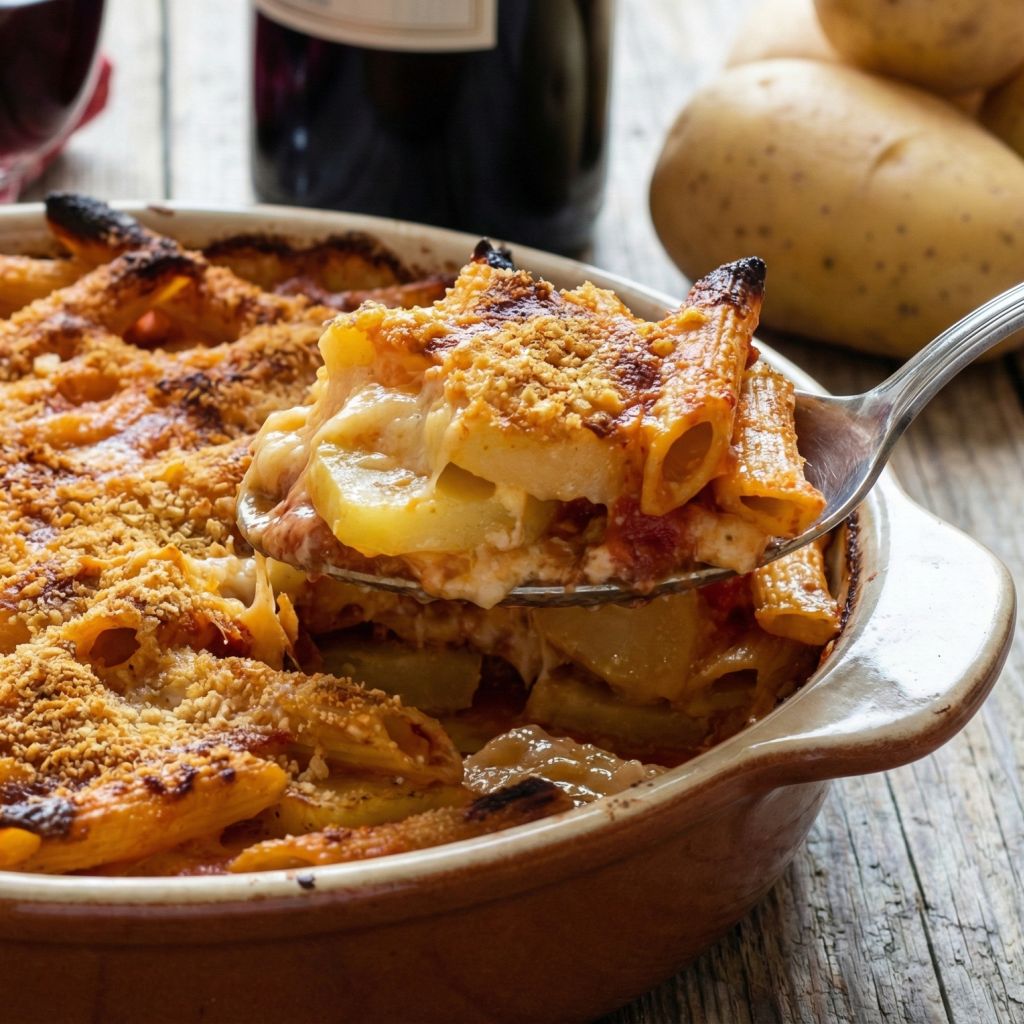
Ingredients
- 500g Penne Liscie or Ziti (Broken by hand) - Must be raw!
- 1 kg Potatoes (Sila variety, yellow flesh)
- 700ml Tomato Passata (Liquid and seasoned with salt/oil)
- 200g Caciocavallo Silano (Cubed)
- 100g Pecorino (Grated)
- 1 Onion (Thinly sliced)
- Oregano and Chili Pepper
- Water
- Extra Virgin Olive Oil
Chef's Secret: The "Side Pour"
The mechanics of this dish rely on hydration. Once you have layered all the raw ingredients, you must add water to the pan. But do not pour it over the top! It would wash away the cheese and tomato. You must pour the water gently down the inner side of the baking dish until you see it reach just below the top layer of pasta.
Preparation Steps
- The Prep: Peel the potatoes and slice them into thin rounds (about 3-4mm). Season the tomato passata with oil, salt, and oregano (make it slightly salty as it must flavor the potatoes too).
- The Base: Grease a high-sided baking dish (Tijeddra) with oil. Spread a little sauce and a layer of onion slices.
- Layering: Create a layer of raw potato slices. Top with a layer of raw pasta. Add cubes of Caciocavallo, a dusting of Pecorino, and cover with tomato sauce.
- Repeat: Continue layering until the pan is full (usually 3 layers). The top layer must be potatoes covered in sauce and plenty of Pecorino and breadcrumbs for the crust.
- The Hydration: Carefully pour water down the side of the dish until the liquid level is visible just below the surface.
- The Oven: Cover with aluminum foil. Bake at 200°C (400°F) for 45 minutes.
- The Crust: Remove the foil. If there is still too much liquid, bake for another 15-20 minutes uncovered until the water is absorbed and the top is crunchy and burnt ("arruscata").
- Resting: Let it stand for 20 minutes. It needs to settle to be sliced like a lasagna.
Cultural Fact
This was the typical dish for days when wood-fired ovens were lit for bread. The "Tijeddra" was placed in the oven mouth to cook slowly using the residual heat.
Giambotta (Calabrian Vegetable Stew)
While the French have Ratatouille and the Sicilians have Caponata, Calabria has Giambotta. This is not just a side dish; it is a celebration of the summer harvest. It combines the "Holy Trinity" of Calabrian vegetables (Eggplant, Peppers, Potatoes) with Zucchini and Onions in a rich tomato base. It is a vibrant, colorful, and incredibly flavorful vegan dish.
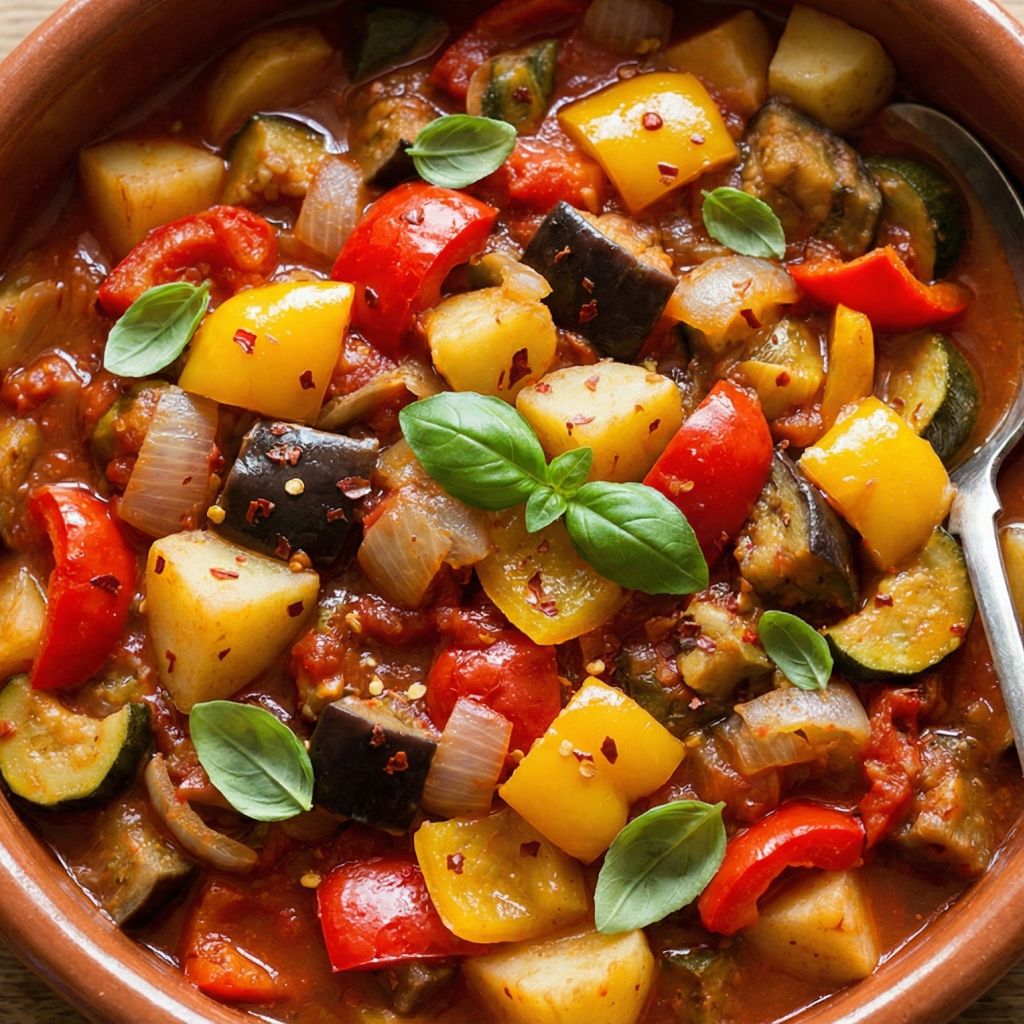
Ingredients
- 2 Eggplants (Cubed)
- 2 Red Bell Peppers (Cut into squares)
- 3 Potatoes (Cubed)
- 2 Zucchini (Sliced)
- 1 Large Red Onion (Sliced)
- 400g Ripe Tomatoes (Chopped) or Passata
- Fresh Basil
- Olive Oil (Plenty, for frying and sautéing)
- Salt and Chili Pepper
Chef's Secret: The "Separate Lives" Rule
The lazy way is to stew everything together raw. The authentic way is to fry the vegetables separately (or at least in stages). The potatoes take longer, the zucchini take seconds. By frying the potatoes and eggplants separately until golden and then combining them with the tomato sauce, you ensure that the eggplant doesn't become a sponge and the potatoes don't dissolve.
Preparation Steps
- The Prep: Wash and cut all vegetables into uniform bite-sized pieces. Keep them separate.
- The Fry (Stage 1): In a large deep pan with olive oil, fry the potato cubes until golden and cooked through. Remove with a slotted spoon and set aside.
- The Fry (Stage 2): In the same oil, fry the peppers and eggplants (you can do them together if the pan is large enough, otherwise separate). Remove when soft and browned.
- The Sauce Base: In a clean pot (or the drained pan), sauté the onion with fresh chili pepper. Add the chopped tomatoes and cook for 10 minutes to create a thick sauce. Add the zucchini now (they cook fast in the sauce).
- The Reunion: Add all the pre-fried vegetables (potatoes, peppers, eggplants) into the tomato sauce. Stir gently to coat.
- The Simmer: Cook together on low heat for 5-10 minutes to let flavors meld. Adjust salt.
- Serving: Turn off heat. Tear in plenty of fresh basil. Serve warm or cold (it is famously better the next day).
Serving Suggestion
Giambotta is the ultimate filling for a hollowed-out loaf of bread (the "Cuzzupa"). The bread absorbs the flavorful oil and tomato juices, creating a portable feast.
Turdilli (Calabrian Red Wine & Honey Gnocchi)
In the province of Cosenza, these dark, honey-drenched nuggets are the symbol of Christmas. Turdilli are unique because they contain no eggs or dairy. The dough is made by scalding flour with boiling red wine and olive oil. Deep-fried and dipped in honey, they have a distinctive crunchy-crumbly texture that is addictive.
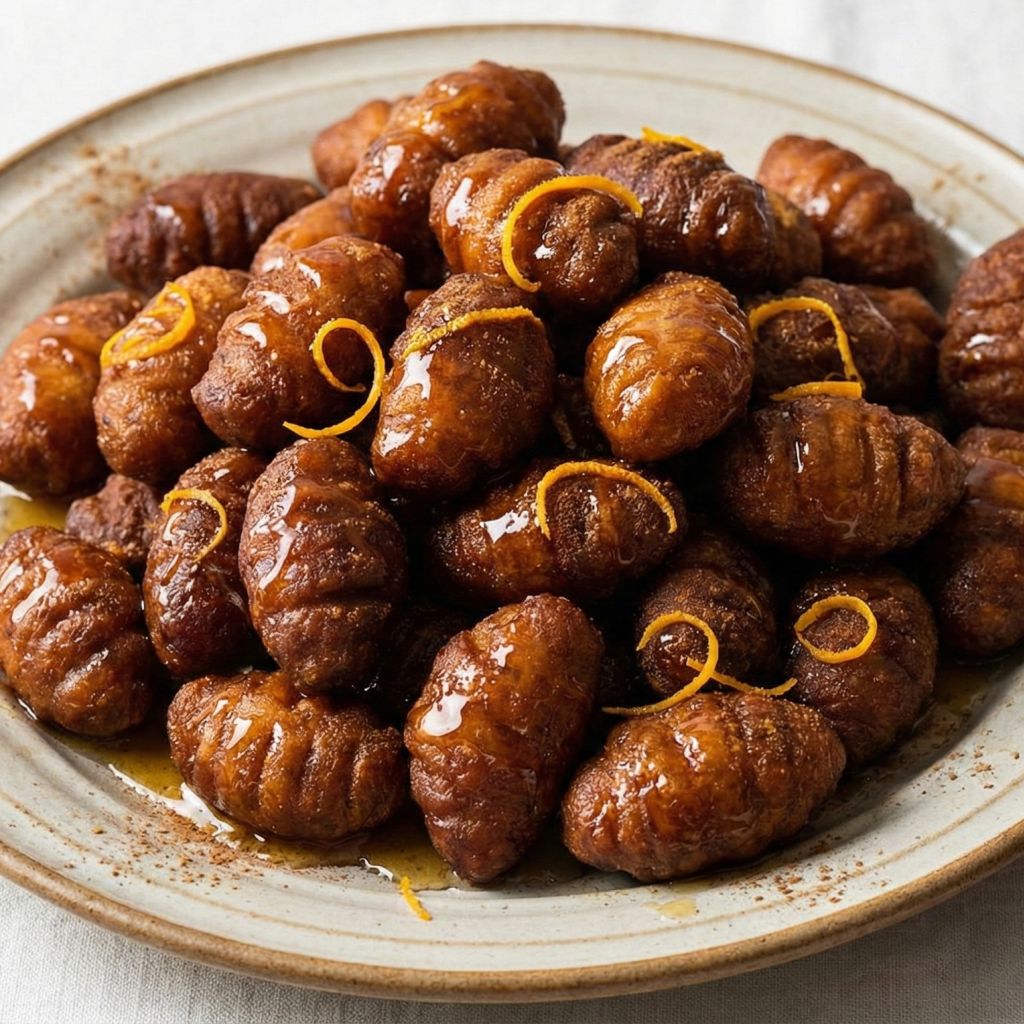
Ingredients
- 500g 00 Flour (approximate, depends on absorption)
- 100ml Red Wine (Robust, full-bodied)
- 100ml Extra Virgin Olive Oil
- 50g Sugar
- 1 tsp Cinnamon
- Grated Orange Zest
- Peanut Oil (for frying)
- 300g Honey (or Fig Molasses "Miele di Fichi")
Chef's Secret: The "Basket" Texture
Just like savory potato gnocchi, Turdilli need ridges. In the old days, women rolled them on the back of a wicker basket ("u crivu"). Today, you can use a gnocchi board or the tines of a fork. Do not skip this! A smooth Turdillo will not hold the honey glaze properly. The ridges act as reservoirs for sweetness.
Preparation Steps
- The Boiling Mix: In a saucepan, combine the red wine, olive oil, sugar, cinnamon, and orange zest. Bring to a rolling boil.
- The Scalding: Remove from heat and immediately pour in the flour all at once. Stir vigorously with a wooden spoon until the dough pulls away from the sides. Let it cool until you can handle it.
- The Kneading: Transfer to a board and knead until smooth. If it's too soft, add a little flour; if too dry, a splash of wine.
- The Shaping: Roll into ropes (finger thickness) and cut into pieces about 3-4 cm long. Roll each piece on a gnocchi board (or fork) to create the ridges.
- The Frying: Fry in deep, hot oil until dark golden brown. They will sink at first and then float. Drain well.
- The Glazing: In a large pot, heat the honey until it becomes fluid and starts to foam. Toss the fried Turdilli in the hot honey for 1 minute to coat them completely.
- Serving: Pile them into a pyramid on a serving dish. They can be eaten immediately or kept for weeks.
Fig Molasses Variation
The most ancient version uses "Miele di Fichi" (Fig Molasses) instead of bee honey. It is a thick, dark syrup made by boiling figs for hours, adding a smoky, intense flavor that pairs perfectly with the red wine dough.
Broccoli di Rapa e Salsiccia (Spicy Rapini & Sausage Skillet)
In Calabria, "eating your greens" is never a punishment; it's a joy. The bitter, earthy Broccoli di Rapa (Rapini/Cime di Rapa) are the perfect match for the rich, fatty Calabrian pork sausage seasoned with fennel seeds and chili. This dish is often eaten on its own with bread, or used to fill a "Panino" for the ultimate street food lunch.
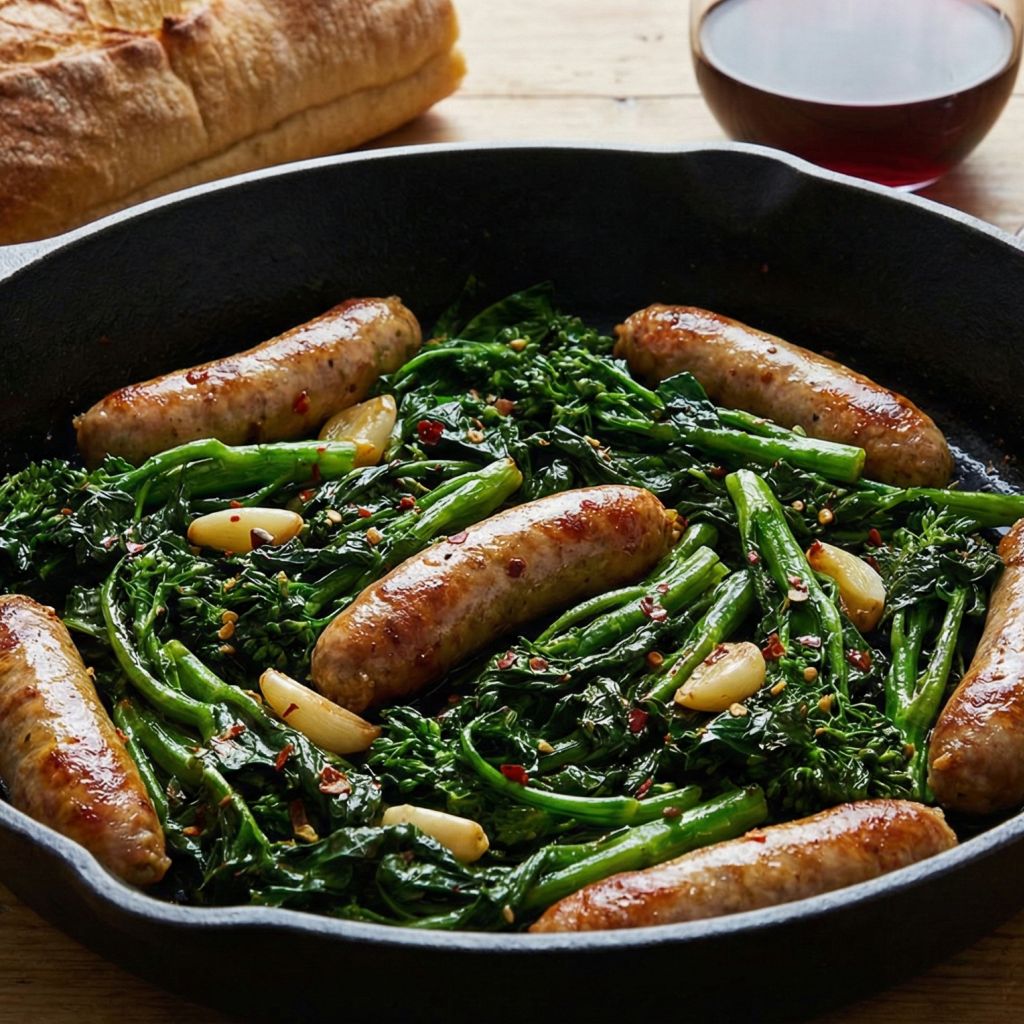
Ingredients
- 1 kg Broccoli di Rapa (Rapini) - Cleaned, keep the florets and tender leaves
- 4 Fresh Calabrian Sausages (with fennel seeds - "Salsiccia al finocchietto")
- 2 Cloves of Garlic (Smashed)
- 1 Fresh Hot Chili Pepper (Sliced)
- Extra Virgin Olive Oil
- Salt
- Optional: A splash of white wine.
Chef's Secret: The "Fat Infusion"
Don't use too much oil to start. Prick the sausages and fry them first in the pan. They will release their own spicy, fennel-scented red fat. You must cook the vegetables in this sausage fat (plus a little olive oil). This infuses the bitter greens with the meat flavor better than any stock could.
Preparation Steps
- The Greens: Wash the Rapini thoroughly. Remove thick stems. Blanch them in salted boiling water for just 3-4 minutes (they should remain bright green and slightly crunchy). Drain well (squeeze out excess water).
- The Meat: In a large skillet, place the sausages (whole or cut into chunks). Add a splash of water and cook until the water evaporates and the sausages start to sizzle in their own fat.
- The Crisp: Add a drizzle of olive oil, the garlic, and the chili to the sausages. Fry until the sausages are browned and crispy on the outside.
- The Marriage: Add the blanched Rapini to the skillet. Toss everything together on high heat.
- The Sauté: Let the greens "fry" (soffriggere) in the spicy oil for about 5-8 minutes. They should absorb the red color of the oil and get slightly crispy edges.
- Serving: Serve hot with slices of rustic hard-crust bread to scoop up the spicy oil.
The "Panino" Experience
To eat like a local construction worker or student: take a large sourdough bun (Panino), slice it open, remove some of the soft crumb, and stuff it to the brim with the sausage and rapini. Press it down to let the bread soak up the oil.
Frittelle di Baccalà (Salt Cod Fritters)
Since fishing for whitebait (neonata) is rightly restricted to protect our seas, the true ethical and traditional king of Calabrian fried appetizers is the Frittella di Baccalà. Historically, salt cod was the only fish that could travel to the mountain villages without spoiling. Desalted, flaked, and folded into a light batter, it creates golden, puffy fritters that are a mandatory starter for every Christmas Eve dinner in the region.

Ingredients
- 500g Salt Cod (Baccalà) - Already soaked and desalted
- 300g 00 Flour
- 250ml Sparkling Water or Beer (Ice cold)
- 1 tsp Instant Yeast (for savory pies) or Baking Powder
- Fresh Parsley (Chopped)
- 1 Clove of Garlic (Minced very finely, optional)
- Peanut Oil (for deep frying)
- Note: Do not add salt to the batter! The cod is savory enough.
Chef's Secret: The "Raw" vs "Boiled" Debate
Many boil the cod before frying. This is a mistake! Boiling removes the gelatin and flavor. The secret to a moist interior is to use the desalted cod raw. Remove the skin and bones, then cut it into small cubes or strips. Add these raw chunks directly into the batter. They will cook perfectly inside the golden shell, remaining juicy and gelatinous.
Preparation Steps
- The Fish: Ensure your Baccalà is perfectly desalted (soak for 3 days, changing water twice a day). Remove skin and bones carefully. Cut the flesh into 2cm cubes. Pat them dry.
- The Batter: In a bowl, whisk the flour with the instant yeast. Gradually pour in the ice-cold sparkling water (or beer) while whisking. The texture should be sticky and thick, like a glue, not liquid like crepe batter.
- The Flavor: Stir the chopped parsley (and garlic if using) into the batter.
- The Mixing: Throw the raw cod cubes into the batter. Mix well so every piece is heavily coated.
- The Frying: Heat deep oil to 170°C. Use two spoons to pick up a piece of cod covered in batter and drop it into the oil.
- The Puff: Fry for 4-5 minutes. The batter will puff up and turn golden. The fish inside will steam in its own juices.
- Serving: Drain on paper towels. Serve hot. They should be crunchy outside and meltingly soft inside.
Pro Tip
If you have leftover batter, throw in some cauliflower florets or strips of bell pepper for a mixed vegetable fry ("Fritto Misto").
Chinulille (Calabrian Sweet Fried Ravioli)
While Petrali are the baked kings of Christmas, Chinulille are the fried queens. These are sweet, crescent-shaped ravioli made with a wine-infused dough, deep-fried until bubbly and golden. The filling varies by family tradition: some swear by sweet sheep's ricotta with cinnamon, while others prefer a rich chestnut and chocolate jam. They are typically dipped in honey while still hot.
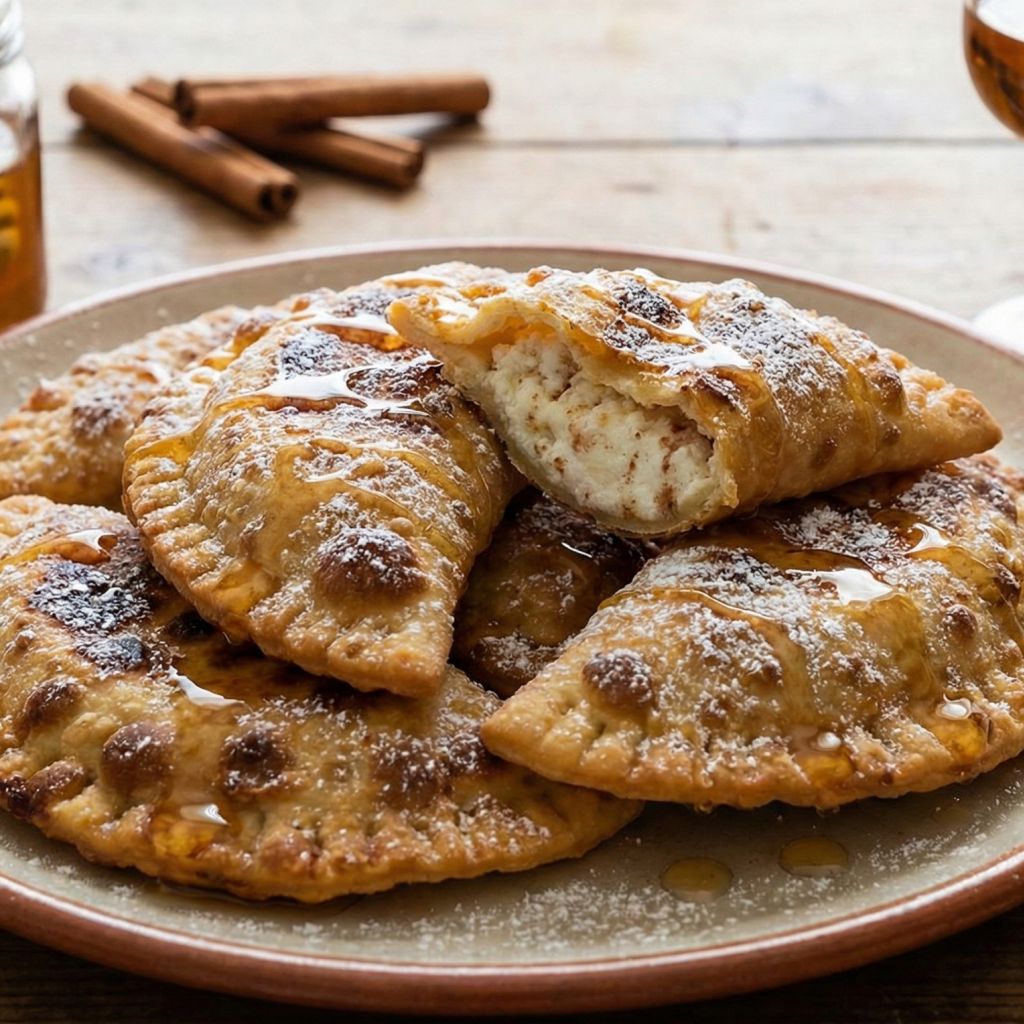
Ingredients
- 500g 00 Flour
- 100ml Sweet White Wine (Moscato or Vermouth)
- 100ml Olive Oil
- 50g Sugar
- 2 Eggs
- Oil for frying
- Honey (for coating)
- Filling A (Ricotta): 300g Ricotta (drained), 50g Sugar, Cinnamon, Lemon Zest.
- Filling B (Chestnut): 300g Chestnut Jam, 50g Dark Chocolate chips, Coffee powder.
Chef's Secret: The "Fork Seal"
Since these pastries are deep-fried, a leak is disastrous. If the filling escapes, the oil will splatter and burn. To ensure a perfect seal, brush the rim of the dough circle with a little egg white before folding. Then, press the edges firmly first with your fingers, and then with the tines of a fork. This double-seal ensures the filling stays inside the crispy shell.
Preparation Steps
- The Dough: Pile flour on a board. Make a well. Add eggs, sugar, oil, and wine. Knead until you have a smooth, elastic dough. Wrap and let rest for 30 minutes.
- The Sheets: Roll out the dough thinly (using a machine or rolling pin) to about 2mm thickness.
- The Cut: Cut out circles using a glass or cutter (approx. 8-10cm).
- The Filling: Place a teaspoon of your chosen filling (Ricotta or Chestnut) in the center of each circle.
- The Shaping: Fold into a half-moon. Seal carefully as described in the secret above.
- The Fry: Heat peanut oil to 170°C. Fry the ravioli a few at a time. The dough should blister and bubble instantly. Turn them until golden brown on both sides.
- The Glaze: Drain on paper. While still warm, you can either dust them with powdered sugar or, for the full experience, dip them in hot honey.
Serving Suggestion
Serve them piled high on a tray. The contrast between the crunchy, wine-scented shell and the creamy, warm filling is the true taste of a Calabrian holiday.
Pesce Spada al Salmoriglio (Grilled Swordfish with Lemon-Oregano Sauce)
While stewed and rolled versions are delicious, the true test of fresh swordfish is the grill. In this recipe, the fish is cooked simply and dressed with Salmoriglio, an ancient sauce of Greek origin. It consists of olive oil, lemon juice, garlic, and dried oregano, whisked into a creamy emulsion that "cooks" the fish slightly even after it leaves the grill.
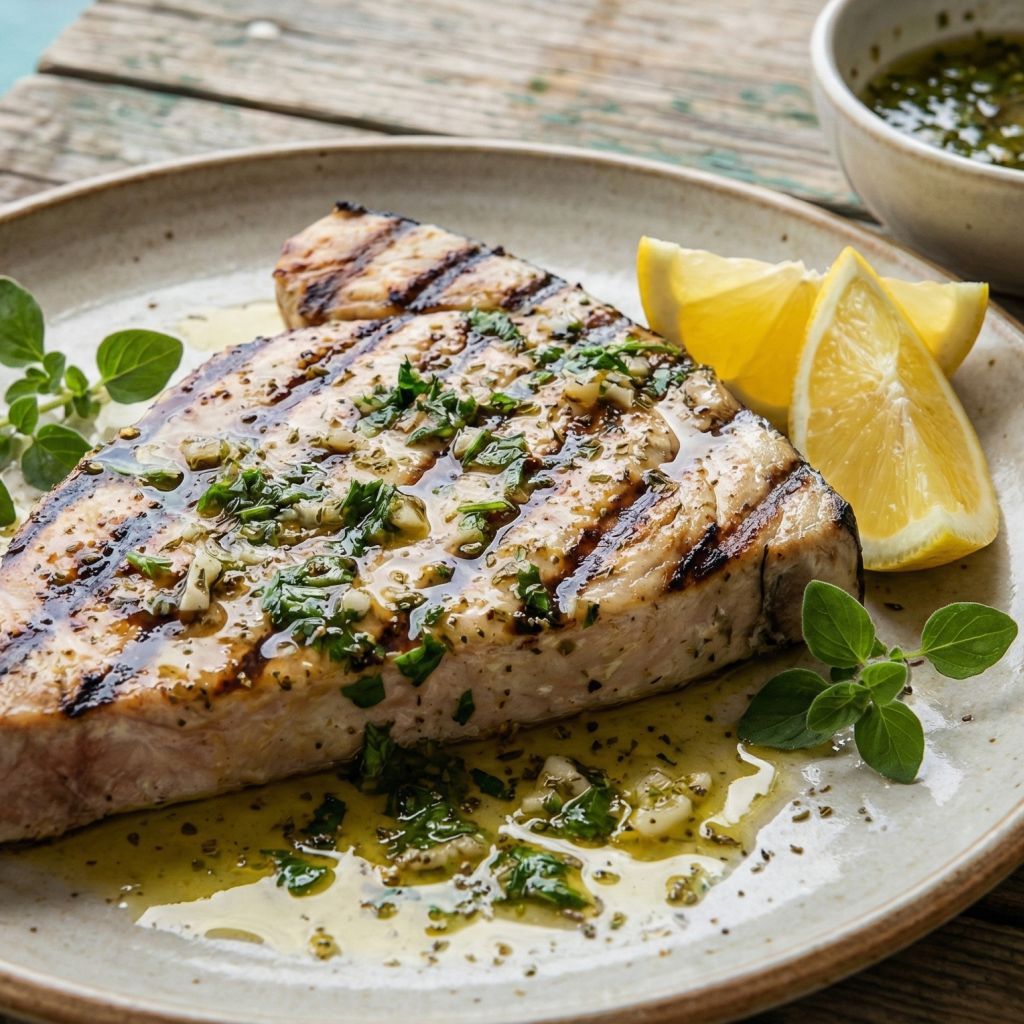
Ingredients
- 4 Fresh Swordfish Steaks (about 1.5 cm thick)
- 100ml Extra Virgin Olive Oil (Highest quality possible)
- 2 Lemons (Juice of 1.5, wedges for the rest)
- 2 tbsp Hot Water
- 1 Clove of Garlic (Whole, slightly crushed)
- 1 tbsp Dried Oregano (Wild Calabrian oregano is best)
- Fresh Parsley (Chopped)
- Salt and Black Pepper
Chef's Secret: The "Hot Water" Emulsion
Salmoriglio is not just a vinaigrette; it must be creamy. The secret is to whisk the oil and lemon juice with two tablespoons of hot water. This helps the emulsion stabilize (it turns opaque and thick) and dissolves the salt perfectly. Also, add the oregano at the very end, rubbing it between your fingers to release the oils.
Preparation Steps
- The Sauce (Salmoriglio): In a small bowl, pour the olive oil and hot water. Whisk vigorously. Add the lemon juice and whisk again until creamy and opaque. Add the crushed garlic clove, salt, pepper, and the oregano (rubbed). Add chopped parsley. Let it infuse for 30 minutes. Remove the garlic before serving.
- The Fish: Pat the swordfish steaks dry. Brush them lightly with plain olive oil.
- The Grill: Heat a cast-iron grill pan or charcoal grill until smoking hot.
- The Cooking: Place the steaks on the grill. Cook for 2-3 minutes per side. You want grill marks, but the center should remain moist. Do not overcook!
- The Dressing: Transfer the hot fish to a serving platter. Immediately pour the Salmoriglio sauce over the steaks while they are steaming. The heat of the fish will release the aroma of the oregano.
- Serving: Serve immediately with lemon wedges and a fresh tomato salad.
Versatility
This Salmoriglio sauce is liquid gold. Make extra and use it on grilled chicken, prawns, or even sliced steak. It keeps in the fridge for a few days.
Morzello alla Catanzarese (Spicy Tripe Stew in Pitta Bread)
If you visit Catanzaro, you cannot leave without trying U Morzeddhu. Legend says it was created by a widow who had to feed her children with the cheapest meat cuts available. Today, it is a cult dish. It is a fiery stew made of tripe and offal, cooked for hours in a dense tomato sauce. It is traditionally eaten not with a fork, but scooped up with a piece of "Pitta", a local wheel-shaped flatbread.
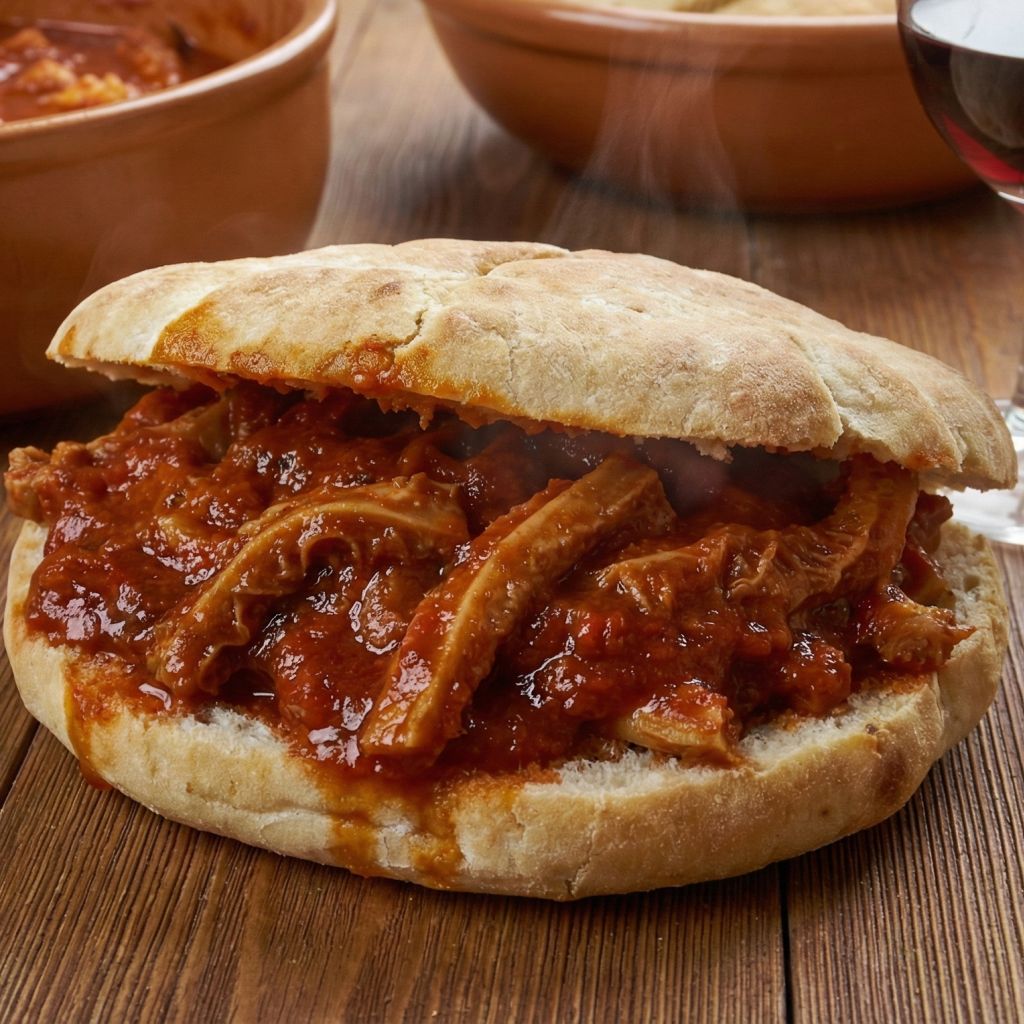
Ingredients
- 1 kg Boiled Beef Tripe (Honeycomb/Foiolo) - Cleaned and blanched
- 200g Beef Heart/Lungs (Optional, for the authentic "Illustrious" version)
- 100g Tomato Concentrate (Paste) - Crucial for density
- 500ml Water
- 100g Lard (or Olive Oil)
- 3-4 Hot Chili Peppers (Diavolicchi) - It must be spicy!
- 1 Bunch of Oregano
- 2 Bay Leaves
- Salt
- Pitta Bread (or a sturdy Ciabatta) for serving
Chef's Secret: The "Pitta" Soak
The true Catanzaro way to eat this is strictly codified. You must cut a slice of Pitta bread, open it like a book, and stuff it with the hot stew. But before taking a bite, you must dip the ends of the bread back into the pot's sauce to soak the crust. This is called "tuffare il pizzo" (dunking the beak). It creates the perfect bite of soggy-spicy bread and chewy tripe.
Preparation Steps
- The Cut: Slice the tripe (and other offal if using) into small strips, about 1cm wide and 4-5cm long. They must be bite-sized.
- The Base: In a large heavy-bottomed pot, melt the lard (or heat the oil). Add the hot peppers (whole or chopped depending on your heat tolerance).
- The Fry: Add the meat strips and sauté on high heat for 5-10 minutes until they release their liquid and start to sizzle.
- The Sauce: Dissolve the tomato concentrate in the water. Pour this mixture into the pot. Add the bay leaves.
- The Stewing: Lower the heat to a minimum. Cover and simmer gently for at least 2 to 3 hours. The sauce must reduce until it becomes dark, thick, and oily. It should cling to the meat, not be watery.
- The Aroma: 10 minutes before turning off the heat, add a generous handful of dried oregano and adjust the salt.
- Serving: Serve boiling hot inside a piece of warm Pitta bread.
Timing is Everything
Traditionally, Morzello was the "worker's brunch," eaten mid-morning around 10:00 AM. Today, it's enjoyed at any time, but it tastes best on a cold day.
La Stroncatura (The Forbidden Dark Pasta)
This is arguably the most fascinating pasta dish in Calabria. Originating in the area of Gioia Tauro, Stroncatura was once "illegal food." It was made from the darker, rougher residues of wheat milling (the sweepings). Today, it is produced legally by artisanal pasta makers as a high-quality whole-wheat pasta. It is served with a pungent, umami-rich sauce of anchovies, olives, and toasted breadcrumbs.
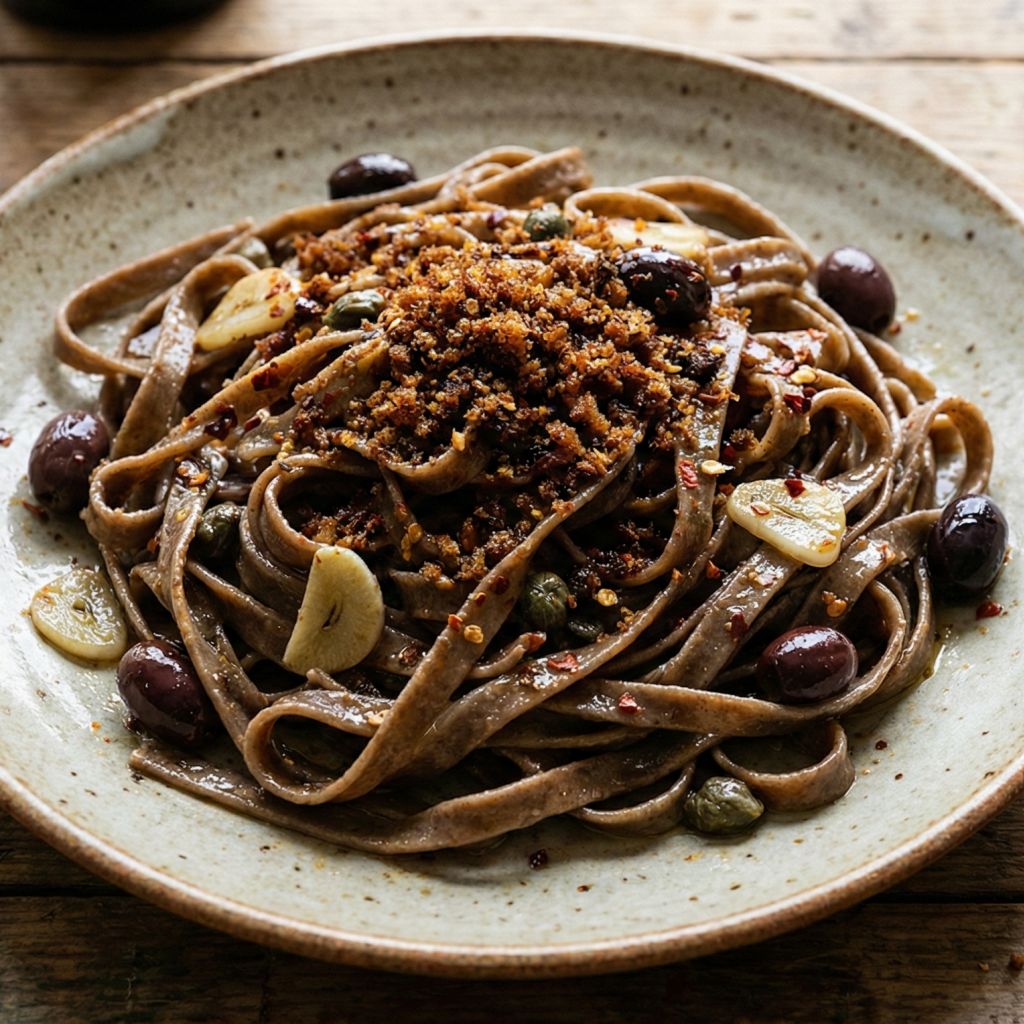
Ingredients
- 400g Stroncatura Pasta (or thick Whole Wheat Linguine)
- 6 Anchovy Fillets in oil
- 100g Stale Breadcrumbs (Mollica di pane)
- 2 Cloves of Garlic
- 2 tbsp Capers (Desalted)
- 10-15 Black Olives (Baked or brine-cured, pitted)
- Red Hot Chili Pepper (Generous amount)
- Extra Virgin Olive Oil (Plenty)
- Strictly Forbidden: Grated Cheese!
Chef's Secret: The "Atturrata" (Toasting)
The defining element of this dish is the breadcrumb topping. You cannot just sprinkle raw breadcrumbs. You must heat a small frying pan with a drop of oil and toast the breadcrumbs ("atturrare") until they are dark brick-red and crunchy. This adds a nutty texture that contrasts with the oily, slippery sauce.
Preparation Steps
- The Breadcrumbs: Prepare the "Muddica Atturrata" as described above. Set aside in a bowl.
- The Base: In a large skillet, pour a generous amount of olive oil. Add the garlic (sliced or whole) and the chili pepper. Let them sizzle.
- The Melt: Lower the heat and add the anchovy fillets. Use a wooden spoon to mash them until they dissolve completely into the oil.
- The Body: Add the pitted olives (chopped roughly) and the capers. Sauté for 2 minutes. The sauce is ready.
- The Pasta: Boil the Stroncatura in salted water. It usually takes longer than white pasta (8-10 minutes) and stays very "al dente".
- The Finish: Drain the pasta (saving a cup of cooking water) and toss it directly into the skillet with the anchovy oil. Sauté on high heat, adding a splash of water if it feels dry. The sauce must coat the pasta strands.
- Serving: Turn off the heat. Sprinkle half of the toasted breadcrumbs over the pasta and toss. Serve immediately, topping each plate with the remaining crunchy breadcrumbs.
Flavor Profile
This dish is an umami bomb: salty, spicy, and crunchy. The slightly sour taste of the rye/whole-wheat pasta cuts through the richness of the oil.
Polpette di Alici al Sugo (Anchovy Meatballs in Tomato Sauce)
In the coastal towns of Calabria, fresh anchovies (Alici) are a staple. While delicious fried whole, the larger ones are often transformed into Polpette di Alici. These are tender, savory dumplings that combine the sweetness of the fresh fish with the salty punch of Pecorino cheese. Simmered in a simple tomato sauce, they become a comfort food that tastes of the sea.
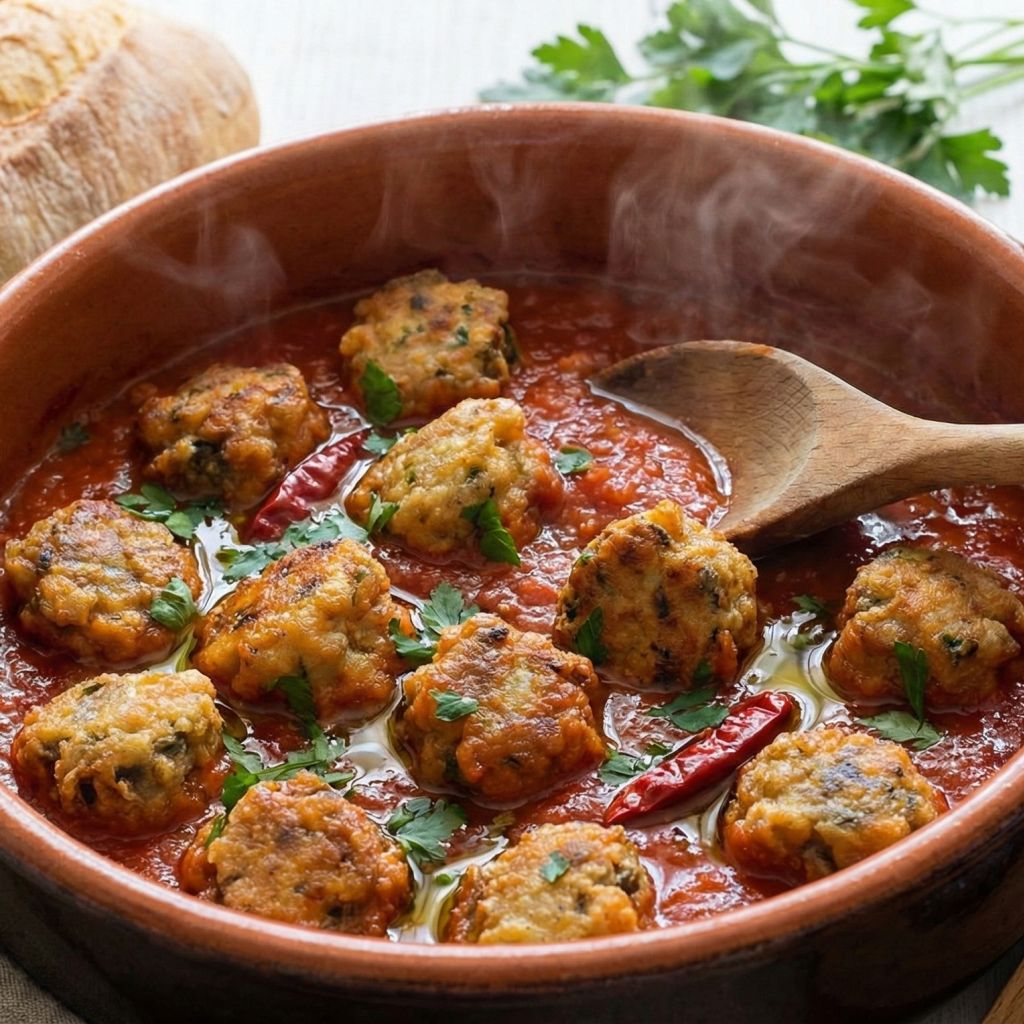
Ingredients
- 500g Fresh Anchovies (Alici) - Weighed whole, then cleaned
- 150g Stale Bread Crumb (Mollica) - Soaked in water and squeezed dry
- 2 Eggs
- 3 tbsp Pecorino Calabrese (Grated)
- 1 Clove of Garlic (Minced)
- Fresh Parsley (Generous amount, chopped)
- 500ml Tomato Passata (Puree)
- Olive Oil (for frying and sauce)
- Chili Pepper (Optional but recommended)
Chef's Secret: The "Bone" Removal
To make these meatballs pleasant to eat, you must be meticulous in cleaning the anchovies. Remove the head, open them like a book ("a libro"), and pull out the central spine. Remove the dorsal fin too. Rinse them and dry them well. Chop the raw fish with a knife (do not use a blender, or it becomes a paste!) to keep a nice texture.
Preparation Steps
- The Fish Base: Clean the anchovies as described. Finely chop the fillets with a sharp knife.
- The Dough: In a bowl, mix the chopped anchovies, the squeezed bread crumbs, eggs, grated Pecorino, minced garlic, parsley, salt, and pepper. Knead with your hands until the mixture holds its shape. If too wet, add a pinch of dry breadcrumbs.
- The Shaping: Form balls the size of a walnut.
- The First Fry: Heat olive oil in a pan. Fry the meatballs quickly until golden on all sides. Drain on paper towels. *Note: You can eat them like this, but the sauce version is superior.*
- The Sauce: In a separate wide skillet, sauté a garlic clove and chili in olive oil. Add the tomato passata and cook for 10 minutes until slightly thickened.
- The Stewing: Gently lower the fried meatballs into the tomato sauce. Cook on low heat for another 10-15 minutes, turning them gently once. The sauce will absorb the flavor of the fish.
- Serving: Serve warm, using the excess sauce to dress spaghetti if you wish, or simply with crusty bread ("Scarpetta").
Cheese with Fish?
While often considered a culinary sin in Italy, in Calabria (and the South), adding Pecorino to fish balls is mandatory. The aged cheese enhances the umami of the anchovies rather than overpowering them.
Braciole al Sugo (Calabrian Pork Rolls in Tomato Sauce)
In Northern Italy, "Braciola" means a chop/steak. In Calabria, it means a delicious, slow-cooked roll. These rolls are the architects of the Sunday Ragù. Made from slices of pork (or veal) filled with herbs, cheese, and cured fat, they are braised in tomato sauce for hours. The result is twofold: a rich, meaty sauce to dress your pasta, and melt-in-your-mouth meat rolls served as the main course.
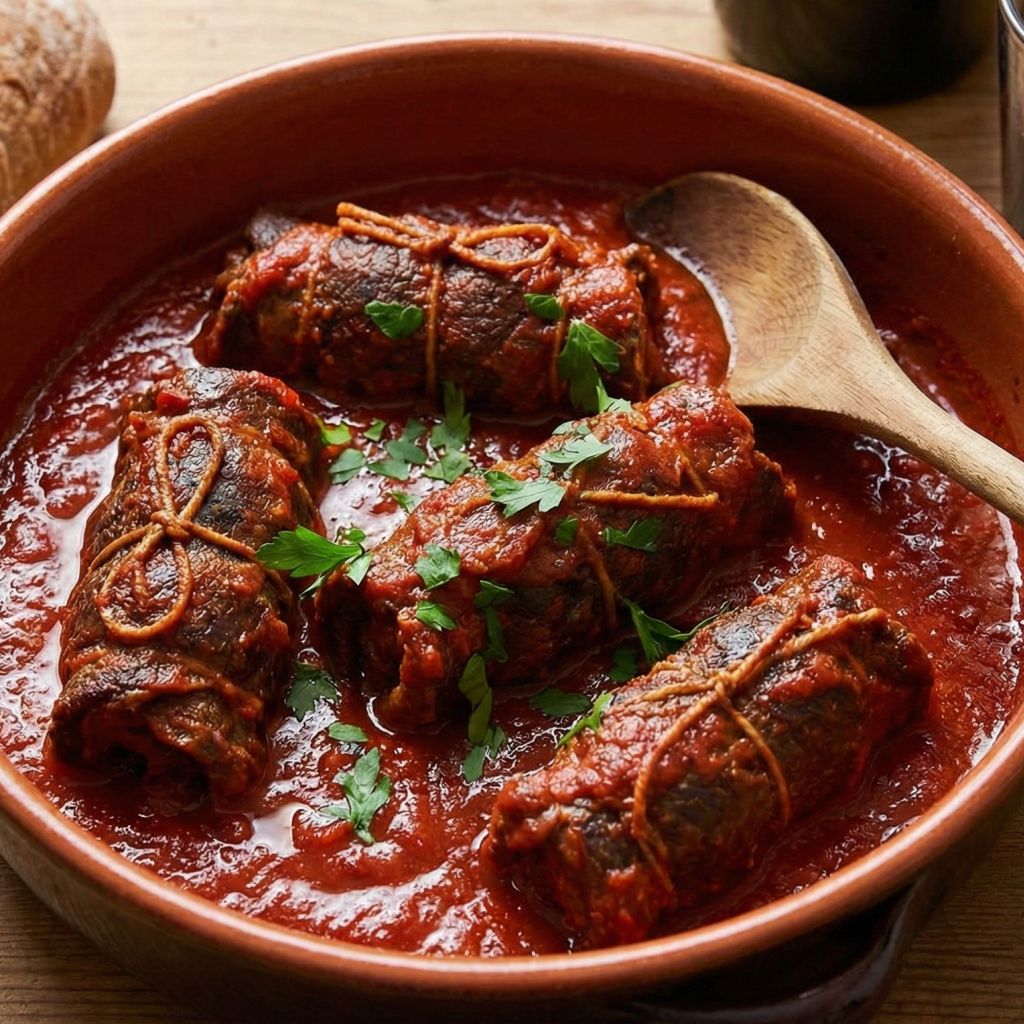
Ingredients
- 4 Slices of Pork Shoulder or Veal (Pounded thin)
- 100g Pecorino Calabrese (Grated or cut into small batons)
- 50g Pancetta or Lard (Cut into strips)
- 1 Bunch of Fresh Parsley (Chopped)
- 2 Cloves of Garlic (Minced)
- 700ml Tomato Passata
- ½ glass Red Wine
- Olive Oil
- Salt and Black Pepper
- Tools: Kitchen twine or toothpicks
Chef's Secret: The "Battuto" (Pounding)
The meat slice must be tenderized and thinned out, but not so much that it tears. Use a meat mallet. The secret to the flavor is the "lardello": inside every roll, you must place a small strip of pancetta or lard. During the long cooking, this fat melts inside the roll, keeping the meat moist from within while the tomato sauce cooks it from the outside.
Preparation Steps
- The Base: Lay the slices of meat flat on a board. Season lightly with salt (careful, the filling is salty) and pepper.
- The Filling: In the center of each slice, place a generous pinch of parsley, some minced garlic, a strip of pancetta, and the Pecorino cheese.
- The Roll: Fold the side edges of the meat inwards slightly (to trap the filling), then roll the meat up tightly from the bottom to form a cylinder.
- The Tie: Secure the roll with kitchen twine (the traditional way) or seal with toothpicks.
- The Sear: In a heavy pot (Dutch oven), heat the olive oil. Sear the rolls on high heat until browned on all sides. This seals the juices.
- The Wine: Deglaze the pan with red wine and let the alcohol evaporate.
- The Braise: Pour in the tomato passata. Lower the heat to the absolute minimum. Cover with a lid slightly ajar.
- The Wait: Cook for 2 to 3 hours. The sauce must become thick and dark red. The meat is ready when it feels soft when poked with a fork.
- Serving: Use the sauce to dress your pasta (Macaroni or Rigatoni). Serve the Braciole as the second course, removing the twine before eating.
Sunday Tradition
The smell of Braciole simmering is the alarm clock for Calabrian families on Sunday mornings. It is strictly forbidden to lift the lid too often, but dipping a piece of bread to "test" the sauce is tolerated.
Rigatoni alla Pastora (Shepherd's Pasta with Ricotta & 'Nduja)
While most Calabrian pastas are tomato-heavy, the Pasta alla Pastora comes from the mountain shepherds of the Aspromonte and Sila ranges. It relies on the two ingredients they always had on hand: fresh sheep's milk Ricotta and preserved 'Nduja. The result is a creamy, pinkish sauce where the coolness of the dairy perfectly balances the heat of the chili salami. It is richness in a bowl.
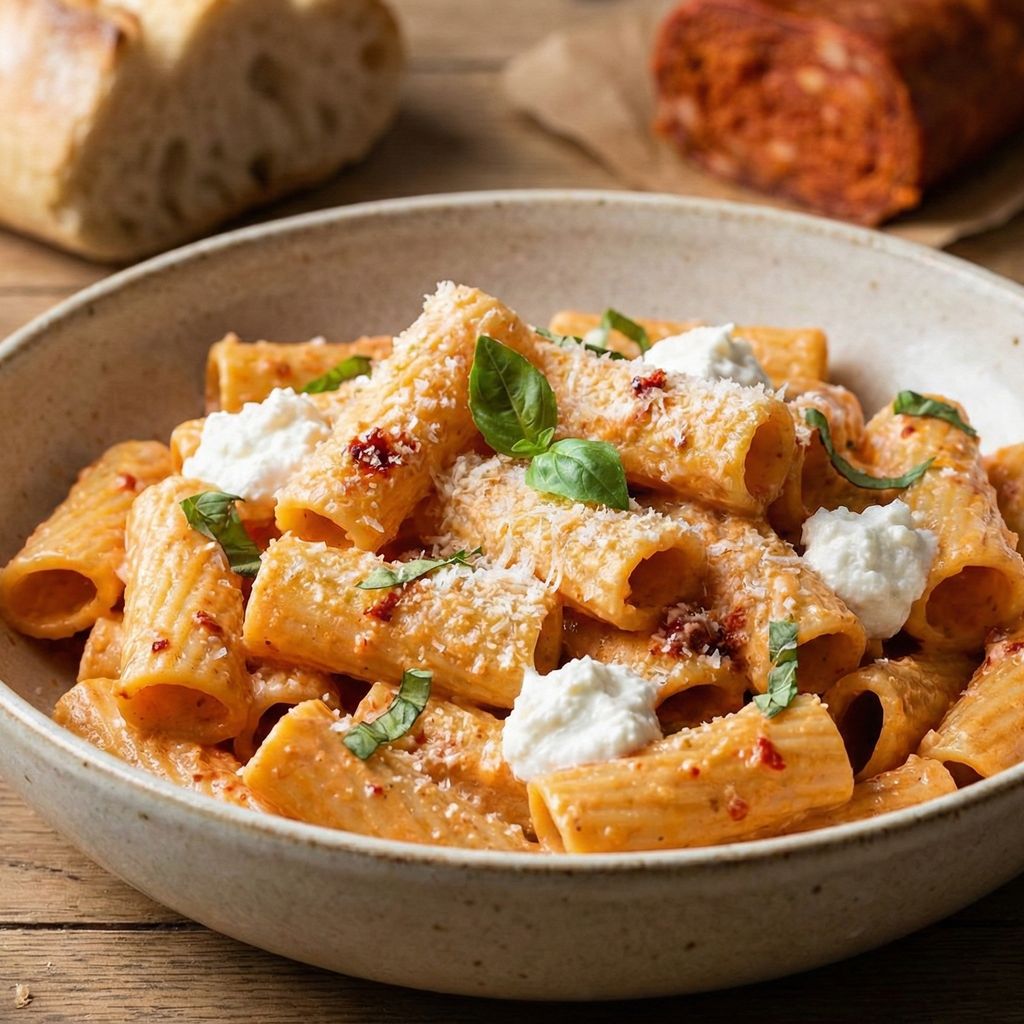
Ingredients
- 400g Rigatoni or Penne Rigate
- 250g Fresh Sheep's Ricotta (Ricotta di Pecora) - Cow ricotta is too sweet/watery, but usable if necessary
- 100g 'Nduja di Spilinga (Casing removed)
- 1 Red Onion (Small, minced)
- Extra Virgin Olive Oil
- Pecorino Calabrese (Grated)
- Salt
Chef's Secret: The "Pink Cream"
The biggest mistake is adding the ricotta directly to the hot pan while the flame is high—it will become grainy. The secret is to mix the fresh ricotta in a separate bowl with a ladle of boiling starchy pasta water until it becomes a smooth velvet cream. Only add this cream to the pan with the 'Nduja after you have turned off the heat. This ensures a silky texture.
Preparation Steps
- The Base: In a large skillet, sauté the minced onion in olive oil until soft and translucent.
- The Spice: Add the 'Nduja to the skillet. Use a wooden spoon to break it apart and let it melt into the oil. Cook for 2 minutes until you have a fiery red oil. Turn off the heat.
- The Cream: While the pasta boils, place the Ricotta in a bowl. Mash it with a fork. Add a ladle of boiling water from the pasta pot and whisk vigorously until it becomes a smooth, white cream.
- The Pasta: Boil the Rigatoni in salted water until *al dente*. Reserve a cup of cooking water.
- The Union: Drain the pasta and toss it immediately into the skillet with the 'Nduja (turn the heat on low for just 30 seconds).
- The Mantecatura: Turn off the heat completely. Pour in the Ricotta cream. Toss everything vigorously. The red 'nduja oil and white ricotta will blend into a beautiful sunset-pink sauce that coats every ridge of the pasta. If it's too dry, add more hot water.
- Serving: Serve immediately with a generous dusting of grated Pecorino.
Why it works
The fat and casein in the ricotta coat the tongue, protecting it momentarily from the capsaicin of the 'Nduja, allowing you to taste the flavor of the pork and peppers before the heat kicks in.
Riso al Forno alla Calabrese (Calabrian Baked Rice with Mini-Meatballs)
In Calabria, rice isn't creamed into a risotto; it is baked into a rich, sturdy casserole known as Riso a 'Tiana (in the pan). It is the ultimate comfort food, traditionally prepared for Sunday lunches or picnics because it tastes even better when warm or at room temperature. The hallmark of this dish is the surprise hidden in every bite: tiny, hazelnut-sized fried meatballs.
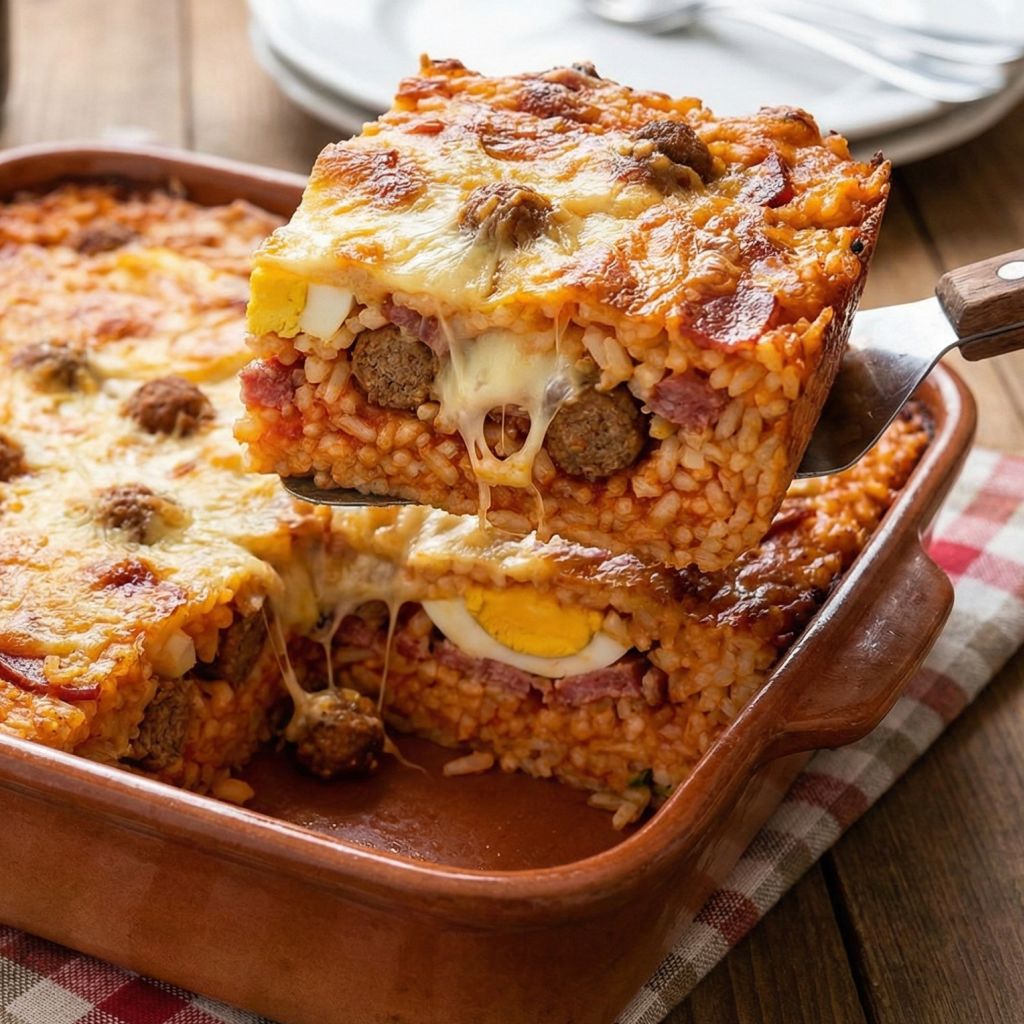
Ingredients
- 500g Carnaroli or Arborio Rice
- 700ml Tomato Passata (cooked into a simple basil sauce)
- 250g Minced Beef/Pork mix (for meatballs)
- 150g Caciocavallo Silano or Provola (Cubed)
- 100g Soppressata Calabrese (Cut into bits)
- 4 Hard-Boiled Eggs (Sliced or cubed)
- 100g Pecorino Calabrese (Grated)
- Breadcrumbs
- Eggs, Parsley, Garlic (for the meatball mix)
- Oil for frying
Chef's Secret: The "Hazelnut" Meatballs
The soul of this dish is the polpettine. You must make them incredibly small—the size of a hazelnut or a chickpea. If they are too big, they break the texture of the rice. And crucial: you must fry them before adding them to the rice. If you boil them in the sauce, they become soggy. The fried crust adds a necessary texture contrast.
Preparation Steps
- The Polpettine: Mix the minced meat with an egg, parsley, garlic, grated cheese, and breadcrumbs. Roll into tiny balls. Fry them in hot oil until golden. Drain and set aside.
- The Rice: Boil the rice in salted water but drain it when it is very al dente (about 4-5 minutes before the package instruction). It will finish cooking in the oven.
- The Mixing: Return the drained rice to the pot. Pour in most of the tomato sauce (reserve some for the top). Stir well. Add the grated Pecorino and mix.
- The Layering: Grease a baking dish (or "tiana") with oil and breadcrumbs. Pour in half of the rice.
- The Filling: Create a rich layer with the fried mini-meatballs, the cubes of Caciocavallo/Provola, the pieces of Soppressata, and the hard-boiled eggs.
- The Top: Cover with the remaining rice. Level it out. Spread the remaining tomato sauce on top and sprinkle generously with breadcrumbs and more Pecorino.
- The Bake: Bake at 200°C (400°F) for about 30 minutes.
- The Crust: Finish with 5 minutes under the broiler until the top is dark golden and crispy. Let it rest for 15 minutes before cutting slices.
Picnic Favorite
This dish is practically mandatory for "Pasquetta" (Easter Monday). It is built to be sliced into squares and eaten with hands if necessary.
Schiaffettoni Ripieni (Calabrian Stuffed Pasta Tubes)
In the area of Vibo Valentia and Soriano, Sunday lunch often features Schiaffettoni. These are large pasta tubes (similar to Paccheri or large Rigatoni) that are painstakingly stuffed by hand with a rich meat filling. Unlike standard cannelloni where the filling is often pre-cooked, here the meat is stuffed raw. As the pasta bakes (or simmers), the juices from the meat absorb directly into the pasta walls, creating a flavor fusion that is impossible to achieve with precooked fillings.
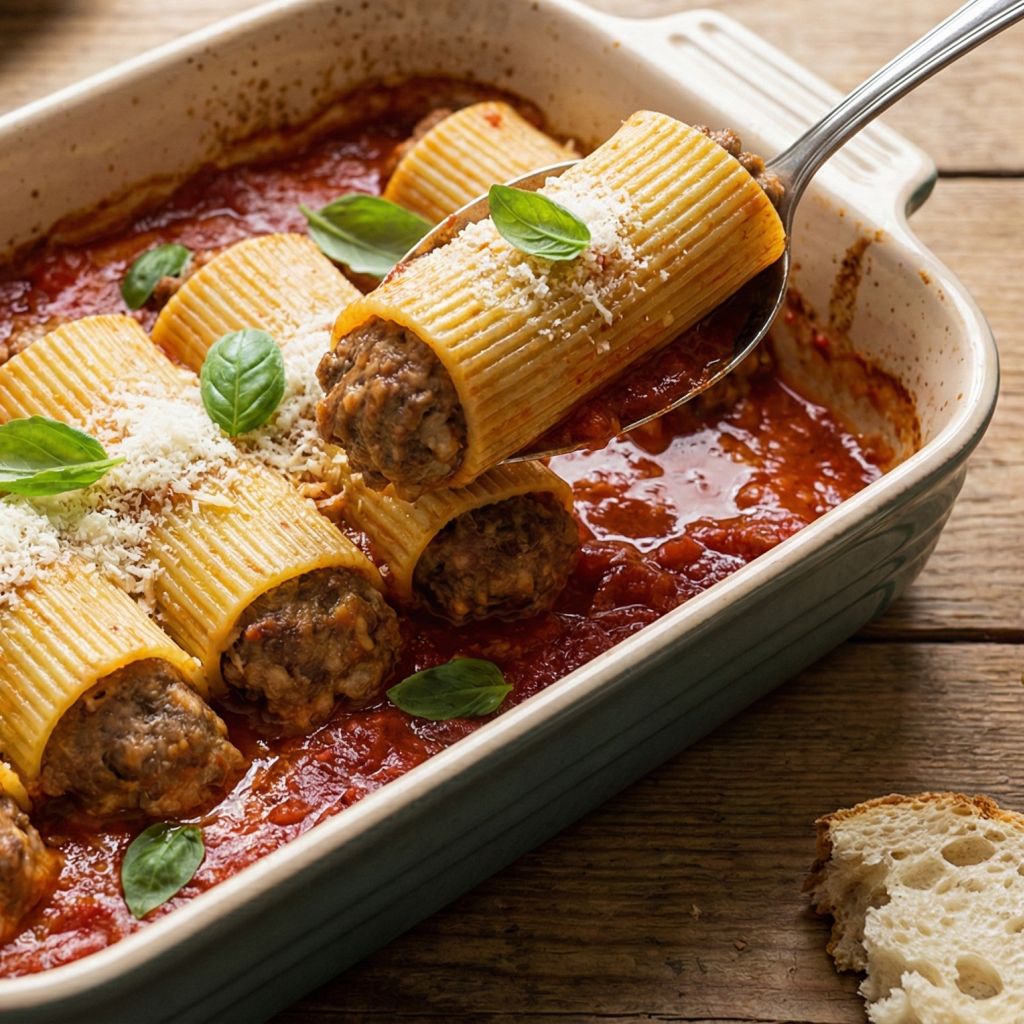
Ingredients
- 400g Schiaffettoni (or Paccheri/Cannelloni shells)
- 300g Ground Pork and Beef mix
- 100g Stale Breadcrumb (Mollica) - Soaked in milk/water and squeezed
- 2 Eggs
- 50g Pecorino Calabrese (Grated)
- 50g Parmesan (Grated)
- Fresh Parsley and Garlic (Minced)
- 700ml Tomato Puree (Passata)
- Olive Oil
- Basil
Chef's Secret: The "Sack" Technique
The hardest part is stuffing the raw meat into the rigid pasta tubes without breaking them. Do not use a teaspoon, it takes forever and creates air pockets. Use a pastry bag (sac-à-poche) without a nozzle, or simply a sturdy freezer bag with the corner cut off. Squeeze the filling in until it bulges slightly out of both ends. This ensures the pasta is full and the meat cooks evenly.
Preparation Steps
- The Sauce: Prepare a simple, loose tomato sauce by sautéing garlic in olive oil, adding the passata and basil, and simmering for 15 minutes. It needs to be quite liquid to cook the pasta.
- The Filling: In a bowl, mix the ground meats, the squeezed breadcrumb, eggs, cheeses, parsley, minced garlic, salt, and pepper. Knead with your hands until you have a soft, uniform dough (like meatball mix).
- The Parboil (Optional): If using dry Paccheri, boil them for just half the cooking time (e.g., 5-6 minutes). Drain and cool under cold water to stop cooking. This prevents them from splitting in the oven.
- The Stuffing: Fill each pasta tube with the meat mixture using the "sack" technique.
- The Assembly: Spread a layer of sauce in a baking dish. Arrange the stuffed tubes side-by-side (single layer is best).
- The Coverage: Pour the remaining sauce over the pasta. Ensure the tubes are well covered so they don't dry out. Dust with more Pecorino.
- The Cooking: Bake at 180°C (350°F) for 30-40 minutes. Alternatively, tradition dictates simmering them gently in a pot on the stove ("pippiare") shaking the pot occasionally, but the oven is safer for structural integrity.
- Serving: Let them rest for 10 minutes before serving. 2-3 tubes per person is usually enough as they are very filling.
A Wedding Dish
Historically, because of the meat content and the labor required to stuff them, Schiaffettoni were reserved for weddings and major religious holidays.
Mazzacorde alla Calabrese (Lamb Offal Rolls in Tomato Sauce)
This dish is not for the faint of heart, but it is a delicacy revered by true connoisseurs of Calabrian cuisine. Mazzacorde (or Gliummarelli) are intricate rolls made from the "pluck" (heart, liver, lungs) of a suckling lamb or kid goat, wrapped tightly in the animal's own intestines. Historically, nothing was wasted. Today, it is a festive dish, stewed slowly in a spicy tomato sauce until tender.
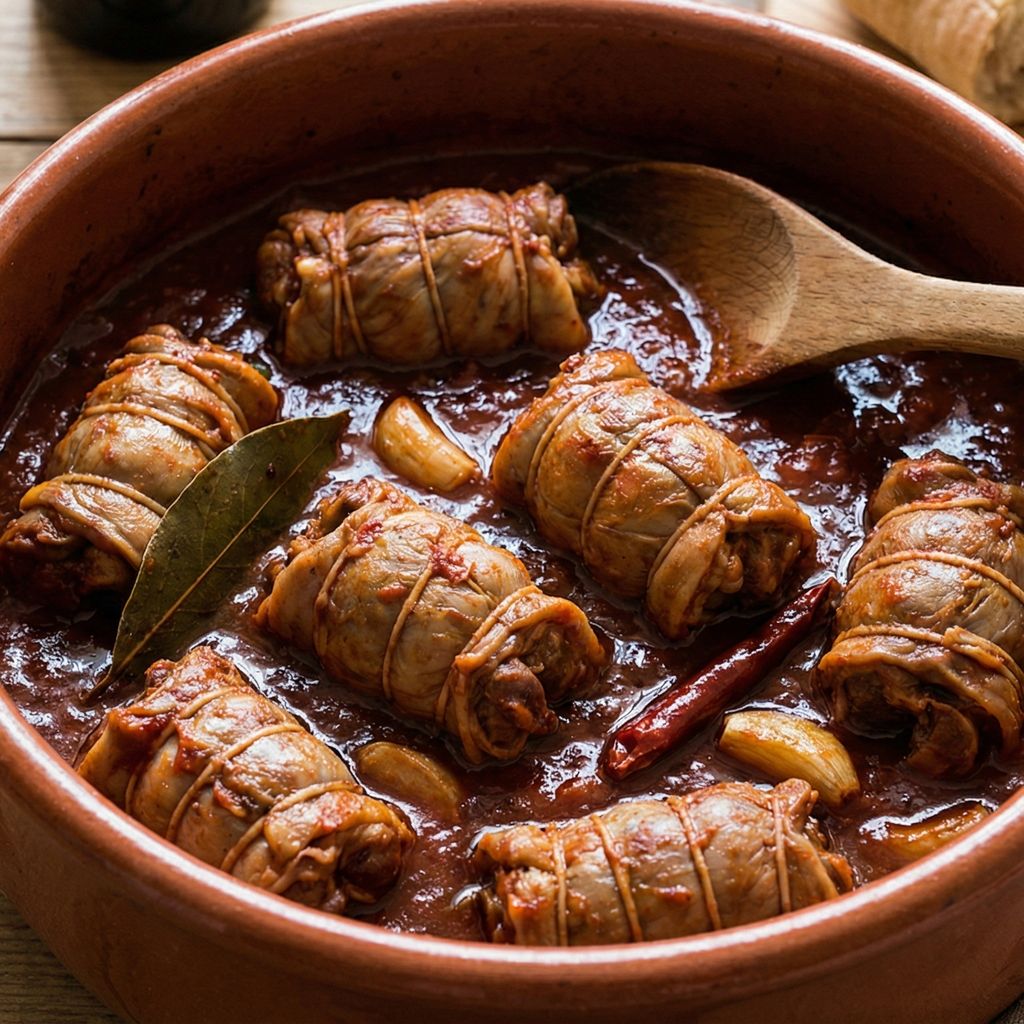
Ingredients
- 1 kg Lamb or Kid Goat Offal (Liver, Heart, Lungs)
- 500g Lamb Intestines (Budelline) - Already emptied and cleaned by the butcher
- 2 Lemons (Juice and wedges)
- 1 Bunch of Parsley
- 2 Cloves of Garlic
- 700ml Tomato Passata
- 1 Glass of Red Wine
- Chili Pepper (Generous amount)
- Bay Leaves
- Olive Oil
- Coarse Salt (for cleaning)
Chef's Secret: The "Lemon Scrub"
The success of this dish lies entirely in the preparation of the intestines. Even if bought clean, you must wash them again at home under running water, rubbing them with coarse salt and lemon juice. This "scrub" removes the strong gamey smell and whitens the casing. If you skip this step, the flavor will be too overpowering.
Preparation Steps
- The Cleaning: Wash the intestines thoroughly with salt and lemon as described. Rinse until the water runs clear.
- The Filling: Cut the liver, heart, and lungs into thick strips (about the size of a finger).
- The Assembly: Take a strip of each organ (one liver, one heart, one lung) and bundle them together along with a sprig of parsley and a sliver of garlic.
- The Wrapping: Take a long strand of intestine and wrap it tightly around the meat bundle, like a ball of yarn ("gomitolo"), until the meat is completely covered and secured. Tie the end.
- The Blanching (Optional): Some cooks boil the rolls for 10 minutes in water and vinegar to degrease them further. Drain well.
- The Browning: In a terracotta pot, heat the olive oil with chili and bay leaves. Add the Mazzacorde and fry on high heat until browned and sealed.
- The Stewing: Deglaze with red wine. Once evaporated, add the tomato passata. Cover and simmer on very low heat for at least 90 minutes. The sauce should become dark and dense.
- Serving: Serve hot. The sauce is exceptional for dressing homemade pasta (like Maccaruni) as a first course.
A Taste of History
This dish connects modern Calabria to its Magna Graecia roots (similar to the Greek Kokoretsi), celebrating the sacredness of the animal where sacrifice meant total consumption.
Millecosedde (Calabrian Thousand-Things Soup)
While Lagane e Ceci is the queen of pasta dishes, Millecosedde is the queen of soups. Native to the Pollino mountains and the Cosenza area, this dish is a celebration of the pantry. It combines every legume available (beans, chickpeas, lentils) with vegetables and, crucially, dried chestnuts and wild mushrooms from the Sila forests. The sweetness of the chestnuts creates a flavor profile unlike any other Italian soup.
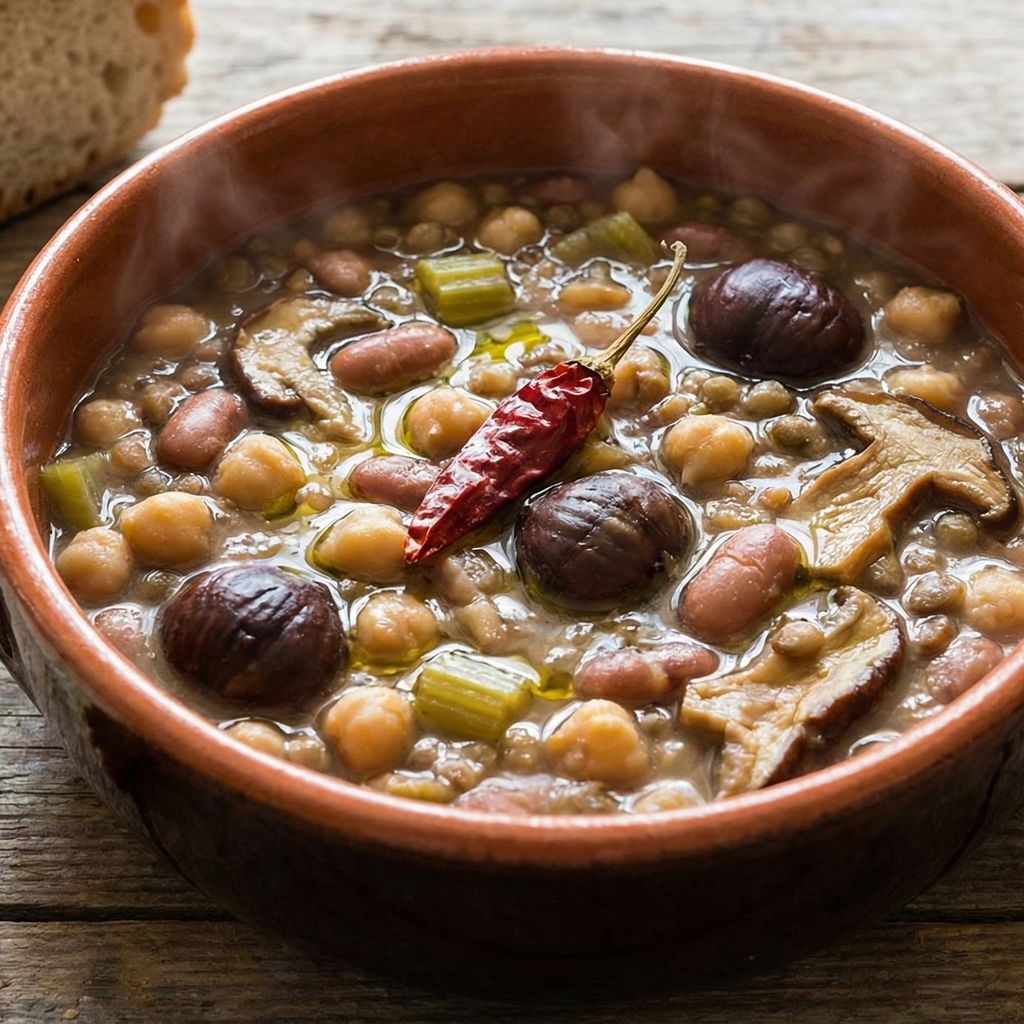
Ingredients
- 100g Dried Chickpeas
- 100g Dried Beans (Borlotti or Cannellini)
- 100g Dried Lentils
- 100g Dried Broad Beans (Fave) - Optional
- 150g Dried Chestnuts (Castagne secche/Pastillere) - The key ingredient
- 30g Dried Porcini Mushrooms (Rehydrated)
- 1 Onion (Red or White)
- 2 Ribs of Celery
- 200g Ditalini Pasta or Broken Spaghetti (Optional, often eaten without)
- Extra Virgin Olive Oil
- Hot Chili Pepper
Chef's Secret: The "Hard" Chestnut
Dried chestnuts are hard as rocks. You must soak them overnight (just like the chickpeas) and boil them separately first with a bay leaf until they are tender but not falling apart. If you cook them with the lentils, the lentils will dissolve before the chestnuts are edible. The cooking water of the chestnuts is dark and sweet—save a cup of it to add depth to the soup!
Preparation Steps
- The Soaking: Soak the chickpeas, beans, and chestnuts in separate bowls of water overnight (at least 12 hours). Soak lentils for 2 hours.
- The Pre-cooking: Boil the chickpeas and beans in one pot (approx 90 mins). Boil the chestnuts in another pot (approx 45-60 mins). Drain but keep some cooking liquid.
- The Soffritto: In a large terracotta pot ("Pignata" or heavy pot), sauté the chopped onion, celery, and chili pepper in generous olive oil.
- The Flavor Base: Add the chopped rehydrated porcini mushrooms to the oil and let them sizzle to release their aroma.
- The Union: Add the pre-cooked beans, chickpeas, and chestnuts to the pot. Add the raw lentils now (they cook faster). Cover with water (and the reserved chestnut liquid).
- The Simmering: Cook on low heat for another 30-40 minutes until the lentils are tender and the broth has thickened into a creamy consistency.
- The Pasta (Optional): If adding pasta, cook it directly inside the soup adding a bit more hot water if needed.
- Serving: Let it rest for 10 minutes before serving. It is traditionally served with a thread of raw olive oil and toasted bread.
A Winter Powerhouse
Historically eaten to face the harsh Apennine winters, this soup provides a perfect protein-carbohydrate balance. The chestnut texture is often mistaken for meat by the untrained palate.
Turdilli (Calabrian Red Wine Honey Gnocchi)
In the Cosenza area, Christmas isn't Christmas without Turdilli. These are not soft doughnuts, but structured, crumbly fried pastries shaped like gnocchi. The dough is unique because it traditionally contains no eggs and no yeast. It is made by emulsifying hot wine and olive oil with flour. Once fried, they are dipped in hot honey (or fig molasses) which seals them, allowing them to stay fresh for weeks.
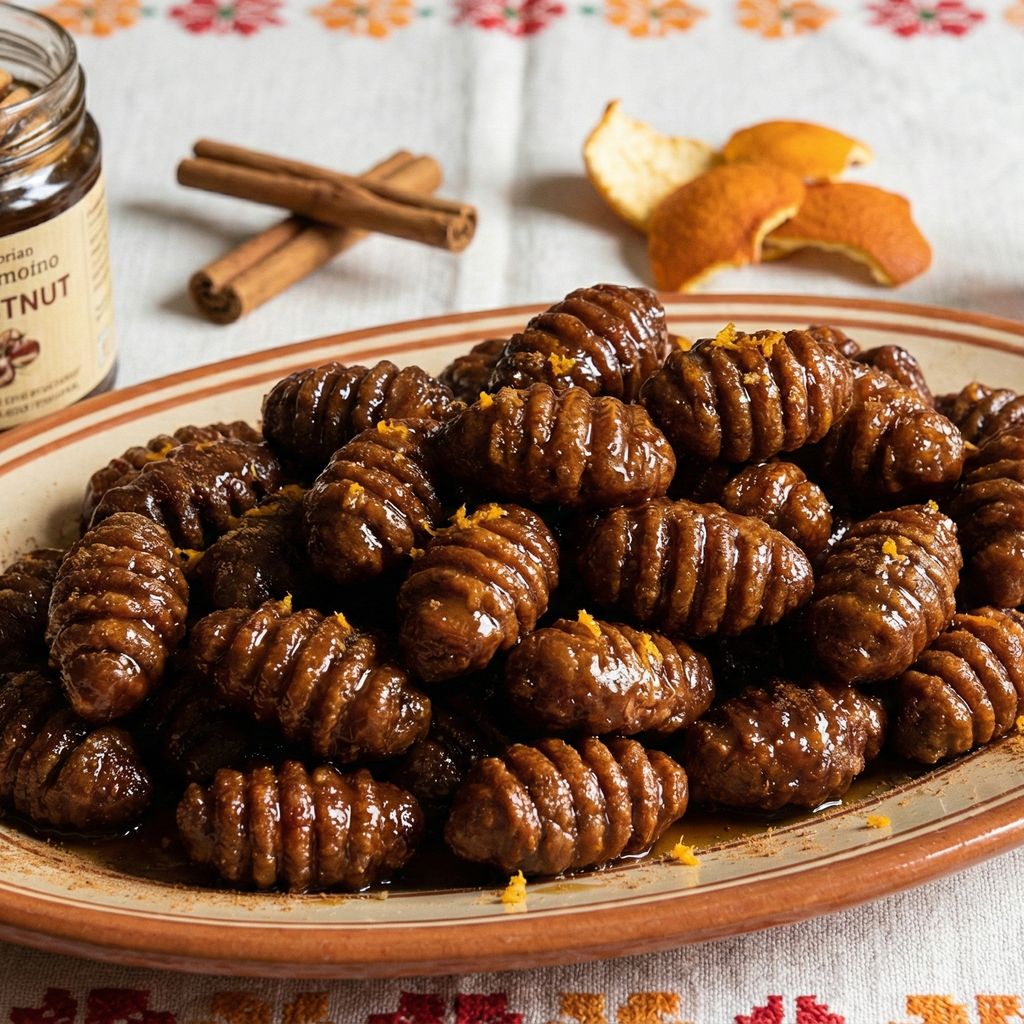
Ingredients
- 500g 00 Flour (approx. amount)
- 120ml Extra Virgin Olive Oil
- 120ml Red Wine (full-bodied) or Moscato (for a lighter version)
- 2 tbsp Sugar
- 1 tsp Cinnamon
- Grated Zest of 1 Orange and 1 Lemon
- Oil for deep frying
- 300g Honey (Chestnut or Fig Honey/Molasses is traditional)
Chef's Secret: The "Hot Emulsion"
Unlike most pastries where you keep ingredients cold, here you must boil the liquids. Heat the oil and wine together in a pot with the sugar until they start to bubble. Remove from heat and pour them immediately into the flour. This "cooks" the flour slightly (gelatinization), creating a dough that is easy to shape and becomes incredibly crumbly and flaky after frying.
Preparation Steps
- The Liquid Gold: In a saucepan, heat the oil, wine, sugar, and zest until it begins to simmer.
- The Dough: Put the flour in a large bowl. Pour the hot liquid into the center. Stir with a wooden spoon (don't burn your hands!) until combined.
- The Kneading: Once cool enough to handle, knead until smooth. It should be oily and firm, not sticky. If too soft, add a dusting of flour.
- The Shaping: Roll the dough into ropes (1.5 cm thick). Cut into small nuggets (3-4 cm long).
- The Texture: This is crucial: Roll each nugget down a textured board (rigagnocchi) or the back of a fork to create deep ridges. These grooves are the "honey traps".
- The Fry: Fry in deep oil at 170°C. They don't puff up much, but they will turn a dark, rich brown (especially if made with red wine). Drain well.
- The Glazing: Heat the honey in a wide pan until it thins out and foams slightly. Toss the fried Turdilli in the hot honey until evenly coated.
- Serving: Arrange them on a serving tray in a pyramid. Let them cool. They taste best the day after.
Fig Molasses Variation
The most ancient version of this recipe uses "Miele di Fichi" (cooked fig syrup) instead of bee honey, giving the Turdilli a darker, almost black appearance and a roasted, fruity flavor.
Coniglio alla Calabrese (Calabrian Rabbit Stew with Olives & Vinegar)
In the Calabrian countryside, rabbit was historically more common than beef. This traditional Sunday recipe turns the lean meat into a rich, aromatic stew. Unlike the Northern "cacciatora" which relies heavily on vegetables, the Calabrian version focuses on the pungency of wine vinegar, the saltiness of cured black olives, and the heat of chili, creating a sweet-and-sour undertone that makes the meat incredibly tender.
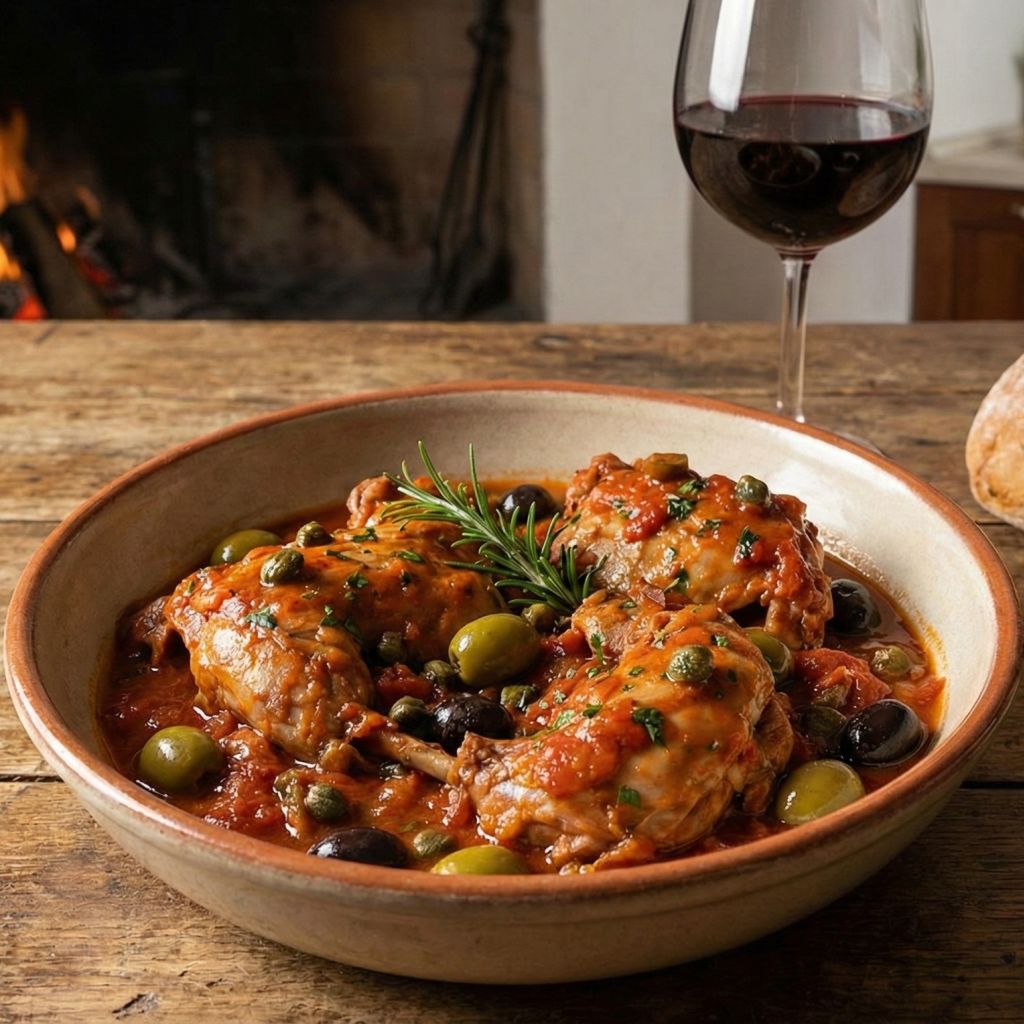
Ingredients
- 1 Whole Rabbit (approx. 1.2 kg) - Cut into small pieces
- 100ml Red Wine Vinegar (plus more for washing)
- 100g Black Baked Olives (Olive infornate) or Gaeta Olives
- 2 tbsp Capers (Desalted)
- 400ml Tomato Passata (or rustic crushed tomatoes)
- 2 Cloves of Garlic
- 1 Onion (Red Tropea)
- Fresh Rosemary and Bay Leaves
- Hot Chili Pepper
- Olive Oil
- Flour (for dusting)
Chef's Secret: The "Liver Cream"
The rabbit's liver is a flavor bomb. Do not discard it! Cook it along with the meat, but halfway through the stewing process, fish it out. Mash it finely with a fork or crush it with a little sauce until it becomes a paste. Stir this paste back into the pot. It acts as a natural thickener and adds an incredible depth of savory flavor (umami) that distinguishes an amateur stew from a Nonna's stew.
Preparation Steps
- The Purge: Place the rabbit pieces in a bowl with water and half a cup of vinegar. Let soak for 30 minutes to remove the gamey smell. Drain and pat dry thoroughly.
- The Sear: Lightly dust the rabbit pieces with flour. Heat generous olive oil in a heavy pot (Dutch oven). Fry the rabbit in batches until golden brown and crisp on all sides. Remove meat and set aside.
- The Soffritto: In the same oil, sauté the chopped onion, garlic, chili, and rosemary.
- The Deglaze: Return the rabbit to the pot. Pour in the 100ml of vinegar. Raise the heat and let the sharp smell evaporate completely (this is crucial for the final taste).
- The Stewing: Add the tomato passata, the olives, the capers, and the bay leaves. Season with salt.
- The Simmer: Cover and cook on low heat for about 45-60 minutes. The meat should start falling off the bone.
- The Finish: Apply the "Liver Cream" trick described above. Cook for another 5 minutes uncovered to thicken the sauce.
- Serving: Serve hot, ideally with crusty bread to mop up the sour-spicy sauce.
Pairing
The vinegar acidity requires a robust red wine with good structure, like a Cirò Rosso Classico, to stand up to the bold flavors.
Totani e Patate alla Calabrese (Spicy Squid & Potato Stew)
This dish is a masterpiece of the Calabrian coastal tradition, particularly widely loved along the Tyrrhenian coast. It is a humble "terra e mare" (land and sea) stew where the texture is everything. Unlike the delicate calamari used in northern Italy, Calabria favors the Totano (flying squid)—a darker, firmer, and tastier mollusk that holds up beautifully to long braising. The sweetness of the mountain potatoes (ideally from the Sila plateau) naturally thickens the spicy, oceanic sauce, creating a comfort food that demands to be eaten with crusty bread.
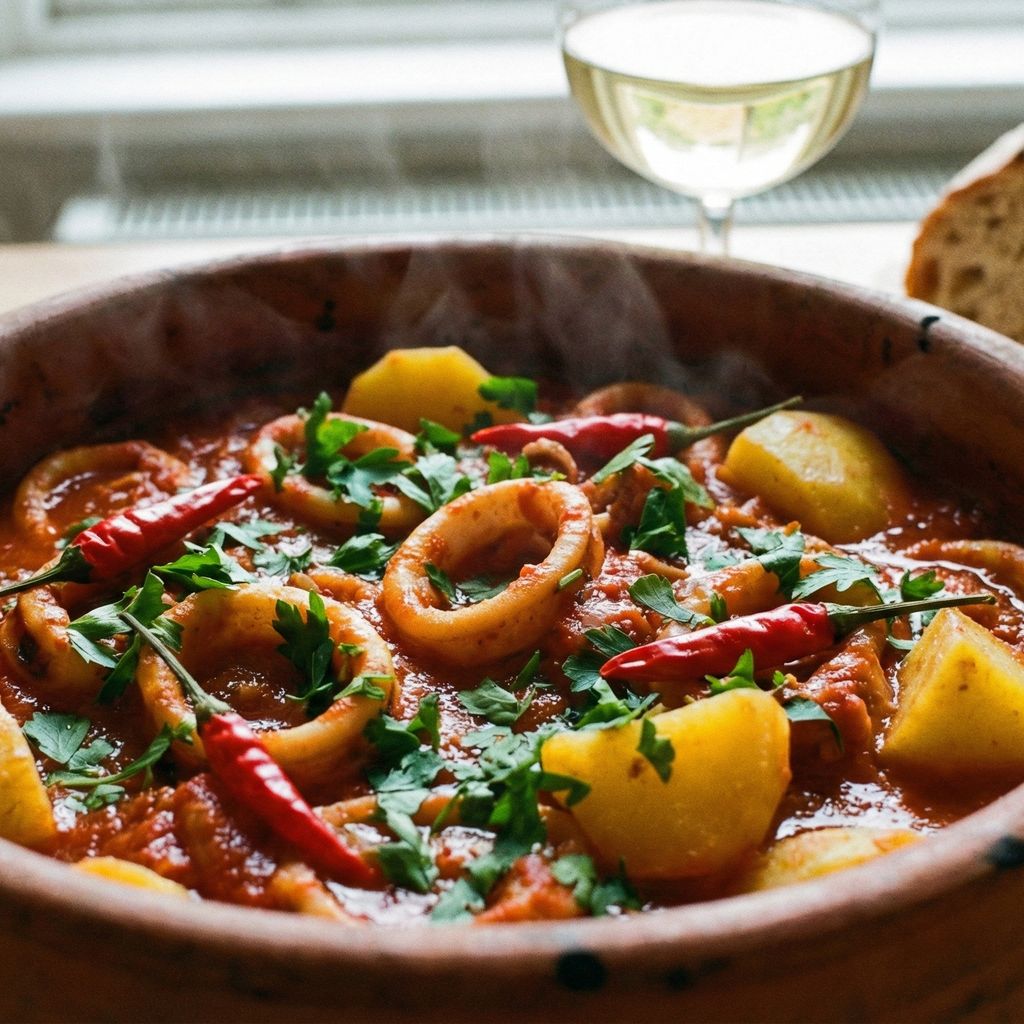
Ingredients
- 1 kg Fresh Totani (Flying Squid), cleaned and cut into rings (tentacles left whole)
- 800g Yellow-fleshed potatoes (starchy variety), peeled and cut into chunks
- 400g Canned peeled tomatoes (San Marzano or similar), crushed by hand
- 2 cloves Garlic, lightly crushed
- 1/2 glass Dry white wine (e.g., Cirò Bianco)
- 2-3 Fresh Calabrian chili peppers (adjust to spice tolerance)
- Extra Virgin Olive Oil (generous amount)
- Fresh Parsley, chopped
- Salt to taste
Chef's Secret: Never boil the potatoes separately! The magic of this dish lies in the starch release. Add the raw potatoes directly into the stew with the squid. As they cook, they will release starch into the sauce, creating a creamy, dense bind ("cremina") that coats the squid. If the sauce is too liquid, mash one or two potato chunks into the gravy before serving.
Preparation Steps
- Prepare the Base: In a heavy-bottomed terracotta pot or Dutch oven, heat a generous amount of olive oil. Add the garlic cloves and the chopped chili peppers. Sauté gently until the garlic is golden, then remove the garlic if preferred (or leave it for a stronger kick).
- Sear the Squid: Increase the heat and add the prepared Totani. Sauté them vigorously for 3–4 minutes until they turn opaque and release some of their liquid.
- Deglaze: Pour in the white wine and let the alcohol evaporate completely over high heat.
- Simmer: Lower the heat to medium. Add the crushed tomatoes and a pinch of salt. Cover and let it simmer for about 20 minutes. The squid needs a head start as it is tougher than potatoes.
- Add Potatoes: Add the potato chunks to the pot. If the liquid has reduced too much, add a splash of hot water (the potatoes should be mostly submerged but not drowning).
- The Slow Cook: Cover again and cook on low heat for another 30–40 minutes. Do not stir too often to avoid breaking the potatoes; instead, gently shake the pot by the handles.
- Finish: Check that both the squid is tender and the potatoes are soft. Remove the lid for the last 5 minutes to reduce the sauce to a thick consistency. Stir in fresh parsley just before turning off the heat.
Pro Tip
This dish tastes significantly better if allowed to rest. If you can, prepare it a few hours in advance (or even the day before) and gently reheat it. This allows the potatoes to fully absorb the briny, spicy flavor of the squid. Serve strictly with Pane Casereccio (rustic sourdough bread) for the obligatory "scarpetta" (mopping up the sauce).
Polpette di Pane alla Calabrese (Calabrian Breadballs in Tomato Sauce)
Before meat became accessible to everyone, Calabrian grandmothers relied on ingenuity to feed their families. These Breadballs are the ultimate example of "Cucina Povera" (peasant cuisine). Using stale sourdough bread as the main ingredient, they are transformed into savory, cheesy dumplings simmered in a rich tomato sauce. Far from being a compromise, locals often prefer these to meatball versions because of their incredibly soft, melt-in-the-mouth texture and the punchy flavor of the sheep's cheese.
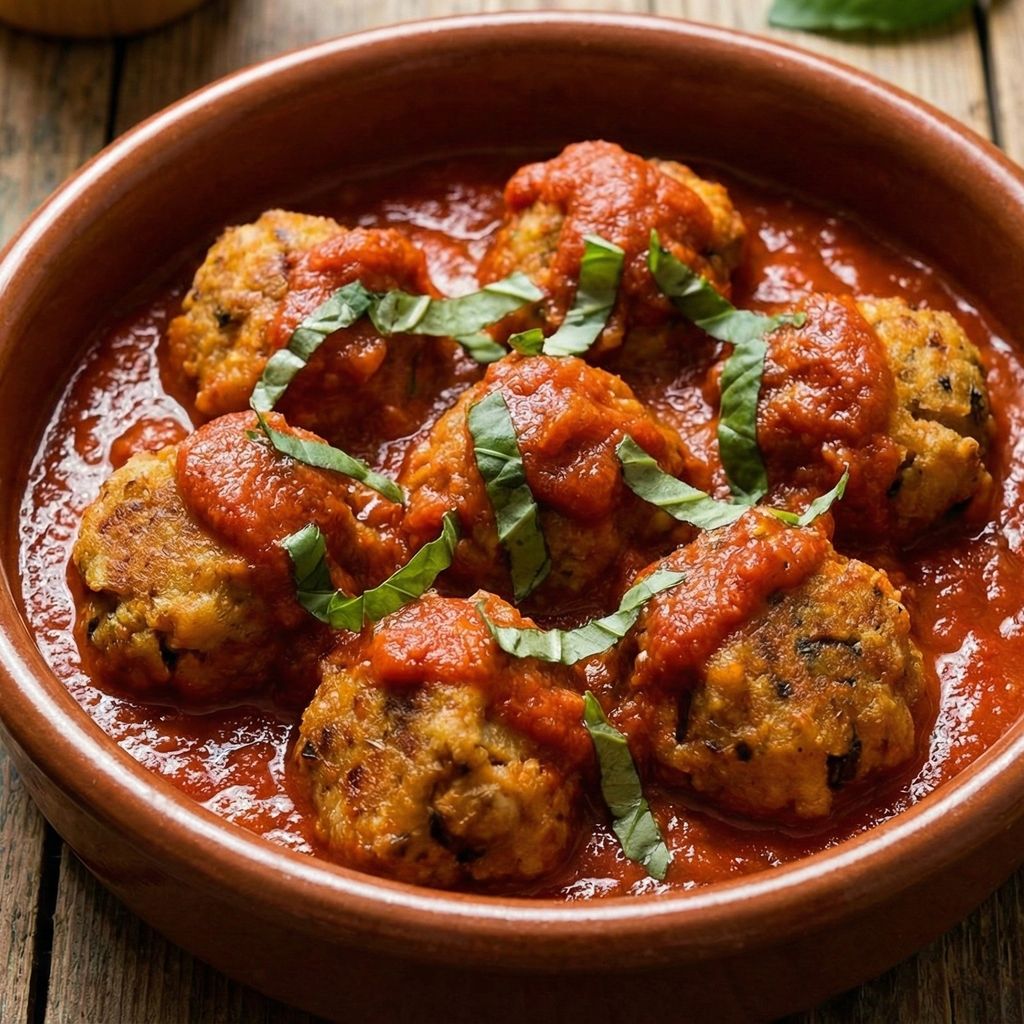
Ingredients
- 500g Stale rustic bread (crumb only, crusts removed)
- 150g Pecorino Crotonese cheese, grated (aged and sharp)
- 3 Whole eggs
- 1 clove Garlic, finely minced
- 1 handful Fresh parsley, chopped
- Milk or Water (for soaking the bread)
- 700ml Tomato purée (Passata di pomodoro)
- 1/2 Onion, chopped (for the sauce)
- Olive Oil (for frying and sauce)
- Salt and Black Pepper
Chef's Secret: The consistency is key. After soaking the bread, you must squeeze it very thoroughly. If the bread is too wet, the balls will dissolve in the sauce. However, the secret ingredient to ensure they don't become rubbery is a pinch of baking soda (bicarbonate) in the dough, which makes them incredibly fluffy.
Preparation Steps
- Prepare the Bread: Cut the stale bread into chunks and soak them in a bowl of milk (richer) or water (traditional) for about 15 minutes until soft. Drain and squeeze the bread vigorously with your hands to remove as much liquid as possible. Crumble it into a dry bowl.
- Make the Dough: Add the beaten eggs, grated Pecorino cheese, minced garlic, parsley, salt, and pepper to the bread crumbs. Knead with your hands until you get a uniform, compact dough. If it's too sticky, add a sprinkle of dry breadcrumbs; if too dry, add a splash of milk.
- Shape: Form medium-sized balls (about the size of a walnut or a golf ball) with your hands.
- The Sauce: In a large pot, sauté the chopped onion in olive oil. Add the tomato purée, season with salt, and let it simmer on low heat for 10 minutes.
- Fry (Optional but Recommended): While the sauce simmers, heat frying oil in a separate pan. Lightly fry the breadballs until they form a golden crust (this prevents them from breaking apart in the sauce). Drain on paper towels. Note: You can skip this and drop them raw into the sauce for a softer result, but frying adds flavor.
- Simmer: Gently drop the fried breadballs into the tomato sauce. Cook on very low heat for about 20 minutes. Do not stir with a spoon; shake the pot gently to move them around.
- Serve: Let them rest for 10 minutes before serving. They are best served warm, not piping hot.
Pro Tip
These breadballs are notoriously thirsty! They will absorb a significant amount of sauce as they cool. Make sure you prepare plenty of tomato sauce (more than you think you need) so you have enough left over to dress a plate of spaghetti, creating a complete two-course meal from a single pot.
Cipolle di Tropea Ripiene (Stuffed Sweet Red Onions)
You simply cannot talk about Calabrian cuisine without bowing to the majesty of the Red Onion of Tropea. Unlike common onions, these are incredibly sweet, crunchy, and devoid of sharpness. While often eaten raw, the traditional way to serve them as a main course or hearty side dish is ripiene (stuffed). This recipe is a celebration of simplicity: the onions are hollowed out, and their sweet pulp is mixed with savory Pecorino cheese and breadcrumbs, creating a caramelized, golden gratin that melts in your mouth.
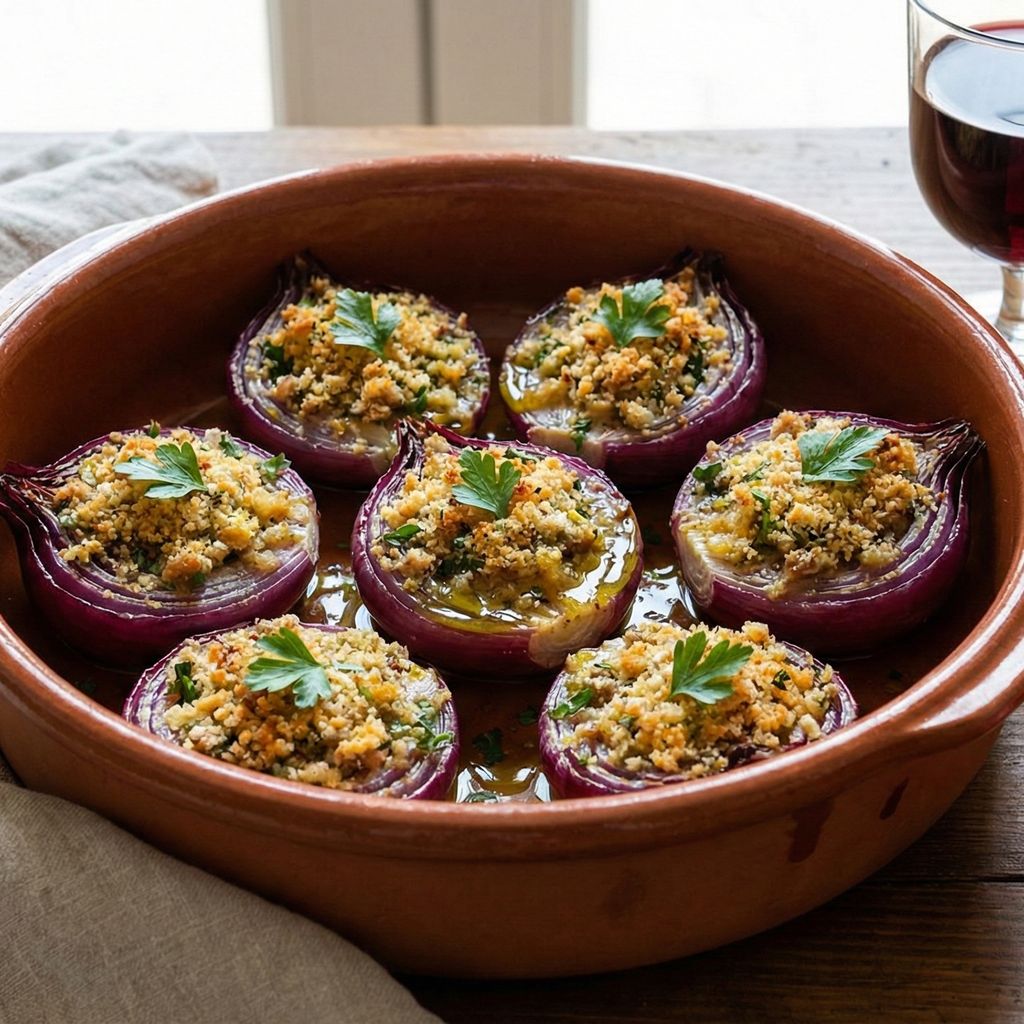
Ingredients
- 6 Large Red Onions of Tropea (sweet variety)
- 150g Stale breadcrumbs (crumb only, coarse texture)
- 80g Pecorino Crotonese (or a mix of Pecorino and Parmesan), grated
- 2 Eggs
- 1 tablespoon Capers, rinsed and chopped (optional but traditional)
- Fresh Parsley, chopped
- Extra Virgin Olive Oil
- Salt and Black Pepper
- A splash of white vinegar (for boiling)
Chef's Secret: Do not bake them raw! The secret to perfect tenderness without burning the filling is to blanch the whole, peeled onions in boiling water with a splash of vinegar for about 10–15 minutes before hollowing them out. This ensures the layers are soft and the natural sugars start to release.
Preparation Steps
- Blanch the Onions: Peel the onions. Bring a pot of salted water with a splash of vinegar to a boil. Cook the whole onions for 10–15 minutes until slightly tender but still holding their shape. Drain and let them cool upside down.
- Create the Shells: Cut the top third off each onion horizontally. Carefully scoop out the inner layers, leaving about 2-3 outer layers to form a sturdy cup.
- Prepare the Filling: Finely chop the scooped-out onion pulp and the tops you cut off. In a pan, sauté this pulp with a little olive oil until soft and translucent. Transfer to a bowl.
- Mix: Add the breadcrumbs, grated cheese, beaten eggs, chopped parsley, capers (if using), salt, and pepper to the bowl with the sautéed pulp. Mix until you have a moist, moldable stuffing. If too dry, add a drizzle of oil or a splash of milk.
- Stuff and Bake: Fill each onion shell generously with the mixture, creating a small mound on top. Drizzle with olive oil. Place them snugly in a baking dish lined with parchment paper.
- Oven: Bake in a preheated oven at 180°C (350°F) for about 30–40 minutes, or until the onions are soft and the tops form a deep golden-brown crust.
- Serve: Let them cool slightly. These are technically better served warm or at room temperature, rather than piping hot, to allow the sweet flavors to settle.
Pro Tip
For a "mare" (seafood) variation typical of the Vibo Valentia coast, add 80g of high-quality oil-packed tuna to the stuffing mixture. The savory tuna pairs perfectly with the sweetness of the Tropea onion.
Baccalà alla Cosentina (Cosenza-Style Fried & Stewed Salt Cod)
While Reggio Calabria is famous for its Stockfish, the city of Cosenza answers with this rich, decadent preparation of Baccalà (salt cod). This is not a light fish stew; it is a celebration dish. The unique feature of the Cosentina style is that the main ingredients—cod and potatoes—are fried before being stewed. This creates a texture that is crispy yet succulent, absorbing the flavors of the black olives, sweet peppers, and tomato sauce without falling apart. It is a dish that brings together the Spanish influence of frying with the local Calabrian produce.
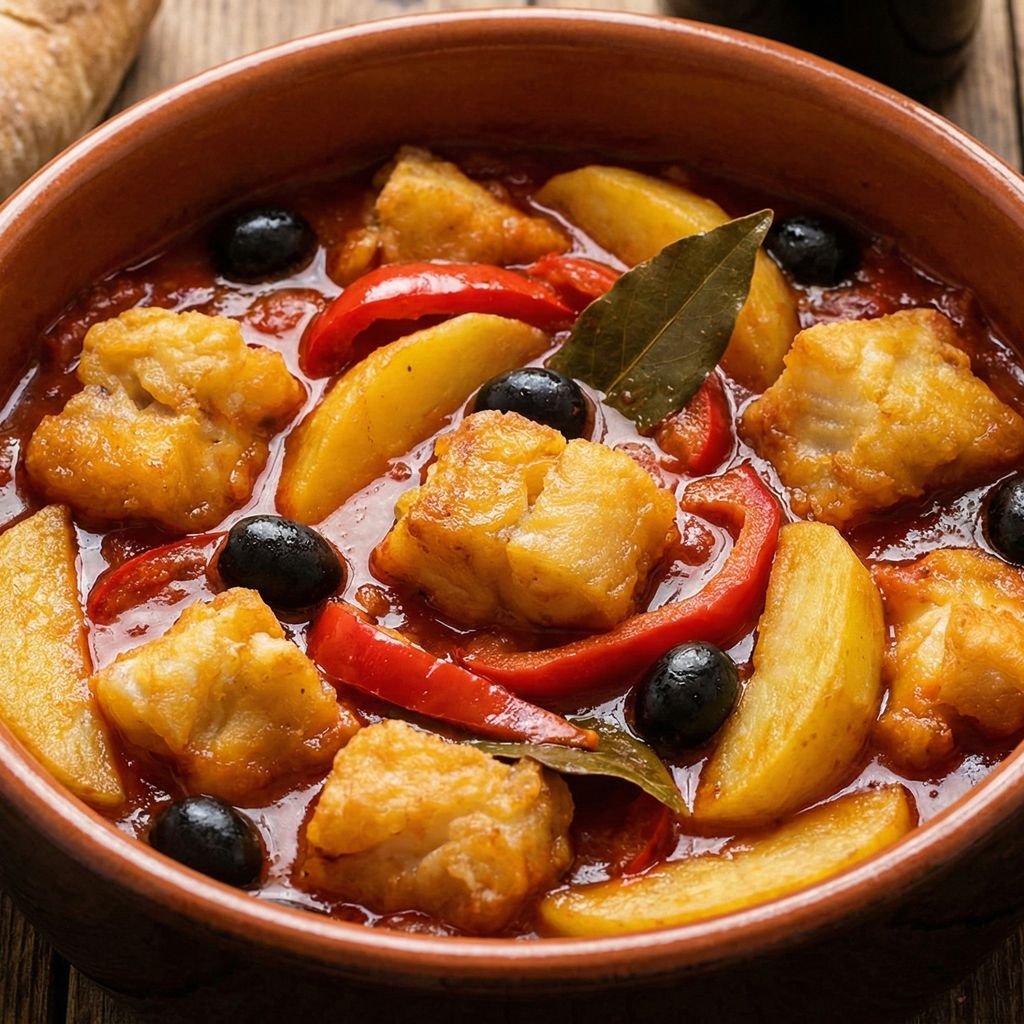
Ingredients
- 800g Baccalà (Salt Cod), already desalted, skinned, and cut into chunks
- 600g Potatoes, peeled and cut into thick wedges
- 400g Canned peeled tomatoes, crushed
- 100g Black olives (baked or in brine), pitted
- 2 Red bell peppers (or dried "Peperoni Cruschi" for a more traditional crunch), sliced
- 1 Red onion, sliced
- 2 Bay leaves
- Flour (for dredging the fish)
- Olive Oil (plenty, for frying and cooking)
- Salt (use sparingly, check the cod first)
- Dried Chili Flakes (optional)
Chef's Secret: The "lock-in" technique. You must flour and fry the cod pieces before adding them to the sauce. This seals the juices inside the fish and creates a protective crust that prevents the baccalà from disintegrating into mush during the final stewing phase.
Preparation Steps
- First Fry (Potatoes): In a large, deep frying pan, heat abundant olive oil. Fry the potato wedges until they are golden and cooked through. Remove them with a slotted spoon and set aside on paper towels.
- Second Fry (Fish): In the same oil (or fresh oil if preferred), dredge the damp baccalà chunks in flour, shaking off the excess. Fry them until golden brown on all sides. Remove and set aside.
- The Base: In a clean, large pot or braising pan, heat a few tablespoons of olive oil. Sauté the sliced onion and the peppers (if using fresh peppers) until soft.
- The Sauce: Add the crushed tomatoes, bay leaves, and black olives to the pot. Cook on medium heat for about 10–15 minutes until the sauce thickens slightly.
- The Union: Gently place the fried baccalà pieces and the fried potatoes into the tomato sauce. If using dried peppers (cruschi), add them now.
- Simmer: Lower the heat to a minimum. Cover and let everything stew together for about 15–20 minutes. Do not stir with a spoon! To mix, gently shake the pot by the handles to coat everything in the sauce without breaking the fish.
- Serve: Allow the dish to rest for at least 30 minutes off the heat before serving. It is best enjoyed warm, not boiling hot.
Pro Tip
For the most authentic experience, use "Olive Nere al Forno" (baked black olives) rather than the brined variety. Their slightly bitter, smoky flavor cuts through the richness of the fried fish and sweet potatoes perfectly.
Insalata di Stocco di Mammola (Calabrian Raw Stockfish Salad)
While the heavy stews of Calabria are famous, this dish showcases the delicate, fresh side of the region's seafood. Centered around the famous Stocco di Mammola (high-quality stockfish hydrated in mountain spring water), this salad is served cold and raw. The "cooking" is done simply by the acidity of the lemon juice. It is a dish of textures: the firm, chewy sponge of the fish, the crunch of the celery, and the meaty bite of the olives. It is the definitive appetizer of the Aspromonte region.
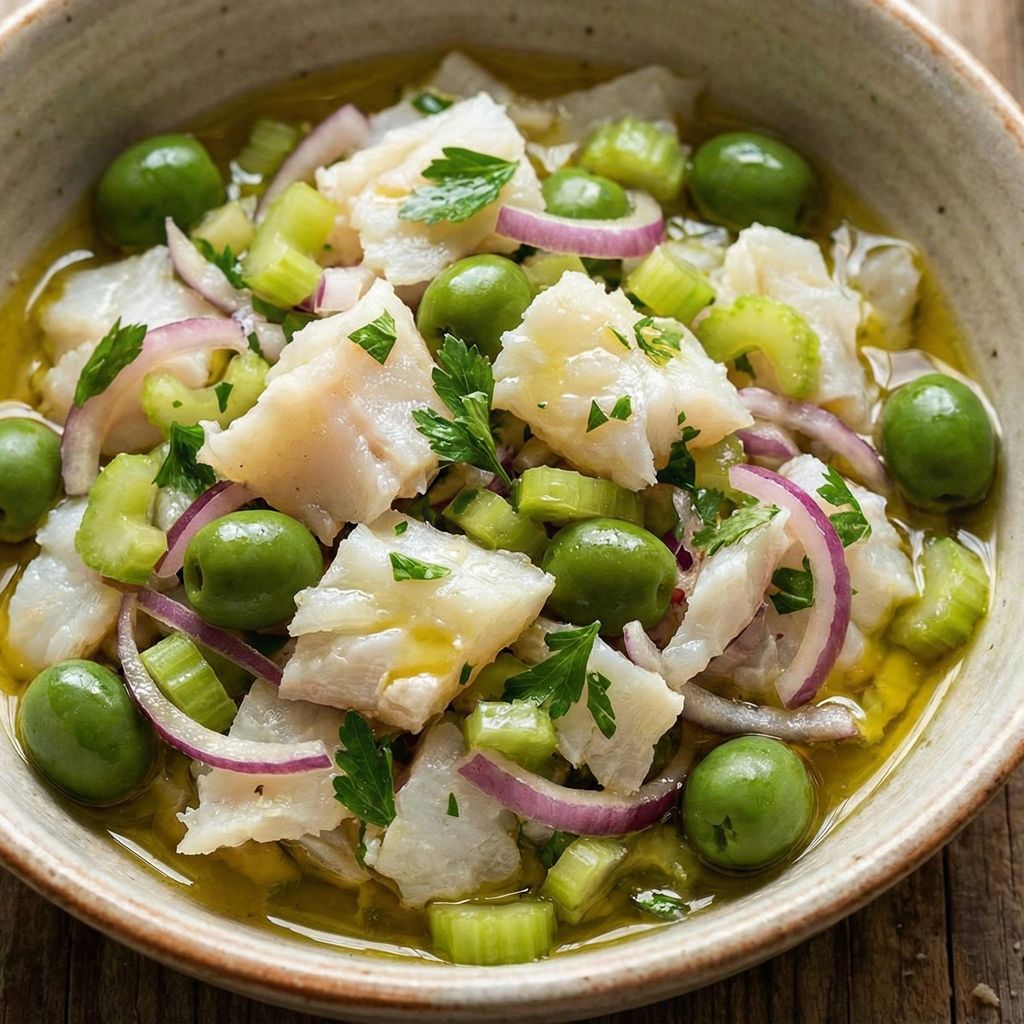
Ingredients
- 500g Stoccafisso (Stockfish), already soaked and ready to cook (ask for the "fillet" or high-quality cuts)
- 2 Lemons (juice freshly squeezed)
- 1 Heart of celery, tender stalks chopped
- 100g Green Calabrian olives (crushed or pitted)
- 1 Tropea red onion, thinly sliced (optional, based on taste)
- Parsley, plenty of fresh leaves chopped
- Extra Virgin Olive Oil (generous amount)
- Salt and Black Pepper
- Cherry Tomatoes (optional, for color)
Chef's Secret: The cut matters. For the salad, you should use the ventresca (belly) or the thinner parts of the fillet. Before mixing, "straccia" (tear) the raw fish meat with your hands into bite-sized chunks rather than cutting it with a knife. This rough surface absorbs the oil and lemon emulsion much better than a clean cut.
Preparation Steps
- Prepare the Fish: Take the soaked stockfish. Remove any remaining skin or bones carefully with tweezers. Rinse it under cold water and pat it completely dry with paper towels (excess water will dilute the dressing).
- Tear: Using your hands, tear the raw fish into small, irregular bite-sized pieces. Place them in a large ceramic bowl.
- Marinate: Pour the fresh lemon juice over the fish. Toss well and let it sit for about 10–15 minutes. The acid will slightly "cure" the fish, turning it whiter and firmer.
- Add Crunch: Add the chopped celery, the green olives, and the sliced Tropea onion (if using).
- Dress: Drizzle a generous amount of high-quality Extra Virgin Olive Oil over the mixture. Add salt, black pepper, and the chopped parsley.
- Mix: Toss everything vigorously to create an emulsion with the oil and lemon juice that coats every piece of fish.
- Rest: Let the salad rest in the refrigerator for at least 1 hour before serving. This allows the flavors to marry and the fish to soften further in the oil.
- Serve: Serve cold or at room temperature, ideally with crusty bread or Freselle.
Pro Tip
If you are hesitant about eating it completely "raw" (though it is traditional), you can blanch the stockfish pieces in boiling water for exactly 2 minutes before dressing them. It retains the texture but warms the meat slightly.
Cotolette di Melanzane alla Calabrese (Calabrian Stuffed Eggplant Cutlets)
Often referred to as "The Farmer's Steak," this dish transforms the humble eggplant into a crispy, golden delight that rivals any veal cutlet. Unlike the layered Parmigiana, these are individual "sandwiches" made from sliced eggplants, filled with savory Provola cheese and cured meats (optional), then breaded and fried. It is a staple of Calabrian home cooking, loved for the contrast between the crunchy breadcrumb coating, the tender vegetable, and the melting cheese core.
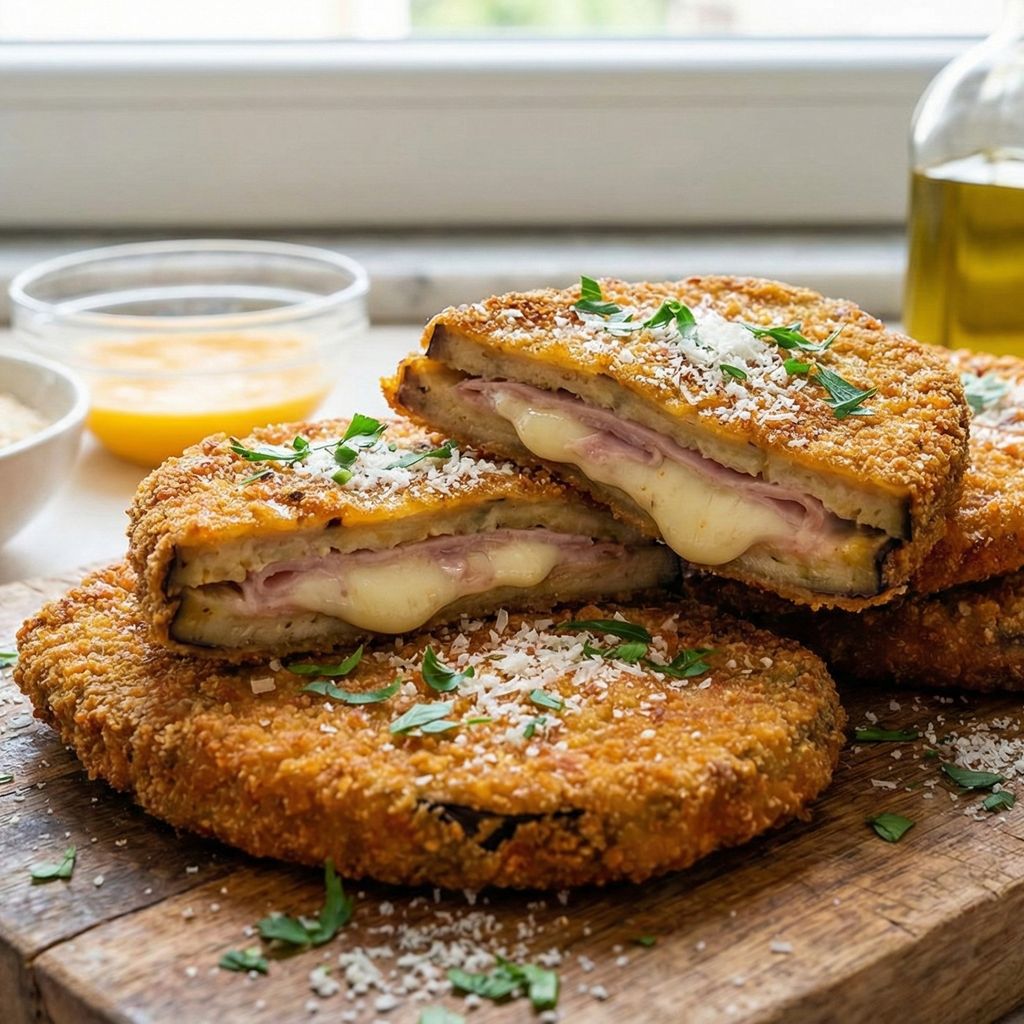
Ingredients
- 2 Large round violet eggplants (the "Tunisina" or similar variety works best)
- 150g Provola Silana or Caciocavallo cheese, sliced
- 100g Cooked ham or Soppressata (optional, for a non-vegetarian version)
- 2 Eggs, beaten
- Flour (for dredging)
- Breadcrumbs (fine texture)
- Fresh Parsley, chopped
- Peanut or Olive Oil for deep frying
- Salt
Chef's Secret: The "Pressing" phase is crucial. After slicing the eggplants, salt them and let them sit under a weight for at least 30 minutes to release bitter water. But the real trick is in the breading: to prevent the cheese from leaking out during frying, double-dip the edges of the "sandwich" in the egg and breadcrumbs to create a seal.
Preparation Steps
- Prep the Eggplants: Wash the eggplants and slice them into rounds about 1/2 cm thick. Place them in a colander, sprinkle with salt, and let them rest for 30 minutes to drain excess liquid. Rinse and pat strictly dry.
- Assemble: Take one slice of eggplant. Place a slice of Provola cheese (and ham/soppressata if using) in the center, leaving a small border around the edge. Top with a second slice of eggplant of similar size, pressing down like a sandwich.
- Dredge: Prepare three bowls: one with flour, one with beaten eggs (mixed with a pinch of salt and parsley), and one with breadcrumbs.
- Bread: Carefully pass each eggplant sandwich first into the flour (dusting off excess), then dip thoroughly into the egg wash, and finally coat generously with breadcrumbs. Press the edges firmly to seal.
- Fry: Heat deep oil in a large frying pan. Fry the cutlets a few at a time until they are deep golden brown and crispy on both sides (about 3-4 minutes per side).
- Drain: Remove with a slotted spoon and place on paper towels to absorb excess oil.
- Serve: These are excellent piping hot when the cheese is stringy, but many locals swear they are even tastier at room temperature the next day.
Pro Tip
For a punchier flavor, mix some grated Pecorino Crotonese and a pinch of black pepper directly into the breadcrumbs before coating. This adds a savory kick to the crust that contrasts beautifully with the sweet eggplant.
Pasta 'ca Muddica (Spaghetti with Breadcrumbs and Anchovies)
This dish is known as the "poor man's parmesan." In the hard times of the past, grated cheese was a luxury reserved for holidays, so Calabrian cooks invented a genius substitute: stale breadcrumbs toasted in olive oil until golden and crunchy. Known as Muddica, this topping adds a nutty texture to the spaghetti, which is coated in a savory, spicy sauce of melted anchovies and chili peppers. It is the ultimate "midnight pasta" of Calabria—simple, fast, and incredibly satisfying.
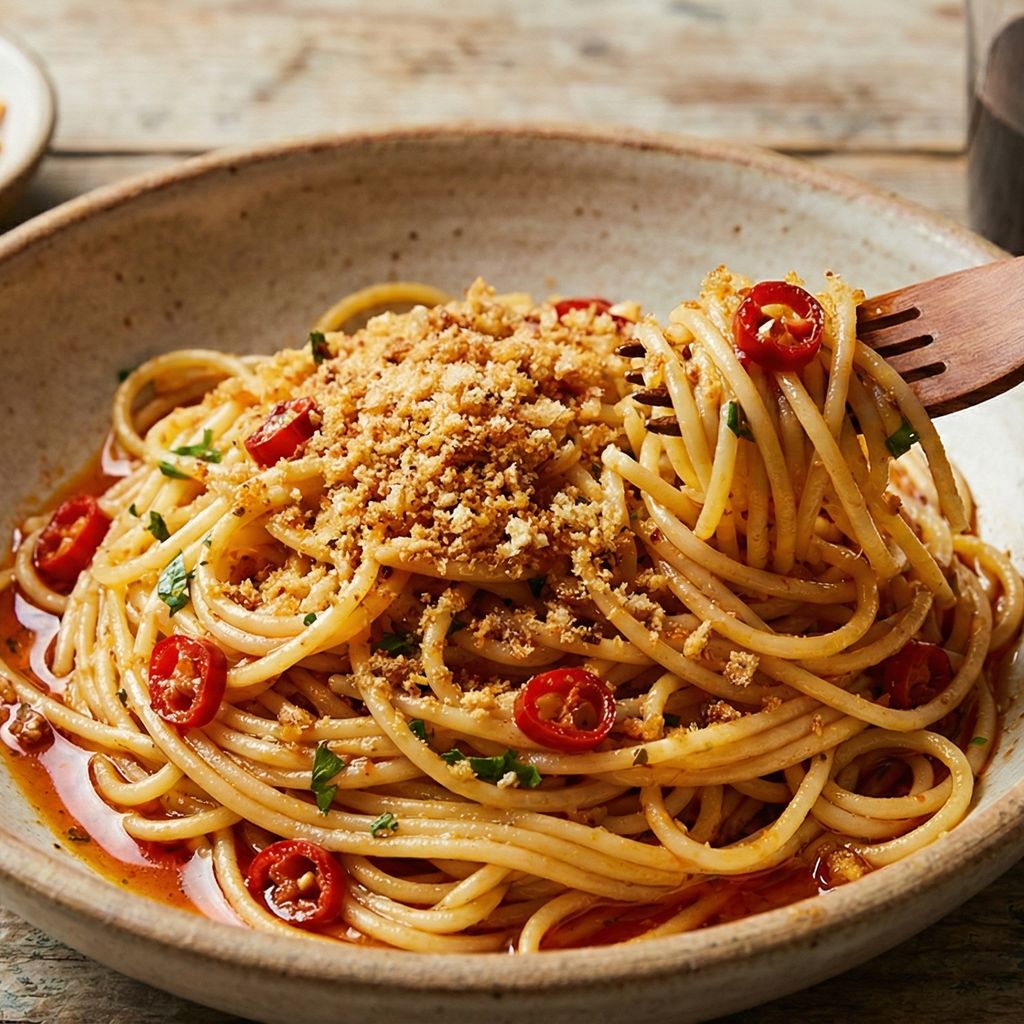
Ingredients
- 400g Spaghetti (or Vermicelli)
- 150g Stale breadcrumbs (crumb only, coarse texture)
- 6-8 Fillets of anchovies in oil
- 2 Cloves of garlic, peeled
- 2 Fresh Calabrian chili peppers, sliced
- Extra Virgin Olive Oil (generous amount)
- Fresh Parsley, chopped
- Salt (for the pasta water only)
Chef's Secret: The "Muddica" must be treated like a distinct ingredient. You cannot just throw the breadcrumbs into the pasta. You must toast them separately in a small pan with a drop of oil until they are dark golden (almost brown) and crispy. This process, called abbrustolire, unlocks a nutty flavor that transforms the dish.
Preparation Steps
- The "Muddica": In a small frying pan, heat 2 tablespoons of olive oil. Add the breadcrumbs and toast them over medium heat, stirring constantly to prevent burning. When they turn a deep golden-brown and become crispy, remove from heat and set aside in a bowl.
- The Base: In a large skillet (large enough to hold the pasta later), pour a generous amount of olive oil. Add the garlic cloves (whole or crushed) and the sliced chili peppers. Sauté gently.
- Melt Anchovies: Add the anchovy fillets to the skillet. Use a wooden spoon to press them against the pan until they "melt" and dissolve completely into the oil, creating a savory paste. Remove the garlic cloves if desired.
- Cook Pasta: Boil the spaghetti in salted water until al dente (firm to the bite). Reserve a cup of the starchy cooking water.
- Emulsify: Transfer the drained spaghetti directly into the skillet with the anchovy oil. Add a splash of the pasta water and toss vigorously over high heat for 1 minute to create a creamy emulsion.
- Finish: Turn off the heat. Stir in the chopped parsley and half of the toasted breadcrumbs. Mix well.
- Serve: Plate the pasta and generously sprinkle the remaining toasted breadcrumbs on top of each dish, just like you would with parmesan cheese.
Pro Tip
For a variation often found in the Reggio Calabria area, you can add a tablespoon of capers to the anchovy oil, or even a few cherry tomatoes (just enough to color the oil) for a slightly sweeter version.
Frittole Calabresi (Traditional Pork Confit)
If there is one scent that defines the Calabrian winter, it is the smell of the Quadara—the massive copper cauldron bubbling over an open fire. Frittole are the result of this slow, ritualistic cooking process. It is the ultimate "nose-to-tail" dish where various cuts of pork (rind, ribs, snout, ears, and meat chunks) are slowly cooked in rendered pork fat (lard) for hours. The result is not greasy, as one might expect, but incredibly tender meat that falls off the bone, with a flavor intensity that is impossible to replicate with other cooking methods.
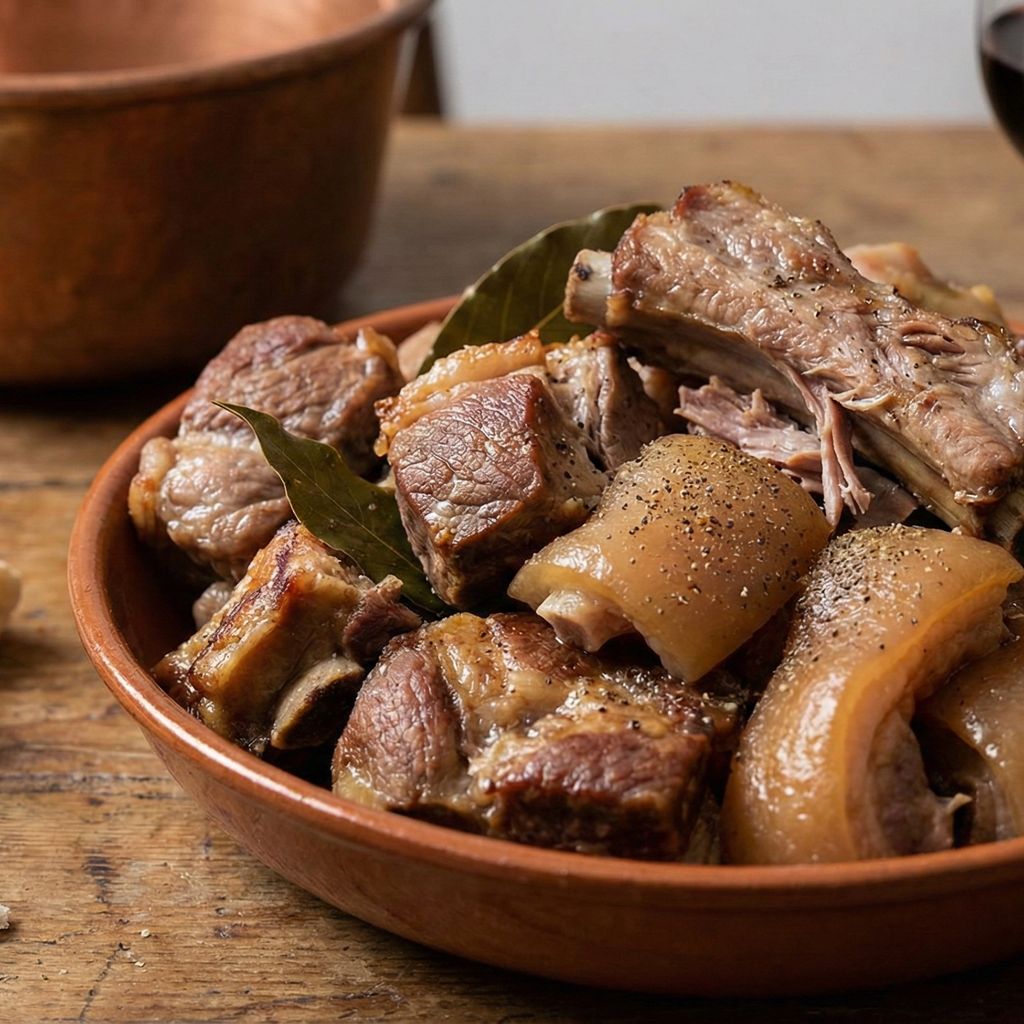
Ingredients
- 1 kg Mixed Pork cuts (Ribs, chunks of shoulder/leg)
- 500g Pork Rind (Cotenna), cleaned and scraped, cut into squares
- 300g "Poor" cuts (Snout, ears, or tail), cleaned thoroughly
- 500g Pure Pork Lard (Strutto) - essential for the cooking medium
- 2 Bay leaves
- Salt (generous amount)
- Water (1 glass, initially)
Chef's Secret: The "Curcuci". The magic happens after the frittole are eaten. The small bits of meat and fat that settle at the bottom of the pot solidify as the fat cools. These are called Curcuci. Don't throw them away! They are "flavor bombs" used to season fried eggs (`uova con i curcuci`) or to enrich a simple tomato sauce the next day.
Preparation Steps
- Prepare the Pot: Use a thick-bottomed pot (ideally copper or cast iron). Add the lard and the glass of water. Turn the heat to medium-low to melt the lard gently. The water prevents the fat from burning initially.
- Layer the Meat: Once the lard is liquid and hot, add the cuts of meat. Start with the pieces that require longer cooking (ribs, shoulder chunks), and after about 30 minutes, add the rind (cotenna) and the other cartilaginous parts (snout/ears).
- The Slow Cook: This is a game of patience. The meat must cook in the simmering fat for at least 3–4 hours on very low heat. It shouldn't deep fry violently; it should gently bubble (confit).
- Season: Add salt and bay leaves halfway through the cooking process.
- Check Doneness: The frittole are ready when the meat pulls away effortlessly from the bones and the rind is soft and gelatinous but slightly crisp on the edges.
- Drain: Remove the pieces with a slotted spoon, letting the excess fat drip back into the pot.
- Serve: Serve piping hot with a generous dusting of black pepper and slices of local oranges or lemons to cleanse the palate from the richness of the fat.
Pro Tip
The traditional way to eat Frittole is in a "Pitta" bread or simply with bare hands, peeling the meat off the bone. Pairing it with a salad of raw fennel and oranges is highly recommended to balance the intense richness of the pork.
Tagliatelle ai Funghi Porcini della Sila (Sila Porcini Mushroom Pasta)
While Calabria is famous for its coastlines, its beating heart is the Sila National Park, a vast mountain plateau that resembles Scandinavia more than the Mediterranean. Here grows the Porcino della Sila IGP, considered by many experts to be the finest porcini mushroom in Italy due to the unique microclimate. This dish is simple but uncompromising: it relies entirely on the quality of the mushrooms. The Calabrian touch is a subtle hint of chili pepper and the savory creaminess of the local Caciocavallo cheese.
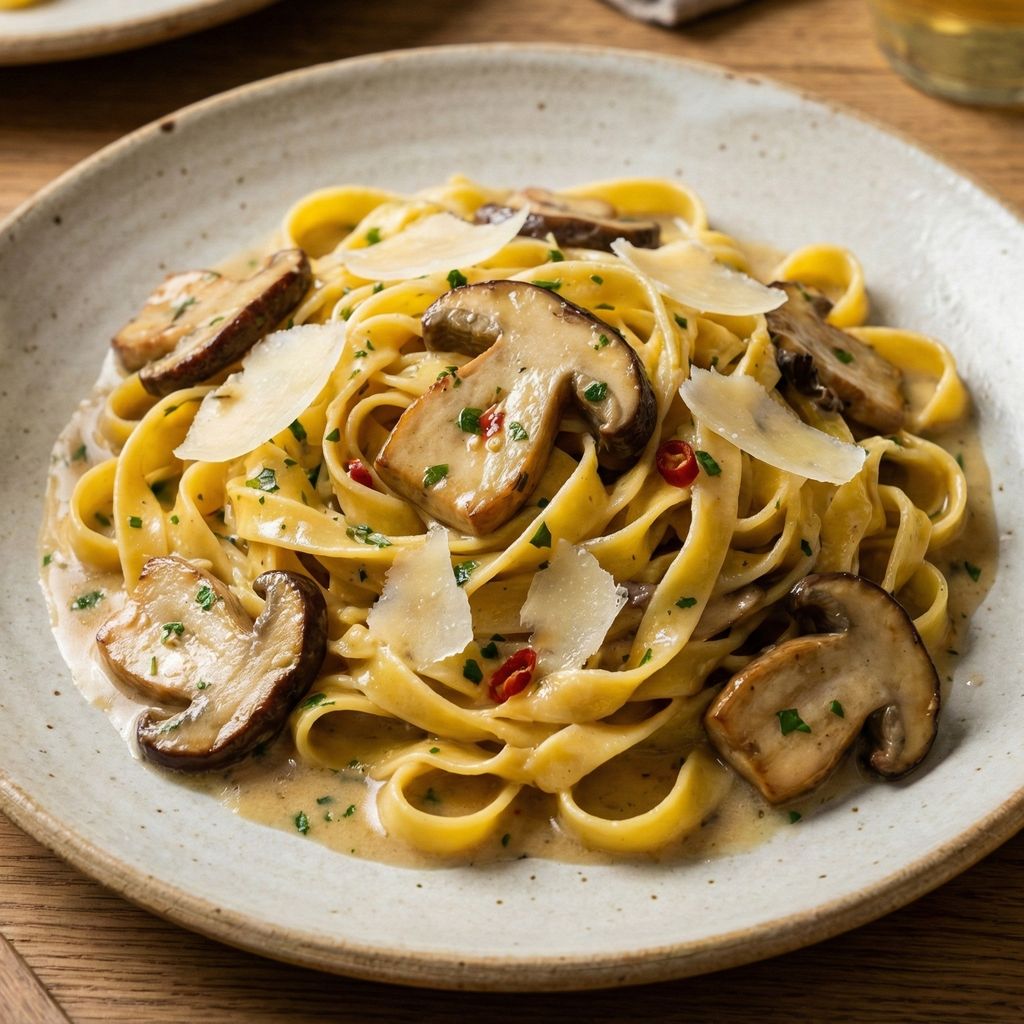
Ingredients
- 400g Fresh egg Tagliatelle or Pappardelle
- 500g Fresh Porcini Mushrooms (firm and white)
- 2 Cloves of garlic, whole
- 1 Fresh Calabrian Chili Pepper (mild heat)
- Extra Virgin Olive Oil (high quality)
- Fresh Parsley, finely chopped
- 50g Caciocavallo Silano DOP (semi-aged), shaved or grated (optional)
- Salt
- Dry White Wine (a splash)
Chef's Secret: The "Creaminess" without cream. Do not wash the mushrooms with water (scrape them with a knife and a damp cloth). When cooking, sauté the stems first as they take longer. The secret is to add a ladle of starchy pasta water to the mushrooms at the very end and toss the pasta vigorously in the pan for a full minute ("mantecatura"). This creates a natural emulsion with the mushroom oils.
Preparation Steps
- Clean the Mushrooms: Gently scrape off any soil from the Porcini with a small knife. Wipe them clean with a damp cloth. Do not soak them. Detach the caps from the stems. Slice the stems into rounds and the caps into thick slices.
- Sauté Base: In a large skillet, heat a generous amount of olive oil. Add the garlic cloves (slightly crushed) and the whole chili pepper. Let them infuse the oil until the garlic is golden, then remove the garlic (keep the chili if you like heat).
- Cook Mushrooms: Increase the heat. Add the sliced mushroom stems first and cook for 2 minutes. Then add the caps. Sauté on high heat so they sear rather than boil.
- Deglaze: Add a splash of white wine and let it evaporate completely. Season with salt and add half of the chopped parsley. Lower the heat and cook for another 5–8 minutes until tender.
- Boil Pasta: Cook the tagliatelle in salted boiling water. Drain them 2 minutes before they are fully cooked, reserving a cup of cooking water.
- Combine: Transfer the pasta directly into the skillet with the mushrooms. Add a ladle of the pasta water. Increase the heat to high.
- Mantecare: Toss and stir vigorously until the water and oil form a creamy sauce that coats the pasta.
- Finish: Turn off the heat. Stir in the remaining parsley and, if desired, a handful of grated Caciocavallo Silano. Serve immediately.
Pro Tip
If you cannot find fresh Porcini, you can use dried Sila Porcini. Soak them in warm water for 20 minutes, squeeze them dry, and—most importantly—filter the soaking water and use it in the pan instead of the white wine. The flavor will be even more intense and woody.
Vermicelli alla San Giovannello (St. John's Style Pasta)
Born in the province of Reggio Calabria, this dish is a tribute to the speed and intensity of southern summers. Traditionally prepared around the feast of San Giovanni (June 24th), it utilizes the staples of the Calabrian pantry. Unlike heavy Sunday ragùs, the sauce for San Giovannello is cooked in the exact time it takes for the pasta to boil. It is a vibrant, salty, and spicy dish that brings together the "Holy Trinity" of Calabrian coastal preserving: capers, olives, and anchovies, all united by fresh cherry tomatoes.
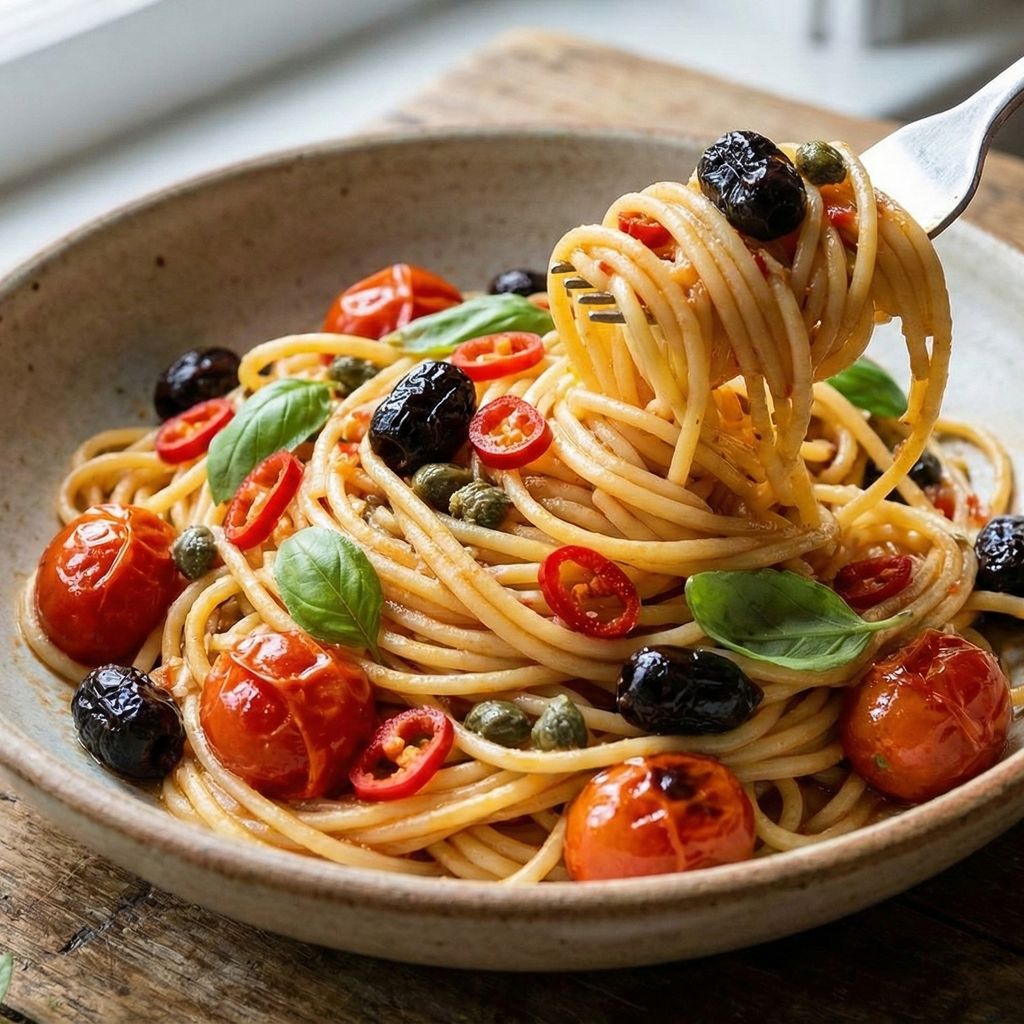
Ingredients
- 400g Vermicelli or Spaghettoni
- 500g Cherry Tomatoes (very ripe), halved
- 4 Anchovy fillets in oil
- 1 tablespoon Salina or Pantelleria Capers, rinsed
- 100g Calabrian Black Olives (ideally "Infornate" - baked dried olives), pitted
- 2 Cloves of garlic, crushed
- 1-2 Fresh Chili Peppers (sliced)
- Extra Virgin Olive Oil
- Fresh Basil or Parsley, chopped
- Salt (very little, as ingredients are salty)
Chef's Secret: The "Burst". The cherry tomatoes should not become a smooth sauce. You must throw them into the hot oil and let them cook on high heat for only 5–6 minutes so they release their juices but maintain some texture. The olives and capers should be added at the very end to keep their flavor distinct.
Preparation Steps
- Boil Water: Put a large pot of water on to boil for the pasta. This sauce is so fast that you start it only when you drop the pasta.
- The Base: In a large skillet, heat a generous amount of olive oil. Add the crushed garlic cloves and the sliced chili peppers. Sauté until the garlic is golden.
- Anchovies: Add the anchovy fillets to the hot oil. Stir them with a wooden spoon until they dissolve completely, creating a savory base. Remove the garlic cloves if desired.
- Tomatoes: Add the halved cherry tomatoes to the pan. Cook over high heat (sauté) for about 5 minutes. They should blister and release water but not turn into mush.
- Pasta: Meanwhile, cook the Vermicelli in salted water until al dente.
- Finish the Sauce: One minute before the pasta is ready, lower the heat under the skillet. Add the pitted olives and the capers. Stir well.
- Mantecatura: Drain the pasta (reserving a splash of cooking water) and toss it directly into the skillet. Sauté vigorously for a minute, adding a little pasta water if it's too dry, until the sauce clings to the strands.
- Serve: Turn off the heat, stir in fresh basil (or parsley), and serve immediately. No cheese is needed, as the flavors are already intense.
Pro Tip
For an extra touch of "Reggio style," you can top the finished dish with a dusting of toasted breadcrumbs (muddica), adding a crunchy texture that contrasts with the soft tomatoes.
Gattò di Patate alla Calabrese (Calabrian Rustic Potato Cake)
While the name "Gattò" comes from the French influence in Southern Italy (Naples specifically), the Calabrian version of this mashed potato cake is fiercely independent and distinctly rustic. Unlike its more delicate Neapolitan cousin which relies on butter and milk, the Calabrian Gattò (often also called Pitta di Patate in some areas) gets its richness from high-quality olive oil and bold local ingredients. It’s a dense, satisfying savory pie stuffed with spicy cured meats and sharp sheep's milk cheese, encased in a crunchy breadcrumb crust.
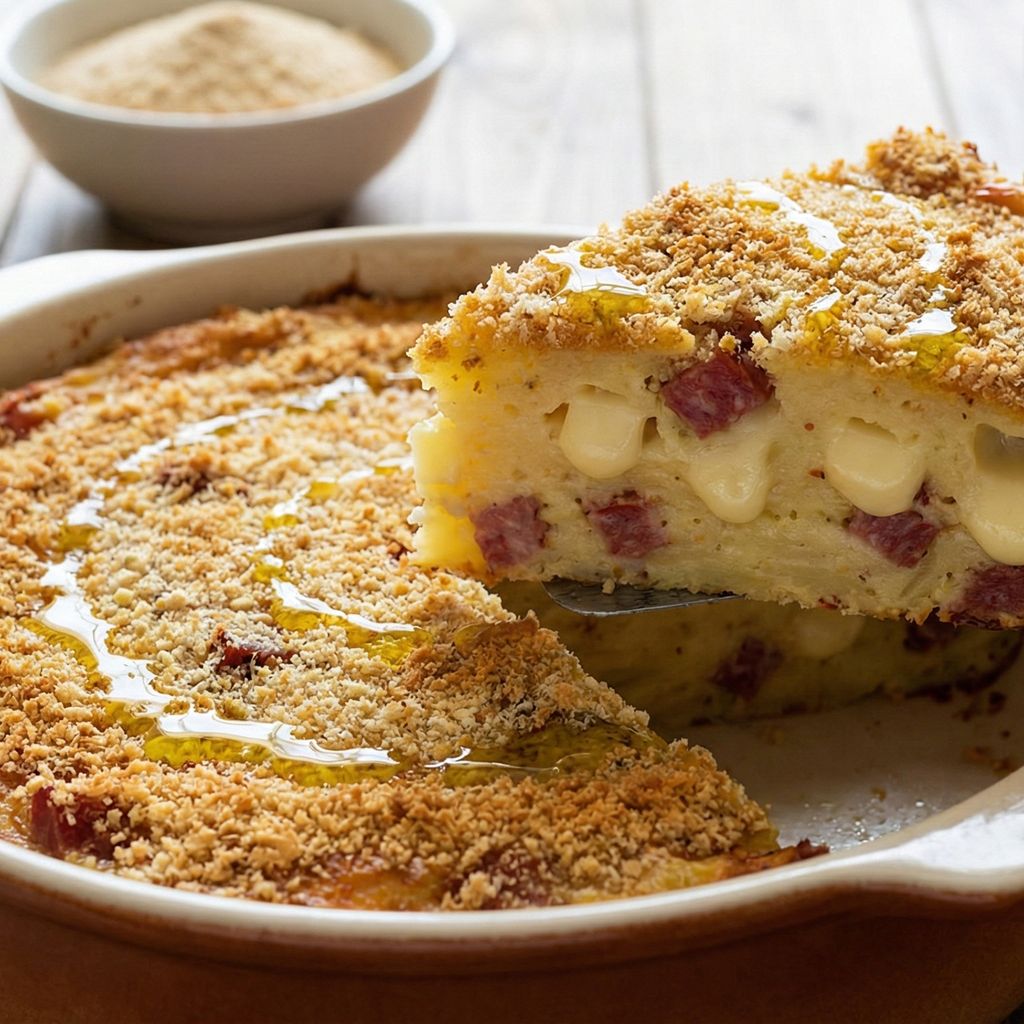
Ingredients
- 1 kg Potatoes (floury variety, best for mashing)
- 2 Eggs (lightly beaten)
- 100g Pecorino Crotonese (aged and grated) - *Crucial for the authentic flavor*
- 150g Provola Silana (or scamorza), cubed
- 150g Calabrian Soppressata or spicy Salami, diced
- Breadcrumbs (generous amount for coating the pan and topping)
- Extra Virgin Olive Oil (about 4-5 tablespoons, plus more for drizzling)
- Fresh Parsley, chopped
- Salt and Black Pepper
- Nutmeg (a pinch, optional)
Chef's Secret: The "Shirt" (La Camicia). The key to a perfect Calabrian Gattò is the crust. You must heavily grease the baking dish with olive oil and coat it thickly with breadcrumbs before adding the potato mixture. You then top it with more oil and breadcrumbs. This creates a crunchy "shirt" that contrasts with the soft interior and prevents sticking.
Preparation Steps
- Boil Potatoes: Wash the potatoes and boil them whole with their skins on in salted water until tender (about 30-40 minutes). Drain and peel them while still hot.
- Mash and Season: Pass the hot potatoes through a potato ricer into a large bowl. Add the olive oil immediately and mix. Allow to cool slightly for 5 minutes so the eggs don't scramble. Add the beaten eggs, the grated Pecorino, salt, pepper, parsley, and nutmeg. Mix vigorously until smooth.
- Add Mix-ins: Fold in the diced Provola cheese and the spicy Soppressata salami with a wooden spoon.
- Prepare the Pan: Generously brush a round baking dish (about 24-26 cm) with olive oil. Coat the bottom and sides thickly with breadcrumbs, shaking out the excess.
- Assemble: Transfer the potato mixture into the pan, leveling the surface with a spatula. Some families prefer to do two layers of potato with the salami/cheese stuffing in the middle, but mixing it all together is equally traditional and faster.
- Top Crust: Sprinkle the top generously with more breadcrumbs and drizzle with another tablespoon of olive oil.
- Bake: Bake in a preheated oven at 200°C (400°F) for about 30–40 minutes. The top should be golden brown and crispy, and the sides pulling away slightly from the pan.
- Cool: This is the hardest part: you must let it rest for at least 30 minutes before slicing. It needs to set, and the flavors improve significantly when served warm rather than piping hot.
Pro Tip
In the deepest Calabrian tradition, sometimes hard-boiled eggs sliced into rounds are added as a layer in the middle of the potato cake for extra richness and texture.
Ricotta Infornata Calabrese (Baked savory Ricotta)
This is not a dessert. In Calabria, fresh sheep's milk ricotta is often transformed into a savory delicacy through baking. This process draws out moisture, concentrating the flavor into a dense, creamy, and intensely milky cheese covered by a distinctive golden-brown, slightly caramelized crust. It was historically a way for shepherds to preserve fresh ricotta for a few extra days. It's served warm in wedges as a rustic appetizer, often alongside cured meats, or allowed to harden further and grated over pasta.
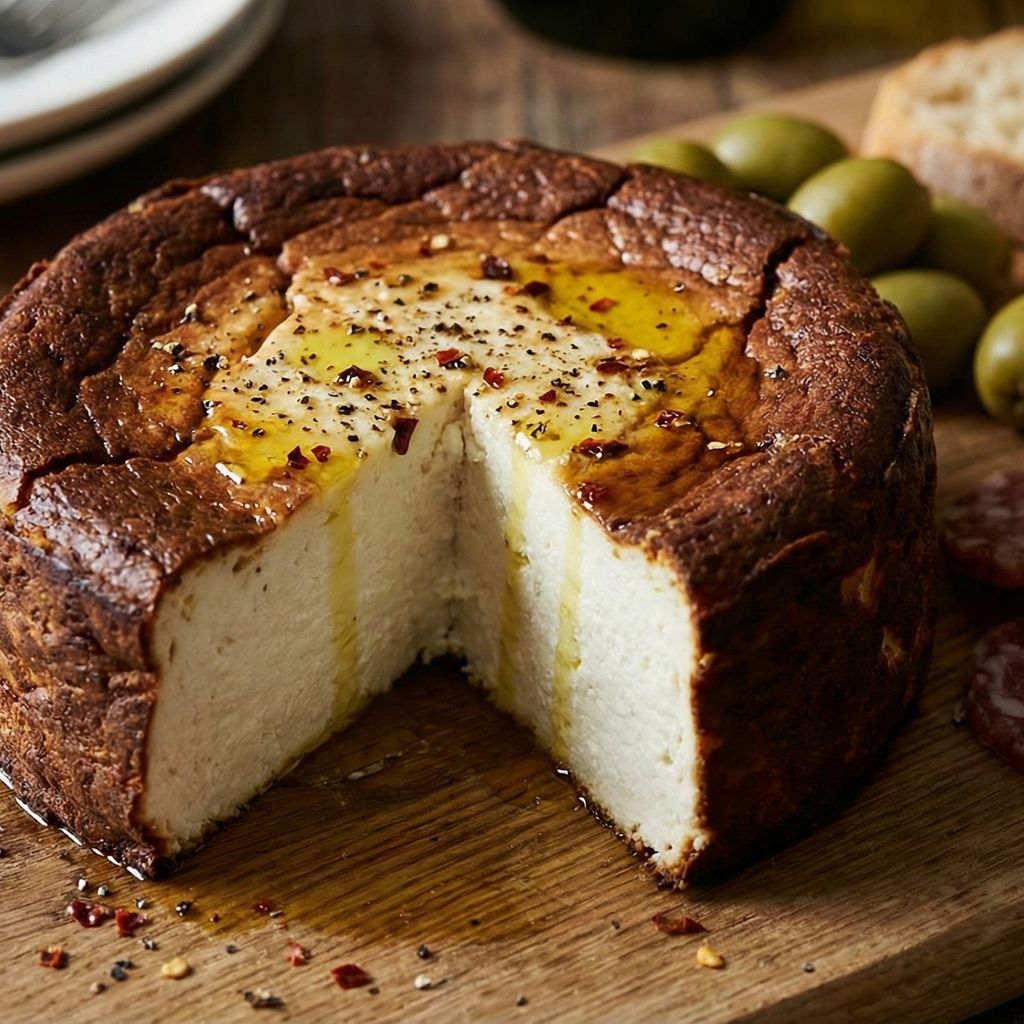
Ingredients
- 1 kg Fresh Sheep's Milk Ricotta (Cow's milk is okay, but sheep is traditional and tastier)
- 1 teaspoon Fine Sea Salt
- 1/2 teaspoon Black Pepper, freshly ground
- Chili Flakes (optional, for a spicy kick)
- Olive Oil (for greasing the pan)
Chef's Secret: The "Purge". You cannot bake fresh ricotta straight from the shop; it's too wet and will boil instead of baking. You must leave the ricotta in its plastic draining basket placed over a bowl in the refrigerator for at least 24 hours (sometimes even 48), discarding the whey that collects. The ricotta must be firm before it goes into the oven.
Preparation Steps
- Drain the Ricotta: This is the most crucial step. Keep the ricotta in its perforated basket set over a bowl. Refrigerate for at least 24 hours to drain as much whey as possible. The success of the crust depends on how dry the ricotta is.
- Season: Preheat the oven to 180°C (350°F). Gently turn the firm ricotta out of its basket into a bowl. Add the salt, black pepper, and chili flakes (if using). Mix gently with a spatula, being careful not to break up the curds too much, or simply rub the seasonings over the exterior of the ricotta shape if you want to keep the basket form.
- Prepare the Pan: Lightly grease a baking sheet lined with parchment paper, or a small ceramic oven dish, with olive oil.
- Bake: Place the seasoned ricotta form onto the baking sheet. Bake for about 45–60 minutes.
- The Crust: The ricotta is ready when it has developed a deep golden-brown skin that feels firm to the touch, almost like a roasted marshmallow. Some traditional versions let it get quite dark brown spots.
- Cool: Remove from the oven and let it cool completely on a wire rack before slicing. The texture firms up significantly as it cools.
- Serve: Serve warm or at room temperature, cut into thick wedges as part of an antipasto board.
Pro Tip
Some traditional versions from the Crotonese area don't mix the salt in, but rather rub the exterior of the drained ricotta form with coarse salt before baking, creating a very salty, crunchy outer crust that protects a softer interior.
Cinghiale alla Calabrese (Calabrian Wild Boar Stew)
Calabria is a land of mountains as much as it is of beaches. In the dense forests of the Sila and Aspromonte national parks, wild boar hunting is a deeply rooted tradition. This stew is the ultimate expression of the region's rugged interior. The meat, which is leaner and gamier than pork, is tamed through a long marinade in local red wine and spices, then slowly braised in a rich, spicy tomato sauce. It is a robust, warming dish served strictly in winter, often accompanied by polenta or crusty bread to soak up the dark, flavorful gravy.
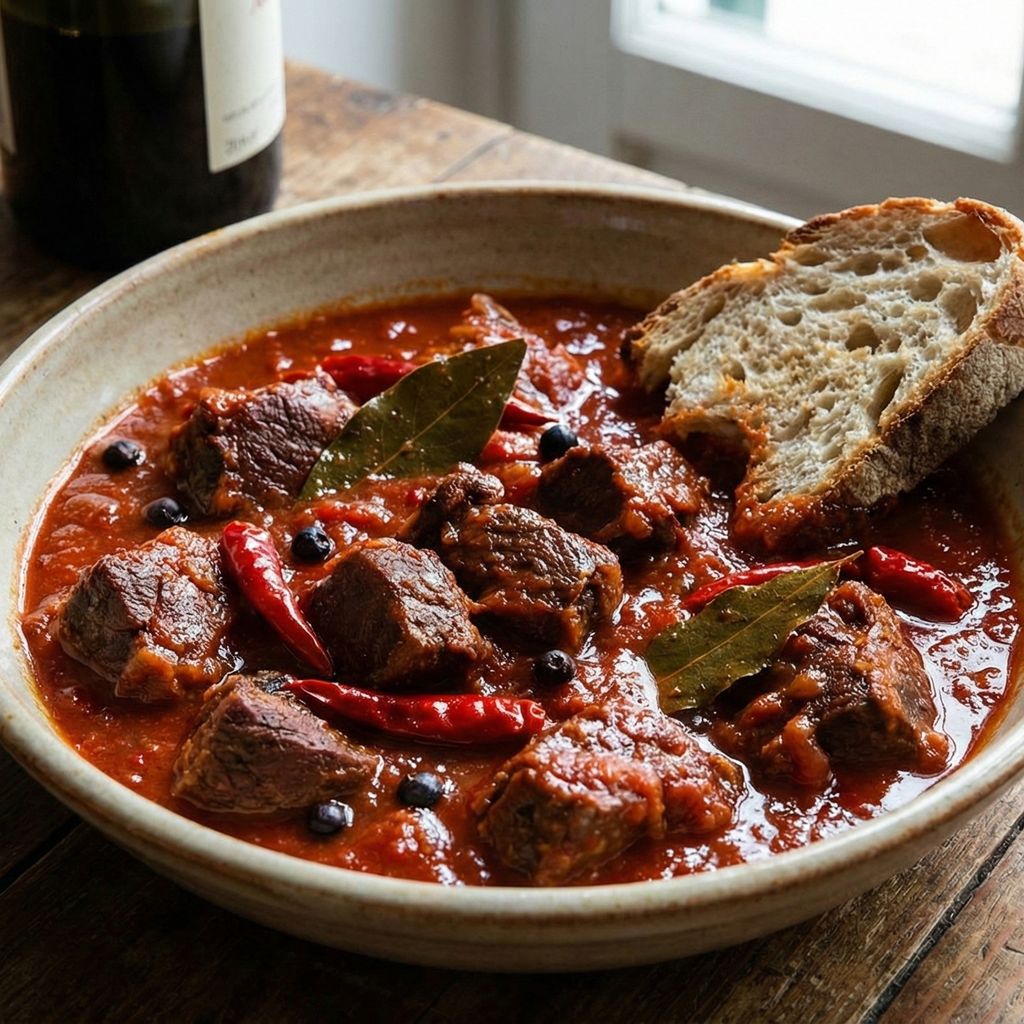
Ingredients
- 1 kg Wild Boar meat (shoulder or leg), cut into bite-sized chunks
- 700ml Full-bodied Red Wine (like Gaglioppo or Cirò) for marinade and cooking
- 500ml Tomato Purée (Passata di pomodoro)
- 1 Onion, chopped
- 1 Carrot, chopped
- 1 Celery stalk, chopped
- 2 Bay leaves
- 4-5 Juniper berries
- 2 Cloves of garlic
- 2 Fresh Calabrian Chili Peppers (generous heat is required here)
- Red Wine Vinegar (half a glass)
- Extra Virgin Olive Oil
- Salt
Chef's Secret: The "Double Purge". Wild boar can have a very strong, musky flavor. To ensure the meat is pleasant, marinate it overnight in wine and herbs. THEN, before cooking, drain it and put the meat in a pot of cold water with half a glass of vinegar. Bring to a boil for 5 minutes and drain again. This "blanching" step removes the impurities and the overly aggressive gamey taste, leaving just the rich flavor of the meat.
Preparation Steps
- The Marinade (Day Before): Place the boar chunks in a large glass bowl. Cover with half of the red wine, bay leaves, juniper berries, and garlic. Cover and refrigerate for at least 12 hours.
- The Blanch (Optional but Recommended): Drain the meat from the marinade (discard the liquid). Place meat in a pot with cold water and vinegar. Boil for 5 minutes, then drain and pat dry.
- Sauté: In a heavy-bottomed Dutch oven or terracotta pot, heat a generous amount of olive oil. Add the chopped onion, carrot, celery, and chili peppers. Sauté until the vegetables are soft.
- Brown the Meat: Increase the heat, add the boar meat to the pot, and sear it on all sides until browned.
- Deglaze: Pour in the remaining fresh red wine. Let it bubble vigorously until the alcohol evaporates and the liquid reduces by half.
- The Stewing: Add the tomato purée and a splash of hot water if needed to cover the meat. Add salt and fresh bay leaves. Lower the heat to the absolute minimum.
- Slow Cook: Cover and simmer gently for 2.5 to 3 hours. The meat is ready when it shreds easily with a fork and the sauce has become dark red and thick.
- Serve: Let the stew rest for 15 minutes before serving. It pairs perfectly with strong red wine.
Pro Tip
If you want to experience this dish like a true local from the Pollino mountains, do not serve it with bread. Instead, serve it over a slice of grilled polenta or use the sauce to dress Pappardelle or homemade Ferretti pasta.
Uova in Purgatorio con 'Nduja (Eggs in Purgatory with Calabrian 'Nduja)
While "Eggs in Purgatory" is a dish found across Southern Italy, the Calabrian version brings the heat of hellfire to the equation. The star here is the 'Nduja di Spilinga, the soft, spreadable spicy sausage. When added to the tomato base, the fat of the 'Nduja melts, infusing the sauce with a smoky, intense pork flavor and a vibrant red hue. The eggs are gently poached in this bubbling lava, resulting in a creamy yolk that mixes with the spicy oil—a dish that absolutely requires a loaf of crusty bread to clean the plate.
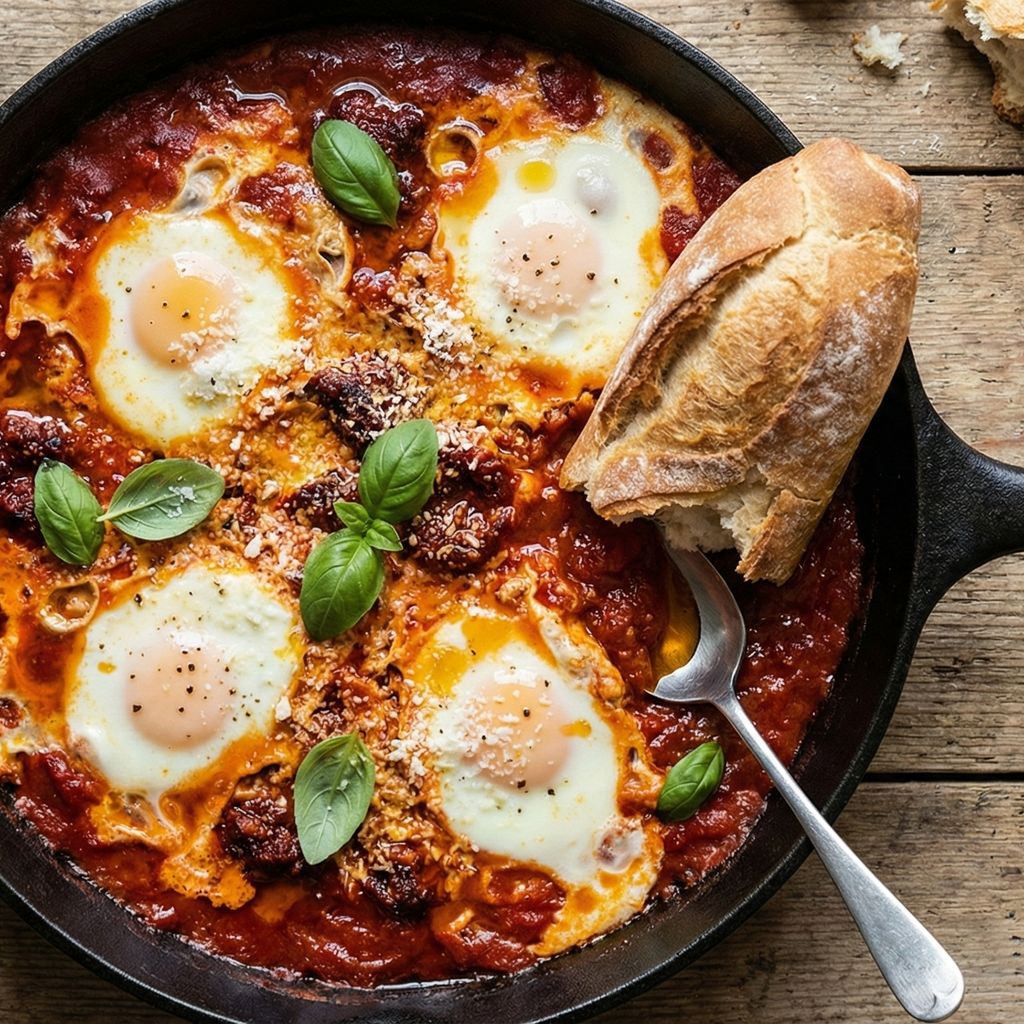
Ingredients
- 4 Fresh Eggs
- 400g Tomato Purée (Passata) or crushed peeled tomatoes
- 80-100g 'Nduja di Spilinga (adjust based on spice tolerance)
- 1 Red Onion (preferably Tropea), thinly sliced
- Extra Virgin Olive Oil
- Fresh Basil leaves
- Salt (use sparingly as 'Nduja is salty)
- Pecorino Crotonese, grated (optional, for garnish)
Chef's Secret: The 'Nduja must be "sautéed" first. Don't just dump it into the tomato sauce. You must let it melt in the hot olive oil with the onions before adding the tomatoes. This process, called sciogliere la 'nduja, releases the essential oils and paprika flavors, creating the base for the perfect sauce.
Preparation Steps
- The Base: In a large frying pan or skillet (wide enough to hold the eggs later), heat a splash of olive oil over medium heat. Add the sliced onion and cook until soft and translucent.
- Melt the 'Nduja: Add the chunks of 'Nduja to the pan. Use a wooden spoon to break them up and press them into the oil until they dissolve into a spicy, red paste.
- The Sauce: Pour in the tomato purée. Stir well to combine it with the spicy oil. Lower the heat and let it simmer gently for about 10–15 minutes until the sauce thickens and turns a deep, dark red. Taste and adjust for salt (often not needed).
- The Eggs: With the back of a spoon, make four small "wells" in the sauce. Crack an egg carefully into each well, keeping the yolk intact.
- Poach: Cover the pan with a lid. Cook on low heat for about 5–7 minutes. The whites should be fully set, but the yolks should remain runny (the "Purgatory" effect).
- Finish: Remove from heat immediately to stop cooking. Sprinkle with fresh basil and, if you like a savory punch, a dusting of grated Pecorino.
- Serve: Bring the whole skillet to the table. Serve with plenty of toasted rustic bread for the obligatory scarpetta (mopping up the sauce).
Pro Tip
For a distinct variation from the Sila mountains, some families add strips of roasted bell peppers (pipi) to the sauce along with the 'Nduja, adding a sweetness that balances the extreme heat.
Patate e Peperoni Cruschi (Fried Potatoes with Crunchy Dried Peppers)
While "Pipi e Patate" made with fresh peppers is a staple, the version with Peperoni Cruschi is a distinct delicacy from the Pollino National Park area. These are sweet, thin-skinned red peppers that have been sun-dried until all moisture is gone. The magic happens when they hit hot oil: in seconds, they transform from leathery skins into incredibly crispy, aromatic chips. This dish pairs the soft, starchy comfort of mountain potatoes with the shattering crunch and smokey-sweet flavor of the fried dried peppers.
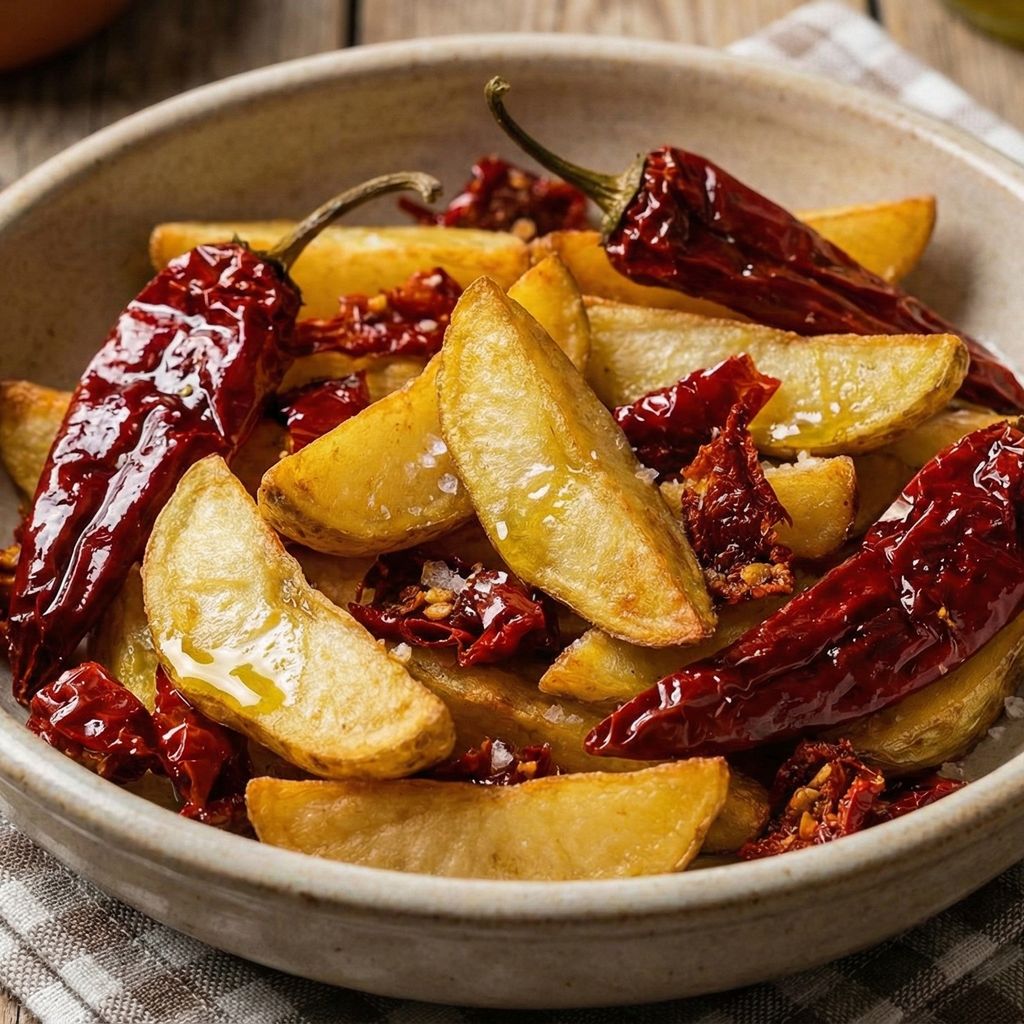
Ingredients
- 1 kg Yellow-fleshed Potatoes (Sila variety), peeled and sliced into thick wedges/chips
- 10-12 Dried Sweet Peppers (Peperoni Secchi/Cruschi), whole
- Extra Virgin Olive Oil (abundant, for frying)
- Salt (coarse salt works best)
Chef's Secret: The "Flash Fry". The dried peppers burn in the blink of an eye, turning bitter. You must heat the oil, drop the dried peppers in for literally 3 to 5 seconds until they puff up and turn bright red, then immediately remove them. Only then do you fry the potatoes in that same red, pepper-infused oil to absorb the flavor.
Preparation Steps
- Clean the Peppers: Take the dried peppers and carefully remove the stalk and the seeds inside using a dry cloth. Do not wash them with water, or they won't become crunchy.
- Fry the Cruschi: Heat a generous amount of olive oil in a deep frying pan. When hot (but not smoking), drop the dried peppers in. Watch closely: as soon as they swell and deepen in color (usually 3-5 seconds), fish them out with a slotted spoon and place them on a plate. Do not use paper towels yet; let them cool on the plate to crisp up (they harden as they cool).
- Fry the Potatoes: In the same oil (which is now flavored and slightly reddish), add the potato wedges. Fry them on medium-high heat until they are golden brown and tender inside.
- Combine: Drain the potatoes and place them in a large serving bowl. Season generously with salt.
- Finish: Crumble half of the crunchy peppers over the potatoes and mix. Top with the remaining whole crunchy peppers for presentation. Eat immediately to enjoy the dual textures.
Pro Tip
This dish is the classic accompaniment to Baccalà (salt cod), but locals often eat it simply with a fried egg on top. The yolk mixing with the crunchy peppers is arguably one of the best bites in Calabrian cuisine.
Alici Scattiate (Calabrian Vinegar-Seared Anchovies)
This dish captures the essence of the Calabrian coast in a frying pan. It sits somewhere between fried fish and marinated fish. Fresh anchovies are flash-fried with garlic and chili, then doused in vinegar and smothered in dried wild oregano. The term Scattiate refers to the sizzling, popping sound the vinegar makes when it hits the hot oil. It is a rustic, punchy appetizer that wakes up the palate with its acidity and intense herbal aroma.
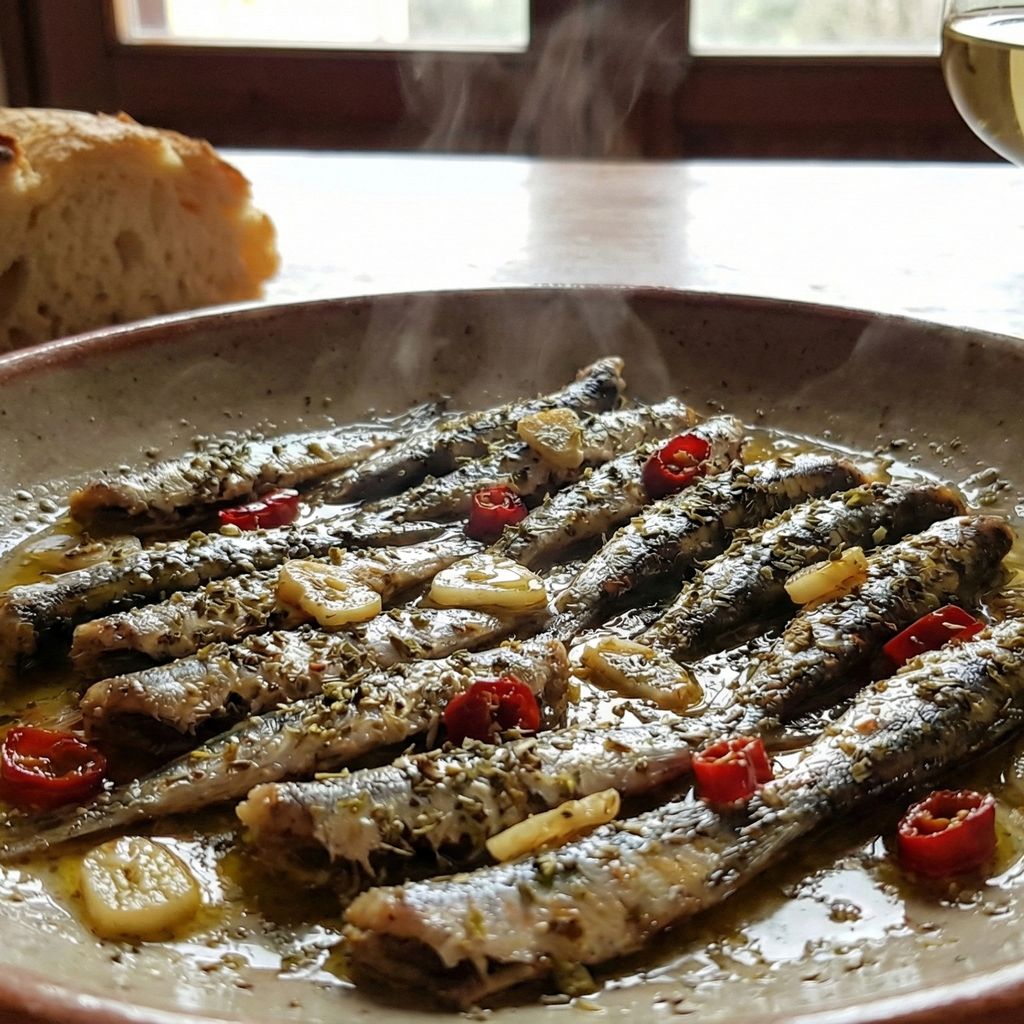
Ingredients
- 500g Fresh Anchovies (Alici), cleaned, heads and innards removed (keep the spine if small, or butterfly them if large)
- 3 Cloves of garlic, crushed or sliced
- 1-2 Fresh Calabrian Chili Peppers, sliced
- 1/2 cup Red Wine Vinegar (or strong white vinegar)
- 2 tablespoons Dried Wild Oregano (must be high quality/fragrant)
- Extra Virgin Olive Oil (abundant)
- Salt
Chef's Secret: The "Steam Trap". The crucial moment is when you add the vinegar. You must pour it into the scorching hot oil and immediately slam the lid on the pan. This traps the acidic steam, which penetrates the fish instantly and tenderizes it, while infusing the flesh with the aroma of the vinegar and oregano.
Preparation Steps
- Clean the Fish: Wash the anchovies gently. Pinch off the heads and pull out the innards. If they are small, you can leave the spine; if large, open them like a book and remove the bone. Pat them strictly dry with paper towels (water causes dangerous splashing).
- The Base: In a large skillet, heat a generous layer of olive oil. Add the garlic and chili peppers. Sauté until the garlic is golden and fragrant.
- Fry: Lay the anchovies in the pan in a single layer (do it in batches if necessary). Fry on high heat for about 2 minutes per side until they turn white and slightly golden/crispy on the edges.
- Season: Sprinkle a generous amount of salt and the dried oregano over the fish while they are frying.
- The "Scattio": Increase the heat to maximum. Pour the vinegar rapidly over the fish. It will hiss and splatter violentely.
- Cover: Immediately cover the pan with a lid and turn off the heat. Let it sit covered for 2–3 minutes. The vinegar steam will finish the cooking.
- Serve: Remove the lid. The vinegar should have mostly evaporated, leaving a delicious glaze. Serve warm or at room temperature with crusty bread.
Pro Tip
While delicious immediately, these anchovies are traditionally considered even better the next day, after the vinegar and oregano have fully marinated the meat. They make for an incredible sandwich filling.
Pitta Calabrese (Traditional Calabrian Donut-Shaped Bread)
The Pitta is more than just bread in Calabria; it is an edible utensil. Distinguishable by its donut shape (a flattened ring with a central hole), this design is intentional: it maximizes the crunchy crust area while keeping the interior soft but sturdy. It is traditionally baked in wood-fired ovens to be sliced horizontally and stuffed with hearty, saucy dishes like Morzello, stewed peppers, or simply olive oil, oregano, and tomatoes. It is the ultimate vessel for Calabrian flavors.
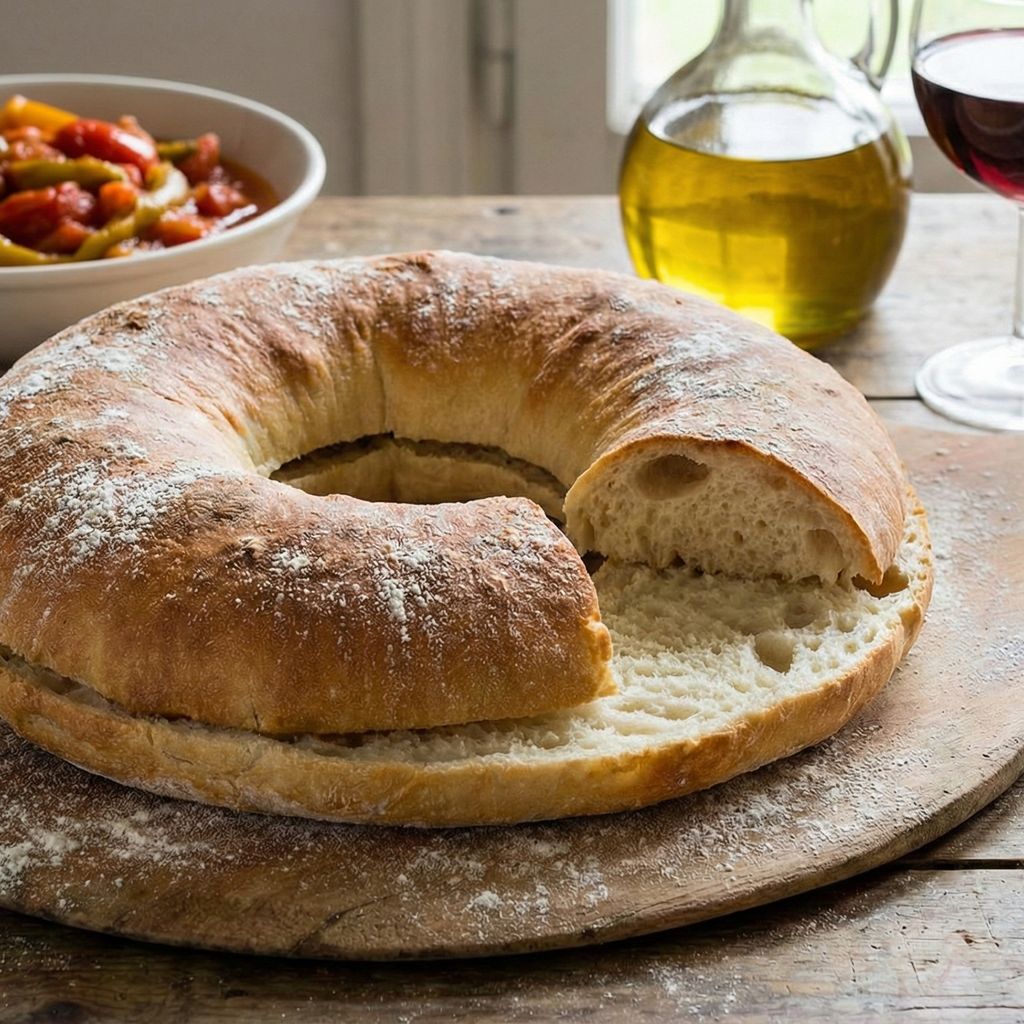
Ingredients
- 500g Bread Flour (Farina tipo '0' or a mix with semolina)
- 300-320ml Tepid Water
- 10g Fresh Brewer's Yeast (or 3g dry yeast)
- 10g Salt
- 1 teaspoon Malt or honey (to help fermentation)
- 2 tablespoons Extra Virgin Olive Oil (plus more for brushing)
Baker's Secret: The Hole. The central hole isn't just aesthetic. It ensures even baking and creates more crust. Don't skip making it, otherwise, you'll just have a round loaf (pagnotta), not a Pitta. Also, a steaming oven is key for the crust: throw ice cubes onto a hot baking tray on the bottom shelf of the oven just as you put the bread in.
Preparation Steps
- Activate Yeast: Dissolve the yeast and malt/honey in a little bit of the tepid water.
- Mix Dough: In a large bowl, mix the flour with most of the water and the dissolved yeast mixture. Start kneading. When it begins to come together, add the salt and the olive oil.
- Knead: Turn onto a floured surface and knead energetically for about 10–15 minutes until you have a smooth, elastic, and non-sticky dough.
- First Rise: Place the dough in an oiled bowl, cover with plastic wrap or a damp cloth, and let it rise in a warm place for about 2–3 hours, or until doubled in size.
- Shape the Pitta: Deflate the dough gently. On a floured surface, flatten the dough into a thick disc (about 25-30cm diameter). Using your fingers or an oiled glass, make a large hole in the dead center, stretching it out gently to form a wide ring (ciambella shape).
- Second Rise: Place the shaped Pitta on a baking sheet lined with parchment paper. Cover loosely with a cloth and let it rise again for 45–60 minutes.
- Prepare for Baking: Preheat oven to 220°C (430°F). Before baking, brush the surface gently with olive oil and poke it a few times with a fork to prevent excessive puffing.
- Bake: Bake for about 25–30 minutes. The crust should be golden brown and crispy, and the bread should sound hollow when tapped on the bottom. Let it cool on a wire rack before slicing.
Pro Tip
To eat it like a true Calabrian, slice the entire wheel horizontally. Fill it generously with your chosen stew (like Pipi e Patate), close it, press down firmly to let the juices soak into the crumb, and then cut it into wedges to share.
Fagioli e Cotica alla Calabrese (Calabrian Pork Rind and Bean Stew)
This is winter comfort food at its most primal. Originating from the necessity to use every single part of the pig, this stew transforms humble pork rind (skin) into a delicacy. The slow cooking process breaks down the tough collagen in the rind, turning it meltingly tender and gelatinous, creating an incredibly rich, thick, and spicy tomato sauce that coats the beans. It's a hearty, sticky, and deeply flavorful dish that sustains farmers through the coldest months.
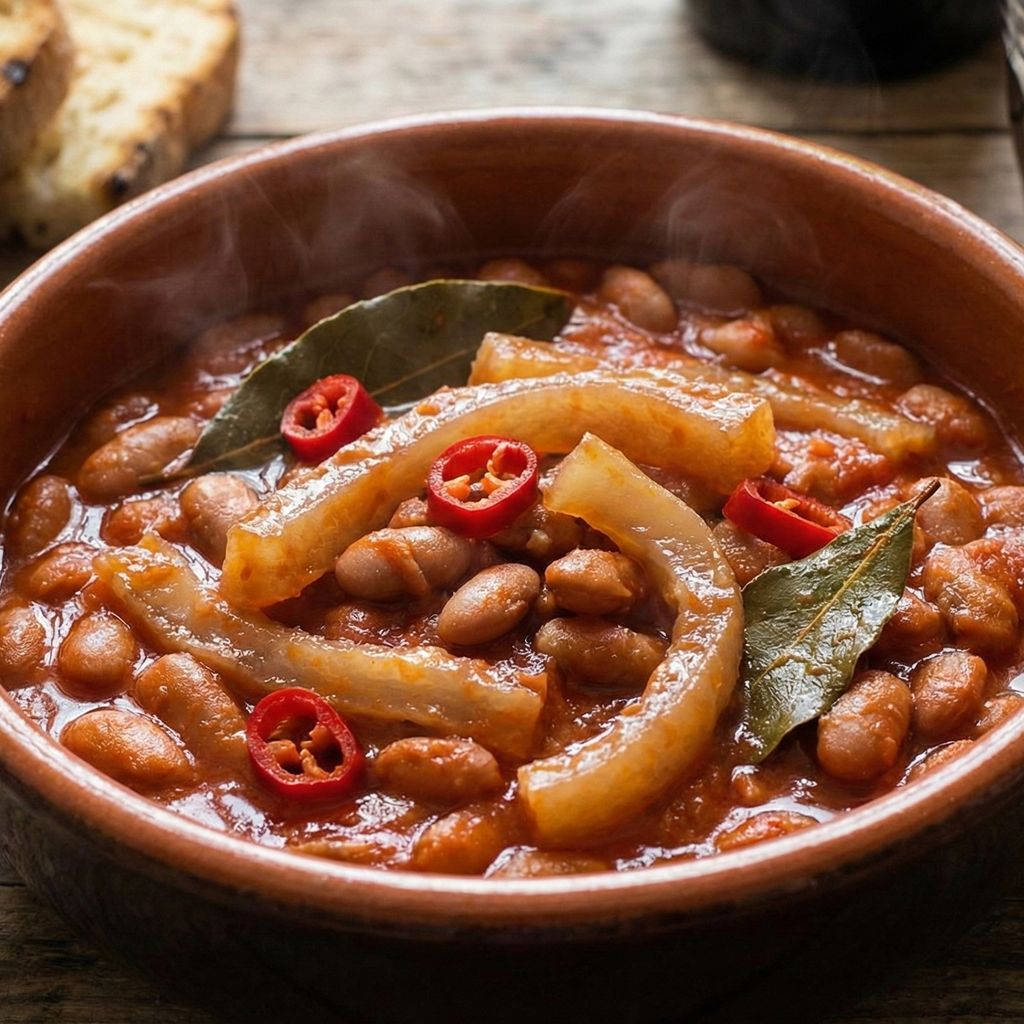
Ingredients
- 500g Dried Beans (Borlotti or Cannellini), soaked overnight
- 300g Pork Rind (Cotenna/Coria), ideally from the belly or back, carefully cleaned
- 500ml Tomato Purée (Passata di pomodoro)
- 1 Onion, chopped
- 2 Cloves of Garlic
- 1 Celery stalk, chopped
- 2-3 Fresh Calabrian Chili Peppers (or dried flakes) - heat is essential
- 2 Bay leaves
- Extra Virgin Olive Oil
- Salt
Chef's Secret: The Prep of the Rind. You cannot just throw raw rind into the stew. First, scrape it with a knife to remove any bristles or impurities. Then, the most important step: boil the rind strips in plain water for about 15-20 minutes and drain them. This "blanching" removes excess grease and any strong, unpleasant flavors before they go into the main sauce.
Preparation Steps
- Pre-cook Beans: Drain the soaked beans, rinse them, and boil them in unsalted water with a bay leaf until tender but not falling apart (about 1 hour, depending on the bean). Drain and set aside.
- Prepare the Rind: Clean the pork rind thoroughly by scraping it. Cut it into manageable strips or squares (about 3x3 cm). Blanch them in boiling water for 20 minutes, then drain.
- The Base: In a large, heavy-bottomed pot (terracotta is ideal), heat olive oil. Sauté the chopped onion, celery, garlic, and chili peppers until soft.
- Combine: Add the blanched pork rinds to the aromatic base and stir for a few minutes.
- The Sauce: Pour in the tomato purée and about a cup of water (or the bean cooking water if you saved it). Add the remaining bay leaf and season lightly with salt. Bring to a simmer.
- Slow Cook (Phase 1): Cover and cook on very low heat for at least 1 hour. The rind needs a head start to become tender.
- Add Beans (Phase 2): Add the pre-cooked beans to the pot. Stir gently. Continue to simmer on low heat, covered, for another 45 minutes to 1 hour. The stew is ready when the tomato sauce is thick and sticky, and the pork rind is translucent and buttery soft.
- Serve: Let the stew rest off the heat for at least 20 minutes before serving. It needs time to settle and thicken further. Serve with grilled rustic bread.
Pro Tip
Like many Calabrian stews, this dish tastes significantly better the next day, reheated gently. The gelatin from the rind will have solidified the sauce into an even richer gravy.
Spezzatino di Agnello con Patate alla Calabrese (Rustic Lamb and Potato Stew)
This dish is a cornerstone of Calabrian pastoral cuisine, born from the rugged interior landscapes where sheep farming is traditional. Unlike delicate roasted spring lamb, this stew uses more mature, flavorful lamb cuts that require slow cooking to become tender. The meat is braised in a robust sauce of red wine, tomatoes, and aromatic herbs, with the Calabrian chili pepper providing a necessary kick to cut through the richness. The potatoes are added halfway through, cooking in the gravy and becoming flavor bombs themselves.
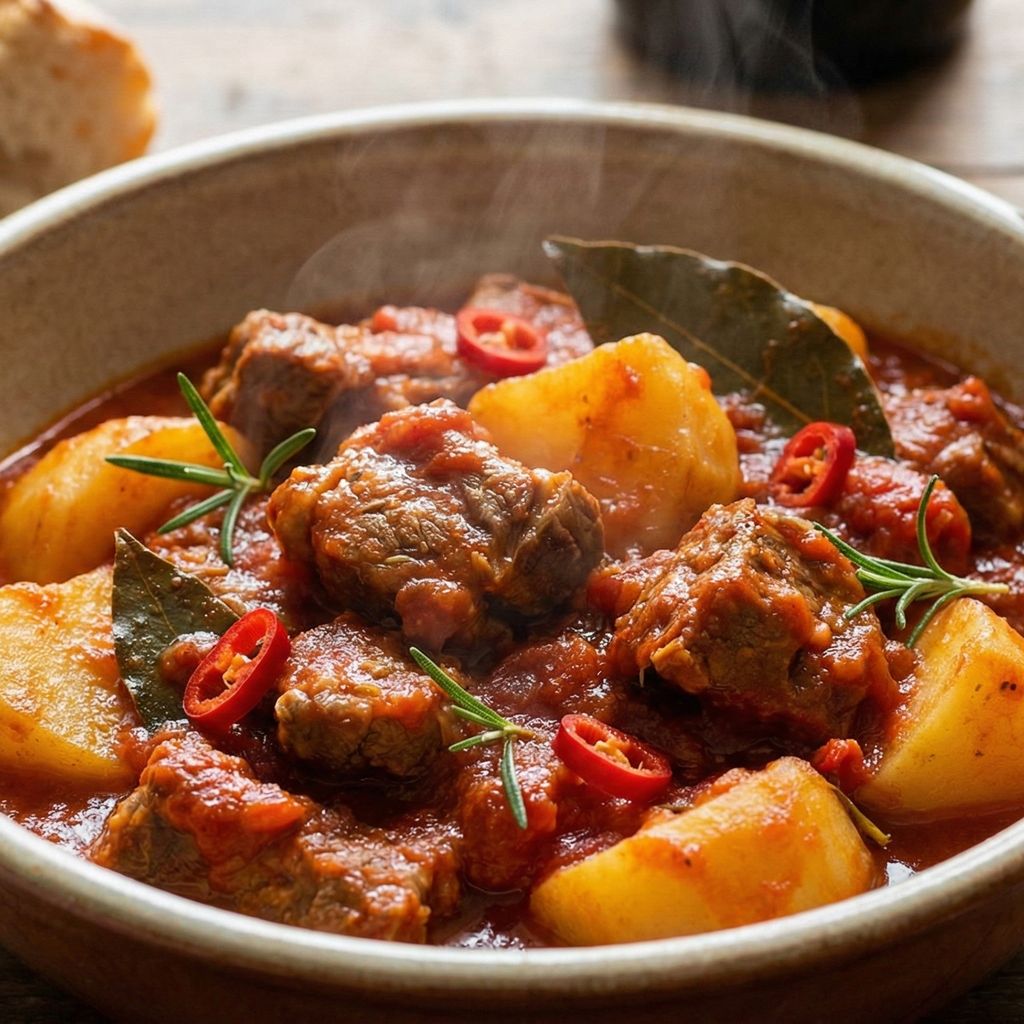
Ingredients
- 1 kg Lamb meat (shoulder or leg is best), cut into bite-sized chunks
- 800g Potatoes, peeled and cut into large chunks
- 500ml Tomato Purée (Passata di pomodoro)
- 1 large Onion, chopped
- 2 Cloves of Garlic, crushed
- 1 glass Full-bodied Red Wine (e.g., Gaglioppo)
- 1-2 Fresh Calabrian Chili Peppers (sliced) or dried flakes
- 1 sprig Fresh Rosemary
- 2 Bay Leaves
- Extra Virgin Olive Oil
- Salt and Black Pepper
Chef's Secret: The "Sigillatura" (Sealing). Do not overcrowd the pot when browning the lamb. You must sear the meat in batches on high heat until it's deeply browned on all sides. This step, called rosolare, is crucial for developing a deep, savory flavor base for the stew. If you crowd the pan, the meat will steam instead of brown.
Preparation Steps
- Brown the Meat: In a large, heavy-bottomed pot or Dutch oven, heat a generous amount of olive oil. Brown the lamb chunks in batches over medium-high heat until nicely caramelized. Remove the browned meat and set aside on a plate.
- Sauté Aromatics: In the same pot, add the chopped onion, crushed garlic, and chili peppers. Sauté on medium heat until the onion is soft and translucent, scraping up any browned bits from the meat (the *fond*).
- Deglaze: Return the lamb to the pot. Pour in the red wine and increase the heat, letting it bubble vigorously until reduced by half.
- Start the Stew: Add the tomato purée, rosemary, bay leaves, salt, and pepper. Stir well. If the liquid doesn't almost cover the meat, add a little hot water or broth.
- Slow Cook (Part 1): Bring to a simmer, reduce heat to low, cover, and cook gently for about 1 hour.
- Add Potatoes (Part 2): After an hour, add the potato chunks to the pot, pushing them down into the sauce.
- Finish Cooking: Continue to simmer, covered, for another 45 minutes to 1 hour, or until both the lamb and potatoes are fork-tender and the sauce has thickened.
- Serve: Remove the bay leaves and rosemary stem. Let the stew rest for 10-15 minutes before serving in bowls with crusty bread.
Pro Tip
In some mountain villages, a handful of brined black olives are added along with the potatoes for an extra layer of savory, salty flavor that pairs wonderfully with the lamb.
Insalata di Peperoni Arrostiti alla Calabrese (Calabrian Roasted Pepper Salad)
This dish is the quintessential Calabrian summer appetizer, though it's preserved under oil and eaten year-round. Unlike the fried versions already listed, this recipe focuses on the silky texture and smoky sweetness of the peppers. The secret lies in charring the skins completely and then patiently peeling them by hand without rinsing them in water, preserving every bit of their intense, smoky flavor. Marinated simply with high-quality olive oil, garlic, and fresh herbs, they are the perfect foil for rich cured meats.
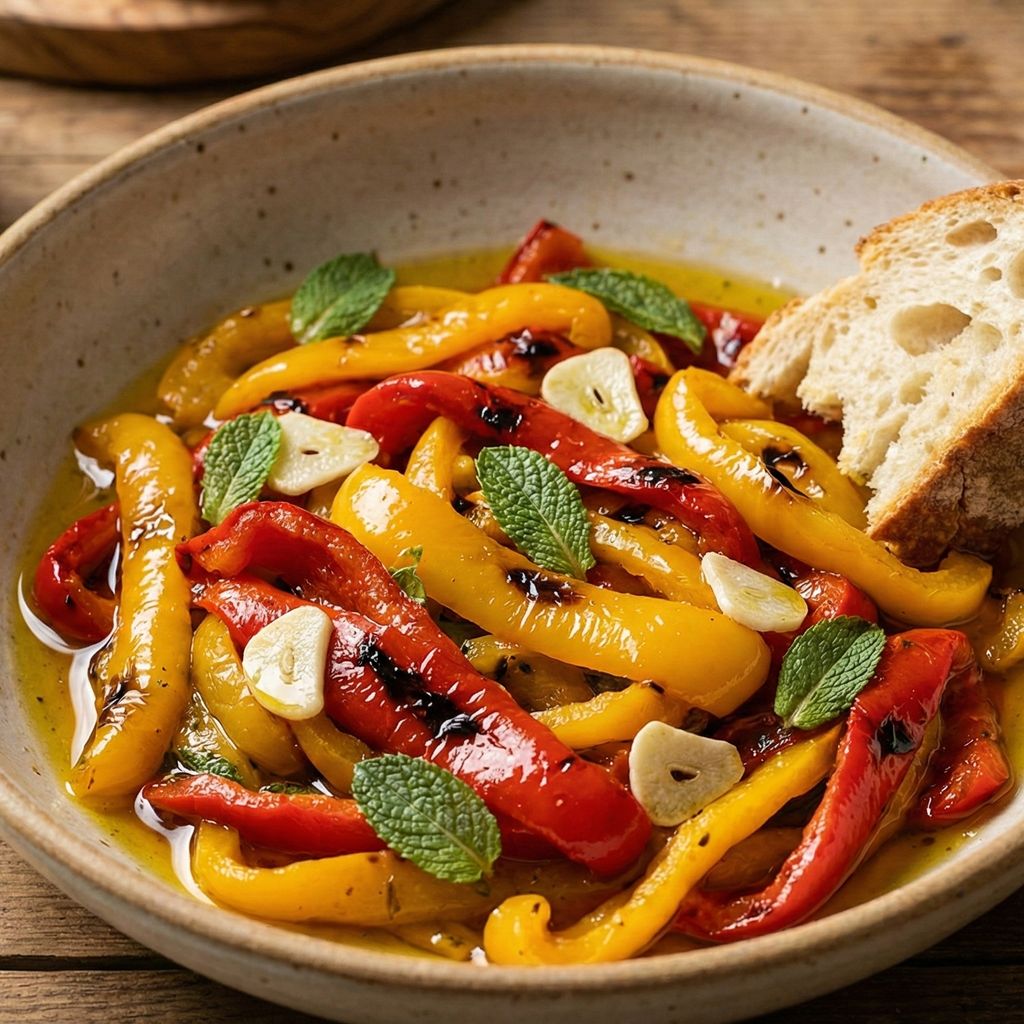
Ingredients
- 4 large Bell Peppers (mix of red and yellow for color; they must be fleshy)
- 2 Cloves of Garlic, sliced thinly or crushed
- Generous amount of Extra Virgin Olive Oil (Calabrian, if possible)
- Handful of Fresh Mint leaves (traditional) or Basil
- Salt
- Optional: A squeeze of lemon juice or a few drops of vinegar, though purists often omit acid.
Chef's Secret: The "Sweat". Once blackened, you must trap the peppers' heat steam. Immediately place the scorching hot peppers in a paper bag closed tightly, or in a bowl covered with plastic wrap. Let them "sweat" for 20 minutes. This steam detaches the skin from the flesh, making peeling easy. Never rinse them under tap water to help peeling, or you will wash away the precious smoky flavor you worked hard to create.
Preparation Steps
- Roast the Peppers: Prehat oven to its maximum setting (250°C/480°F) or light a charcoal grill. Place whole peppers on a baking sheet or directly on the grill grates. Roast them, turning occasionally, until the skins are completely blistered, blackened, and charred on all sides. Don't worry if they look burnt; that's the goal.
- Steam and Peel: Remove the peppers and immediately place them in a covered bowl or paper bag to steam for 20 minutes. Once cool enough to handle, peel off the charred skins using your fingers. Pull out the stem and scrape away the seeds and white internal membranes.
- Slice: Tear or cut the roasted pepper flesh into long, wide strips (falde).
- Marinate: Place the pepper strips in a serving bowl. Add the sliced garlic, tear in the fresh mint (or basil) leaves, season generously with salt, and pour over enough olive oil to coat them lusciously.
- Rest: Toss gently to combine. Let the salad rest at room temperature for at least an hour before serving. The flavors need time to meld. Serve at room temperature with fresh bread.
Pro Tip
This is the base for the famous "Peperoni sott'olio" (peppers under oil). To preserve them, after roasting and peeling, you would briefly boil the strips in vinegar and white wine, dry them thoroughly, pack them in jars with garlic and mint, and cover completely with olive oil.
Alici Ripiene alla Calabrese (Stuffed Fried Anchovies)
Known locally as Alici Chijne or "Book-style Anchovies," this recipe transforms delicate, small fish into substantial, crispy cutlets. Unlike meatballs where the fish is minced, here the anchovy fillets remain whole, acting as the "bread" of a sandwich filled with a savory mixture of breadcrumbs and Pecorino cheese. Fried to golden perfection, they offer a contrast between the crunchy exterior, the soft, savory filling, and the tender fish.
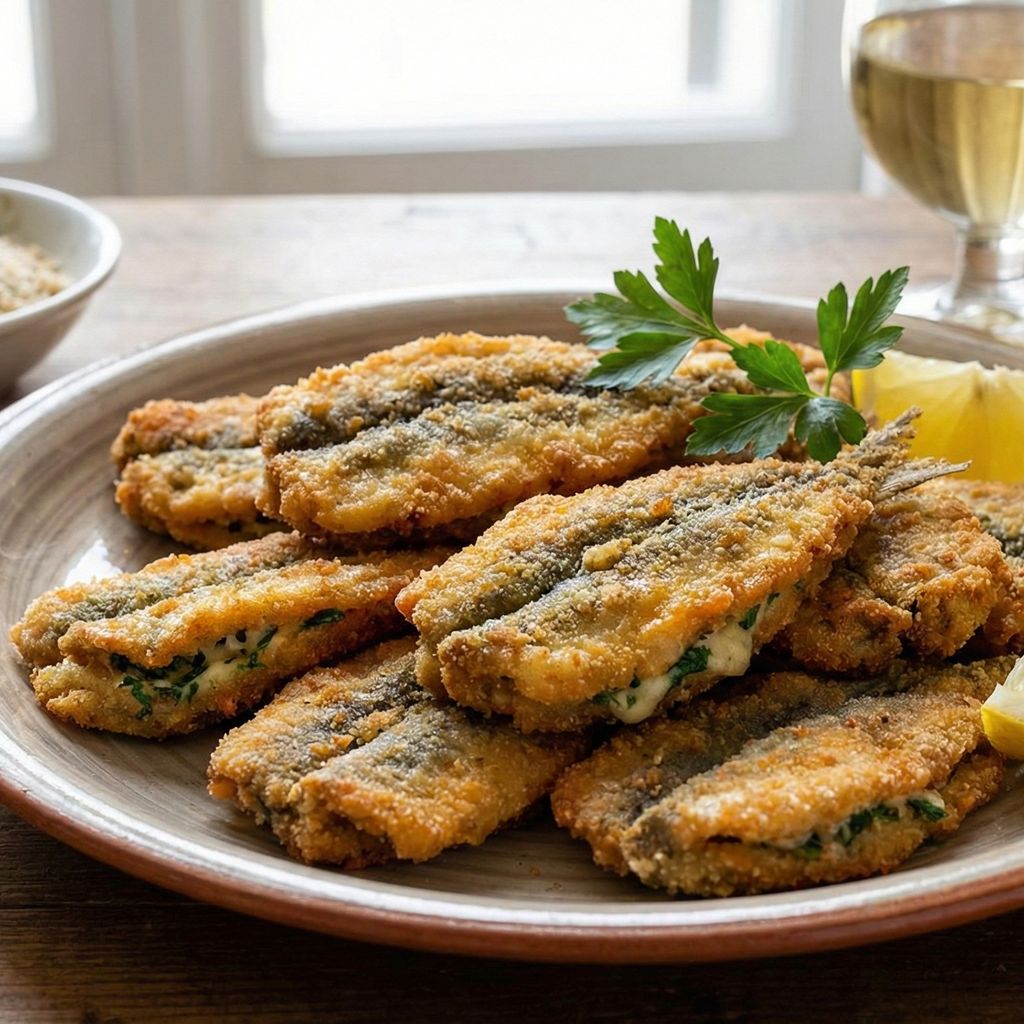
Ingredients
- 500g Fresh Anchovies (large size is better), cleaned and deboned, opened "butterflied" (flat)
- 100g Stale breadcrumbs (mollica)
- 50g Pecorino Calabrese (grated) - aged cheese is essential for flavor
- 1 Egg (for the filling) + 2 Eggs (for coating/breading)
- 1 Clove of Garlic, minced finely
- Fresh Parsley, chopped
- Flour (for dusting)
- Vegetable Oil (for frying)
- Salt and Pepper
- Capers (optional, chopped into the mix)
Chef's Secret: The "Press". After you create the anchovy sandwich (filling between two fillets or one folded fillet), press it gently but firmly between your palms before flouring. This compacts the filling and prevents the fish from opening during frying. Also, ensure the oil is hot enough (170°C) so the breadcrumbs don't soak up grease.
Preparation Steps
- Clean the Fish: Remove the head and entrails of the anchovies. Open them gently by running your thumb along the belly to remove the spine, but try to keep the two fillets attached at the back (butterflied). Wash and pat them completely dry.
- The Filling: In a bowl, mix the stale breadcrumbs, grated Pecorino, minced garlic, chopped parsley, one egg, salt, and pepper. If the mixture is too dry, add a drop of water or milk; it should be mouldable but not wet.
- Assemble: Take an open anchovy fillet. Place a small amount of filling on one side. You can either fold the anchovy over (if it's large) or place another anchovy on top to form a "sandwich." Press the edges to seal.
- Breading Station: Prepare two shallow dishes: one with flour and one with the remaining two beaten eggs (salted).
- Coat: Carefully dredge each stuffed anchovy in the flour (shaking off excess), then dip it into the beaten egg. (Some families add a final coat of breadcrumbs, but flour and egg is the traditional "indoratura").
- Fry: Deep fry in hot oil, turning once, until golden brown on both sides (about 2-3 minutes).
- Serve: Drain on paper towels and serve immediately with lemon wedges.
Pro Tip
These stuffed anchovies are one of those magical Calabrian dishes that are arguably better when eaten cold or at room temperature. They are a classic item to bring to the beach (inside a "panino") for a seaside picnic.
Pasta e Vajanelli (Calabrian Pasta with Green Beans and Tomato)
While often translated simply as "pasta with green beans," Pasta e Vajaneju is a religion in the Cosenza area. It is strictly a summer dish, made when the local green beans are tender and sweet. The secret lies in the texture: it is neither a soup nor a dry pasta, but a "minestra asciutta"—thick, creamy, and comforting. The beans are braised in a simple tomato sauce until they almost melt, and the pasta (traditionally broken spaghetti) traps the sauce in every bite.
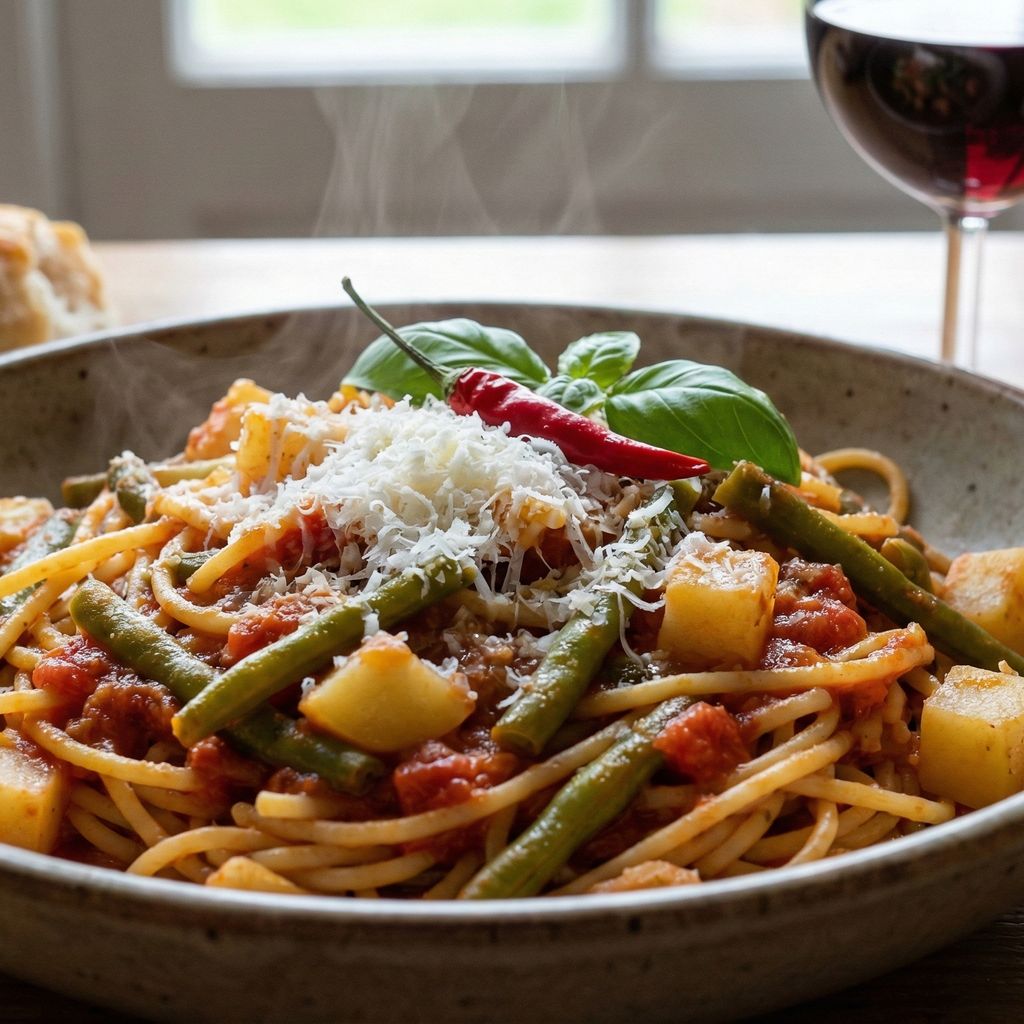
Ingredients
- 300g Fresh Green Beans (Vajanelli), trimmed and washed
- 300g Mixed Pasta (Broken Spaghetti, Tubetti, or Ditalini)
- 400g Ripe Tomatoes (peeled and crushed) or high-quality passata
- 1 Medium Potato, peeled and diced (The local secret for creaminess)
- 2 Cloves of Garlic
- Fresh Basil (abundant)
- Fresh Calabrian Chili Pepper
- Extra Virgin Olive Oil
- Salt
- Cacioricotta or Pecorino Crotonese (grated, for serving)
Chef's Secret: The "Broken Spaghetti". Don't use fancy long pasta. The tradition dictates using Spaghetti Spezzati (spaghetti broken by hand into 3-4 cm pieces). This shape creates a unique mouthfeel and allows the pasta to be eaten with a spoon, scooping up the beans and sauce together.
Preparation Steps
- Prepare the Beans: Trim the ends of the green beans. If they are long, snap them in half.
- The Base: In a large pot, heat the olive oil. Sauté the garlic cloves and the chili pepper until fragrant (do not burn).
- The Sauce: Add the peeled/crushed tomatoes to the pot. Cook for 5 minutes.
- Stew the Veggies: Add the green beans and the diced potato to the tomato sauce. Add about 2 cups of hot water (enough to cover the vegetables well). Season with salt.
- Simmer: Cover and cook on medium-low heat for about 20–30 minutes. The beans must be very tender, and the potato should start to fall apart (this naturally thickens the sauce).
- Cook Pasta: You have two options:
- Traditional Method (Risottata): Add the raw pasta directly into the pot with the beans. Add a little more boiling water if needed, and cook stirring frequently until the pasta is done. This makes it incredibly creamy.
- Standard Method: Boil the pasta separately, drain it al dente, and toss it into the pot with the beans for the final 2 minutes.
- Finish: Turn off the heat. Stir in a generous handful of fresh basil leaves.
- Serve: Plate immediately. It should be thick and saucy. Top with a dusting of grated Cacioricotta or Pecorino cheese.
Pro Tip
In some versions, especially near Catanzaro, the dish is finished with a "fry" of garlic and paprika poured over the top right before serving to add an extra layer of savory depth.
Scalille Calabresi (Honey-Glazed Anise Spirals)
Completing the triumvirate of Calabrian Christmas sweets (alongside Turdilli and Cullurielli), the Scalille (meaning "small ladders" or "stairs" to heaven) are visually stunning. Unlike their cousins, they contain no yeast and no potatoes. They are made from a rich, elastic egg-based dough flavored with anise liqueur, which is intricately rolled into a spiral shape resembling a coiled snake or a ladder. Fried until crispy and then drenched in hot honey, they are the crunchy counterpart to the softer holiday treats.
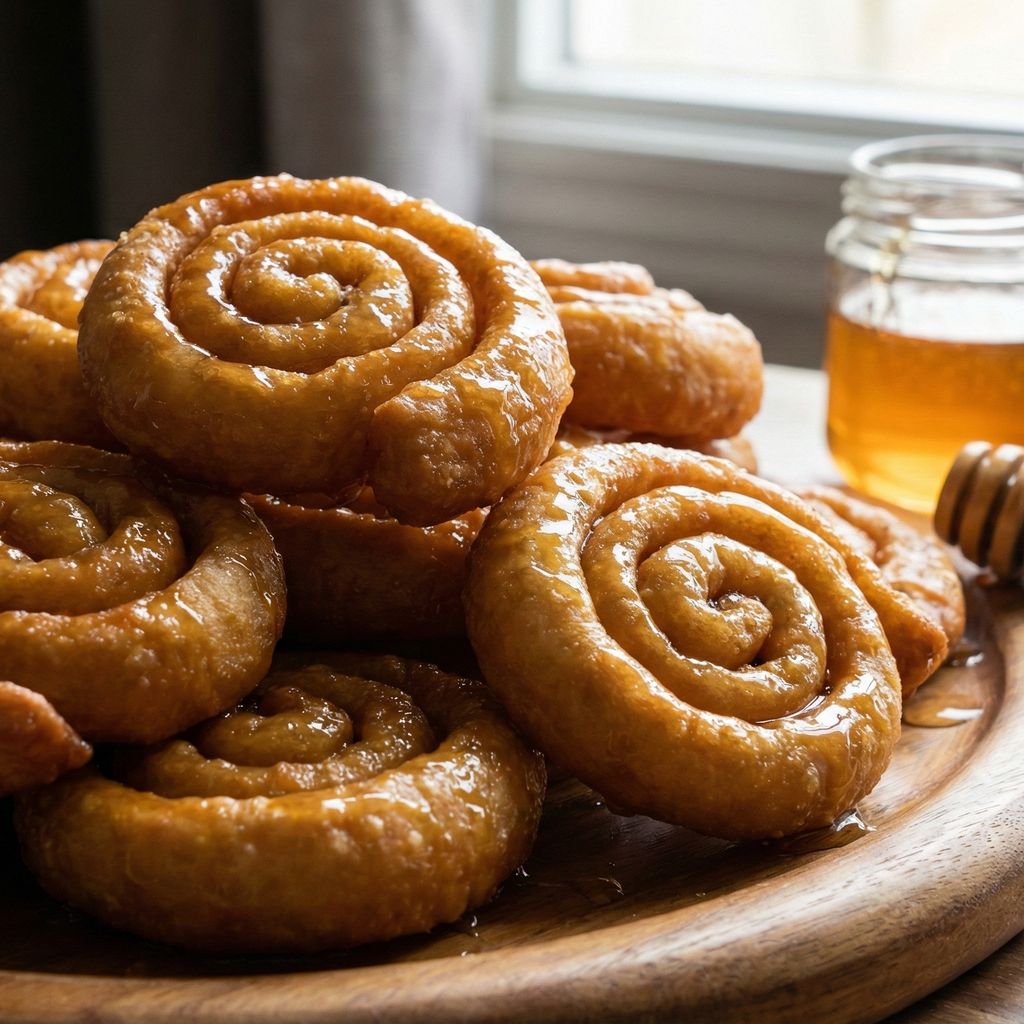
Ingredients
- 500g '00' Flour
- 5 Whole Eggs (medium size)
- 1/2 Eggshell of Anise Liqueur (Anisetta or Sambuca) - *Traditional measure: use the broken shell as a cup*
- 1/2 Eggshell of Olive Oil (or melted lard for purists)
- 1 pinch of Salt
- Lemon Zest (grated)
- Vegetable Oil (for deep frying)
- 300g Honey (Fig honey is traditional, but wildflower honey is fine)
- Anise seeds (optional, in the dough)
Grandma's Tool: To make the perfect shape, you need a "Cannello" (a wooden stick/dowel about the thickness of a finger, traditionally made from cane). You roll the dough rope around this stick to form the spiral, then slide it off gently to fry. The texture must be hard and crunchy, not soft.
Preparation Steps
- The Dough: Pile the flour on a wooden board, make a well in the center. Add eggs, oil (using the shell measure), anise liqueur (using the shell measure), zest, and salt. Beat the eggs with a fork, slowly incorporating the flour until you can knead by hand.
- Knead: Work the dough energetically for at least 15 minutes. It must be smooth, elastic, and quite firm. If it sticks, add a pinch more flour; if too hard, a drop more liqueur. Cover and let rest for 30 minutes.
- Forming Ropes: Cut small pieces of dough and roll them into thin ropes (about the thickness of a pencil/little finger).
- The Spiral (La Scalilla): Take a wooden stick (cannello). Anchor one end of the dough rope to the top of the stick, then wind the dough around the stick in a spiral. At the bottom, loop the dough back up and pinch it to the top end to "lock" the spiral so it doesn't unravel (or simply slide it off if you are skilled). Gently slide the spiral off the stick. It should hold its shape.
- Fry: Deep fry in plenty of hot oil. They should not brown too much, just turn a light gold. Drain on paper towels.
- The Glaze (Il Miele): In a large wide pot, heat the honey until it becomes liquid and starts to foam slightly. Drop the fried Scalille into the hot honey (2-3 at a time). Turn them gently to coat every crevice.
- Serve: Remove and arrange them on a serving tray. Do not add sprinkles (codette); unlike Struffoli, Scalille are traditionally served plain to highlight the spiral shape and the golden honey shine.
Pro Tip
Once the honey cools, it acts as a glue and preservative. Scalille can be kept in a tin for weeks, and many Calabrians believe they taste better after 2-3 days when the anise flavor has matured.
Frittata di Cipolle Rosse di Tropea (Sweet Tropea Red Onion Frittata)
This dish is a tribute to Calabria's most famous vegetable: the sweet Red Onion of Tropea IGP. Unlike standard onion omelets where the onions are just an accent, here they are the absolute star. The ratio of onion to egg is very high. The secret lies in slowly stewing the onions in olive oil until they become incredibly soft, sweet, and translucent before binding them gently with the eggs. It's less of an egg dish and more of a savory onion cake.
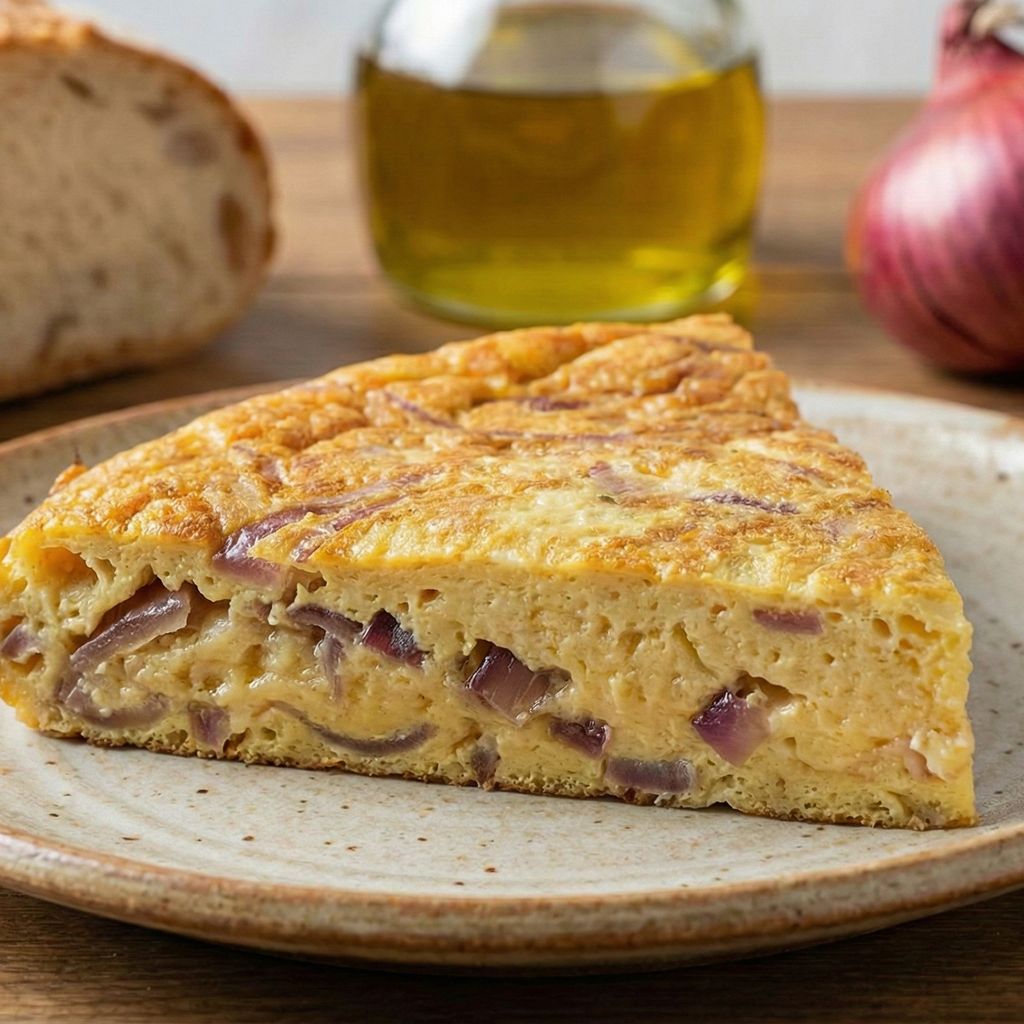
Ingredients
- 500g Red Onions of Tropea (Cipolla Rossa di Tropea IGP) - Accept no substitutes!
- 4 large fresh Eggs
- 3-4 tablespoons Extra Virgin Olive Oil
- 30g Pecorino Crotonese or Parmigiano (grated, optional but recommended)
- Salt and freshly ground Black Pepper
- A splash of water
Chef's Secret: The Sweet Stew. Do not rush cooking the onions. They must not fry or burn, but rather "sweat" and stew gently. Slicing them thinly and cooking them on low heat with lid on for at least 20 minutes, adding a splash of water if needed, ensures they release their natural sugars and become meltingly tender without becoming bitter.
Preparation Steps
- Prepare Onions: Peel the Tropea onions and slice them thinly into rounds or half-moons.
- Stew Onions: Heat the olive oil in a non-stick frying pan (about 24-26 cm diameter) over medium-low heat. Add the onions and a good pinch of salt. Stir to coat. Cover with a lid and let them cook gently for 20–25 minutes, stirring occasionally. They should become very soft, sweet, and translucent, perhaps slightly caramelized at the edges, but not burnt. If they start to dry out, add a tablespoon of water. Remove from heat and let them cool slightly for 5 minutes.
- Prepare Eggs: In a bowl, beat the eggs lightly with a fork. Add the grated Pecorino (if using), black pepper, and a little more salt (remember the onions are already salted).
- Combine: Pour the stewed onions into the bowl with the eggs and mix well to combine everything evenly.
- Cook the Frittata: Wipe the pan clean if necessary, add another drizzle of oil, and bring back to medium heat. Pour the onion and egg mixture back into the pan. Level the surface with a spatula.
- Set the Bottom: Cook for about 5–7 minutes on medium-low heat, shaking the pan occasionally, until the bottom is golden and the edges are set, but the top is still slightly runny.
- The Flip: Place a large flat plate (or a pot lid) over the pan. Firmly hold the handle and the plate, invert the pan so the frittata lands on the plate cooked-side up. Slide it back into the pan to cook the other side.
- Finish: Cook for another 3–5 minutes on the second side until set.
- Serve: Slide onto a serving plate. It is delicious hot, but traditionally it is enjoyed lukewarm or even at room temperature, cut into wedges.
Pro Tip
For a true Calabrian rustic meal, sandwich a thick wedge of this frittata between two slices of crusty durum wheat bread. It’s the ultimate beach lunch.
Fegato alla Riggitana (Reggio-Style Liver with Onions and Vinegar)
This dish is a cornerstone of the "cucina povera" in Reggio Calabria. While liver can be a divisive ingredient, the Calabrian method of preparation converts even the skeptics. Thin slices of veal (or pork) liver are flash-fried and then smothered in a mountain of stewed onions. The magic touch is the final deglazing with red wine vinegar, which cuts through the iron-rich taste of the meat and the sweetness of the onions, creating a perfectly balanced sweet-and-sour glaze.
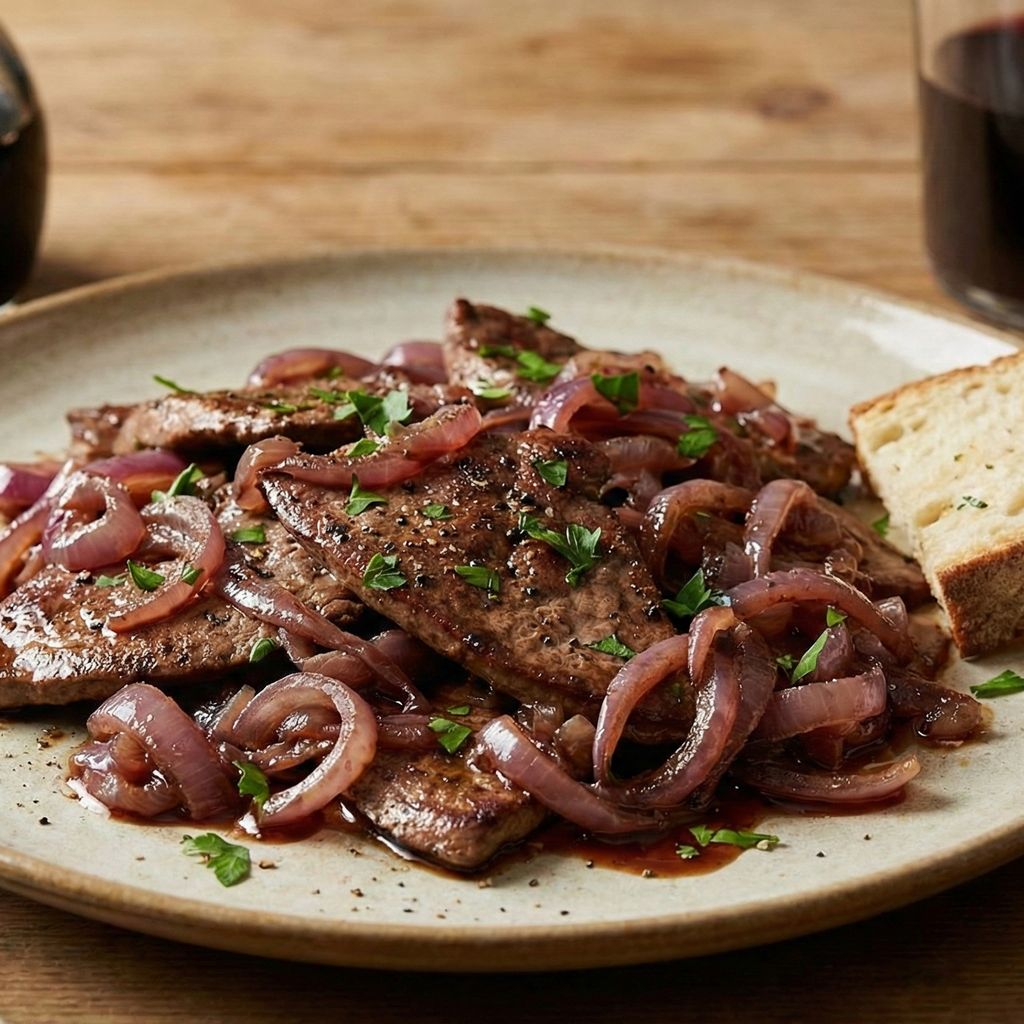
Ingredients
- 500g Veal Liver (Fegato di Vitello), sliced thinly
- 4 Large Onions (preferably Red Tropea or golden), sliced
- 1/2 cup Red Wine Vinegar
- Extra Virgin Olive Oil (generous amount)
- Breadcrumbs (optional, for a slight crust)
- Salt and Black Pepper
- Fresh Parsley (chopped)
Chef's Secret: The Cooking Time. Liver becomes tough and rubbery if overcooked. It must be cooked quickly on high heat. However, the onions need a long time to become soft. The trick is to cook them separately: get the onions meltingly soft first, remove them, sear the liver fast, and then combine them only at the end for the vinegar splash.
Preparation Steps
- Prepare the Onions: Slice the onions thinly. In a large skillet, heat a generous drizzle of olive oil. Add the onions and a pinch of salt. Cook them over medium-low heat, covered, for about 15–20 minutes until they are very soft and translucent (add a splash of water if they start to burn). Remove the onions from the pan and set aside on a plate.
- Prepare the Liver: Rinse the liver slices and pat them very dry. If you like, you can lightly dust them with flour or breadcrumbs (this helps the sauce stick), but the traditional recipe often skips breading.
- Sear the Meat: In the same skillet used for the onions, add a little more oil and increase the heat to high. When the oil is hot, add the liver slices. Cook for just 2–3 minutes per side until browned on the outside but still tender.
- Combine: Lower the heat slightly. Pour the cooked onions back into the pan over the liver. Stir gently to mix.
- The "Sfumata": Increase the heat again and pour the red wine vinegar over everything. Let it bubble vigorously for 1–2 minutes until the sharp smell of vinegar evaporates and the liquid reduces to a creamy glaze.
- Serve: Season with salt (if needed) and plenty of black pepper. Sprinkle with fresh parsley and serve immediately while hot.
Pro Tip
In some variations from the surrounding villages of Aspromonte, a handful of black olives is added along with the onions to increase the savory complexity.
Triglie alla Calabrese (Spicy Stewed Red Mullet)
Red Mullet (Triglia) is a prized catch along the Calabrian coast, known for its sweet, rosy flesh and distinct flavor of the sea. In this traditional recipe, the fish are braised gently in a robust, spicy tomato sauce. Unlike grilling, this method keeps the delicate fish moist and infuses it with the punchy flavors of garlic and chili pepper. It is a dish that absolutely demands the ritual of scarpetta (dipping bread in the sauce).
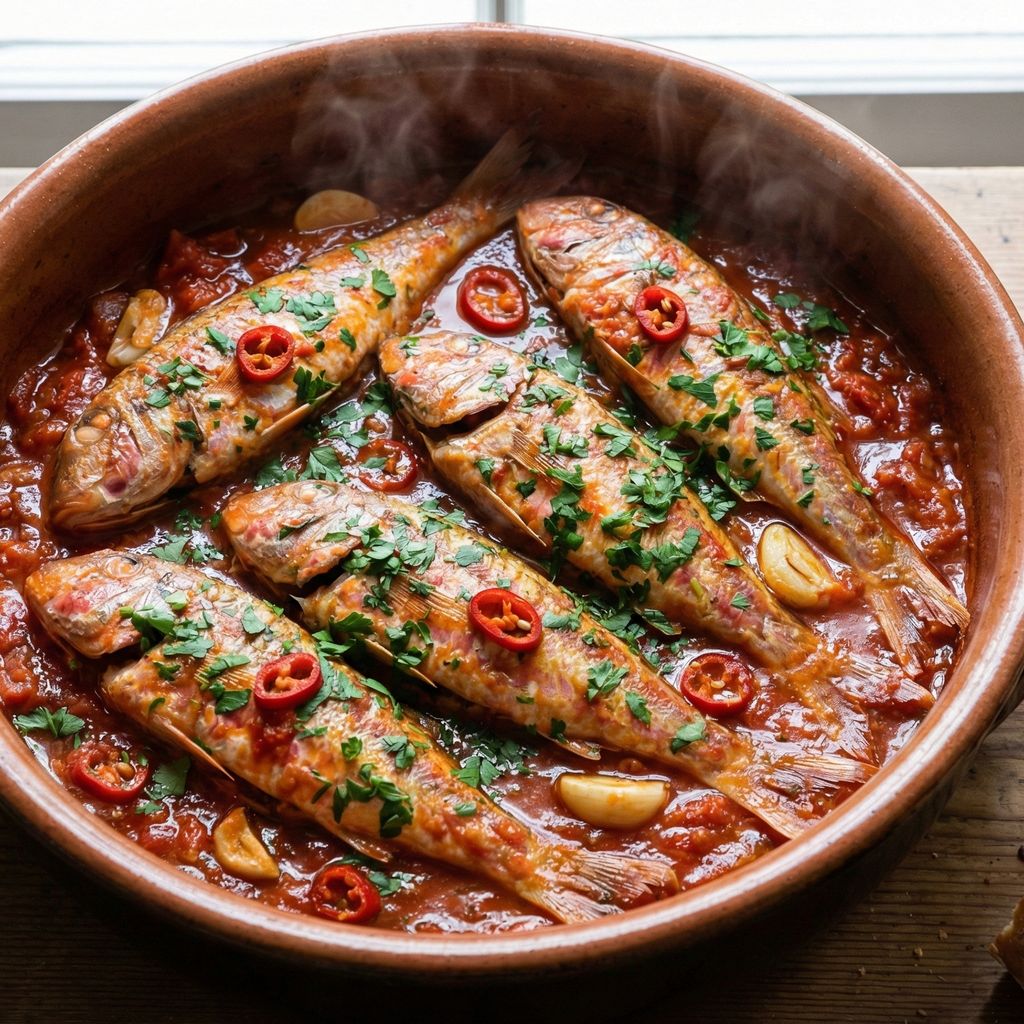
Ingredients
- 8 Fresh Red Mullets (Triglie di scoglio), scaled and cleaned (heads left on for flavor)
- 400g Peeled Tomatoes (San Marzano) or chopped fresh ripe tomatoes
- 2 Cloves of Garlic, crushed
- 1 Fresh Calabrian Chili Pepper (sliced)
- 1/2 glass Dry White Wine
- Fresh Parsley, chopped abundanty
- Extra Virgin Olive Oil
- Salt
Chef's Secret: Do not flip them! Red Mullet is incredibly fragile. Once you place them in the pan, do not try to turn them over with a spatula or they will break apart. Instead, cook with the lid on to steam the top, and gently shake the pan by the handle (the "sauté" motion) to prevent sticking. Use a spoon to baste the top of the fish with the boiling sauce.
Preparation Steps
- The Base: In a large, wide skillet (wide enough to hold the fish in a single layer), heat the olive oil. Add the crushed garlic and the chili pepper. Sauté until the garlic is golden, then remove the garlic if you prefer a milder flavor, or leave it in.
- The Sauce Start: Add the tomatoes to the oil. Season with salt and half of the parsley. Cook on medium heat for about 10 minutes until the tomatoes start to break down and the sauce thickens slightly.
- Add the Fish: Gently lay the Red Mullets into the bubbling sauce, side by side. Do not overlap them.
- Deglaze: Pour the white wine into the spaces between the fish (not directly on top to avoid washing off the flavor). Let the alcohol evaporate for a minute on high heat.
- Simmer: Lower the heat, cover the pan with a lid, and let simmer gently for about 10–15 minutes (depending on the size of the fish).
- Basting: Halfway through, remove the lid and gently spoon the hot tomato sauce over the fish to ensure even cooking and flavoring.
- Serve: Sprinkle with the remaining fresh parsley. Serve carefully, lifting each fish with a wide spatula to keep it whole, covered in its red spicy sauce.
Pro Tip
If you have leftover sauce (and you should plan to), boil some linguine and toss them in the pan after removing the fish. The pasta coated in this red mullet-infused tomato sauce is considered by many locals to be superior to the fish itself.
Insalata di Cedro (Calabrian Citron Salad)
This dish highlights the Cedro Liscio Diamante (Diamond Smooth Citron), a variety grown almost exclusively in the Santa Maria del Cedro area of Calabria. Unlike other citrus fruits where you discard the white pith (albedo) because it's bitter, here the thick, fleshy white pith is the best part: it is sweet, crunchy, and edible. This salad is served as a sophisticated appetizer or a palate cleanser between heavy courses, celebrating the pure floral aroma of this ancient fruit.
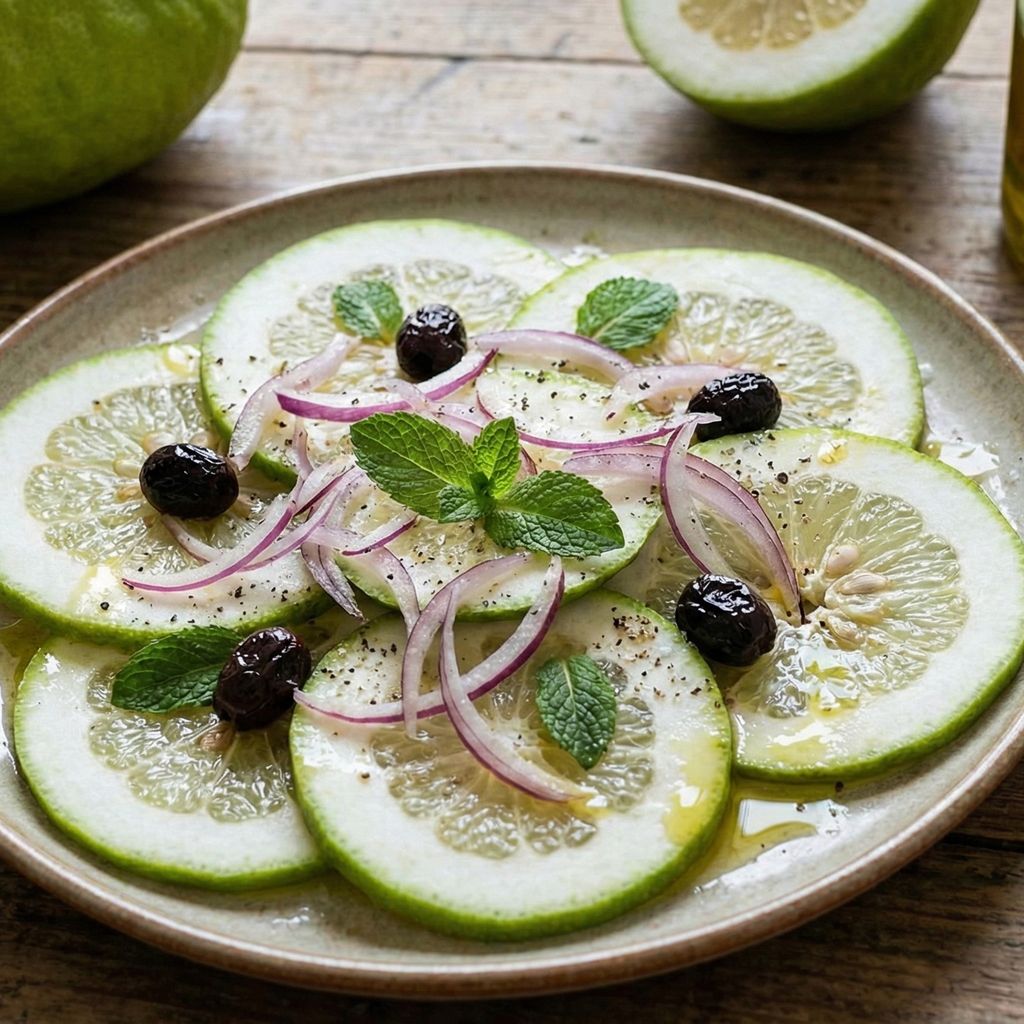
Ingredients
- 1 Large Fresh Citron (Cedro) - strictly the sweet variety with thick white pith
- Extra Virgin Olive Oil (a delicate one)
- Salt (flakes are best)
- Freshly Ground Black Pepper
- Optional: 1 Spring Onion (fresh) or Tropea Onion, sliced paper-thin
- Optional: Black Olives (baked or dry-cured)
- Optional: Fresh Parsley or Mint
Chef's Secret: The Slice. You do not peel the Citron like an orange. You wash the skin thoroughly and slice the entire fruit thinly (carpaccio style) or into small cubes. The green rind adds essential oils, the white pith adds sweetness and crunch, and the small center adds acidity. All three layers must be eaten together for the perfect balance.
Preparation Steps
- Prep the Fruit: Wash the citron very well, scrubbing the skin as you will be eating it. Cut off the two ends.
- Slice: Using a sharp knife or a mandoline, slice the citron very thinly into rounds. Alternatively, cut thick slices and then dice them into bite-sized cubes (this is the more rustic "contadino" style).
- Season: Arrange the slices on a serving platter (or place the cubes in a bowl).
- Dress: Sprinkle generously with salt (salt draws out the juices and softens the texture slightly). Grind black pepper over the top.
- Oil: Drizzle liberally with high-quality Extra Virgin Olive Oil. The oil emulsifies with the citron juice to create a natural dressing.
- Additions: If you like a savory kick, scatter the thinly sliced spring onion and the black olives over the top. The pungency of the onion contrasts beautifully with the floral sweetness of the citron.
- Marinate: Let the salad sit for about 10–15 minutes before serving to allow the flavors to meld.
- Serve: Eat with a fork, ensuring you get a piece of rind, pith, and pulp in every bite.
Pro Tip
This salad is the traditional accompaniment to smoked fish or rich fried dishes, as the essential oils of the citron rind work incredibly well to cut through grease and refresh the mouth.
Spaghetti alla Corte d'Assise (The "Court of Assizes" Spicy Pasta)
This is a modern classic of Calabrian cuisine, originating in 1958 at Hotel Gaudio in Marina di Gioiosa Ionica. It is a cult dish along the Ionian coast. The sauce is a paradox: it combines the fierceness of abundant Calabrian chili peppers with the soothing sweetness of heavy cream (panna). The result is a pinkish-orange, creamy, volcanic sauce that clings to the pasta. The name implies that the dish is so spicy it deserves to be put on trial!
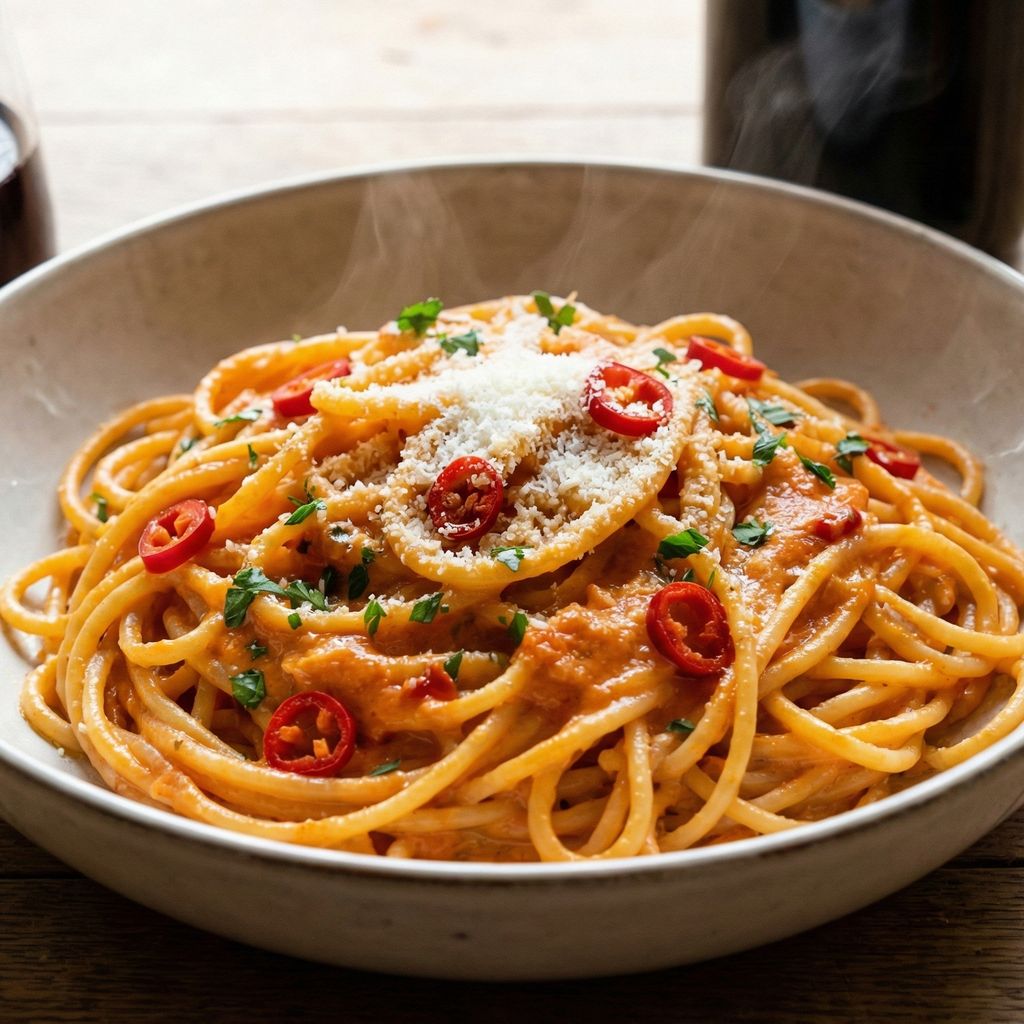
Ingredients
- 400g Spaghetti or Bucatini
- 500ml Tomato Purée (Passata di pomodoro)
- 100ml Heavy Cream (Panna fresca liquida)
- 4-5 Fresh Hot Calabrian Chili Peppers (yes, it must be spicy)
- 2 Cloves of Garlic
- Extra Virgin Olive Oil
- Fresh Parsley, chopped finely
- Pecorino Calabrese (grated)
- Salt
Chef's Secret: The Emulsification. The cream shouldn't just be dumped in. It is added at the very end, when the tomato sauce is fully cooked and the heat is low. It must turn the dark red tomato sauce into a vibrant, silky orange sunset color. The chili must be sautéed in the oil first to release the capsaicin, making the oil itself spicy before the tomato touches it.
Preparation Steps
- The Spicy Base: In a large skillet, heat a generous amount of olive oil. Add the garlic cloves (whole or crushed) and the sliced chili peppers. Sauté until the garlic is golden and the oil is infused with the chili heat. Remove the garlic if desired (or leave it for a rustic touch).
- Tomato: Pour in the tomato passata. Be careful of the splatter! Season with salt. Cover and simmer on medium-low heat for about 15–20 minutes until the sauce thickens and the oil separates slightly from the tomato.
- Pasta: Meanwhile, boil the spaghetti in salted water until al dente.
- The Cream: When the tomato sauce is ready, lower the heat to the minimum. Pour in the heavy cream. Stir vigorously to blend the red and white into a creamy orange sauce. Cook for just 1 minute to bind.
- Toss: Drain the pasta (reserving a splash of cooking water) and toss it directly into the skillet with the sauce. Sauté for a minute, adding a little pasta water if it's too thick.
- Finish: Turn off the heat. Stir in a generous handful of fresh parsley and a dusting of grated Pecorino.
- Serve: Plate immediately. The pasta should be coated in a thick, spicy, pink cream.
Pro Tip
Authenticity dictates using "Bucatini" (hollow spaghetti) if available, as the spicy sauce gets trapped inside the noodle, delivering a double punch of heat with every bite.
Carciofi Ripieni alla Calabrese (Stuffed Braised Artichokes)
Completing the Calabrian tradition of stuffed vegetables, the Carciofi Chini are a springtime staple. Unlike Roman artichokes which are flavored with mint and garlic, the Calabrian version is hearty and substantial, stuffed with a savory mixture of stale breadcrumbs and sharp Pecorino cheese. They are cooked upright in a pot, half-steamed and half-braised, until the heart becomes tender like butter while the savory filling forms a delicious golden crust on top.
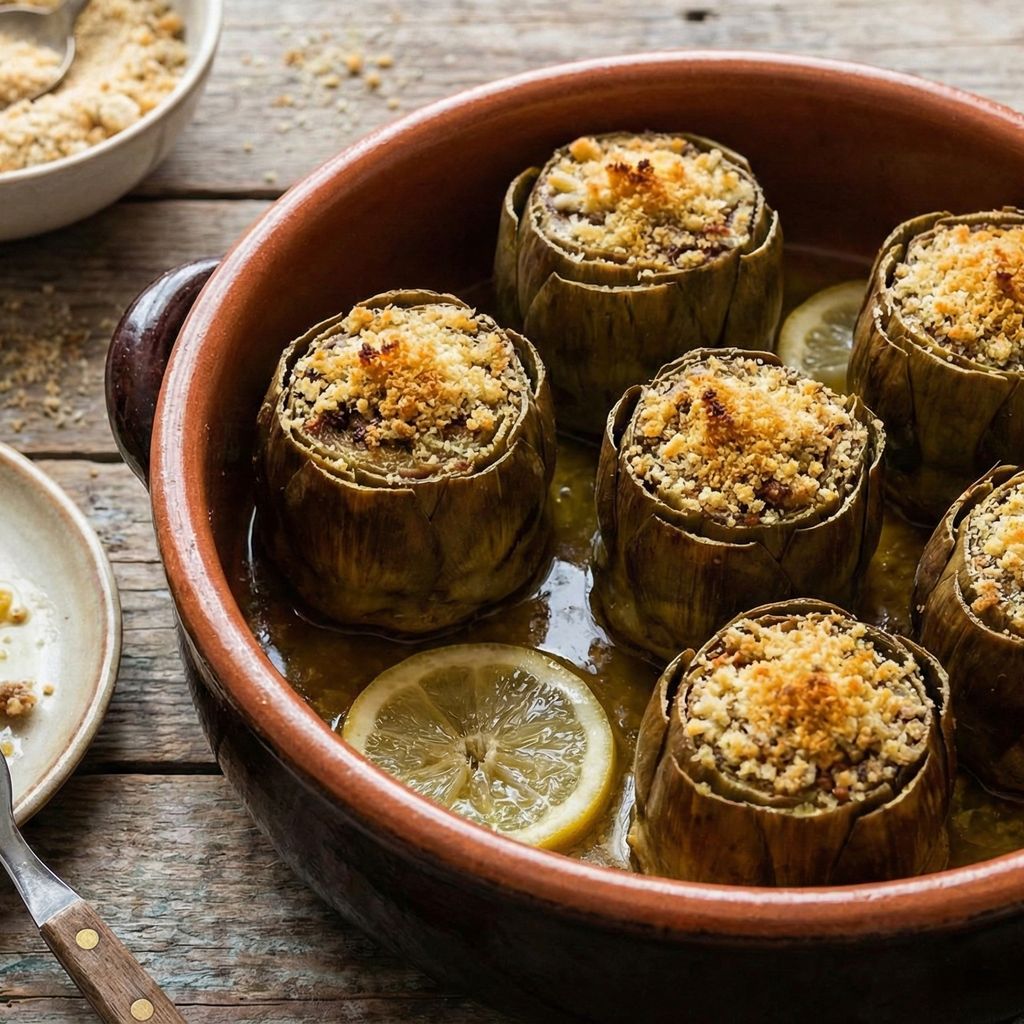
Ingredients
- 6 Artichokes (medium size, preferably the spiny variety which is tastier)
- 150g Stale Breadcrumbs (Mollica di pane)
- 80g Pecorino Calabrese or Crotonese (grated)
- 1 Clove of Garlic, minced
- Fresh Parsley, chopped
- Extra Virgin Olive Oil
- Salt and Black Pepper
- Lemon (for the soaking water)
- Water (for cooking)
Chef's Secret: The "Bang". To stuff the artichokes properly, you need to open the petals without breaking them. After trimming the top spikes and the tough outer leaves, hold the artichoke by the stem and hit it upside down firmly on the table (bang it!). This shock loosens the petals naturally, creating the space for the stuffing.
Preparation Steps
- Clean the Artichokes: Prepare a bowl of cold water with lemon juice. Remove the tough outer leaves of the artichokes until you reach the lighter, tender ones. Cut off the spiky tops (about 2-3 cm) and peel the stem. Place them immediately in the lemon water to prevent oxidation (turning black).
- The Stuffing: In a bowl, mix the breadcrumbs, grated Pecorino, minced garlic, parsley, salt, pepper, and a generous drizzle of olive oil. The mixture should be damp and crumbly, but hold together when pressed.
- Stuff: Drain the artichokes. Bang them on the table to open them up. Gently push the filling into the center and between the leaves, pressing down to ensure they are packed tight.
- Pot Arrangement: Choose a pot that fits the artichokes snugly so they stay upright (standing on their base/stem). Place them in the pot side by side.
- Cooking Liquid: Drizzle generous olive oil over the top of each artichoke. Pour water into the bottom of the pot until it reaches about halfway up the artichoke heads (do not submerge the filling). Add a pinch of salt to the water.
- Braise: Cover the pot with a tight lid. Cook on medium-low heat for about 30–40 minutes. The steam cooks the filling and the heart.
- Check: They are ready when a fork easily pierces the base of the artichoke and a leaf pulls away effortlessly.
- Serve: Serve warm or at room temperature. The best way to eat them is to pull off each leaf, scraping the filling and tender pulp with your teeth, until you reach the prize: the heart.
Pro Tip
Some family variations, particularly in the Cosenza area, add small cubes of Soppressata or sausage into the breadcrumb mixture for an even richer, meatier flavor.
Mostaccioli di Soriano (Hard Honey Ceremonial Cookies)
These are not your typical soft cookies. Originating from Soriano Calabro, the Mostaccioli (or Mastazzola) are hard, dense, and incredibly long-lasting sweets made with practically just two ingredients: flour and honey. They are edible sculptures, traditionally hand-shaped into symbols like fish, baskets, horses, or hearts, and decorated with bits of colored foil. They are a staple of every Calabrian village fair (festa patronale) and are meant to be eaten slowly, often dipped in sweet wine to soften them.

Ingredients
- 500g '00' Flour (plus extra for kneading)
- 500g Honey (Chestnut honey for a darker, bitter taste; Wildflower for milder)
- 1 Egg yolk (optional, only for brushing/glazing)
- Optional: A splash of Anise liqueur or Lemon zest (though purists use only honey)
Baker's Warning: Don't expect a cookie texture. The dough is extremely tough and sticky. The final product is supposed to be hard and compact, almost like a nougat. The "Red" version you see at fairs is not red velvet; it's just the same dough wrapped in red foil!
Preparation Steps
- Heat the Honey: In a saucepan, gently warm the honey until it becomes very fluid (do not boil it). If you like, add the lemon zest or anise now.
- The Volcano: Place the flour on a wooden board or in a large bowl. Make a well in the center.
- Mix: Pour the warm honey into the flour well. Start mixing with a fork, then switch to your hands. Caution: the honey might still be hot.
- Knead: This is the hard part. Knead the dough vigorously. It will be very heavy, sticky, and stiff. Keep working it until you have a compact, homogeneous, brownish block. If it's too sticky, add a dusting of flour.
- Sculpt: This is the artistic part. Cut pieces of dough and shape them by hand.
- Simple: Flatten into diamonds or ovals (1-2 cm thick).
- Traditional: Roll strands and weave them to make baskets, or flatten them to cut out fish or bird shapes.
- Rest: Some bakers let the shaped cookies rest overnight to dry out slightly and hold their shape better, but you can bake immediately.
- Glaze (Optional): For a shiny finish, brush the tops with a beaten egg yolk.
- Bake: Preheat oven to 180°C (350°F). Bake on a parchment-lined tray for about 15–20 minutes. They should turn a deep golden-brown (bronze color).
- Cool: They will still be slightly soft when they come out but will harden significantly as they cool. Store in a tin; they last for months.
Pro Tip
If they become too hard to bite (which is normal!), break them into pieces and soak them in a glass of Greco di Bianco or Moscato passito for a few seconds before eating.
Ginetti Calabresi (Double-Cooked Lemon Glazed Biscuits)
Typically found in the Crotone area and around Castrovillari, Ginetti are grand, elegant biscuits with a unique texture. They contain no butter or oil, relying entirely on eggs for structure. The magic happens in the cooking method: the dough rings are first boiled in water (which puffs them up and sets the shape) and then baked until dry and light. Finally, they are smothered in a thick, snow-white lemon glaze called naspro. They are the ultimate "dunking" biscuit.

Ingredients
- 500g '00' Flour
- 5-6 Whole Eggs (depending on size, the dough must be firm)
- 1 pinch of Salt
- 1 teaspoon Anise seeds (optional but traditional)
- For the Glaze (Naspro):
- 500g Icing Sugar
- 2 Egg Whites
- Juice of 1 Lemon
Baker's Science: The Boiling Step. You might think boiling a cookie is madness, but this step gelatinizes the starches on the exterior, preventing the biscuit from expanding too much in the oven and creating that specific compact, dry, sponge-like interior. They are ready to be taken out of the water the exact moment they float to the surface.
Preparation Steps
- The Dough: Pile the flour on a board and make a well. Break the eggs into the center and add the salt (and anise if using). Beat the eggs, gradually incorporating the flour. Knead energetically for 10-15 minutes. The dough should be smooth, yellow, and quite firm (not sticky).
- Shape: Cut the dough into pieces. Roll them into thick ropes (about 2cm diameter) and form rings (ciambelle) about 8-10cm wide. Press the ends firmly to seal.
- Step 1: Boiling: Bring a large pot of water to a rolling boil. Drop the rings in (a few at a time). Wait. As soon as they float to the surface (it takes about 2-3 minutes), lift them out with a slotted spoon.
- Drying: Place the boiled rings on a clean cloth and let them air dry for at least 2 hours (some nonne leave them overnight). This is crucial for the crust.
- Step 2: Baking: Preheat oven to 200°C (400°F). Make a small horizontal cut along the outside edge of each ring (this helps them "bloom"). Bake for 15 minutes, then lower the heat to 160°C (320°F) and bake for another 15–20 minutes. They must be golden and completely dry/light inside.
- The Naspro (Glaze): While they cool, whisk the egg whites with the icing sugar and lemon juice until you have a thick, glossy, pure white meringue-like paste.
- Coating: Dip the top of each biscuit into the glaze or brush it on generously. It should look like a thick layer of snow.
- Final Set: Let them dry until the glaze is hard and crisp.
Pro Tip
Because they have no fat, Ginetti are very dry. This is a feature, not a bug! They are engineered to absorb liquid. Dip them in a glass of sweet passito wine or morning coffee, and they will transform into a soft, flavorful sponge.
Lenticchie e Salsiccia alla Calabrese (Spicy Lentil and Sausage Stew)
This is the ultimate Calabrian comfort food for cold days. While we have listed beans and chickpeas, the lentil stew holds a special place in the mountain cuisine of the Pollino and Sila. The key ingredient is the local Salsiccia Calabrese (flavored with fennel seeds and chili pepper), which is cooked directly in the stew. The melting fat from the sausage creates a reddish, aromatic broth that permeates the earthy lentils (ideally the small variety from Mormanno).
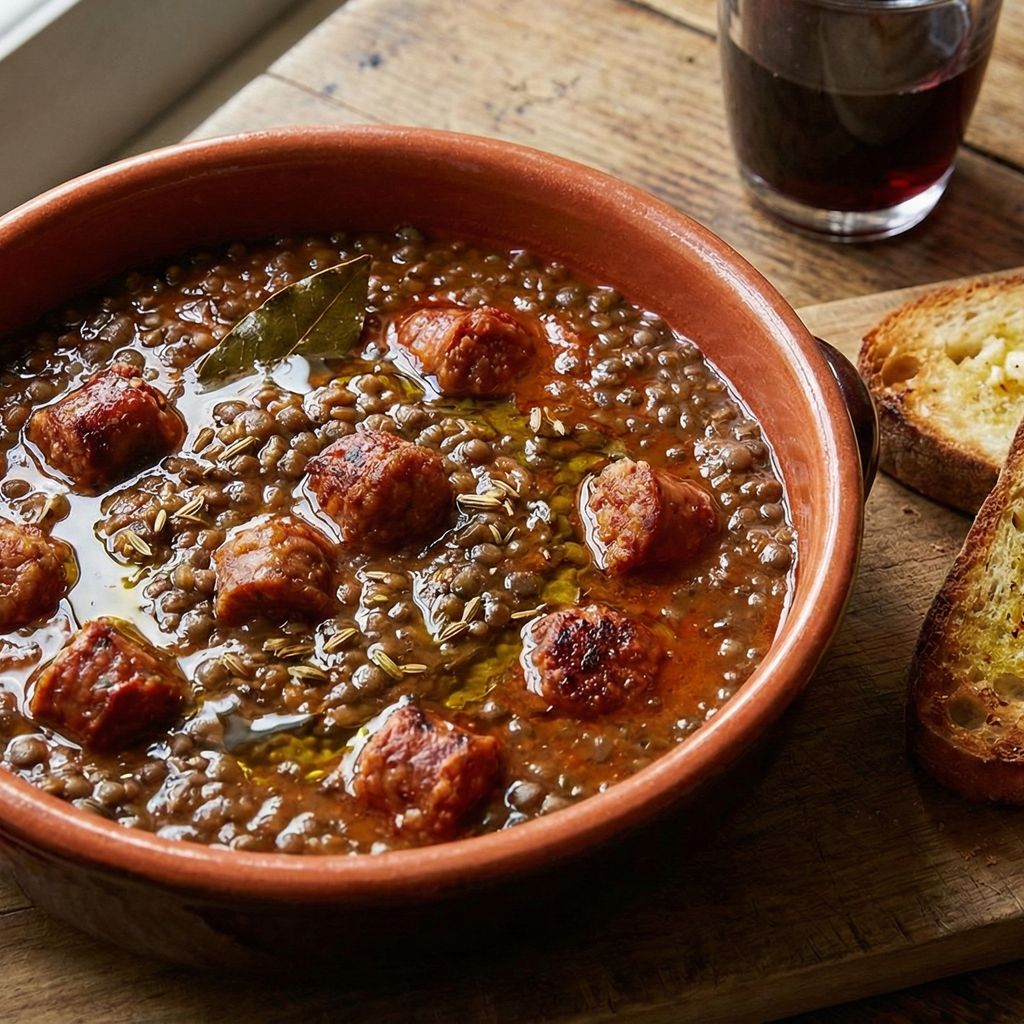
Ingredients
- 300g Dried Lentils (Small brown or green variety)
- 300g Calabrian Sausage (Mild or Spicy, containing fennel seeds) - Fresh or semi-cured
- 200g Tomato Passata or peeled tomatoes
- 1 Onion, chopped
- 1 Stick of Celery, chopped
- 1 Carrot, chopped
- 2 Bay Leaves
- Extra Virgin Olive Oil
- Fresh Calabrian Chili Pepper (if the sausage isn't spicy enough)
- Toasted Bread (for serving)
Chef's Secret: The "Salsiccia" timing. Don't boil the sausage from the start or it will lose all flavor. First, remove the casing and crumble it (or slice it into thick coins). Sauté it in the pot with the oil before adding the vegetables until it's browned and has released its spicy red oil. Then add the veggies to fry in that flavorful fat. This base (soffritto) is what makes the dish Calabrian.
Preparation Steps
- Prep: Rinse the lentils thoroughly. Check for any small stones. (Most small lentils don't need soaking, but check your package).
- The Flavor Base: In a terracotta pot or heavy Dutch oven, heat a drizzle of olive oil. Add the sausage (crumbled or sliced) and fry until browned.
- Soffritto: Add the chopped onion, carrot, and celery to the pot with the sausage. Sauté on medium heat until the onion is soft and golden (about 5–7 minutes).
- Tomatoes: Add the tomato passata and the bay leaves. Cook for another 5 minutes to concentrate the flavors.
- Simmer: Add the rinsed lentils and cover with cold water (about 3-4 fingers above the lentils). Bring to a boil, then lower the heat to a gentle simmer.
- Cook: Cover and cook for about 40–50 minutes, or until the lentils are tender but not mushy. Stir occasionally and add more hot water if the stew becomes too dry; it should be creamy, not watery.
- Rest: Season with salt only at the very end (to prevent lentils from hardening). Turn off the heat and let it rest for 10 minutes. This allows the broth to thicken naturally.
- Serve: Serve hot with a drizzle of raw olive oil and slices of toasted crusty bread (bruschetta) rubbed with garlic.
Pro Tip
For an even richer experience, some nonne add a piece of Cotica (pork rind) to the boiling water, just like with beans. The gelatin from the skin makes the broth incredibly silky.
Minestra di Talli di Zucchine e Patate (Calabrian Zucchini Shoot Summer Soup)
This dish is the epitome of Calabrian cucina povera (peasant cooking), where nothing goes to waste. "Talli" are the hollow stems and tender leaves of the zucchini plant, harvested in summer alongside the squash and flowers. Cleaning them is a labor of love, requiring the removal of fibrous outer strings. When cooked down with potatoes and fresh tomatoes, they create a sweet, creamy, comforting soup that is traditionally eaten lukewarm on hot summer days.
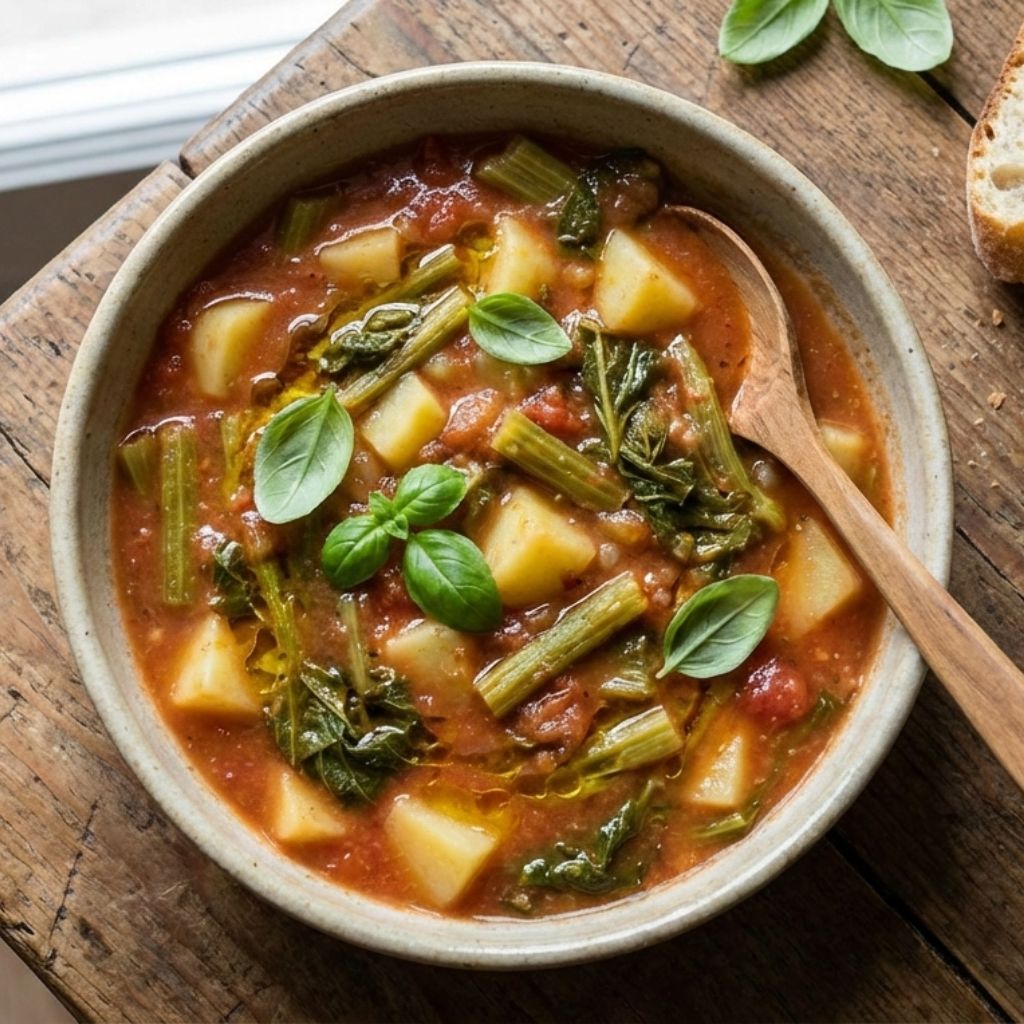
Ingredients
- 1 large bunch of Zucchini shoots/stems (Talli), with tender leaves attached
- 4 Medium Potatoes, peeled and cubed
- 400g Fresh Ripe Tomatoes (San Marzano type), chopped (or peeled tomatoes)
- 2 Cloves of Garlic, peeled and slightly crushed
- Extra Virgin Olive Oil
- A generous bunch of Fresh Basil
- Salt
- Optional: Fresh Calabrian chili pepper (for a kick)
The Nonna's Task: The cleaning is the most important part. You must take each hollow stem and snap the base, pulling upwards to strip away the tough, stringy outer filaments (similar to cleaning celery, but more delicate). If you don't do this properly, the soup will be stringy and unpleasant to eat.
Preparation Steps
- Clean the Talli: As described above, strip the filaments from all the stems. Break the cleaned stems into pieces about 4-5 cm long. Tear the larger leaves roughly. Wash everything thoroughly in cold water to remove earth.
- First Boil: Bring a large pot of salted water to a boil. Add the cubed potatoes. After about 5 minutes, add the cleaned talli (stems and leaves). Boil together for about 10–15 minutes until both are tender.
- The Flavor Base: While the vegetables boil, heat a generous drizzle of olive oil in a separate wide pot or deep skillet. Add the garlic cloves (and chili if using) and sauté until fragrant.
- Tomato Sauce: Add the chopped fresh tomatoes to the garlic oil. Season with salt and cook over medium heat for about 10 minutes until the tomatoes have softened into a rustic sauce.
- Combine: Using a slotted spoon, transfer the boiled potatoes and talli directly into the tomato sauce. Do not discard the boiling water yet.
- Simmer to Cream: Stir well. Add a ladle or two of the starchy vegetable boiling water to the pot. Cook on low heat, mashing some of the potatoes with a wooden spoon against the side of the pot. This will thicken the soup into a creamy consistency. Cook for another 15 minutes so the flavors meld.
- Finish: Turn off the heat. Remove the garlic cloves. Stir in a generous amount of hand-torn fresh basil leaves.
- Serve: This soup is best served warm or even at room temperature, with a final drizzle of raw extra virgin olive oil.
Pro Tip
This dish tastes even better the next day. It is often eaten accompanied by raw red Tropea onions (spicchi di cipolla) occasionally dipped into the soup for crunch and contrast.
Zucchine Ripiene alla Calabrese (Calabrian Stuffed Zucchini)
Completing the pantheon of Calabrian stuffed vegetables ("Ripieni"), the Zucchine Chine hold a special place on the summer table. Unlike the meat-heavy stuffed zucchini found in other regions, the traditional Calabrian version relies on a "poor" but intensely flavorful filling made from the zucchini's own sautéed pulp, stale bread, and sharp local Pecorino. They are baked until the vegetable is tender and the top is gratinéed to golden perfection.
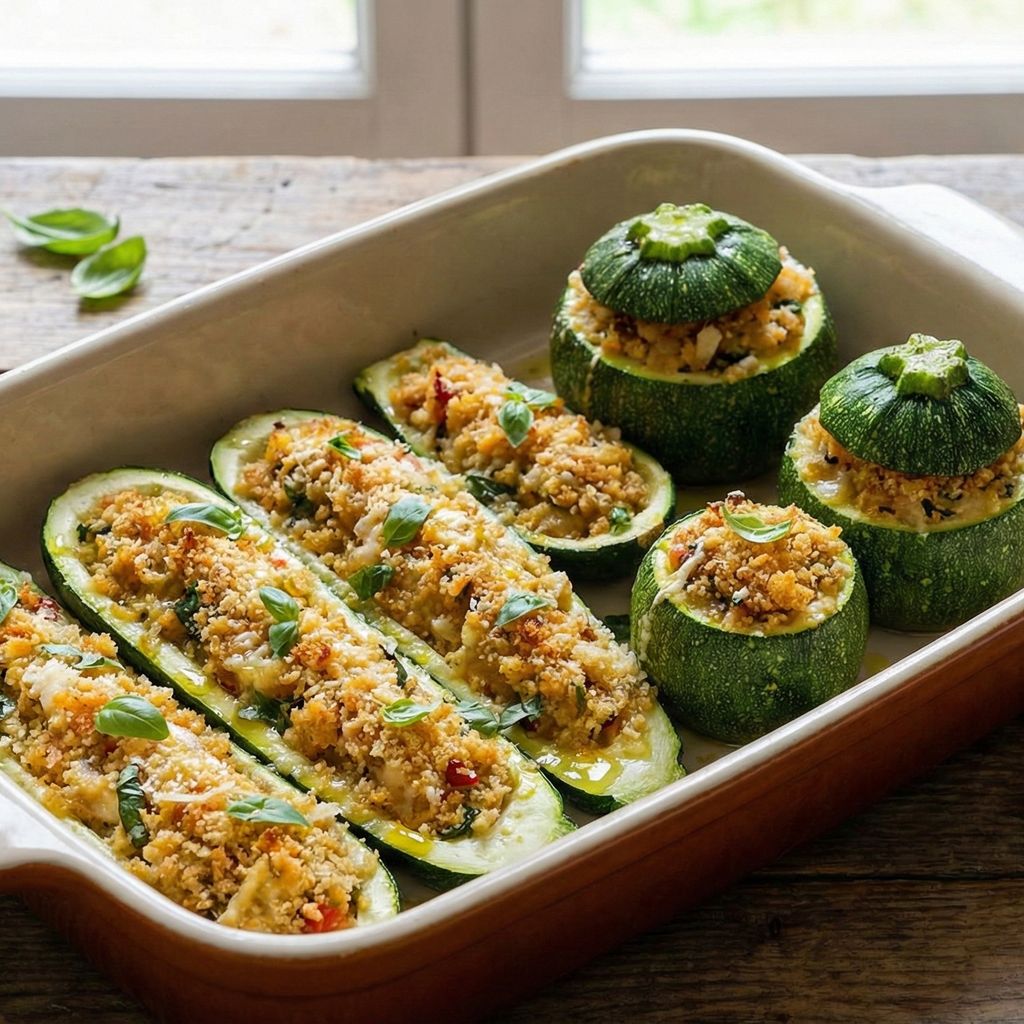
Ingredients
- 6 Medium Zucchini (short and pale variety is best) or Round Zucchini
- 150g Stale Breadcrumbs (Mollica di pane raffermo)
- 2 Eggs
- 80g Pecorino Calabrese (grated)
- 1 small Onion, finely chopped
- 1 tablespoon Salted Capers (rinsed) or 2 Anchovy fillets (optional but traditional)
- Fresh Parsley and Basil
- Extra Virgin Olive Oil
- Salt and Black Pepper
- Breadcrumbs (for topping)
Chef's Secret: The Pulp Factor. Never throw away the inside of the zucchini! It carries all the moisture and sweetness. You must sauté it with onion until it loses its water and becomes a concentrated cream. This cooked pulp is then mixed with the dry breadcrumbs to create a stuffing that stays moist inside without being soggy.
Preparation Steps
- Prepare the Shells: Wash the zucchini. If using long ones, cut them in half lengthwise (boats) or crosswise (logs). If using round ones, cut off the "cap". Scoop out the pulp using a spoon or a corer, leaving a shell of about 5mm. Reserve the pulp.
- Blanch (Optional): If the zucchini are large, blanch the empty shells in boiling salted water for 3 minutes to ensure they cook evenly. Drain upside down.
- Cook the Pulp: Chop the scooped-out pulp roughly. In a pan, sauté the chopped onion in olive oil. Add the pulp (and anchovies if using) and cook on medium heat for 10 minutes until soft and dry. Let it cool.
- The Filling: In a bowl, mix the cooked pulp, stale breadcrumbs, eggs, grated Pecorino, capers, chopped herbs, salt, and pepper. The mixture should be compact but moist.
- Stuff: Fill the zucchini shells generously with the mixture, pressing it down gently.
- Topping: Sprinkle the tops with extra dry breadcrumbs and a drizzle of olive oil to encourage browning.
- Bake: Arrange the zucchini in an oiled baking dish. Bake in a preheated oven at 180°C (350°F) for about 30–40 minutes. The top should be dark golden and crusty.
- Serve: Let them rest for at least 15 minutes before serving. Like all Calabrian stuffed vegetables, they are excellent served lukewarm.
Pro Tip
For a richer "Sunday" version, cubes of Provola Silana cheese or bits of Mortadella are added to the filling, creating a melting heart inside the crispy crust.
Nacatole (Calabrian Anise Pastry Loops)
Originating from the Aspromonte and the Grecanic area of Reggio Calabria, Nacatole are festive fried pastries with a distinct, intricate shape. The name comes from the word naca (cradle), referring to their curved, looped design which traditionally symbolized a cradle for the baby Jesus. Unlike the honey-drenched Turdilli, Nacatole are dry, crisp, and fragrant, flavored simply with anise liqueur and dusted with sugar. Making them is an art form that requires weaving the dough around a cane or fingers.
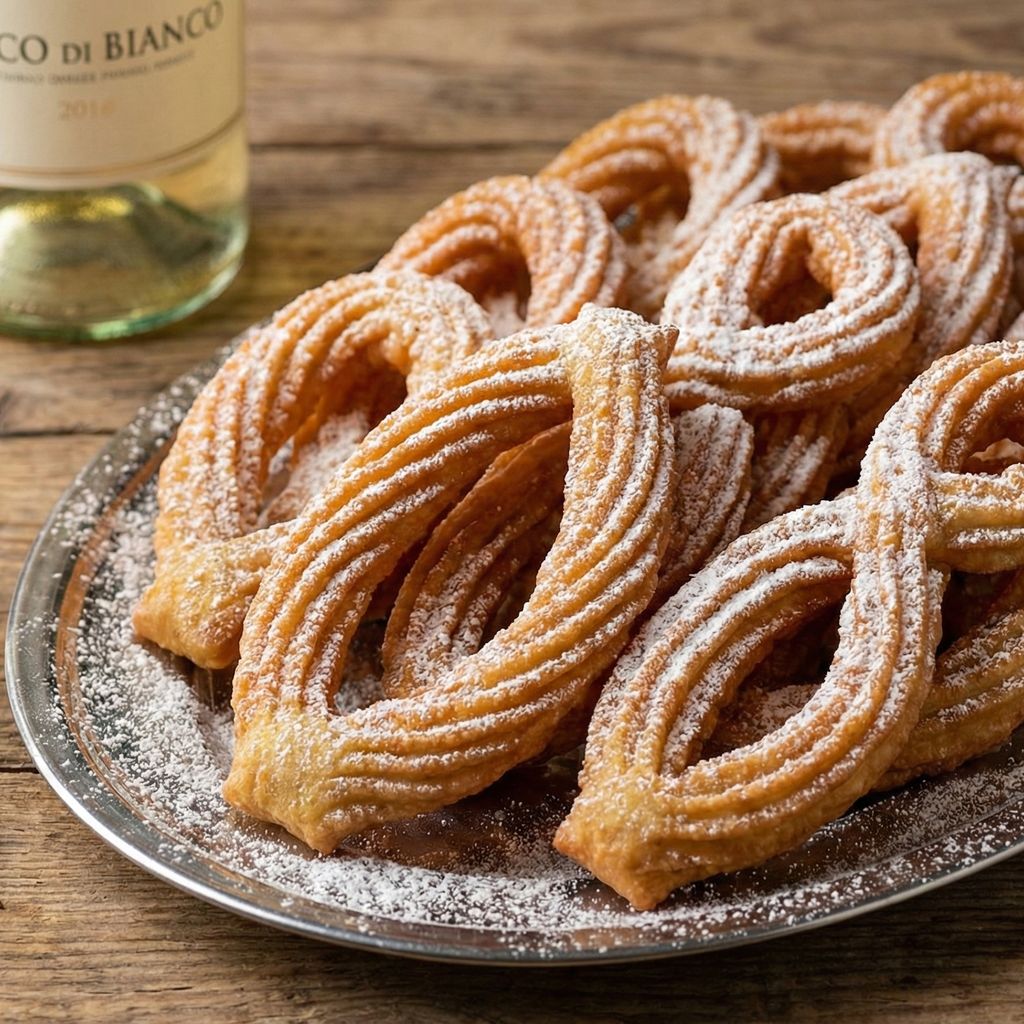
Ingredients
- 500g '00' Flour
- 3 Whole Eggs
- 150g Sugar
- 50ml Extra Virgin Olive Oil (mild) or Lard
- 1 small glass of Anise Liqueur (Anisetta or Sambuca)
- 1/2 sachet of Baking Powder (Lievito per dolci)
- Vegetable Oil (for frying)
- Icing Sugar or Granulated Sugar (for dusting)
The Weaver's Touch: The authentic Nacatola is not just a ring. The dough is rolled into a thin rope and then looped back and forth or braided to create a ribbed, intricate oval or figure-eight shape. In some villages, they use a special reed or a piece of a loom (pettine) to imprint a striped texture on the dough before frying, which helps hold the sugar.
Preparation Steps
- The Dough: In a large bowl or on a pastry board, mix the flour with the sugar and baking powder. Make a well in the center. Add the eggs, olive oil, and anise liqueur.
- Knead: Mix the ingredients thoroughly and knead for about 10–15 minutes until you have a smooth, elastic, and consistent dough. If it's too sticky, add a little flour; if too dry, a drop more liqueur. Wrap in plastic wrap and let it rest for 30 minutes.
- Shape the Ropes: Cut off small pieces of dough and roll them under your palms to create thin ropes (about 1 cm thick and 20-25 cm long).
- Create the Nacatola: This is the tricky part.
- Method A (Simple): Form a figure-eight or a simple knot.
- Method B (Traditional): pinch one end of the rope, loop the dough around your thumb and index finger to create a sort of ribbed oval frame, pressing the strands together gently so they stick but leave gaps.
- Fry: Heat the oil in a deep pan. Fry the Nacatole a few at a time. They should float and turn a light golden color (do not let them get dark brown). Turn them once.
- Drain: Lift them out and drain on paper towels to remove excess oil.
- Serve: While still warm (or once cooled), dust them generously with sugar. They are excellent with a glass of sweet Greco di Bianco wine.
Pro Tip
The anise flavor is crucial. If you want a more rustic aroma, some grandmothers simmer anise seeds in the oil used for the dough, strain it, and let it cool before mixing it with the flour.
Uova e Curcuci (Eggs with Calabrian Pork Cracklings)
This dish is a testament to the Calabrian philosophy that the pig is sacred and nothing is wasted. Curcuci are the savory, meaty sediments left behind when rendering pork fat into lard. Unlike dry crispy cracklings, Curcuci are tender and incredibly flavorful. Traditionally eaten as a hearty breakfast by farmers, today it is a beloved quick meal. The heat melts the lard around the Curcuci, frying the eggs in the pig's own flavorful fat.
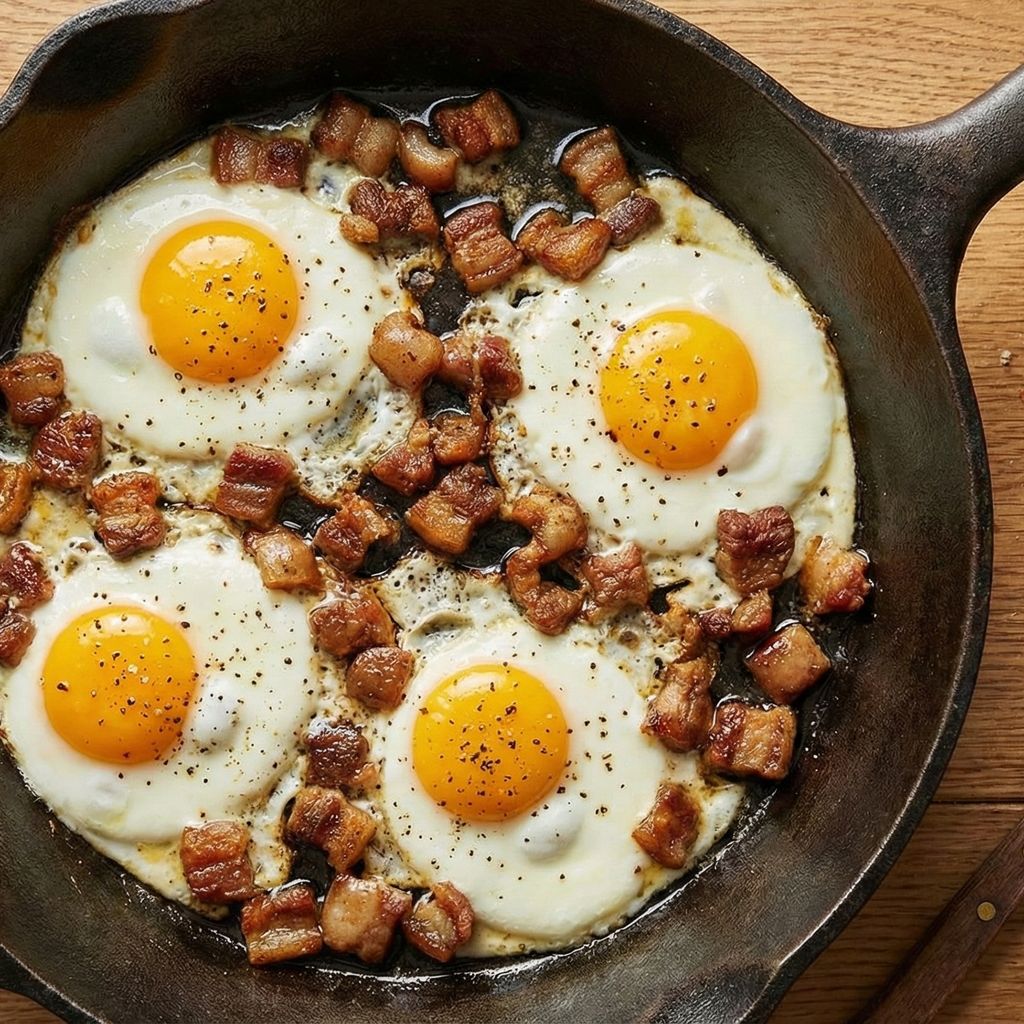
Ingredients
- 4 Fresh Eggs
- 100g Curcuci (Calabrian soft pork cracklings preserved in lard)
- Salt (use sparingly, Curcuci are tasty)
- Black Pepper (abundant)
- Slices of homemade bread (for the inevitable "scarpetta")
- Note: If you cannot find original Curcuci, you can use high-quality Pancetta or Guanciale cut into cubes, but the texture will be slightly different.
The Ritual: There is no need for oil or butter. The Curcuci bring their own cooking fat. The secret is to let them "revive" in the pan first, releasing their aroma, before introducing the eggs.
Preparation Steps
- Melt the Curcuci: Place the Curcuci in a cold frying pan (preferably iron or non-stick). Turn the heat to medium.
- Sizzle: Let them cook for 2-3 minutes. You will see the white lard surrounding them melt and become transparent oil, and the meat bits will start to sizzle and darken slightly. Do not burn them.
- The Eggs: Crack the eggs directly over the sizzling Curcuci.
- Cook: You can cook them "sunny side up" (occhio di bue) if you want to dip the bread in the yolk, or "scrambled" (strapazzate) to mix the meat evenly with the egg. The traditional way is often scrambled roughly directly in the pan.
- Season: Add a generous grind of black pepper. Taste before adding salt, as the pork is already savory.
- Serve: Serve immediately while sizzling hot, accompanied by slices of crusty bread to scoop up the mixture and the delicious rendered fat.
Pro Tip
For a "luxury" version, some locals add a spoonful of Ricotta to the pan at the very end. The contrast between the hot, salty pork fat and the cold, sweet milkiness of the ricotta is an ancient shepherd's delicacy.