
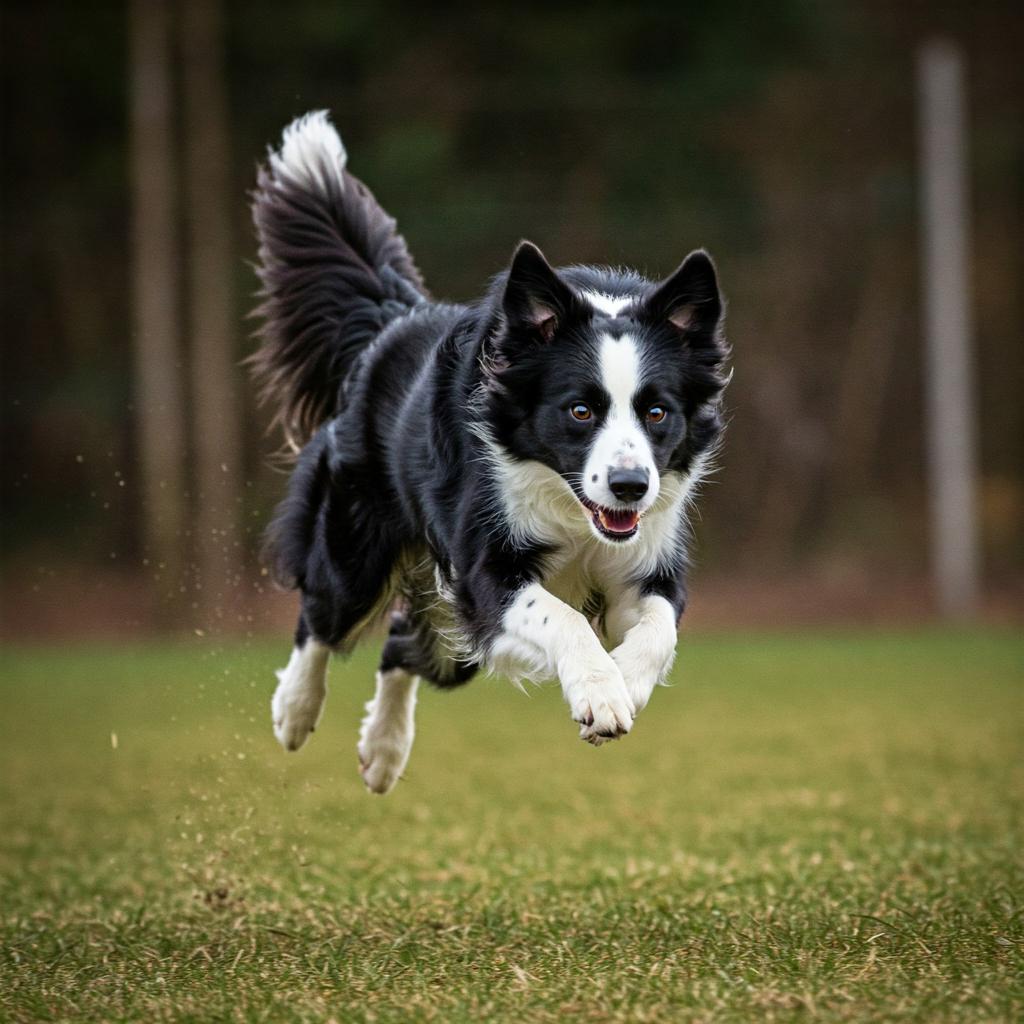
Key Characteristics of the Border Collie Breed

The origins of the Border Collie dog breed are very old, in fact traces of its existence can already be found in 16th century treatises. It was towards the end of the 18th century, when sheep-farming spread to larger and larger areas south of Scotland, that the need arose for a dog with the characteristics of the Border Collie, a dog that could control flocks of sheep.
And it is precisely on the border between Scotland and Great Britain that the origins of this dog can be found. The first part of the name ‘Border’ means border.
As for the second part of the name, ‘Collie’, its origins are very controversial. According to some, it derives from ‘coleius’ (faithful, in Welsh), according to others from ‘coley’ (black), and finally, according to a third hypothesis, from ‘colley’, a breed of Scottish sheep. In any case, this dog was selected as a working dog, to guard sheep, but also other types of flocks or herds.
Today they are also used in other activities not related to field life, but of a playful nature, such as dog agility and flyball, or in important contexts such as rescue and anti-drug, bomb and search missions. It is also a good guide dog for the blind.
This dog is still used today in flocks to control sheep. Indeed, nowadays the border collie can be considered the world's emblem of the sheepdog, both in sheepdog practice and in actual herding, it is the most widely used breed, due to its intelligence, obedience and quickness of movement.
There are two schools of thought for its breeding, one focusing on its aesthetic appearance, the other focusing mainly on its working activities. In fact, there are often phenotypic differences between the show dog and the working dog.
Character of the Border Collie dog breed
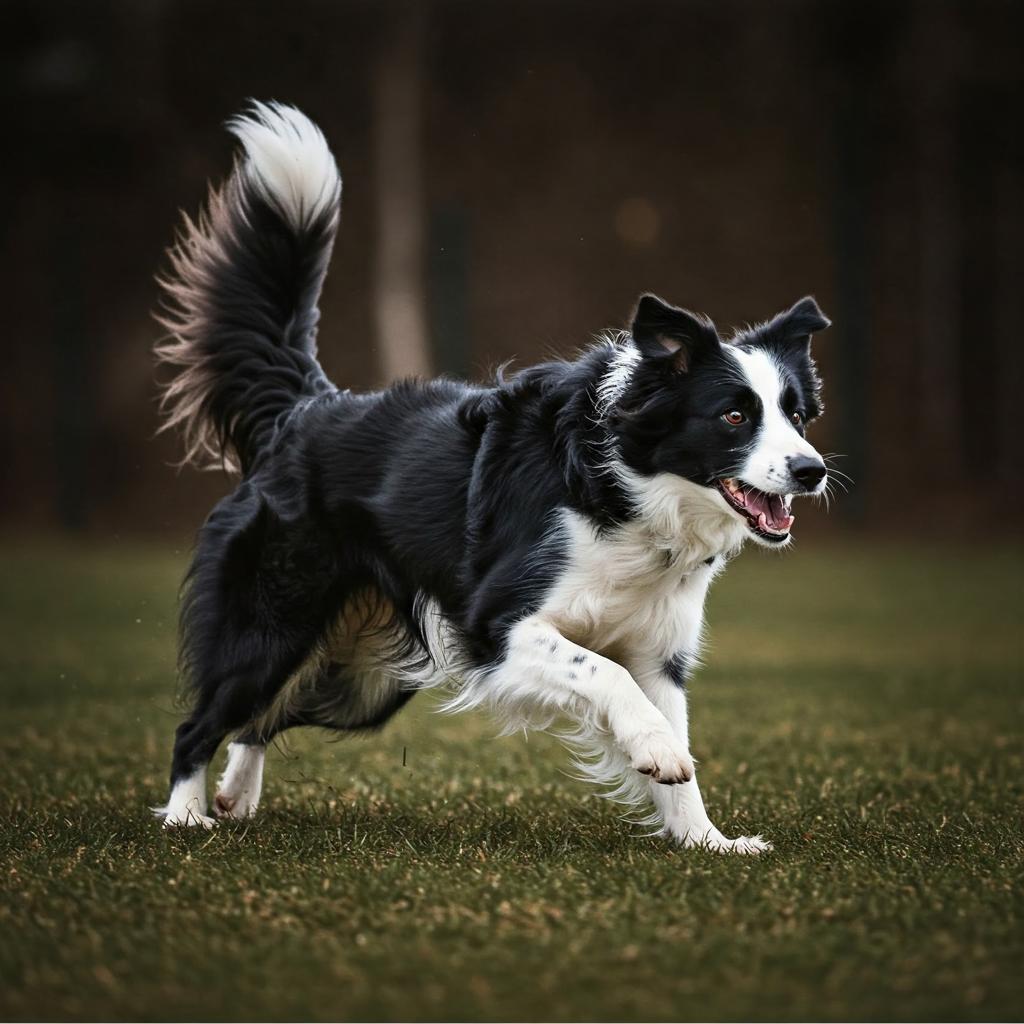
It is one of the most intelligent dogs in the world but risks becoming aggressive if not given the chance to let off steam outdoors. This is why he is best suited to life in the country, where he can work; in fact, this breed would need to keep busy all the time. It is not very well suited to living in a flat.
Because of its herding instinct, it is protective of its family and territory and is an excellent guard dog. It is easy to train because it immediately understands what is asked of it, so it is also suitable for those who are new to dogs, but it needs a great deal of attention from its owner, who must try to engage it very often, even if only by fetching a ball.
He needs a lot of movement and mental stimulation as well. In fact, according to research carried out by psychologists, it seems that his brain is as developed as that of a two-year-old child, and that he can memorise over 1,000 words in three years.
One must also consider that he is very smart and cunning, loves and protects what he holds most dear, be it a herd or a family. In obedience or agility competitions he is unrivalled. Its great energy, if not channelled in the right way, can be vented with the classic damage done in the home and it is also led to this by loneliness; it is not a dog that can be left alone for several hours a day.
This dog can set itself up as dominant and be unsociable towards other dogs, which is why it must be accustomed to their presence from puppyhood with good socialisation, which must begin very early. In this way it can also get along well with cats and other animals in the home.
If socialised from an early age he has no problems with strangers, unless he perceives danger, usually welcomes strangers with a wagging tail and above all is never aggressive.
Appearance of the Border Collie dog breed
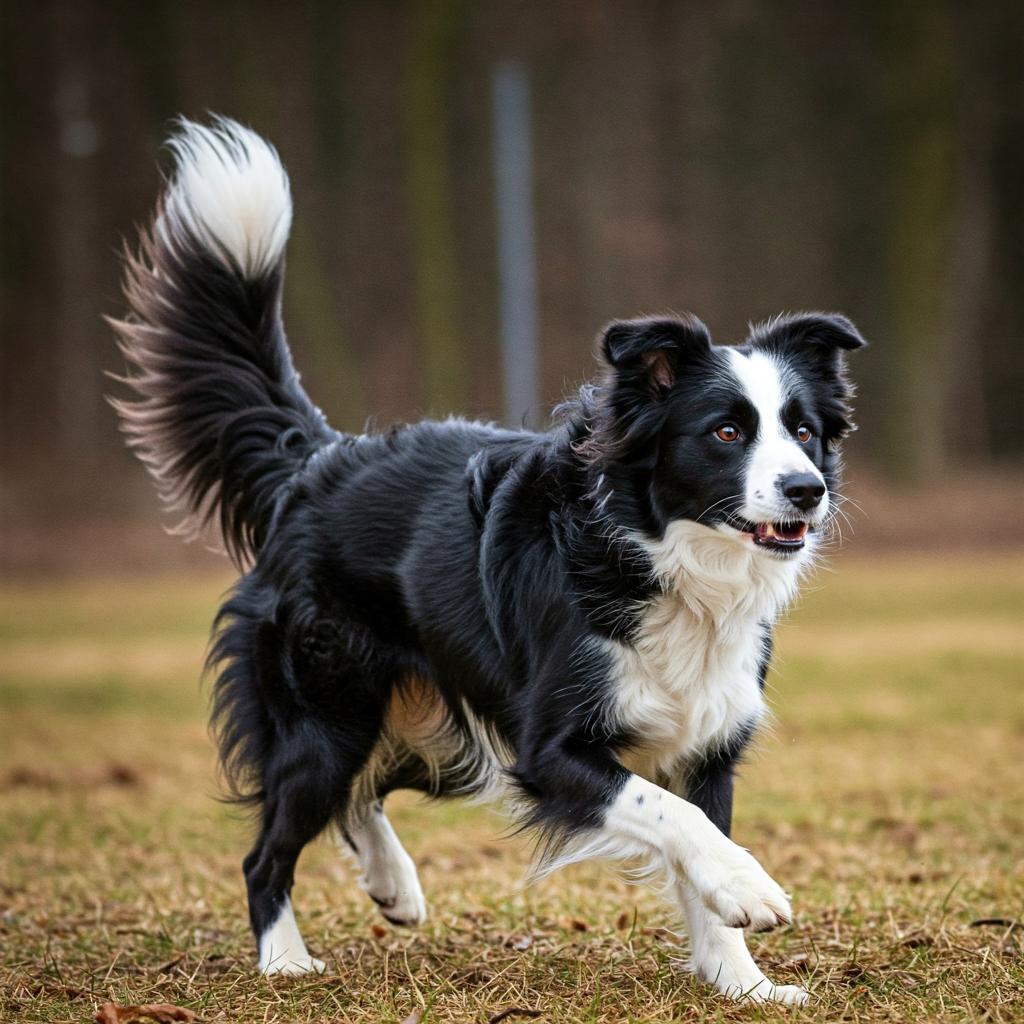
It is an agile and fast dog and also very resistant, its morphology is that of the wolfhounds. The body is slightly longer than high, the tail moderately long, attached low, well furnished with hairs, (usually longer than on the rest of the body), ending curved upwards. In action it can rise, but is never carried on its back.
The head has a broad skull and a strong muzzle, the ears are erect with the tip falling forward, the eyes are medium-sized, oval-shaped and can be of various colours depending on the coat, usually dark brown, but also hazel, amber and even blue.
The coat is short or semi-long, or even long and smooth, in any case dense and soft-textured. The colours are varied: black and white, red and white, black and grey, single-colour black and tricolour. It has a compact and dense undercoat.
Care and health of the Border Collie dog breed
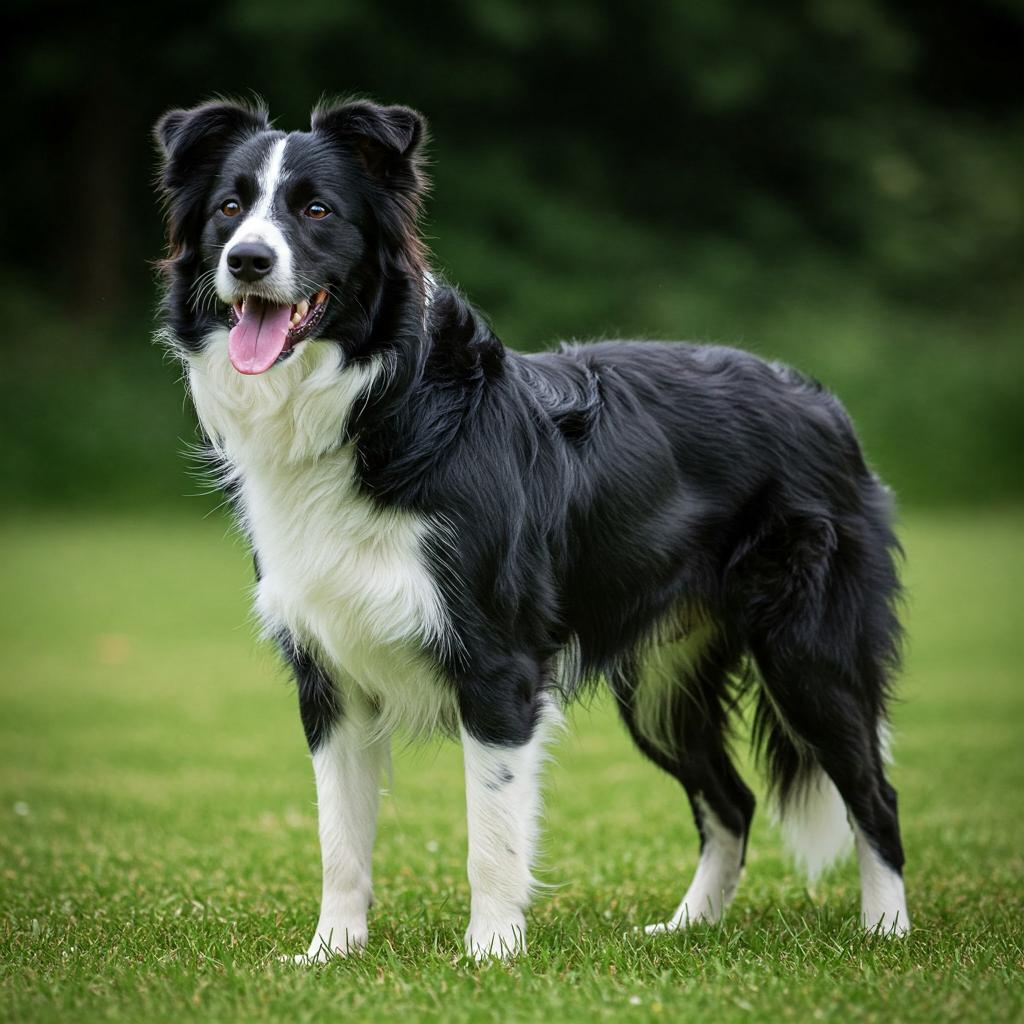
Like all dogs that have a very active temperament, the Border Collie tends to put on weight if it does not get the necessary exercise or has a very sedentary life. It must eat healthily and in a way that is balanced to its size and lifestyle.
As for the care of the coat, it is easy to maintain as long as it is brushed a couple of times a week, and more so with the long-haired ones where the coat tends to tangle a little, you have to do a little more.
The Intricate Art of Herding Training and Instinctual Development
The herding instinct represents one of the most fascinating dimensions of the Border Collie's behavioural repertoire, yet this innate capacity requires careful cultivation to manifest in its most refined form. While these dogs arrive in the world with genetic predispositions towards herding behaviour—characterised by stalking, intense visual fixation, and gathering movements—the transformation from raw instinct to polished skill demands systematic training protocols. Herding training typically commences when the dog reaches skeletal maturity, generally between ten and twelve months of age, as younger animals lack the physical resilience and cognitive development necessary for the demanding nature of livestock work.
The foundational phase of herding education involves establishing impeccable obedience skills, as commands such as "sit," "stay," "come," and "down" form the grammatical structure upon which more complex herding directives are constructed. Without this groundwork, attempts to teach specialised herding commands prove inefficient and potentially dangerous. The traditional herding lexicon includes verbal cues like "come by"—instructing the dog to move clockwise around livestock—and "away to me," which directs counterclockwise movement. These commands are frequently paired with shepherd's whistle tones, a communication method that carries across vast distances and penetrates environmental noise more effectively than shouted words.
Introducing a Border Collie to livestock follows a graduated exposure methodology. Initial contact typically involves smaller, more manageable animals such as ducks or poultry, which respond dramatically to the dog's presence yet pose minimal physical threat. These sessions remain brief—fifteen to twenty minutes at most—to prevent overwhelming either the dog or the livestock. The dog learns to maintain appropriate proximity, understanding that excessive closeness triggers panic responses in the animals, whilst excessive distance diminishes control. This spatial awareness, termed the "pressure zone," varies among different livestock species and represents a critical component of effective herding.
The progression from small poultry to sheep and eventually to cattle follows a natural hierarchy of difficulty. Sheep represent an intermediate challenge, their flocking instinct making them relatively cooperative subjects, whilst cattle present considerably greater complexity due to their size, individual temperament variations, and potential for defensive aggression. Throughout this training arc, the Border Collie's characteristic "eye"—that hypnotic, unwavering stare—becomes increasingly refined. This intense visual focus serves as the primary instrument of control, a psychological tool that communicates authority and intention without physical contact.
Contemporary training methodologies emphasise positive reinforcement techniques, rewarding correct responses with verbal praise, physical affection, or food rewards. This approach contrasts with older, punishment-based methods and proves particularly effective with the Border Collie's sensitive temperament. The breed's extraordinary intelligence occasionally presents training challenges, as these dogs readily identify inconsistencies in handler behaviour and may exploit such gaps. Consistency, therefore, emerges as paramount—every member of the household must employ identical commands and expectations to prevent confusion.
For families without access to livestock, alternative outlets for herding instincts prove essential. Dog sports such as treibball—wherein the dog "herds" large exercise balls into a goal—provide structured opportunities for instinctual expression. Similarly, herding classes offered by experienced trainers allow urban Border Collies to engage with their heritage in controlled environments. Without such outlets, the herding drive may manifest inappropriately, with dogs attempting to herd children, other pets, or even vehicles—behaviours that range from merely inconvenient to genuinely hazardous.
Nutritional Requirements and Dietary Considerations for Optimal Performance
The Border Collie's exceptional energy output and cognitive demands necessitate nutritional strategies that diverge substantially from those appropriate for more sedentary breeds. These dogs function as biological machines requiring premium fuel, and dietary composition directly influences not merely physical condition but also mental acuity, coat quality, and long-term health outcomes. Understanding the interplay between activity level, life stage, and nutritional requirements enables owners to construct feeding regimens that support vitality without promoting obesity—a condition to which the breed demonstrates susceptibility when exercise routines prove inadequate.
Protein constitutes the cornerstone of canine nutrition, serving functions that extend well beyond muscle development. Amino acids derived from protein sources support tissue repair, enzyme production, immune function, and neurological health. For a moderately active companion Border Collie—one exercising approximately two hours daily through walks and play—protein content of approximately twenty per cent proves adequate. However, working Border Collies engaged in actual farm duties or intensive sporting activities require elevated protein levels, potentially reaching twenty-five to thirty per cent of total dietary composition. The protein source matters substantially; high-quality animal proteins from chicken, beef, lamb, or fish provide complete amino acid profiles superior to plant-based alternatives.
Fat represents another critical macronutrient, serving as the most energy-dense component of the canine diet at nine calories per gram. Active Border Collies benefit from fat percentages ranging between fifteen and twenty per cent, providing sustained energy for prolonged activity whilst supporting the absorption of fat-soluble vitamins. The type of fat proves consequential—omega-3 fatty acids from fish oil support joint health, cognitive function, and maintain the lustrous coat characteristic of the breed, whilst omega-6 fatty acids contribute to skin integrity and inflammatory responses.
Carbohydrates occupy a somewhat controversial position in canine nutrition discourse. Whilst dogs possess the metabolic capacity to utilise carbohydrates for energy—having evolved alongside humans and their grain-based diets—they remain facultative carnivores with no absolute requirement for dietary carbohydrates. Nevertheless, digestible carbohydrate sources such as rice, sweet potato, and oats provide readily available energy and contribute dietary fibre that supports gastrointestinal health. The key lies in selecting high-quality carbohydrate sources whilst avoiding excessive quantities that might displace protein or promote unwanted weight gain.
Feeding frequency and portion control represent practical considerations of substantial importance. Adult Border Collies typically thrive on two meals daily, a schedule that maintains stable blood glucose levels whilst reducing gastrointestinal stress compared to single, larger meals. Puppies, with their accelerated metabolic rates and smaller gastric capacities, require three to four meals daily until approximately six months of age. Measuring food portions accurately rather than estimating prevents the insidious weight creep that accompanies even modest daily overfeeding. Many commercial foods provide feeding guidelines based on weight and activity level, though these represent starting points requiring adjustment based on individual metabolic responses.
The choice between dry kibble, wet food, raw diets, or home-prepared meals involves balancing practical considerations, nutritional completeness, and individual dog preferences. Dry kibble offers convenience, dental benefits through mechanical abrasion during chewing, and economic advantages. Wet foods provide enhanced palatability and hydration but lack the dental benefits and require refrigeration after opening. Raw diets—comprising uncooked meat, bones, organs, and vegetables—attract devoted adherents who cite improved coat condition, dental health, and digestibility, though such approaches demand meticulous planning to ensure nutritional balance and carry infection risks without proper handling protocols.
Certain health considerations may necessitate dietary modifications. Border Collies carrying the MDR1 genetic mutation—a condition affecting drug metabolism—require no specific dietary adjustments, though awareness of this condition proves crucial when selecting medications and parasitic preventatives. Dogs with food sensitivities or allergies may benefit from limited ingredient diets or novel protein sources. Senior Border Collies, typically from age eight onwards, often require caloric restriction to accommodate reduced activity levels, alongside adjustments in protein quality and supplements supporting joint health. Consulting with veterinary professionals ensures dietary strategies align with individual health status and life circumstances. The relationship between nutrition and wellbeing extends beyond mere sustenance; properly nourished Border Collies exhibit superior learning capacity, emotional stability, and physical resilience throughout their lives.
Behavioural Challenges: Understanding and Managing Separation Anxiety
Separation anxiety represents one of the most psychologically distressing conditions affecting Border Collies, manifesting when these intensely social animals face isolation from their human companions. This behavioural disorder transcends mere boredom or mischievousness, constituting a genuine panic response characterised by profound distress that may escalate to self-injurious behaviour. The prevalence of separation anxiety within the breed relates directly to their evolutionary heritage—these dogs were selectively bred to work in constant proximity to shepherds, maintaining near-continuous visual and auditory contact throughout working hours. This historical context illuminates why modern Border Collies struggle profoundly with solitude in ways that more independent breeds do not.
Recognising the clinical signs of separation anxiety proves essential for timely intervention. Affected dogs typically display distress within minutes of their owner's departure, distinguishing this condition from boredom, which develops gradually over hours. Observable symptoms include excessive vocalisation—barking, howling, or whining that commences immediately upon separation—destructive behaviour directed particularly towards exit points such as doors and windows, inappropriate elimination despite house-training, hypersalivation, pacing or restlessness, and extreme clinginess when the owner is present. Some dogs engage in self-mutilation, excessive licking leading to dermatological complications, or frantic attempts to escape confinement that may result in physical injury.
The aetiology of separation anxiety proves multifactorial. Genetic predisposition plays a role, with certain bloodlines demonstrating higher incidence rates. Early life experiences significantly influence vulnerability—puppies removed from their mothers prematurely, those experiencing abandonment or rehoming, and dogs from rescue backgrounds demonstrate elevated risk. Ironically, the intense bond that makes Border Collies such devoted companions simultaneously increases separation anxiety susceptibility. Changes in household routine, such as an owner's altered work schedule, relocation to a new residence, the addition of family members, or the loss of a companion animal, may trigger anxiety in previously stable dogs.
A 2001 research study identified that dogs residing in single-person households demonstrated 2.5 times greater likelihood of developing separation anxiety compared to those in multi-person households, suggesting that diversified social bonds provide protective effects. Interestingly, neutered or spayed dogs showed three times higher incidence than intact animals, though this correlation likely reflects confounding variables rather than direct causation. Recent genetic research has identified variations in the oxytocin receptor gene associated with separation anxiety and attachment intensity, confirming that biological factors interact with environmental conditions to determine individual vulnerability.
Management strategies commence with graduated desensitisation protocols. This systematic approach involves brief separations—initially mere seconds—paired with positive experiences such as high-value treats or engaging toys. Duration increases incrementally as the dog demonstrates comfort at each level. The objective involves teaching the dog that departures predict owner return rather than abandonment. Establishing predictable routines reduces anxiety through environmental predictability. Creating a designated safe space—perhaps a comfortable crate or quiet room equipped with familiar bedding and soothing background noise—provides a secure retreat during absences.
Physical and mental exhaustion prior to departure proves remarkably effective. A Border Collie exercised thoroughly both physically and cognitively possesses diminished energy for anxiety-driven behaviours. This might involve a vigorous morning walk combined with training exercises or puzzle toy engagement. Avoiding dramatic departure rituals prevents the creation of anxiety-triggering cues. Departing calmly without extended farewells or emotional displays reduces the salience of the leaving event. Interactive toys, particularly food-dispensing puzzles, provide distraction during early separation phases.
In severe cases, veterinary consultation becomes necessary. Anti-anxiety medications such as selective serotonin reuptake inhibitors (SSRIs) or tricyclic antidepressants may provide relief whilst behaviour modification protocols take effect. These pharmaceutical interventions work most effectively when combined with systematic behaviour modification rather than serving as standalone solutions. Consulting with certified veterinary behaviourists or applied animal behaviourists ensures comprehensive treatment plans addressing both the biological and psychological dimensions of this distressing condition. With patience, consistency, and appropriate intervention, many Border Collies learn to tolerate solitude, though expectations must remain realistic given the breed's fundamental nature as a partnership-oriented working animal.
Genetic Health Considerations and Hereditary Disease Screening
Whilst the Border Collie exhibits robust health relative to many purebred dogs, certain genetic conditions occur with sufficient frequency to warrant conscientious screening and awareness. Understanding these hereditary disorders empowers prospective owners to make informed decisions when selecting breeding stock or adopting dogs, whilst providing current owners with knowledge necessary for early detection and proactive management. Responsible breeders employ genetic testing protocols to minimise disease transmission, gradually reducing the prevalence of deleterious genes within breeding populations through selective pairing strategies.
Collie Eye Anomaly (CEA), also termed choroidal hypoplasia, represents one of the most prevalent inherited conditions affecting Border Collies and related herding breeds. This congenital disorder involves abnormal development of the choroid, retina, and sclera—structures comprising the eye's posterior segment. The condition exists on a severity spectrum. Mildly affected dogs exhibit choroidal hypoplasia—thinning of the vascular tissue layer beneath the retina—which typically produces no functional vision impairment. Severely affected individuals may develop colobomas (tissue defects), retinal detachment, or intraocular haemorrhage, potentially resulting in significant visual compromise or blindness. Symptoms manifest prior to birth, remaining stable throughout life rather than progressing, distinguishing CEA from degenerative eye diseases.
Diagnosis occurs through ophthalmoscopic examination performed by board-certified veterinary ophthalmologists, ideally when puppies reach six to eight weeks of age. This timing proves critical as later examinations may miss milder cases due to a phenomenon called "go-normal," wherein pigmentation develops over affected areas, masking the underlying pathology. Genetic testing identifies dogs carrying the CEA mutation, enabling breeders to avoid producing affected offspring. The condition follows an autosomal recessive inheritance pattern—dogs must inherit mutated genes from both parents to manifest clinical disease, whilst carriers possessing one normal and one mutated gene remain phenotypically normal but capable of transmitting the disorder.
The MDR1 (Multi-Drug Resistance 1) mutation affects the ABCB1 gene, which encodes P-glycoprotein, a cellular pump responsible for removing certain drugs and toxins from the central nervous system. Dogs carrying this mutation demonstrate heightened sensitivity to numerous medications commonly employed in veterinary medicine, including ivermectin, certain anaesthetics, chemotherapy agents, and gastrointestinal medications. Adverse reactions range from tremors, hypersalivation, and ataxia to seizures, coma, and potentially death. Fortunately, monthly heartworm preventatives containing ivermectin prove safe when administered at recommended dosages, though higher doses intended for treating other parasitic conditions may trigger toxicity.
Trapped Neutrophil Syndrome (TNS) constitutes a particularly devastating genetic condition, though its prevalence remains relatively low within the breed. This immunodeficiency disorder arises from a deletion mutation in the VPS13B gene, following an autosomal recessive inheritance pattern. Affected puppies appear normal at birth but typically remain noticeably smaller than littermates, developing recurrent bacterial infections due to neutrophil dysfunction. These infections prove difficult to control despite antibiotic therapy, and affected dogs rarely survive beyond several months of age. Genetic testing enables breeders to identify carriers, who should only be paired with dogs testing clear for the mutation.
Neuronal Ceroid Lipofuscinosis (NCL) represents another fatal genetic disorder characterised by progressive neurological deterioration. Symptoms typically emerge between fifteen and twenty months of age, including behavioural changes, cognitive decline, loss of learned behaviours, vision impairment progressing to blindness, and seizures. The condition results from the accumulation of lipofuscin within neuronal cells, causing cellular dysfunction and death. No treatment exists, and affected dogs experience drastically reduced lifespans. Genetic testing allows breeders to avoid producing affected puppies through informed mate selection.
Hip dysplasia, whilst less prevalent in Border Collies than in many large breeds, nevertheless occurs with sufficient frequency to warrant screening. This orthopaedic condition involves malformation of the hip joint, wherein the femoral head fails to articulate properly with the acetabulum. Over time, this malformation produces chronic inflammation, cartilage degradation, and osteoarthritis, resulting in pain, lameness, and reduced mobility. Environmental factors including rapid growth rates, excessive exercise during puppyhood, and obesity exacerbate genetic predispositions. Radiographic evaluation through organisations such as the Orthopaedic Foundation for Animals (OFA) or PennHIP enables breeders to select against severely affected individuals.
Progressive Retinal Atrophy (PRA) encompasses several inherited retinal degenerative diseases causing gradual vision loss culminating in blindness. Unlike CEA, which remains stable, PRA progresses inexorably. Initial symptoms include night blindness and reluctance to navigate in dim lighting, advancing to complete vision loss. Genetic testing identifies carriers of specific PRA mutations, allowing breeders to make informed decisions. Epilepsy occurs in Border Collies with concerning frequency, manifesting as recurrent seizures without identifiable structural brain abnormalities. Whilst genetic components are suspected, the inheritance pattern remains incompletely understood, complicating breeding decisions. Responsible breeding practices, emphasising health testing over aesthetic considerations, gradually reduce genetic disease burden within the breed. Prospective owners should request documentation of parental health screenings, ensuring puppies receive the best possible genetic foundation for long, healthy lives.
Comparative Analysis: Border Collie Versus Australian Shepherd
The Border Collie and Australian Shepherd occupy remarkably similar ecological niches within the canine world, both serving as premier herding breeds celebrated for intelligence, athleticism, and devotion. Their superficial resemblance frequently confounds casual observers, and indeed, these breeds share considerable genetic heritage. Yet beneath apparent similarities lie meaningful distinctions in temperament, physical characteristics, training requirements, and suitability for different household contexts. Understanding these nuances enables prospective owners to select the breed better aligned with their lifestyle, capabilities, and expectations.
Historical origins provide foundational context for breed differences. The Border Collie emerged along the Anglo-Scottish border during the late eighteenth and early nineteenth centuries, refined through selective breeding prioritising working ability over appearance. These dogs descended from Roman herding dogs crossed with Viking spitz-type breeds, creating animals of extraordinary intelligence and herding prowess. The Australian Shepherd's nomenclature misleads; despite its name, the breed developed in the western United States during the nineteenth century. Spanish and European settlers brought herding dogs—likely including Pyrenean Shepherds, German Shepherds, and various collie types—which were selectively bred for the demanding conditions of American ranching. The "Australian" designation possibly derives from Merino sheep imported from Australia or from the merle coat pattern common in dogs arriving from that continent.
Physically, subtle differences distinguish the breeds. Border Collies exhibit a leaner, more athletic build, typically weighing between 30 and 45 pounds with heights ranging from 18 to 22 inches at the shoulder. Australian Shepherds demonstrate more substantial musculature, weighing 40 to 65 pounds and standing 18 to 23 inches tall. Coat characteristics differ as well—whilst both possess weather-resistant double coats, Border Collies may exhibit either rough (medium-length) or smooth (short) coat varieties, whereas Australian Shepherds consistently present medium-length fur with characteristic feathering on legs and tail. Colour palette varies considerably; Border Collies express an extensive range including black, red, blue, lilac, sable, and numerous combinations, whilst Australian Shepherds typically display black, red, blue merle, or red merle with white and copper markings. Eye colour provides another distinguishing feature—Border Collies predominately possess brown eyes, occasionally blue in merle individuals, whilst Australian Shepherds commonly exhibit blue eyes, heterochromia (two different coloured eyes), or marbled iris patterns regardless of coat colour.
Tail structure presents an immediately apparent difference. Border Collies invariably possess full, bushy tails carried low with an upward curve during activity. Australian Shepherds may be born with naturally bobbed tails, or historically, tails were surgically docked—a practice increasingly controversial and prohibited in numerous jurisdictions. Ear carriage differs subtly; Border Collies typically display semi-erect ears with tips folding forward, whilst Australian Shepherds possess triangular ears with more pronounced folding.
Temperamental distinctions emerge more gradually through ownership experience. Border Collies epitomise intensity and focus, their laser-like concentration and task-driven nature bordering on obsessive. These dogs bond deeply with a primary handler, often exhibiting reserve or suspicion towards strangers. Their herding style emphasises "strong eye"—that hypnotic stare—combined with stalking behaviour and minimal vocalisation. Australian Shepherds, whilst equally intelligent and energetic, demonstrate a more socially gregarious temperament. They typically exhibit friendliness towards unfamiliar people and adapt more readily to multi-person households. Their herding methodology relies less on intense visual pressure and more on driving behaviour, often accompanied by barking.
Training responsiveness presents another comparative dimension. Border Collies' extraordinary intelligence renders them the fastest learners in the canine world, capable of mastering complex command sequences with minimal repetition. However, this cognitive capacity proves a double-edged sword—these dogs identify inconsistencies in training methodology and may exploit them, requiring handlers maintain impeccable consistency. Australian Shepherds, whilst ranking among the most trainable breeds, demonstrate slightly less intense focus during training sessions, approaching learning with enthusiasm rather than obsessive precision. Both breeds thrive on positive reinforcement methodologies and wilt under harsh correction, their sensitivity making punishment counterproductive.
Exercise requirements, whilst substantial for both breeds, manifest differently. Border Collies demand not merely physical exertion but purposeful activity that engages their herding instincts and problem-solving capacities. A Border Collie completing a two-hour walk may remain mentally unsatisfied without additional cognitive challenges. Australian Shepherds require equivalent exercise duration but may derive greater satisfaction from varied activities that emphasise social interaction alongside physical output. Both breeds excel in dog sports—agility, flyball, disc dog, rally obedience—though Border Collies dominate competitive herding trials through their superior focus and precision.
Family suitability considerations reveal meaningful distinctions. Australian Shepherds generally adapt more successfully to households with young children, their gregarious nature and slightly less intense disposition facilitating integration into chaotic family environments. Border Collies, whilst capable of coexisting successfully with children, may attempt to herd them—nipping at heels or circling—and their sensitivity to noise and commotion may prove challenging in boisterous households. Both breeds require early socialisation and consistent training to develop into well-adjusted family members, though the Australian Shepherd's innate sociability provides a marginally larger margin for error. Neither breed tolerates extended solitude well, both being predisposed to separation anxiety and destructive behaviour when understimulated. Ultimately, the decision between these magnificent breeds hinges upon subtle preferences regarding intensity level, social orientation, and the specific qualities one values in the human-canine partnership. Both represent extraordinary commitments, rewarding dedicated owners with unparalleled loyalty, intelligence, and companionship.
Mental Stimulation and Enrichment: Preventing Boredom-Induced Behavioural Problems
The Border Collie's exceptional cognitive capacity, whilst representing one of the breed's most celebrated attributes, simultaneously constitutes a management challenge of considerable magnitude. Research suggests these dogs possess problem-solving abilities equivalent to a human toddler of approximately two years, with documented capacity to learn and differentiate over one thousand words. This remarkable intelligence, coupled with boundless energy reserves, creates a compelling requirement for mental stimulation that rivals and perhaps exceeds physical exercise demands. Inadequately challenged Border Collies inevitably resort to self-directed employment, manifesting in behaviours ranging from mildly inconvenient to genuinely destructive.
Understanding the neurobiological basis for this requirement illuminates why traditional exercise alone proves insufficient. Physical activity exhausts muscles but leaves the Border Collie's analytical mind underemployed. These dogs were selectively bred to make independent decisions whilst herding, evaluating complex, dynamic situations involving multiple variables—livestock temperament, terrain features, weather conditions, handler signals. The neurological pathways supporting such cognitive work demand activation regardless of whether the dog engages in actual herding. Without appropriate outlets, this mental energy redirects towards undesirable activities: obsessive behaviours such as light-chasing or shadow-stalking, destructive chewing, excessive barking, or attempting to herd inappropriate targets including vehicles, children, or other pets.
Puzzle toys represent one of the most effective enrichment modalities for cognitively gifted breeds. These devices challenge dogs to manipulate objects—sliding panels, lifting flaps, rotating components—to access concealed treats. Complexity levels range from elementary designs suitable for novices to extraordinarily challenging configurations that may occupy even veteran puzzle-solvers for extended periods. The optimal approach involves maintaining a varied collection of puzzles at different difficulty levels, rotating them regularly to sustain novelty and prevent mastery-induced boredom. Dogs learning puzzle mechanics benefit from initial guidance—demonstrating the basic manipulation required—followed by allowing independent problem-solving.
Food-dispensing toys extend meal duration whilst engaging natural foraging instincts. Rather than consuming meals from a static bowl—a process lasting mere seconds—food-dispensing toys require the dog to manipulate the device through rolling, pawing, or nosing to release kibble incrementally. This approach transforms feeding into an extended cognitive challenge whilst simultaneously reducing gulping behaviour that may contribute to gastrointestinal distress. Frozen food-dispensing toys provide enhanced challenge and duration, particularly beneficial during warm weather as they simultaneously provide cooling relief.
Scent work activities tap into the canine olfactory prowess whilst providing profound mental engagement. Simple "find it" games commence with the dog observing treat placement in obvious locations, progressively advancing to concealed positions requiring systematic searching. More sophisticated scent work involves teaching the dog to identify specific target odours, potentially progressing to formal nosework training modelled after detection dog methodologies. These activities prove particularly valuable for elderly or mobility-impaired Border Collies unable to engage in vigorous physical exercise, as scent work provides cognitive challenge with minimal physical demands.
Snuffle mats—fabric devices constructed with numerous fabric strips creating a dense, grassy-textured surface—simulate foraging experiences. Treats or kibble scattered throughout the mat require methodical nose work to locate and extract, providing extended low-arousal entertainment. These devices prove especially beneficial for dogs requiring calming activities, as the repetitive sniffing and licking behaviours promote parasympathetic nervous system activation, reducing stress and promoting relaxation.
Training sessions constitute premium mental enrichment opportunities. Rather than viewing training as a discrete activity completed during puppyhood, incorporating ongoing trick training, obedience refinement, or novel skill acquisition into daily routines provides cognitive challenges whilst strengthening the human-canine bond. Border Collies enthusiastically master an astonishing repertoire of behaviours—from basic commands through complex behaviour chains involving multiple sequential actions. Training sessions should remain brief—ten to fifteen minutes—to maintain engagement, with multiple sessions distributed throughout the day proving more effective than single extended periods.
Environmental enrichment through novel experiences provides invaluable stimulation. Exploring varied environments—different parks, hiking trails, urban settings—exposes the dog to novel sensory experiences: unfamiliar scents, surfaces, sounds, and visual stimuli. These outings simultaneously provide physical exercise and profound mental engagement as the dog processes novel information. Socialisation opportunities with unfamiliar dogs and people contribute to emotional wellbeing alongside cognitive stimulation.
Creating "job" opportunities channels the Border Collie's work drive productively. This might involve teaching the dog to retrieve specific objects on command, carry items between family members, or participate in household routines such as helping to collect laundry or fetch the newspaper. Whilst these tasks may appear trivial, they provide the Border Collie with a sense of purpose—that elusive quality their breeding demands. Dog sports including agility, flyball, disc dog, rally obedience, or treibball provide structured outlets combining physical exertion with cognitive challenge in ways that satisfy the breed's fundamental need for purposeful activity.
The principle underlying successful enrichment involves variety, novelty, and appropriate challenge level. Activities neither too simple nor excessively frustrating maintain optimal engagement. Observing individual preferences enables customisation—some Border Collies demonstrate pronounced enthusiasm for puzzle toys, others prefer interactive games with their owners, whilst some find greatest satisfaction in scent work activities. A comprehensive enrichment programme incorporates diverse modalities, preventing habituation whilst ensuring cognitive needs receive consistent attention. The investment in mental stimulation yields substantial dividends: a calm, satisfied Border Collie who rests contentedly rather than seeking self-directed employment in the form of undesirable behaviours. In essence, a mentally exhausted Border Collie proves a peaceful companion, their formidable intellect channelled towards approved activities rather than creative mischief.
Important Considerations for Prospective Owners
The decision to welcome a Border Collie into one's household represents a commitment of profound magnitude, one requiring careful consideration extending well beyond the breed's undeniable aesthetic appeal and celebrated intelligence. Whilst these remarkable animals offer unparalleled companionship, loyalty, and cognitive engagement to suitable owners, they simultaneously demand lifestyle accommodations that many prospective owners underestimate. The unfortunate reality reflected in rescue organisation statistics reveals that Border Collies experience relinquishment at concerning rates, frequently due to owner unpreparedness for the breed's intensive requirements. Honest self-assessment regarding lifestyle compatibility, temporal availability, financial capacity, and long-term commitment proves essential before acquiring one of these extraordinary dogs.
Time commitment constitutes perhaps the most substantial consideration. Border Collies require a minimum of two hours daily dedicated to physical exercise and mental stimulation combined, though many individuals demand considerably more. This commitment proves non-negotiable; occasional lapses may be tolerated, but consistent inadequacy produces a deeply unhappy, behaviourally problematic dog. The exercise must incorporate variety and purpose rather than consisting merely of repetitive walks around the neighbourhood. Prospective owners working extended hours, travelling frequently for professional obligations, or possessing limited leisure time should seriously question their suitability for this breed. The Border Collie thrives alongside active individuals or families who view the dog's exercise requirements not as burdensome obligation but as welcome opportunity for shared outdoor pursuits.
Living environment significantly influences success. Whilst Border Collies can theoretically adapt to apartment dwelling, such arrangements prove viable only when owners commit absolutely to extensive daily outings and enrichment activities. These dogs evolved to work across vast pastoral landscapes, and their biological imperatives remain unchanged by urbanisation. Ideally, a Border Collie inhabits a home with secure outdoor space—a substantial garden or yard—where they can engage in vigorous play, patrol their territory, and decompress from the stimuli of walks. Fencing requires particular attention; Border Collies demonstrate remarkable athleticism and problem-solving capacity, making them capable escape artists who may clear fences exceeding five feet in height or excavate beneath inadequate barriers.
Experience level merits consideration, though first-time dog owners possessing dedication and willingness to invest in professional training assistance can certainly succeed. However, the Border Collie's intelligence and sensitivity render them ill-suited to inconsistent or harsh training methodologies. These dogs require handlers willing to educate themselves regarding positive reinforcement techniques, canine behaviour principles, and breed-specific management strategies. Participation in puppy socialisation classes, basic obedience training, and potentially advanced classes in agility or other dog sports provides structure and guidance invaluable to novice owners.
Financial capacity extends beyond the initial acquisition cost. Whilst purchase prices vary substantially—ranging from several hundred to several thousand pounds depending upon lineage and breeding quality—ongoing expenses accumulate considerably. High-quality nutrition appropriate to the breed's energy demands, routine veterinary care including vaccinations and preventative medications, emergency medical reserves for unexpected injuries or illnesses, grooming supplies, training equipment, toys and enrichment materials, and potentially professional training or behaviour consultation services represent recurring expenses. Prospective owners should budget conservatively, recognising that responsible dog ownership involves financial obligations extending throughout the animal's lifespan, potentially fifteen years or longer.
Household composition influences suitability. Families with young children may find Border Collies' herding instincts challenging, as these dogs frequently attempt to control juvenile human movement through nipping or circling behaviours. Whilst proper training and socialisation mitigate these tendencies, the breed generally integrates more successfully into households with older, calmer children capable of understanding and respecting the dog's needs. Multi-pet households require careful management, as Border Collies may exhibit predatory drive towards smaller animals or dominance behaviours towards other dogs without appropriate socialisation.
Health considerations, detailed extensively in preceding sections, warrant reflection. Prospective owners should select dogs from health-tested breeding stock, request documentation of parental screening for genetic conditions including hip dysplasia, Collie Eye Anomaly, and MDR1 mutation status. Reputable breeders prioritise health over aesthetics, maintain transparent communication regarding lineage health histories, and provide ongoing support to puppy purchasers. Alternatively, adopting adult Border Collies through breed-specific rescue organisations offers the opportunity to provide homes to dogs in need, with the advantage that adult temperaments are fully established, reducing uncertainty regarding adult personality and drive level.
The prospective owner must honestly evaluate their motivations. Selecting a Border Collie because of their reputation as "the most intelligent breed" or their striking appearance, without comprehending the profound lifestyle implications of that intelligence and energy, sets the stage for mutual frustration and ultimate failure. These dogs demand not merely accommodation but genuine enthusiasm for their intensive needs. They reward committed owners with unmatched devotion, extraordinary trainability, and the profound satisfaction of partnership with one of the most cognitively sophisticated animals in the canine world. However, they simultaneously extract a price measured in time, energy, patience, and flexibility. Those willing and able to pay that price discover in the Border Collie a companion of unparalleled quality; those unable or unwilling to do so should direct their attention towards breeds better suited to less demanding lifestyles. The decision requires brutal honesty regarding one's genuine capacity and willingness to prioritise the dog's needs consistently throughout the animal's lifetime, recognising that the commitment extends well beyond the initial enthusiasm of acquisition into the routine realities of daily life spanning years or decades.