Madonnina Glacier - Pistoia Mountain Ecomuseum

Have you ever wondered how ice was produced before the advent around the 1920s of the refrigerator? I was fortunate enough to be able to visit one of the places where ice was produced and hear about those times directly from locals whose parents and grandparents had worked at these sites.
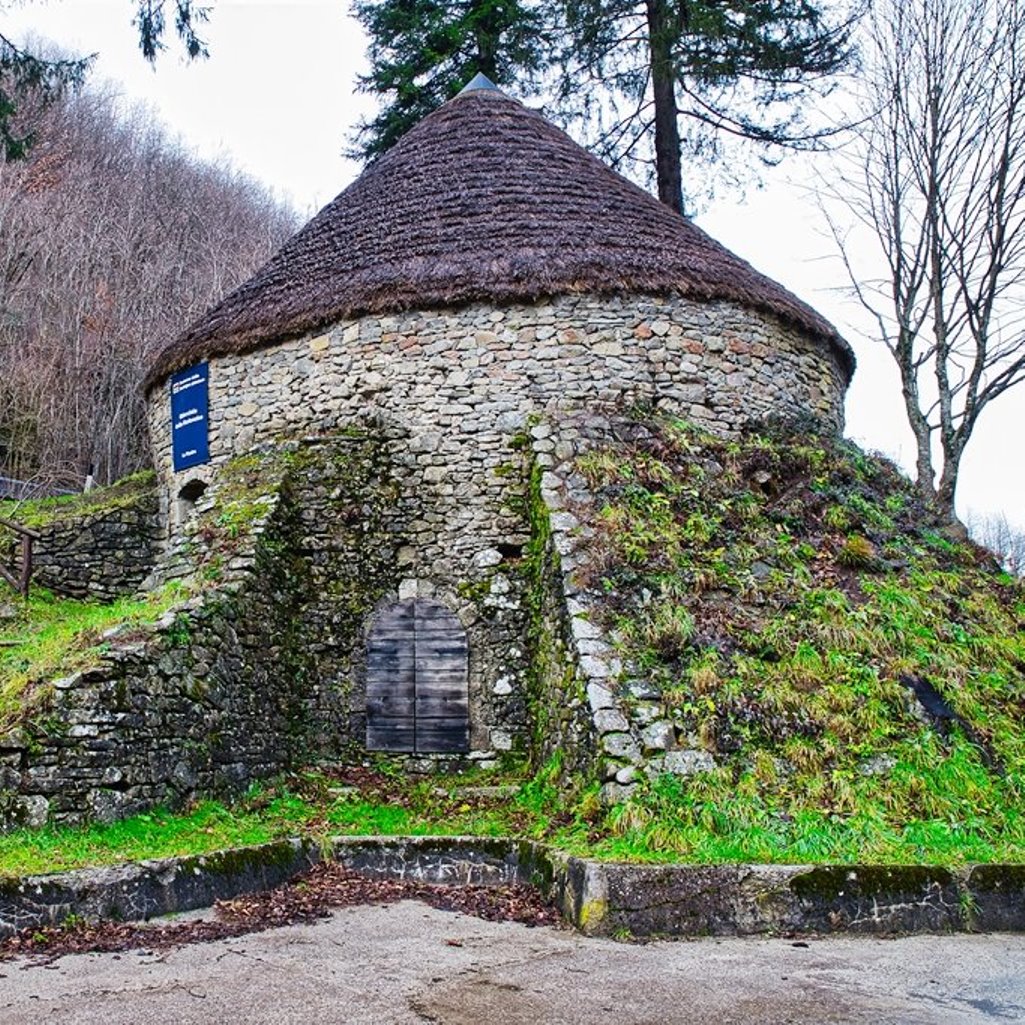
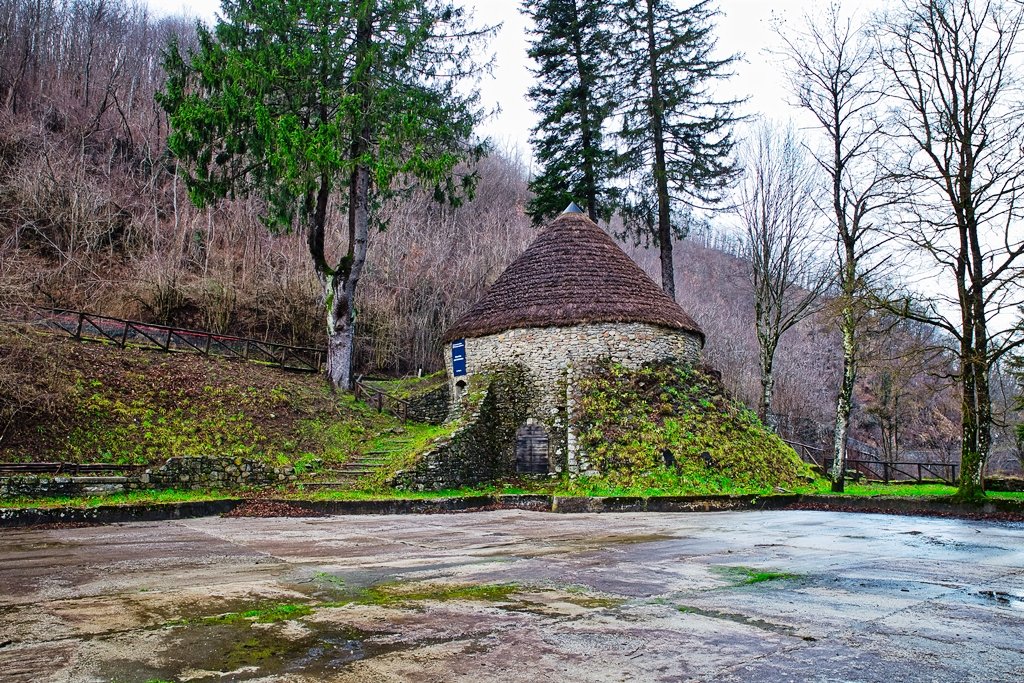
In fact, in the Pistoia Apennines, there is a place called the ‘old Reno icehouses’ or ‘Madonnina icehouses’, so called because of the small statue of the Madonna and Child located in a niche in the main building.
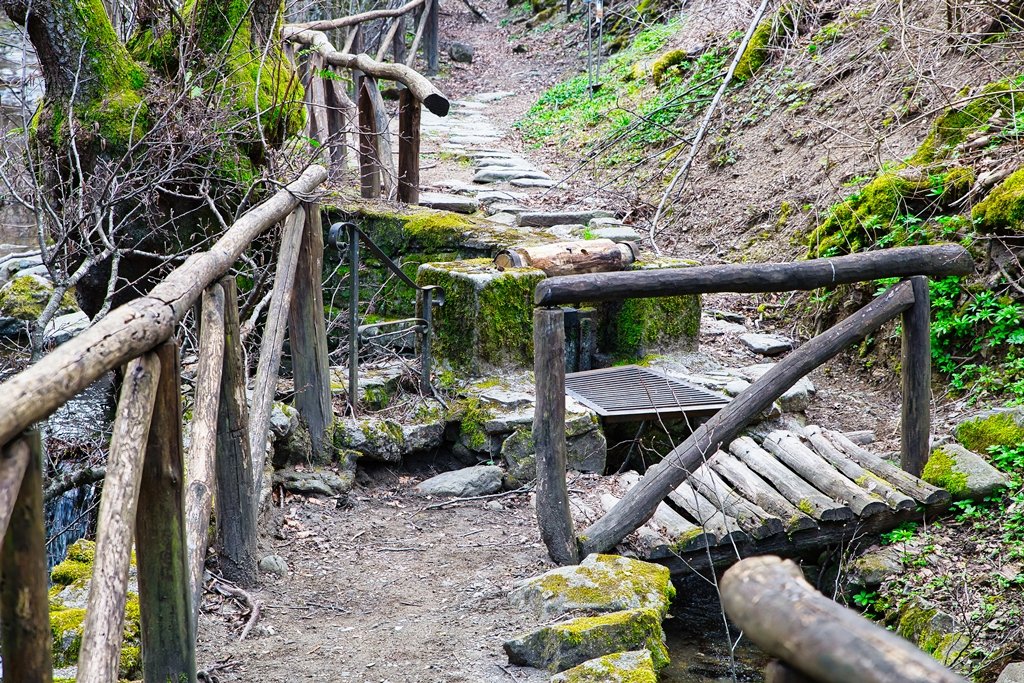
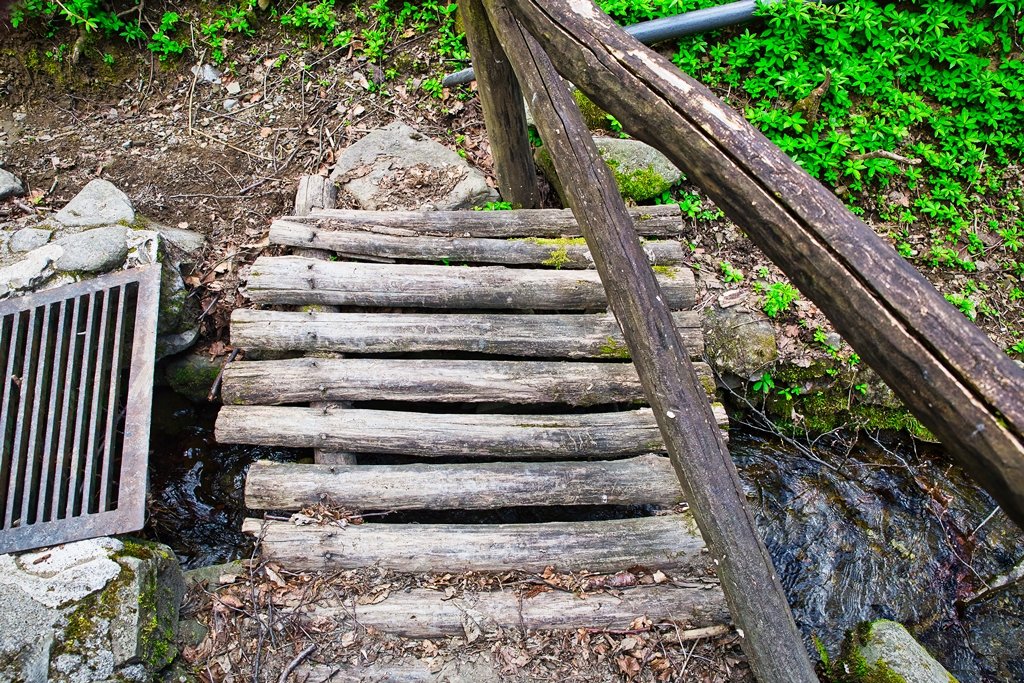
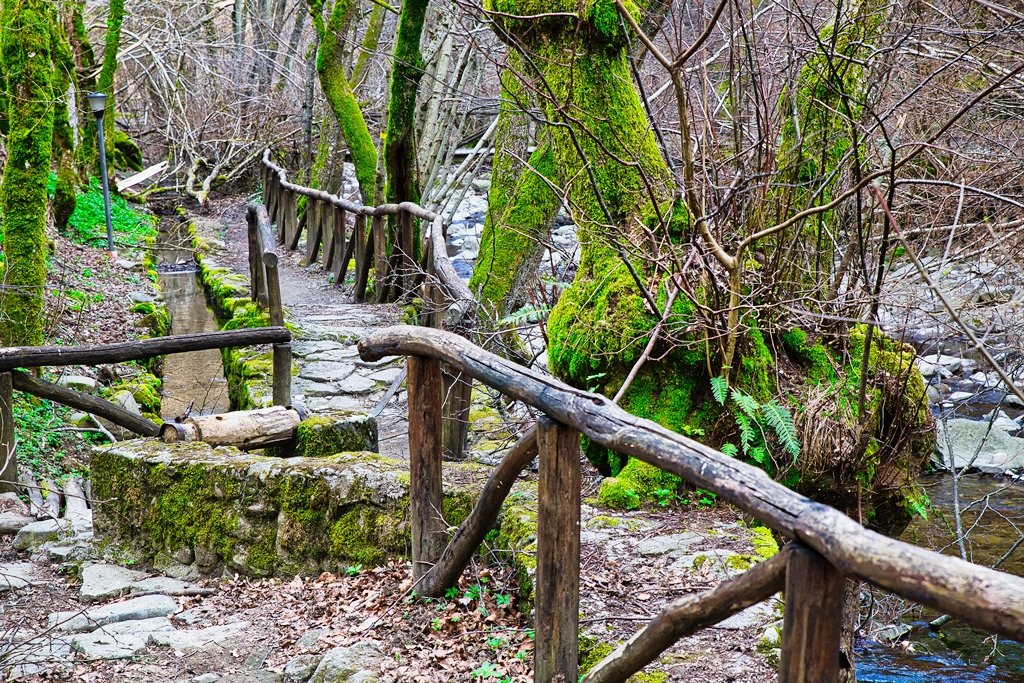
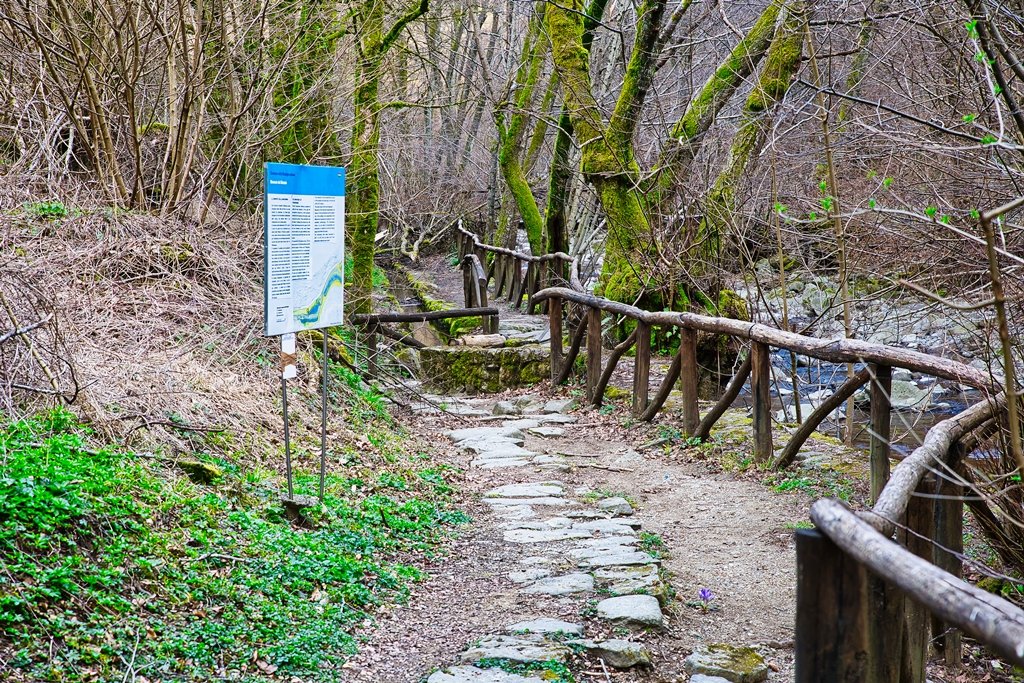
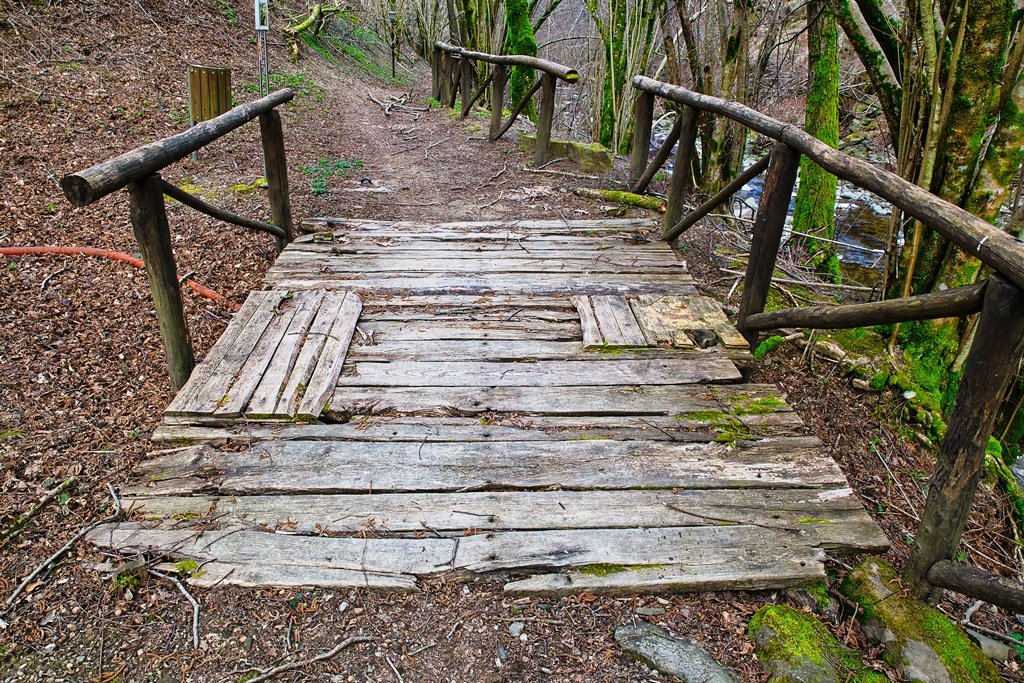
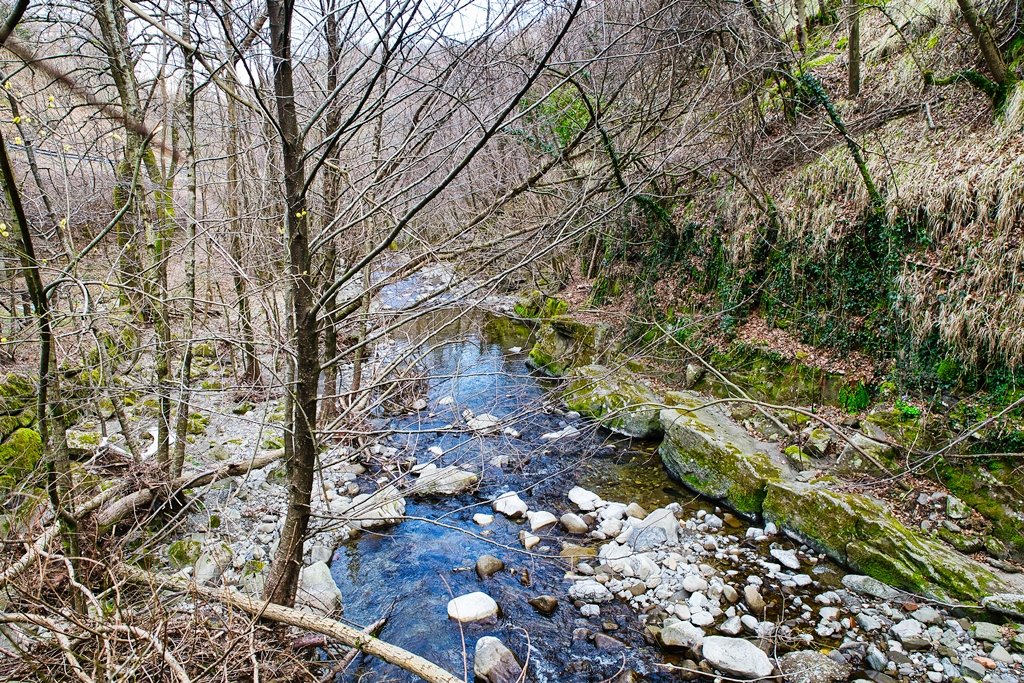
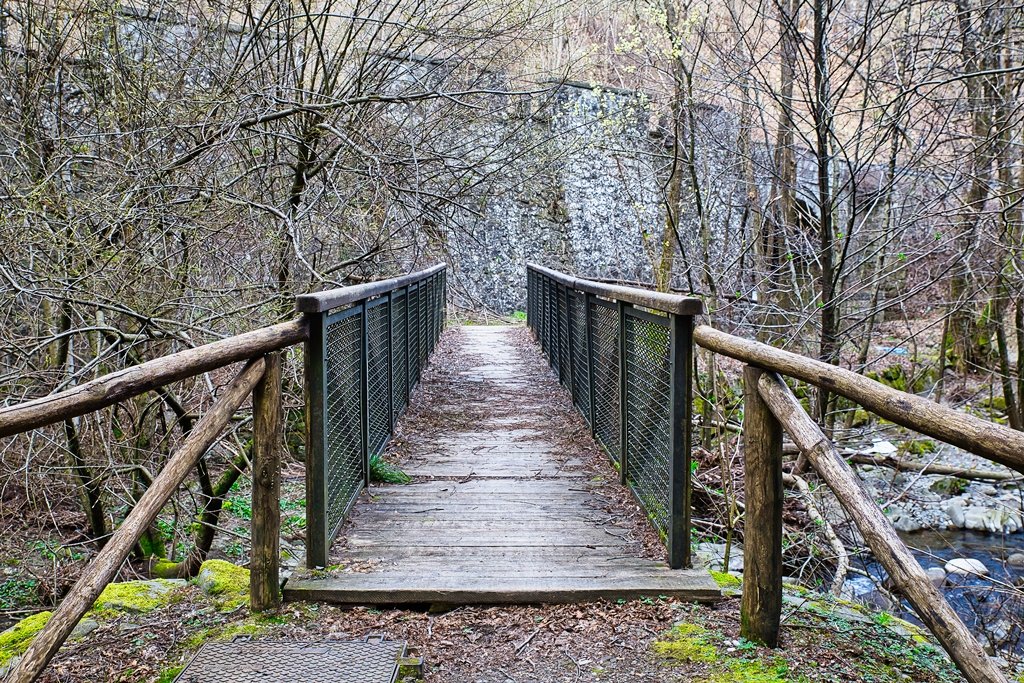
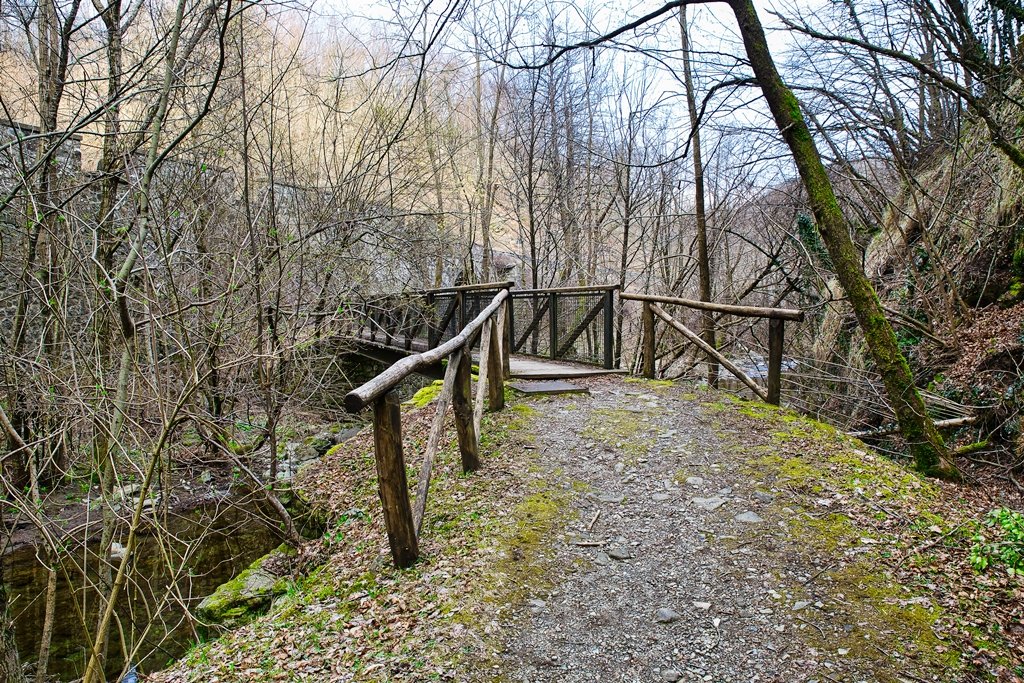
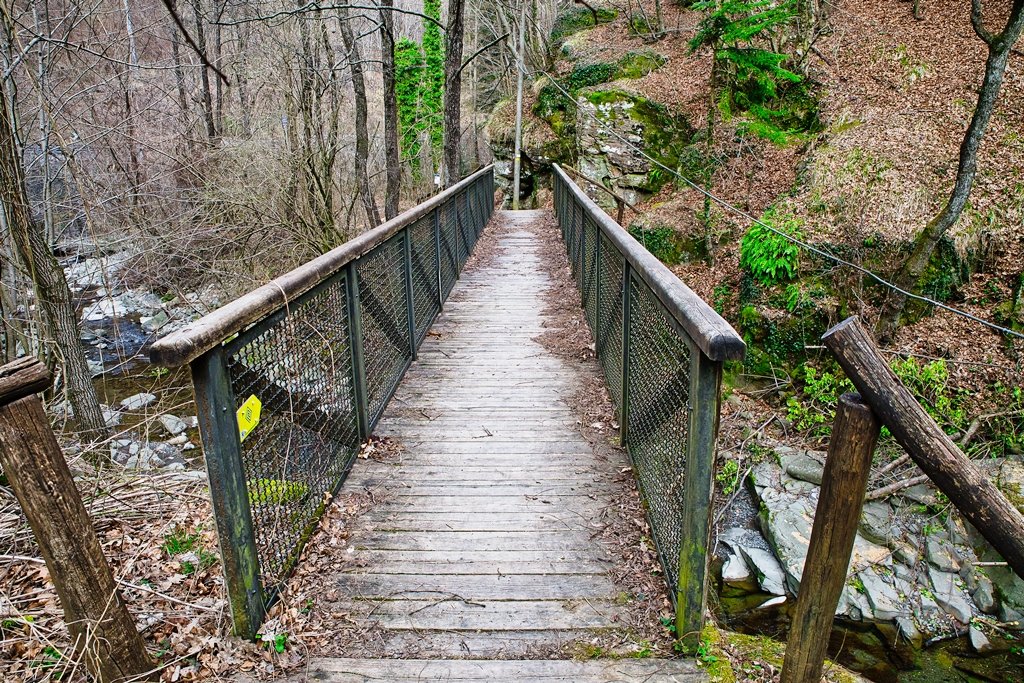
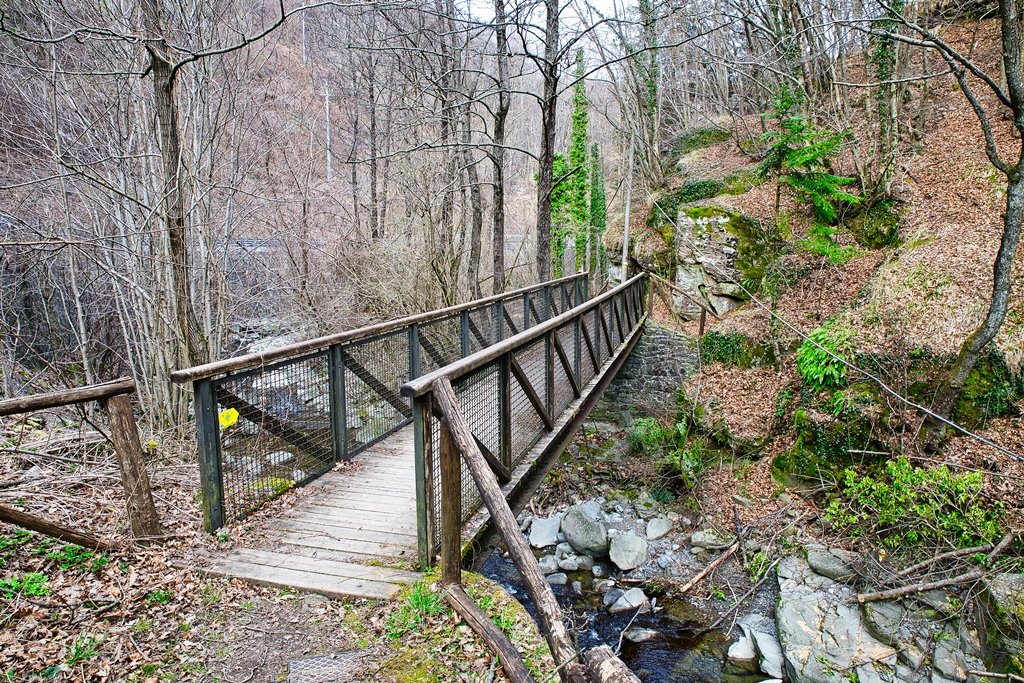
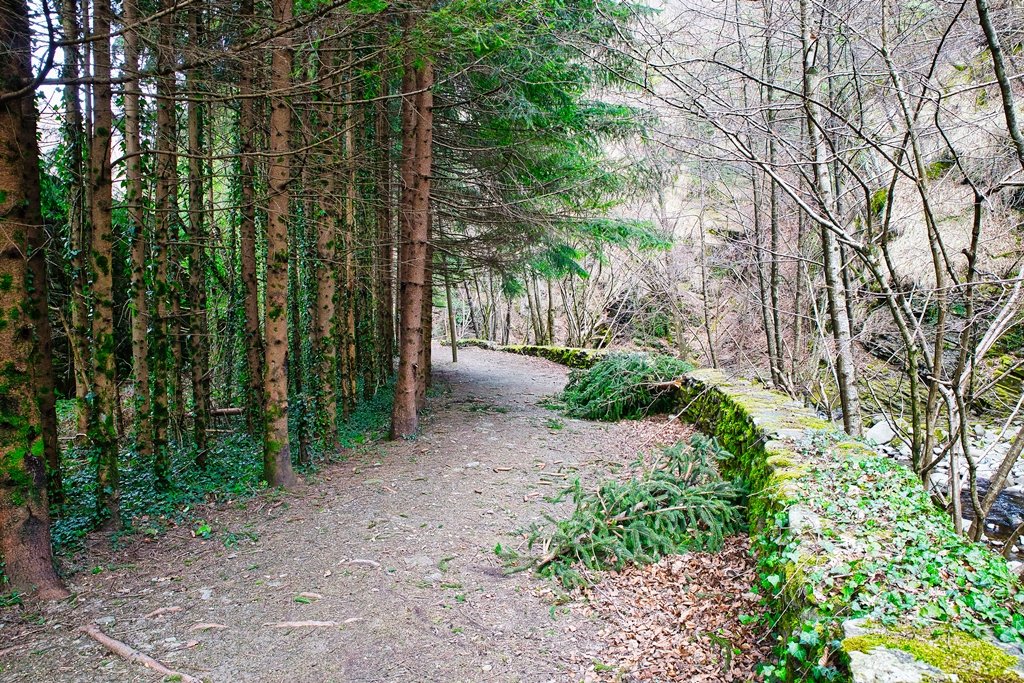
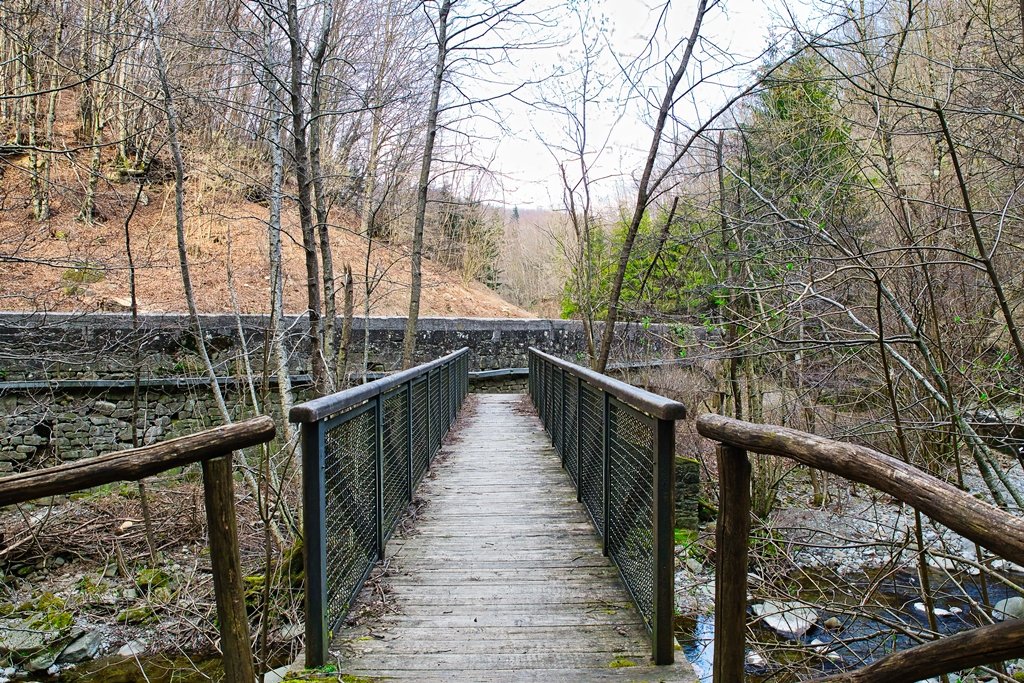
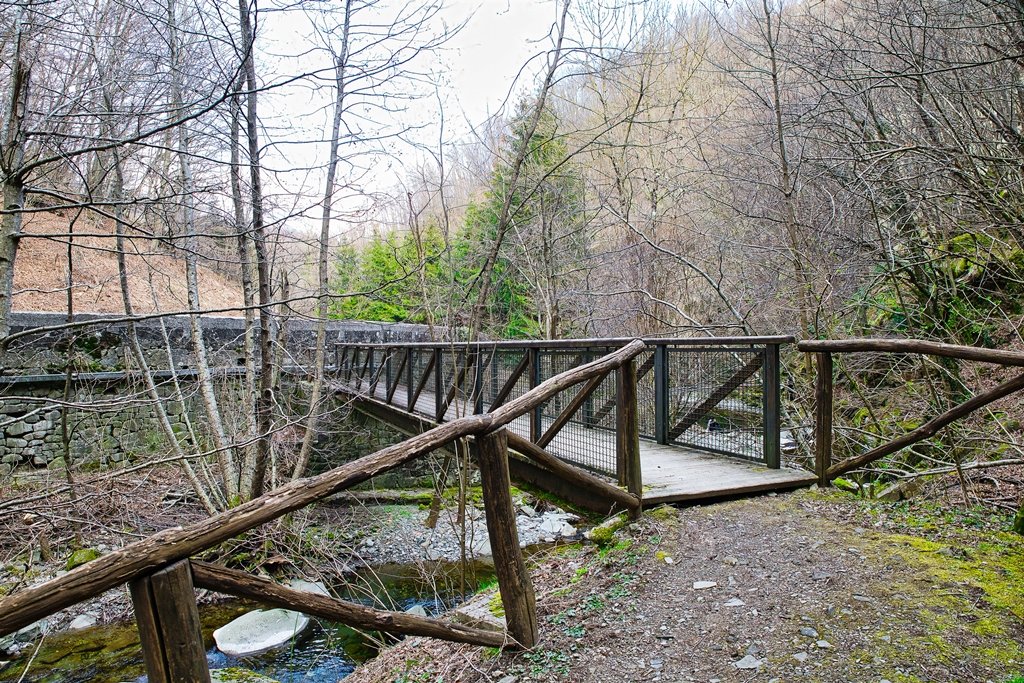
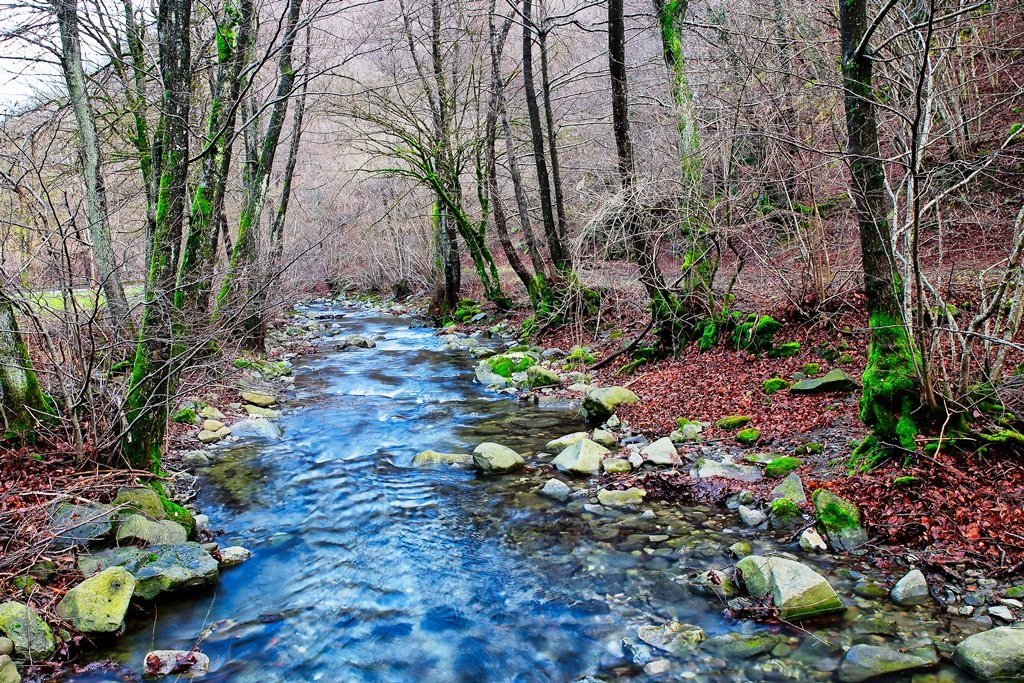
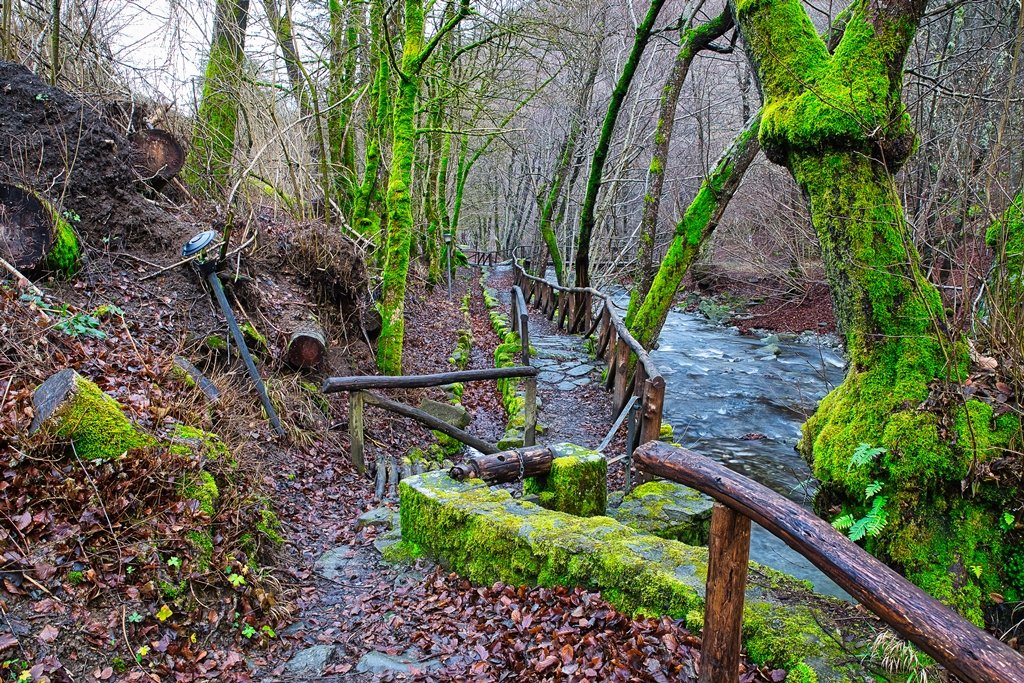
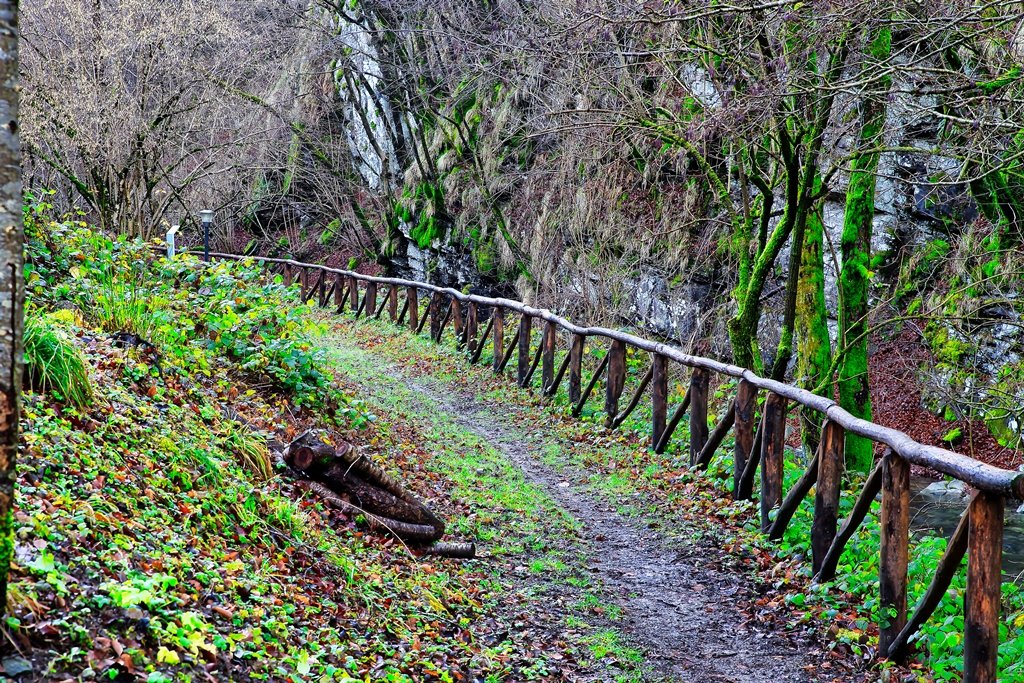
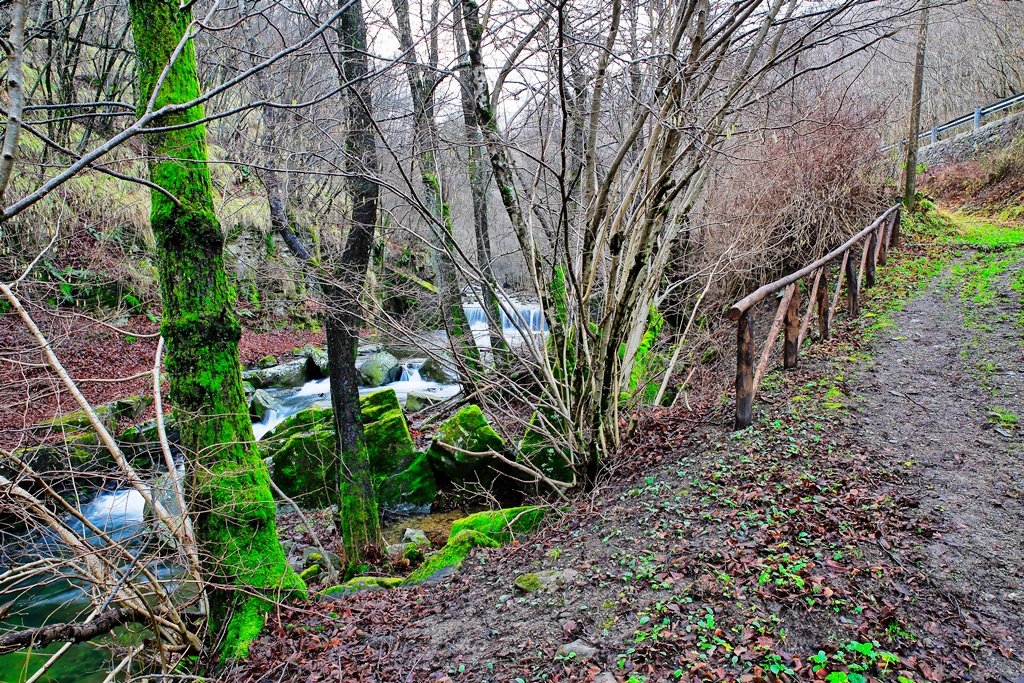
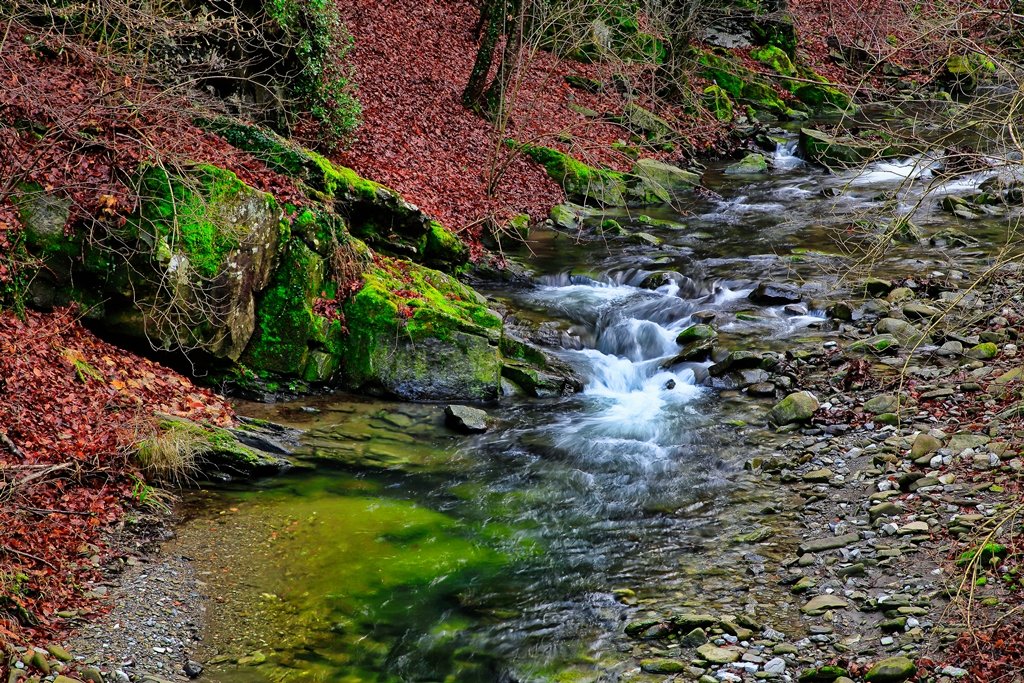
A few years ago, the province of Pistoia restored the complex that runs through the Reno valley between the villages of Le Piastre and Ponte Petri. It is a very interesting site to visit, especially in summer, when the heat makes people flee from the cities to the mountains. The path runs alongside the Reno River with a walk of about two kilometres, passing over small stone and wooden bridges.
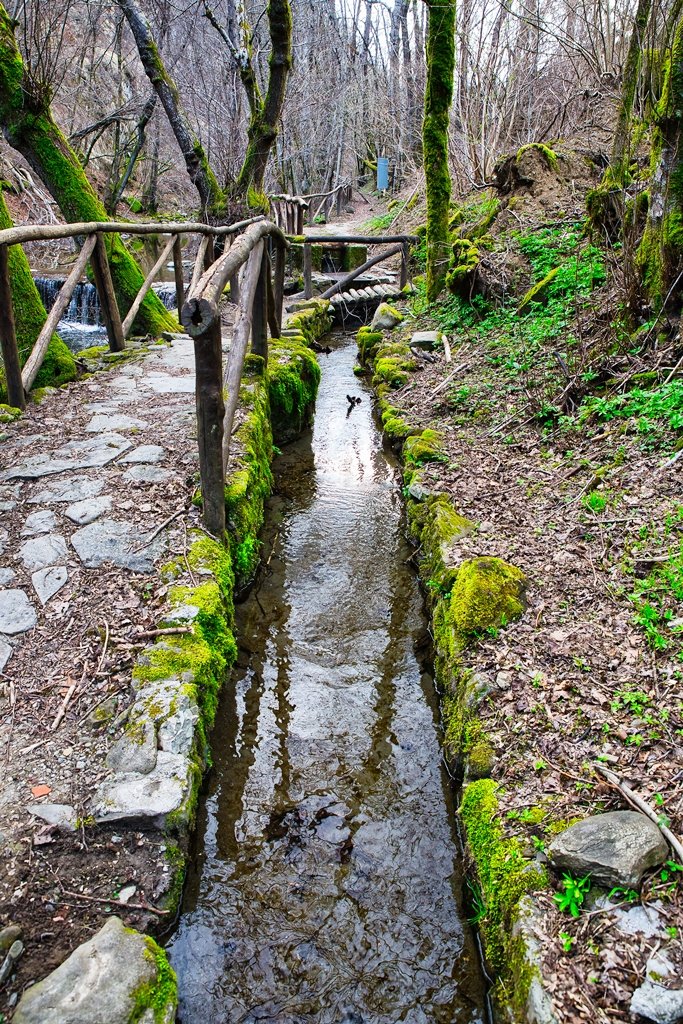
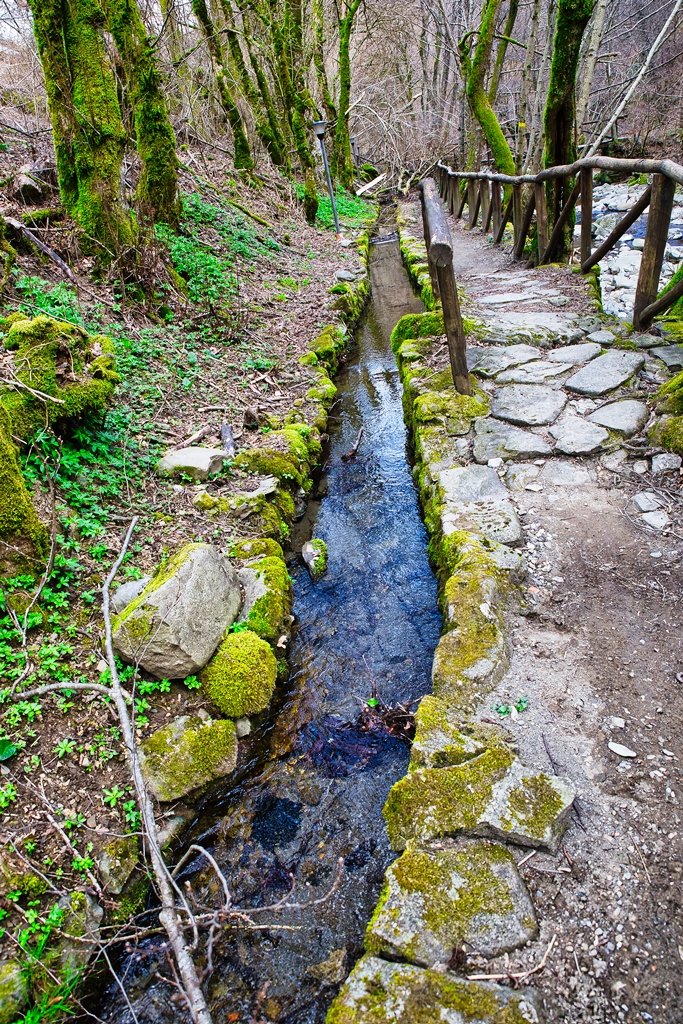
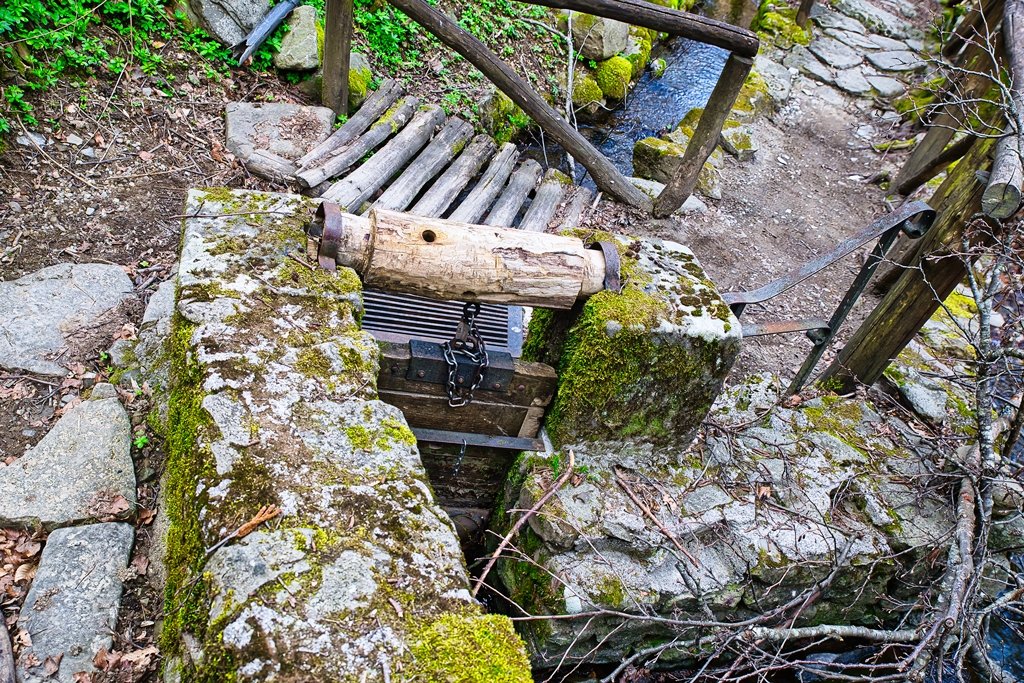
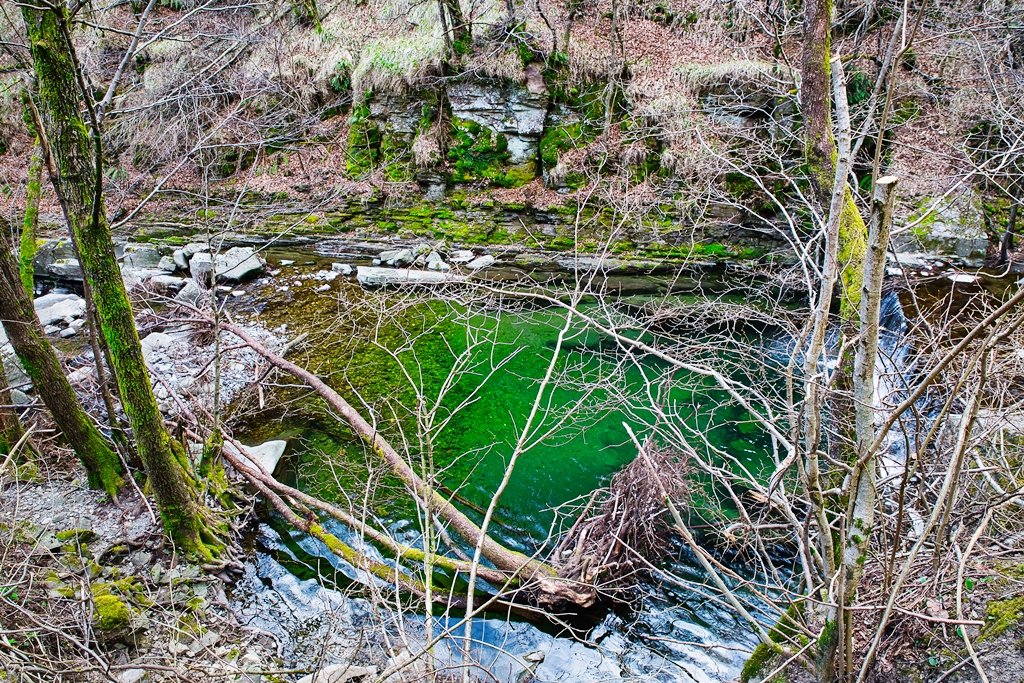
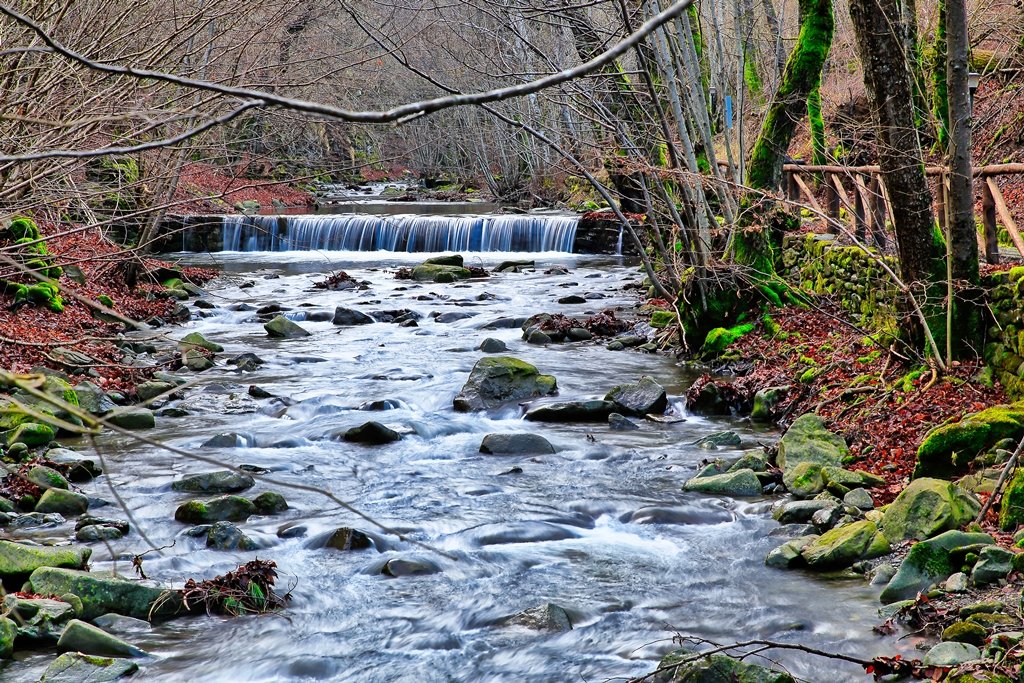
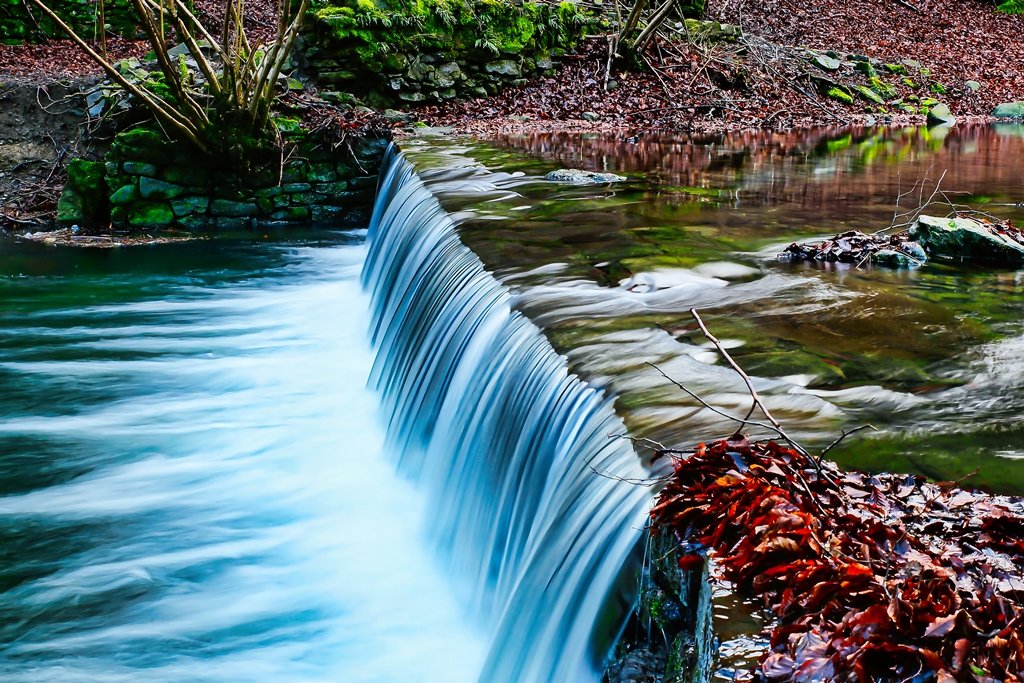
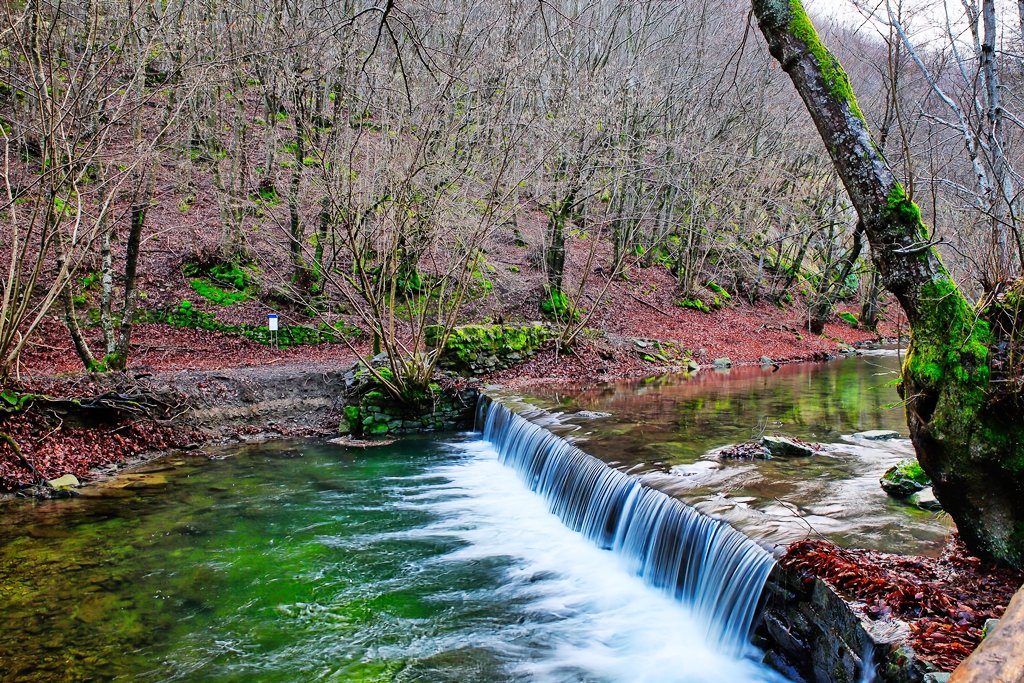
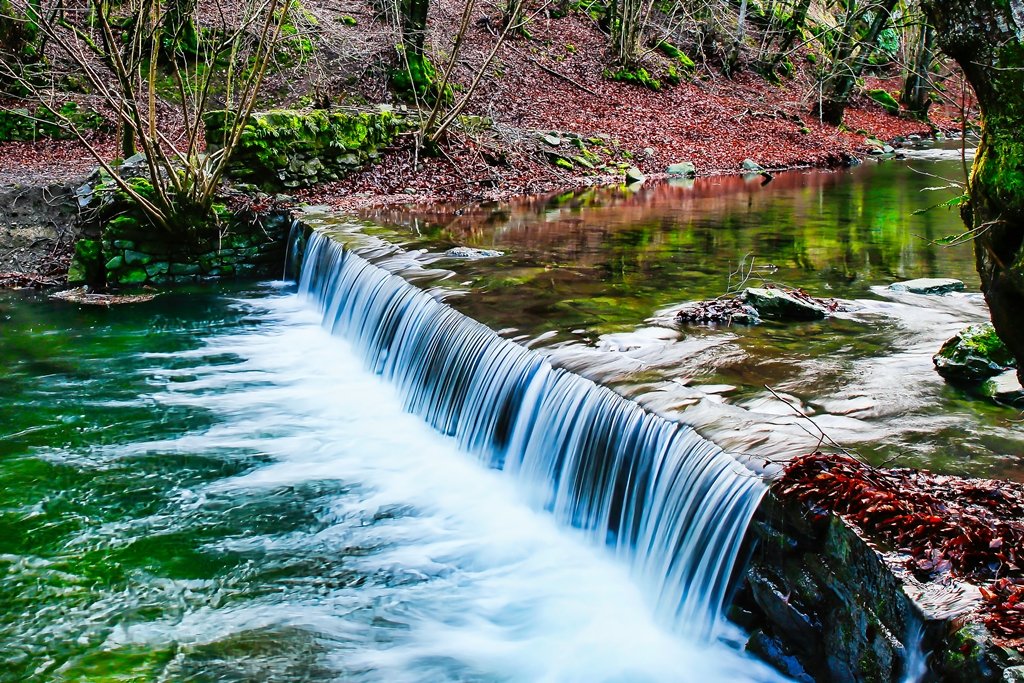
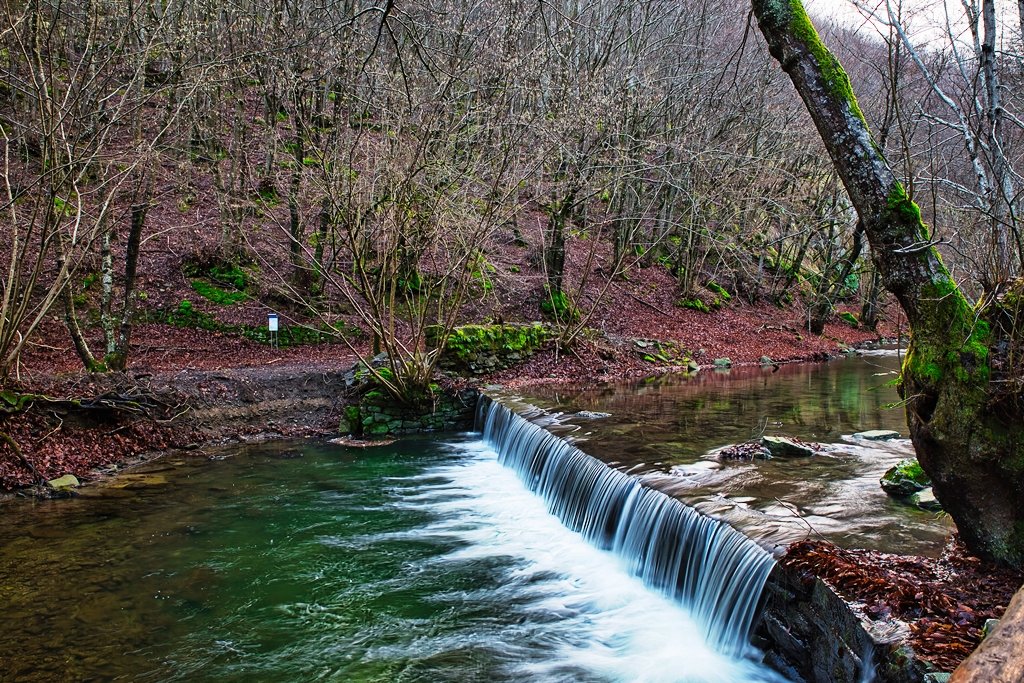
From the path, you can still see the lock mechanisms, gore and ponds that are still in operation. In practice, the lock mechanism held the water so that it became solid in winter. The ice was then crushed with pickaxes and transported by wagons covered with thick hemp cloths pulled by animals, the barrocci, to the ice house proper, which is a large round stone structure with a pointed thatched roof.
The walls of this structure, drawn dry, are about 3 metres thick. This place was prepared as early as September with a soil of dry chestnut leaves that acted as an insulator. In winter, the ice was stored in these structures where it would keep until summer. In the summer, this ice was then transported by wagon to Pistoia, Florence, and also to neighbouring regions such as Liguria, Lazio, Emilia Romagna and Marche, where it arrived by rail.
A bit of history
It was Grand Duke Peter Leopold II of Lorraine who decided to take advantage of the area's cold temperatures and altitude to create a trade that began in the late 1700s and lasted until just before the Second World War. In 1800, the Via Modenese was built and a few years later the Porrettana railway was also inaugurated. The ice houses were located along the road and this greatly increased this trade.
In the early years ice was sold to butchers (to preserve meat) and hospitals, but then some Florentine gentlemen installed iceboxes in their homes, which were cabinets where large pieces of ice were placed. Towards the end of the 19th century, the price of ice became much lower and so the inhabitants of the villages could also make use of it.
That of the ice-maker was a real specialised job. The ice was made to a thickness of 20-30 centimetres, then the ice was broken up with a tool with a wooden handle and a triangular-shaped tip called a palamine, drilling holes about 50 centimetres apart and then cracking the ice from one hole to the next using another palamine made entirely of iron.
This activity, which flourished for over a century, came to an end due to fierce competition from artificial ice, but also due to the wave of ‘hygienism’ that made natural ice unhealthy.
The Ice Path: Nature and Route Details
The visit to the Madonnina Icehouse is not just a tour of a building, but an immersion in the "Sentiero del Ghiaccio" (Ice Path). This route winds along the left bank of the Reno River and allows visitors to understand the complex hydraulic system necessary for ice production.
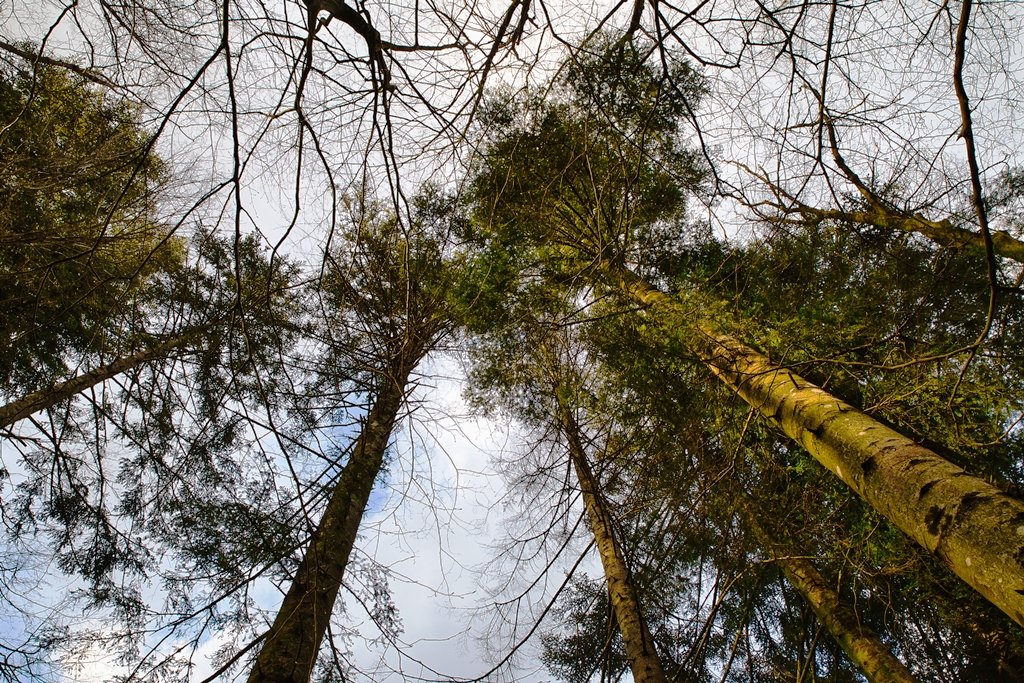
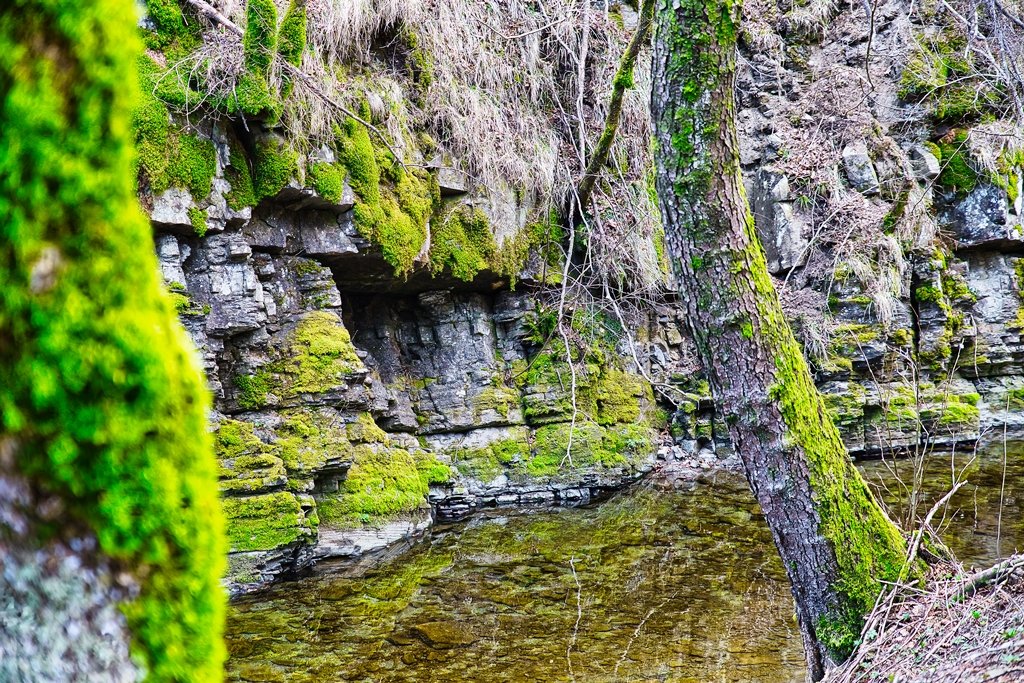
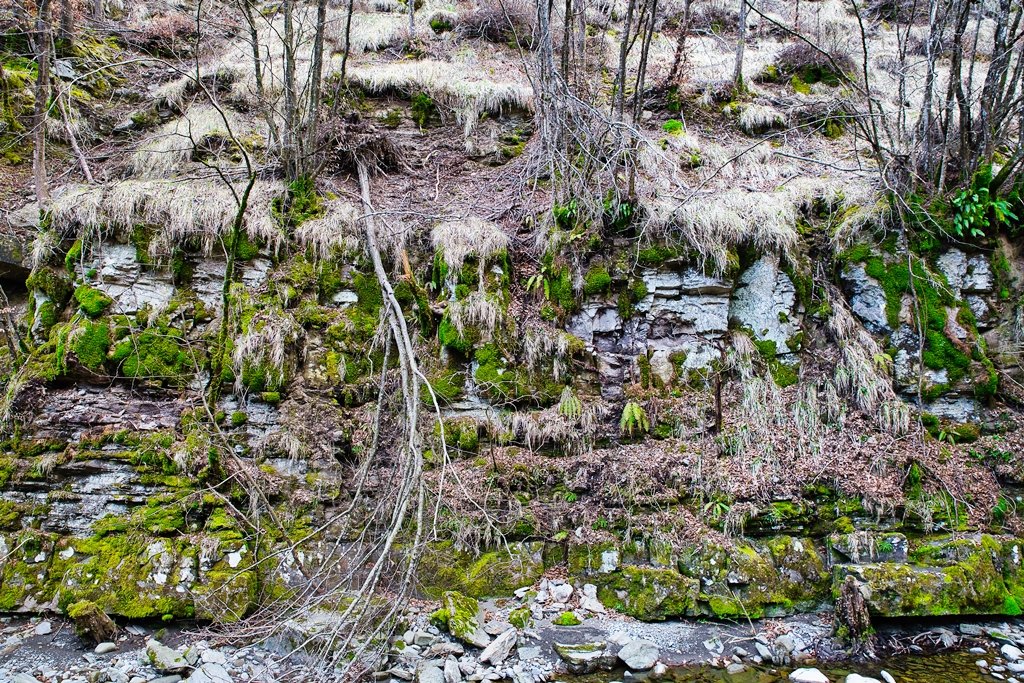
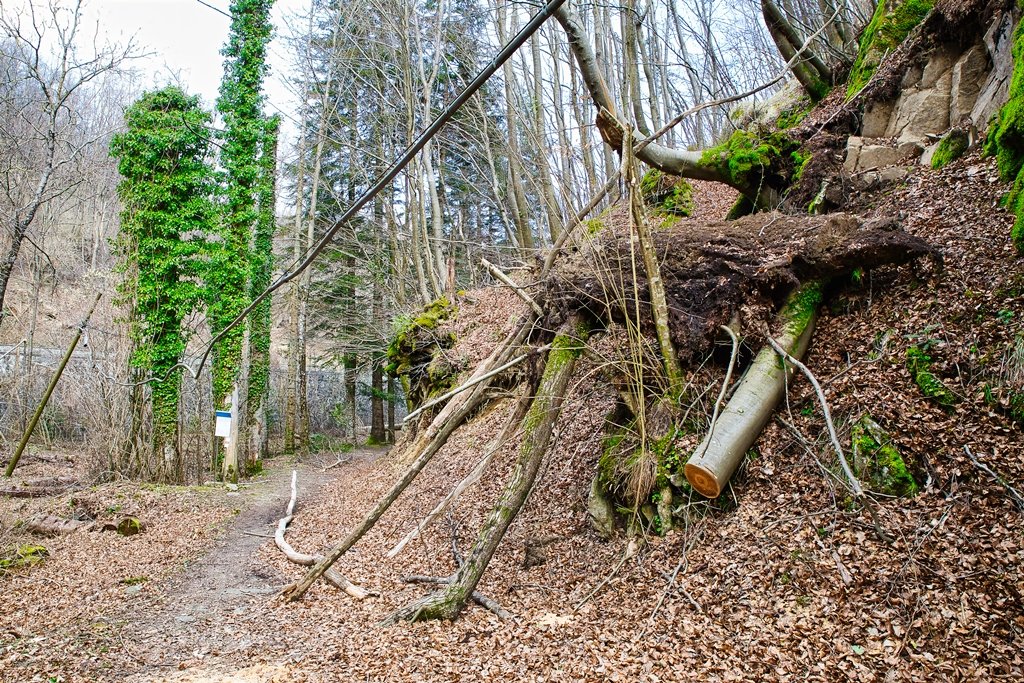
The path is flat and largely shaded, making it suitable for families and casual hikers. Along the way, you can observe the diversions (gore) that channeled water from the river into the freezing ponds. The environment is characterized by lush river vegetation, offering a cool refuge during the summer months.
- Difficulty: Easy (Tourist level)
- Terrain: Dirt path and wooden bridges
- Recommended gear: Comfortable walking shoes or hiking boots are advised, as the ground can be damp near the river.
How to get to Le Piastre
The Madonnina Icehouse is located near the village of Le Piastre, a crucial transit point on the Pistoia Mountains.
By Car: From Pistoia, take the Regional Road 66 (SR66) towards Abetone. After approximately 14 kilometers of uphill driving with scenic curves, you will reach the town of Le Piastre. You can park in the town square or in the designated parking areas along the main road. The entrance to the path is clearly marked by the Ecomuseum signage.
By Bus: It is also possible to reach Le Piastre using the public bus service (Autolinee Toscane) departing from the Pistoia train station, taking the line headed towards San Marcello Pistoiese or Abetone.
Visiting the ice house
It is possible to visit the Madonnina ice house by appointment from June to October on Saturdays and Sundays, July and August from Tuesday to Sunday. In addition to the interior of the ice house, sculpted figures depicting the protagonists of ice-making can be admired.
They are by the sculptor Leonardo Begliomini from Platara, who with these wanted to highlight the fundamental role of women workers; they were mostly the ones who worked the ice, since their husbands often left to go and make coal.
Useful Links
The ecomuseum of the Pistoia Mountains actually contemplates six itineraries, one of which is the ‘Ghiacciaia della Madonnina’ at ‘le Piastre’ in Pistoia.
Municipality of Pistoia
https://www.comune.pistoia.it/
Pistoia Mountain Ecomuseum Association
https://www.ecomuseopt.it/itinerari/il-ghiaccio/
Location on google maps:
https://goo.gl/maps/LLVTxTHuiLnFMP9V7